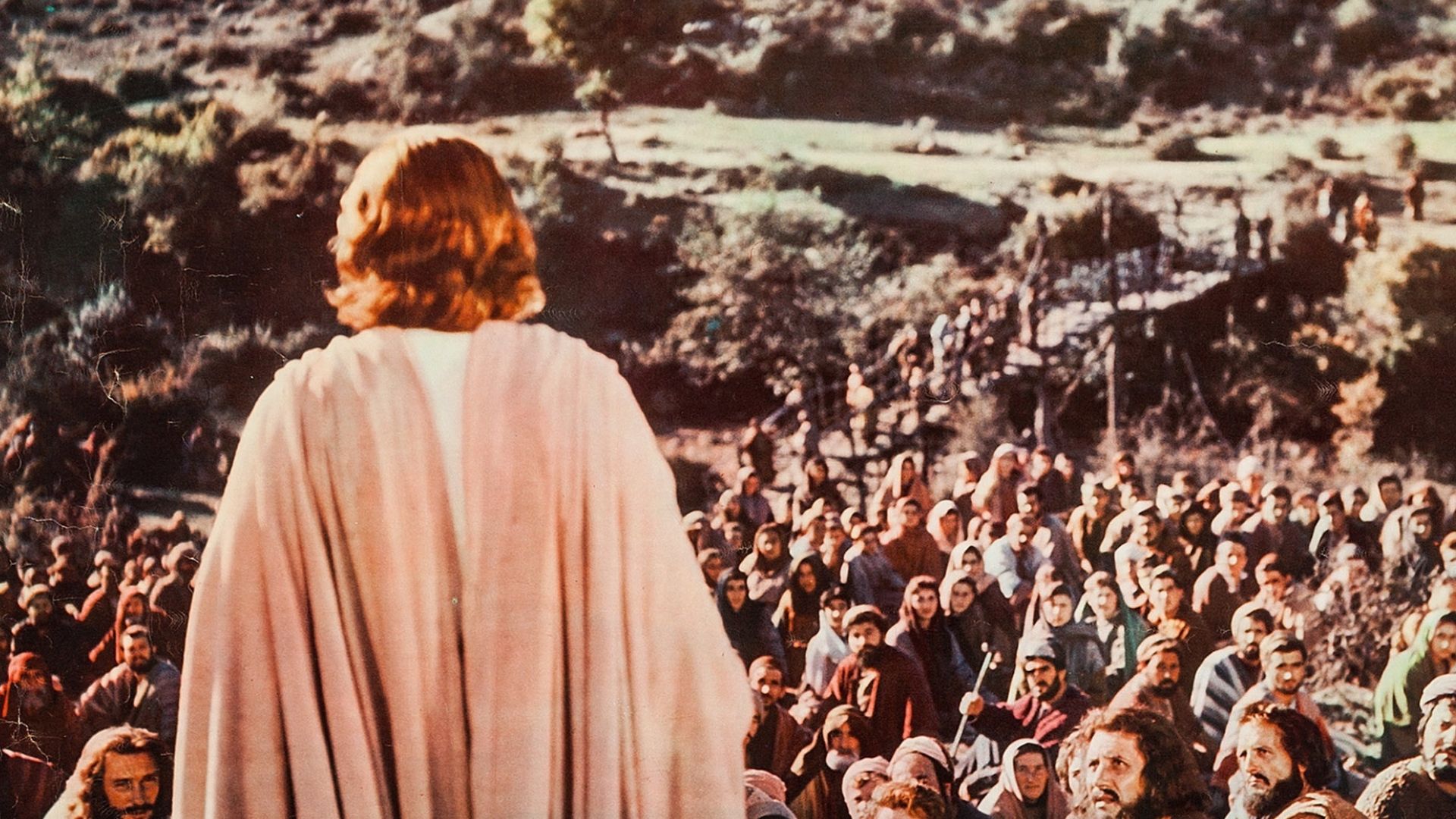
All creators hope to make something truly unforgettable—something others might copy, but never improve upon. Filmmaker William Wyler, a three-time Oscar winner, achieved this in the 1950s with his adaptation of Lew Wallace’s novel Ben-Hur: A Tale of the Christ. The resulting film, Ben-Hur, is considered his masterpiece. Even 67 years later, much of the film remains exceptional, especially the nine-minute chariot race, which is still celebrated as one of the greatest action sequences ever filmed.
When Ben-Hur came out, it quickly became one of the most successful films ever made, second only to Gone with the Wind. It also swept the Academy Awards, winning a total of 11 Oscars, including prizes for Best Picture, Director, and both leading and supporting actors, as well as Best Cinematography. The film was also recognized with Golden Globe awards for Best Director, Best Drama, and Best Supporting Actor. A new version came out in 2016, but it wasn’t well-received, and Morgan Freeman, who starred in it, likely wishes he hadn’t.
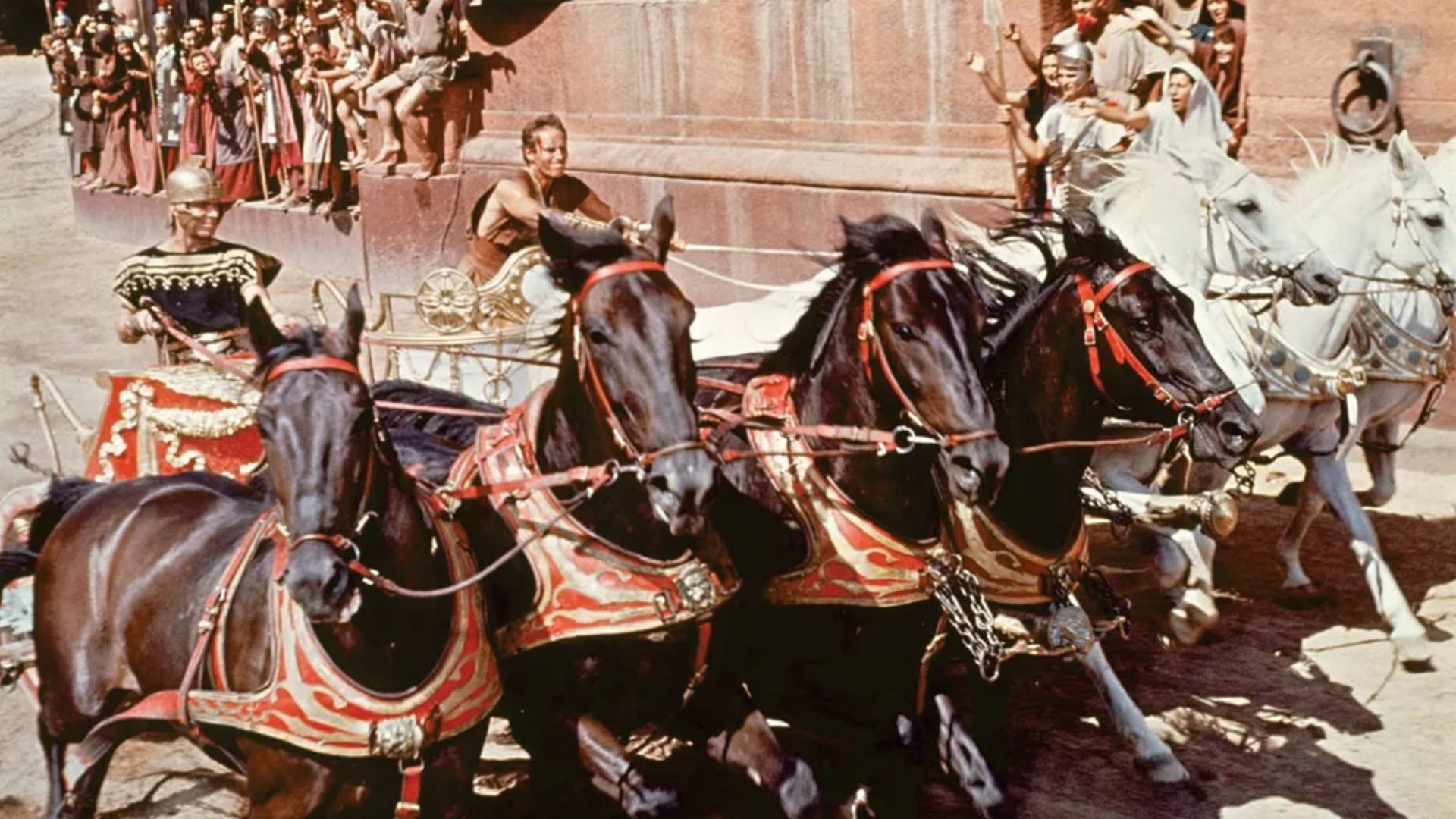
‘Ben-Hur’s Chariot Race is a Masterpiece of Cinematic Action Sequences
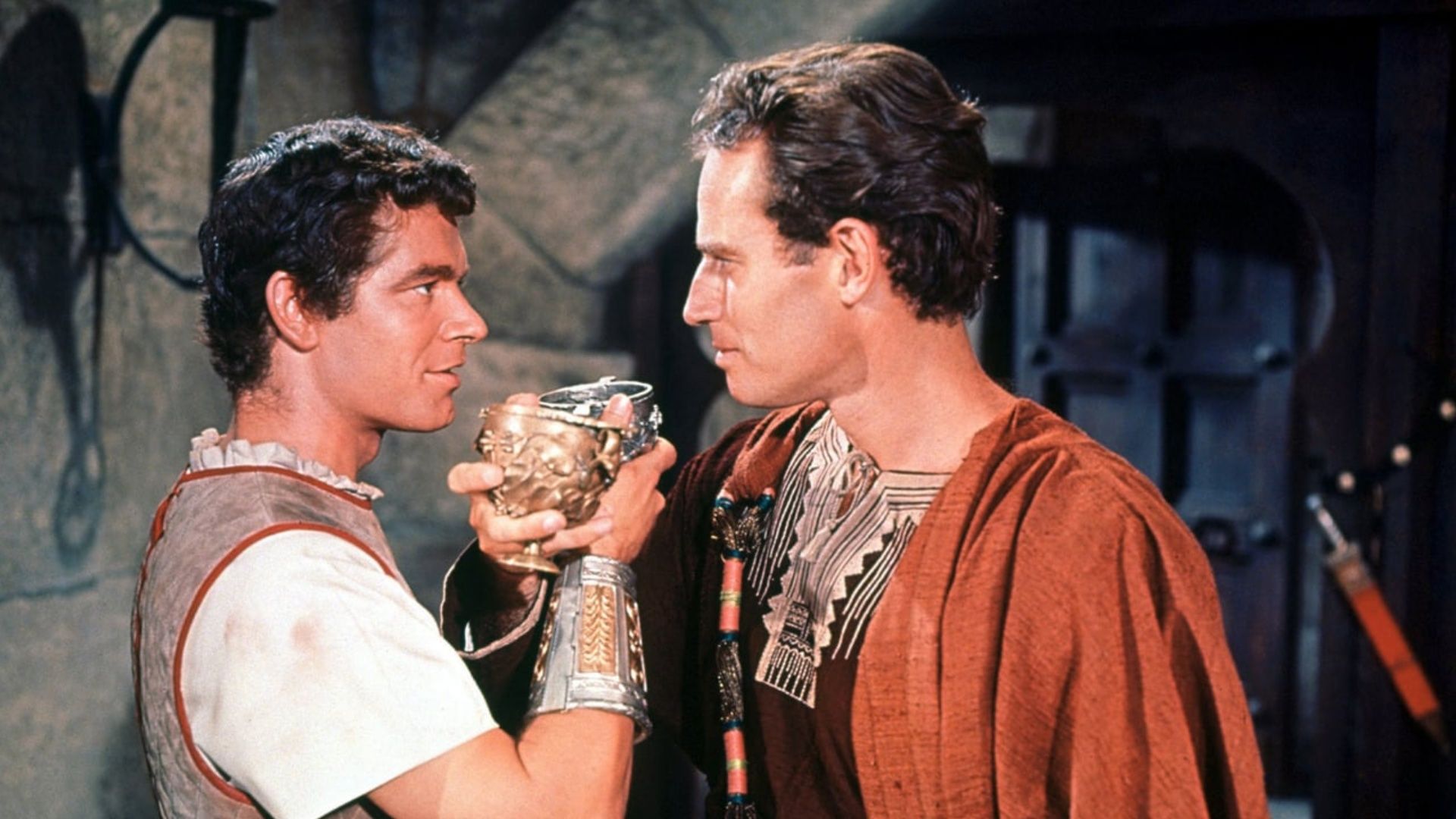
As a huge fan of classic cinema, I’ve always been captivated by Ben-Hur. The story begins in Jerusalem around AD 26, and we meet Judah Ben-Hur, a Jewish prince and merchant living a pretty great life. Things get complicated when his old friend, Messala, returns as a Roman official. Messala wants Judah to betray anyone he suspects of plotting against the Romans, but Judah refuses. This leads to a really unfair punishment – Judah is sentenced to be a galley slave! Luckily, he proves himself to a Roman Consul named Quintus Arrius, who sees his potential and offers him a shot at becoming a charioteer. The film builds to this incredible, nail-biting chariot race where Judah finally gets his revenge on Messala. And woven throughout the story is a powerful encounter Judah has with Jesus Christ, which adds another layer to the whole epic.
Even after all these years, the chariot race in Ben-Hur still blows me away. And it’s no surprise – they really went all out on it. I was reading Jon Solomon’s book about the film, and apparently, it took a full three months to shoot at the Cinecittà Studios in Rome – which was the biggest set anyone had ever built back then! They brought in 78 horses from Yugoslavia and Sicily and trained them to pull those incredible four-horse chariots. Plus, they had 7,000 extras filling the stands! They didn’t cut any corners, and even had Sergio Leone helping out as an assistant director. The final scene is just breathtaking – the camera work is so dynamic, switching between close-ups and wider shots, and what’s really amazing is they didn’t even use a musical score. You just hear the creaking wood and the pounding of hooves – it’s totally immersive.
The chariot race in Ben-Hur remains a stunning example of skillful and meticulous filmmaking. Because modern safety regulations and computer-generated imagery didn’t exist then, the filmmakers had to carefully plan every aspect of the scene to protect both the actors and animals. Beyond its impressive visuals and scope, the sequence powerfully emphasizes the film’s themes of determination and revenge. The intense excitement still captivates viewers today, and despite numerous attempts by other filmmakers to recreate it in similar historical epics, nothing has quite matched its impact.
Would Any Studio Make ‘Ben-Hur’ Today?
Sheldon Hall’s book, Epics, Spectacles, and Blockbusters: A Hollywood History, states that Ben-Hur cost $15.2 million to make, which was a record for a film at the time. An additional $14.7 million was spent on marketing. Considering inflation, the total cost of the movie today would be around $350 million. Fortunately, the film was a huge success, earning $146.9 million upon its original release – equivalent to $1.7 billion today.
It’s hard to imagine a studio funding a large-scale biblical movie today unless a director with a proven track record, like Christopher Nolan, is at the helm. That kind of investment just wouldn’t happen otherwise. However, these kinds of films were popular during Hollywood’s Golden Age. Movies like Cecil B. DeMille’s Samson and Delilah and The Ten Commandments were big successes, which encouraged studios and filmmakers to create more similar projects.
William Wyler, the highest-paid director of his time with a $350,000 salary, hesitated for a long time before agreeing to direct the film. He later revealed that he was motivated by a desire to surpass Cecil B. DeMille and create a more intellectually stimulating Biblical epic. He succeeded, and the film remains beloved today, not just by religious audiences, but by film enthusiasts everywhere.
2026-04-04 22:18