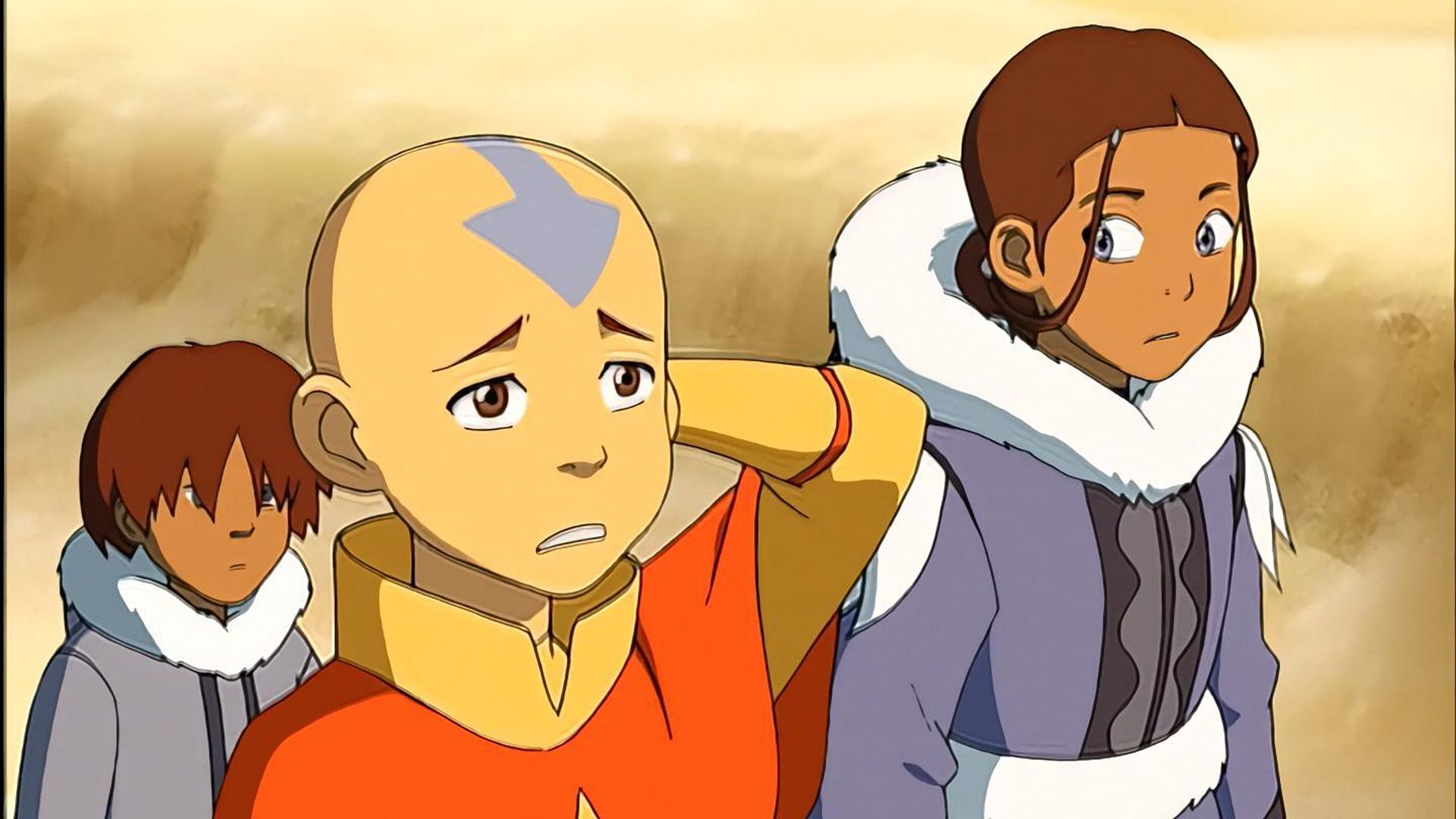
Rewatching Avatar: The Last Airbender is a great experience, but a few episodes aren’t essential. The show is consistently excellent, with every season carefully planned to deliver a strong story and explore important themes. However, some individual episodes don’t add much to the main plot, so you might not need to watch them again.
While Avatar: The Last Airbender is a show worth rewatching, some episodes aren’t as essential as others. Seasons 1 and 3 have more of these slower-paced installments, while season 2 is consistently strong in moving the story and developing its characters. These less crucial episodes aren’t necessarily bad, but they don’t add as much to the overall experience, making them easy to skip on a rewatch.
The Waterbending Scroll
Season 1, Episode 9

The ninth episode of Avatar: The Last Airbender‘s first season, “The Waterbending Scroll,” is highly enjoyable. The story revolves around Katara becoming upset that Aang learns waterbending so quickly, which leads her to steal a scroll from some pirates. This sets off a chaotic and conflict-filled episode, and Prince Zuko eventually becomes entangled in the situation as well.
This episode of Avatar: The Last Airbender season 1 doesn’t really add anything new to the overall story. While it’s good to see Katara’s character explored, the episode mostly repeats her struggles with learning waterbending. You won’t miss much if you skip it, as it doesn’t significantly develop her story or offer new insights.
The Great Divide
Season 1, Episode 11

“The Great Divide” is arguably the most skippable episode of Avatar: The Last Airbender because it doesn’t really advance the main storyline. The first season was still developing the show’s direction, and this is evident in this episode. The feuding groups Aang, Katara, and Sokka encounter aren’t very engaging, and they’re more annoying than compelling. While Aang gets a chance to practice his Avatar peacekeeping abilities, the story quickly moves on without referencing this episode much later.
This episode feels like a pause in the story, a bit of filler before getting back to the main plot, especially when compared to the intensity of ‘The Storm’ in season one. It’s understandable that Avatar needed a breather after so much setup, but knowing how compelling Zuko’s story and other reveals will be, it’s easy to skip this episode on a rewatch.
The Fortuneteller
Season 1, Episode 14

In “The Fortuneteller,” the group explores the idea of predicting the future, with everyone reacting differently. Katara enjoyed having her fortune read, Sokka doubted it, and Aang hoped the predictions meant a future with Katara. The episode features heartwarming scenes as the characters gain self-awareness, and they even manage to save the fortuneteller’s town. Ultimately, the story emphasizes the importance of balancing preparation, action, and belief.
The episode where the group helps evacuate the village from the volcano is a strong example of their teamwork. Aang demonstrates his potential as the Avatar, even at a young age. The season really builds to a climax in its final two episodes, though. While “The Fortuneteller” is an enjoyable and humorous side story, it’s not essential to the overall plot and can be skipped without missing important details.
The Northern Air Temple
Season 1, Episode 17

Having reached the North Pole, Aang decides to visit the Northern Air Temple to see if it’s fared any better than the Southern one. The show establishes early on, in the episode “The Southern Air Temple,” that the Fire Nation committed a terrible genocide against the Air Nomads. But in “The Northern Air Temple,” Aang truly accepts that the Air Nomad culture is likely lost forever, even though he had begun to grapple with that possibility beforehand.
This episode is emotionally touching, especially as Aang connects with the inventors living at the temple, offering a glimmer of hope. However, the story doesn’t really advance the overall plot. While Aang starts to deal with his past trauma, it’s a process that takes the whole series. Ultimately, “The Northern Air Temple” feels somewhat redundant and doesn’t reveal much new information.
The Cave Of Two Lovers
Season 2, Episode 2

“The Cave of Two Lovers” provides a much-needed emotional breather for both the characters and viewers, following the dramatic events of the season one finale and the beginning of season two. After pushing himself to enter the Avatar State in the season two premiere, Aang gets a chance to show his sensitive side in this episode, and it lays the groundwork for his future relationship with Katara. While the episode’s song, “Secret Tunnel,” is iconic and beloved by fans, rewatching the episode and hearing the song repeatedly can become a bit tiresome.
While the group meets many temporary characters throughout their adventures, the musicians they encounter in “The Cave of Two Lovers” aren’t particularly memorable to the overall story. They simply help the gang travel through a tunnel on their way to Omashu, where a crucial showdown with Azula takes place. This episode is more about reaching that destination than the journey itself. The following episode, “Return To Omashu,” truly kicks off the emotional core of season 2, setting the stage for the challenges and heartfelt moments ahead.
Appa’s Lost Days
Season 2, Episode 16

The Avatar: The Last Airbender episode “Appa’s Lost Days” (season 2, episode 16) is special because it gives important background on a fan-favorite character. It’s highly recommended for first-time viewers, but if you’ve seen the show before, it’s best to skip this episode and go straight from episode 15 to 17.
“Appa’s Lost Days” is a beautifully made episode, but be warned – it’s incredibly sad. It shows the difficult past Appa experienced, including abuse and starvation, and it’s hard to watch a beloved character suffer. Because it relies heavily on visuals and doesn’t directly advance the main story, it’s not something you can easily watch while doing other things. It’s a powerful episode, but prepare yourself emotionally.
The Painted Lady
Season 3, Episode 3

Throughout Avatar: The Last Airbender, Katara frequently finds herself in difficult situations because she’s determined to help others and refuses to sacrifice her principles. The episode “The Painted Lady,” early in season 3, shows the group still dealing with the aftermath of the season 2 finale while trying to stay hidden within the Fire Nation. While episodes like “The Painted Lady” – often considered less central to the main plot – help viewers become familiar with the world of the Fire Nation, this isn’t as important when rewatching the series.
I really appreciate how these episodes show us a more human side of the Fire Nation, but as a longtime fan, I already knew the war hurt them too. While Katara definitely grows in these episodes, I feel like her biggest moments of change happen later on. “The Painted Lady” sets the stage for those discoveries, and we see her figuring out what kind of hero she wants to be. But it’s “The Southern Raiders” where Katara truly confronts her past and her future, and it’s so much more powerful and moving.
The Runaway
Season 3, Episode 7

Season 3 of Avatar is generally excellent, packed with action leading up to Aang’s final battle with the Firelord. The showrunners knew how the story would end from the start, which makes the season feel very well-planned and satisfying. However, if you already know the plot, some scenes, like the disagreements between Katara and Toph in the episode “The Runaway,” don’t add as much to the overall experience.
The episode’s main storyline focuses on the introduction of Combustion Man and Toph dealing with leaving her family. If you’ve been following the series, you can skip the episode “The Runaway” without getting lost. The show has explored similar themes before, like when Katara and Toph bonded over shared experiences. While the action is fun, it’s not particularly memorable and probably won’t make you want to rewatch the episode.
Nightmares & Daydreams
Season 3, Episode 9

The ninth episode of Avatar: The Last Airbender’s third season, “Nightmares and Daydreams,” stands out for its humor and playful references. It focuses on Aang’s anxiety leading up to the Fire Nation invasion. He trains so intensely that he becomes exhausted and starts to confuse his dreams with what’s actually happening.
Okay, so “Nightmares and Daydreams” really dives into Aang’s stress and his fear of the final showdown with Ozai, which is interesting, but honestly? It feels like a detour. As an episode, it’s mostly just stalling for time. The first time I watched it, I genuinely laughed – it’s legitimately funny. But if I’m being honest, on a rewatch, I usually skip ahead. It doesn’t really add much to the core story, and you’re better off getting straight to the good stuff this season has to offer.
The Ember Island Players
Season 3, Episode 17

In the episode right before the end of Avatar, the show cleverly recapped everything that had happened through a humorous play-within-a-show. Called “The Ember Island Players,” the episode features the characters watching a Fire Nation-produced dramatization of their own adventures. The play isn’t entirely accurate – it’s biased and gets some details wrong – but that’s where a lot of the comedy comes from, offering viewers a chance to laugh at the events they’ve already seen.
The episode “The Ember Island Players” playfully acknowledges fan theories and how viewers have interpreted the story, creating a more engaging experience. While it’s a fun re-watch for those who enjoy Aang and Katara’s developing romance, it doesn’t reveal any new information about their relationship. The show subtly hints at Aang’s feelings for Katara throughout all three seasons, but their connection doesn’t fully develop until after the final battle with the Firelord.
2026-05-30 23:51