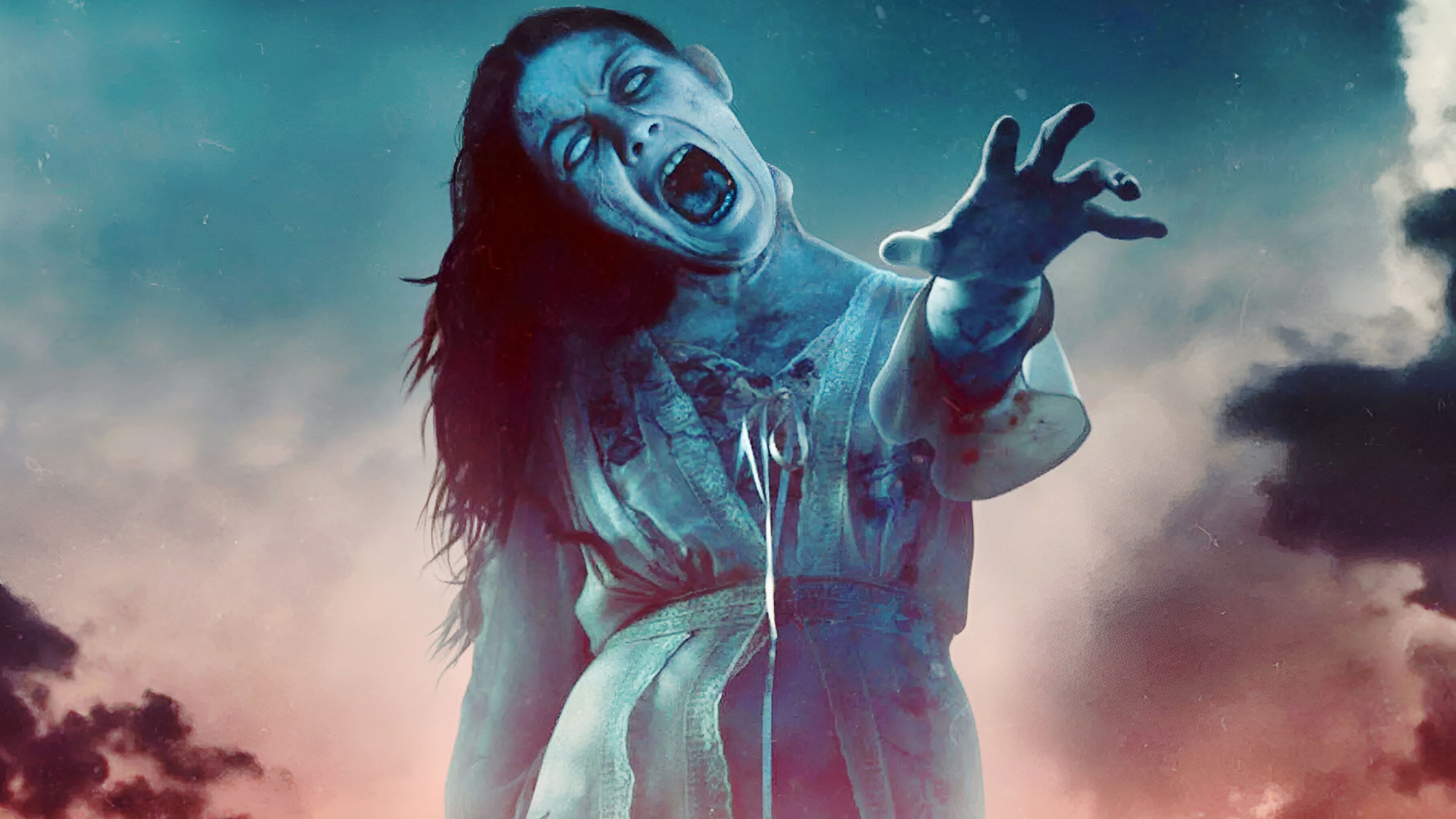
Many consider the first paragraph of Shirley Jackson’s novel, The Haunting of Hill House, to be the best opening in all of horror literature.
No living creature can stay mentally healthy when constantly confronted with harsh reality; even creatures like larks and katydids are thought to dream. Hill House, far from being stable, stood isolated against the landscape, filled with a sense of darkness. It had remained that way for eighty years and could likely remain so for another eighty. Though structurally sound – with walls, bricks, floors, and doors all in good order – a heavy silence permeated the house, and whatever presence resided within seemed utterly alone.
Shirley Jackson’s The Haunting of Hill House, published almost 60 years ago, remains a highly influential horror novel. Stephen King, a master of the genre himself, has frequently praised Jackson’s writing. In fact, his famous novel, The Shining, directly references the opening paragraph of The Haunting of Hill House.
As a horror fan, I have to say that The Haunting of Hill House isn’t just scary—it’s a true masterpiece. Shirley Jackson’s writing is incredible, and what really struck me was how she creates this atmosphere of sadness and mystery right from the very first paragraph. It’s a huge challenge to bring that kind of nuance to the screen, especially when her writing is so layered and open to interpretation. But Mike Flanagan’s adaptation on Netflix? He absolutely nails it. He manages to capture all that subtle dread and ambiguity, making it a truly unforgettable experience.
A Timeless, Formless Fear Is Embedded In The Haunting Of Hill House’s Opening Paragraph

The very beginning of The Haunting of Hill House has a chilling, Lovecraftian feel, immediately presenting the house as a powerful, uncaring presence. Shirley Jackson’s writing creates a deep sense of dread about things we can’t understand. However, the passage goes beyond typical cosmic horror because, unlike Lovecraft’s stories, it attempts to describe the indescribable. The first line cleverly links all living things through their shared ability to dream.
The text beautifully contrasts the world of the living with the supernatural, suggesting that even small creatures, like birds and insects, need to escape strict reality to stay mentally healthy. Dreams, in this context, represent everything from the personal stories we create to the self-deceptions we embrace, all as a way to cope with the harshness of everyday life.
Jackson cleverly portrays Hill House as if it’s alive, then immediately takes that life away, describing it as “not sane” to give it a personality. She suggests that just as living things need dreams to remain mentally healthy, this “not sane” house exists in a frightening, stark reality and possesses a disturbingly inhuman nature. The following lines emphasize the house’s lasting evil and its eternal, isolated existence, filled with darkness.
As the paragraph ends, the author creates a striking contrast. They first describe a perfectly normal house – with sturdy walls, floors, and doors. But then, in the final sentence, Shirley Jackson undermines this normalcy by hinting at something unsettling entering the house – something that wanders alone and defies anything that would keep a person grounded in reality.
Mike Flanagan’s Netflix Adaptation Makes Haunting Of Hill House’s Opening Paragraph Hit Even Harder
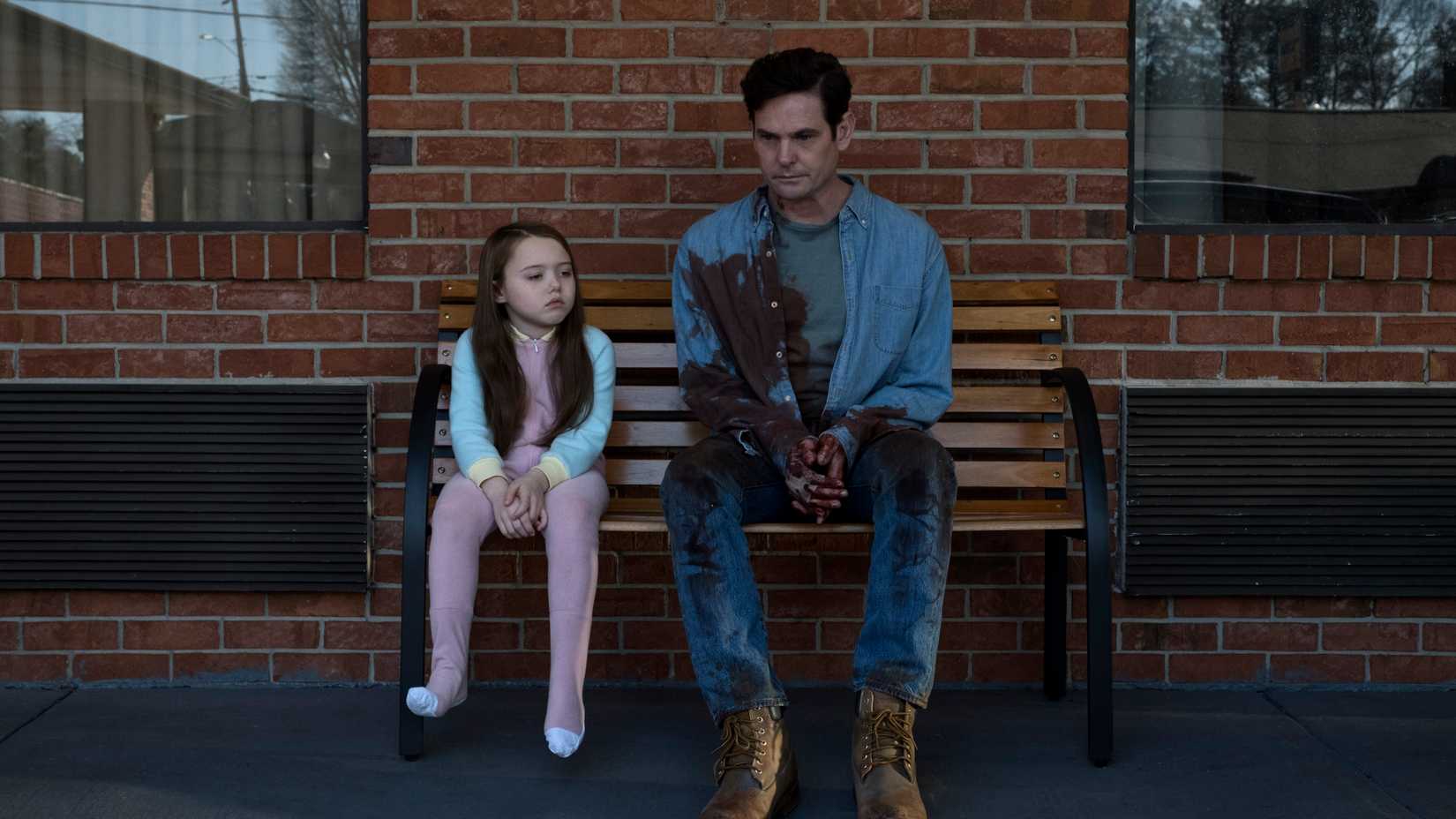
The first episode of Mike Flanagan’s The Haunting of Hill House opens with Steven, played by Michiel Huisman, reading the beginning of Shirley Jackson’s novel as the camera shows the empty rooms and grounds of Hill House. This is immediately followed by a flashback to young Mel seeing the Bent-Neck Lady and crying. Her father comforts her, explaining that dreams can sometimes feel real.
As a film buff, I was really struck by how beautifully this scene showed how even kids, like Mel, can feel disconnected from what’s actually real when they’re dreaming. It reminded me of how Shirley Jackson eases you into the unsettling world of her stories – at first, everything feels normal, even with the supernatural stuff happening. The show does the same, showing how fluid and blurry dreams can be. But just like Jackson’s novel, it doesn’t stay that way for long. You quickly get the sense that something truly wrong, something deeply unsettling, is lurking within Hill House.
Throughout the series, The Haunting of Hill House explores the connection between the real world and the ghostly realm. The show presents ghosts not just as independent, mysterious beings, but also as manifestations of deep human emotions like grief, trauma, addiction, and guilt.
As a huge horror fan, I always felt Mike Flanagan’s The Haunting of Hill House wasn’t so much a direct adaptation of Shirley Jackson’s novel, but a really clever reimagining. And honestly, the way he took that famous opening paragraph and built the whole series around it? That’s what made it feel like a perfect extension of Jackson’s creepy, unsettling style – like stepping right into one of her dreams.
Read More
- Five Nights At Freddy’s 2 Review: The Video Game Movie Sequel Limbos Under The Low Bar Set By The First Film
- Black Phone 2 Ending & Grabber’s Fate Explained
- ‘And Then The Chesty One Comes In.’ SNL’s Cut For Time Sketch Hilariously Reimagined Sydney Sweeney And Zendaya’s Euphoria
- Прогноз криптовалюты USD1: прогнозы цены USD1
- George Clooney Has The Best Reaction To The Viral Louvre Heist Following Ocean’s Eleven Comparison
- Прогноз криптовалюты BNB: прогнозы цены BNB
- Game Of Thrones’ New Targaryen Show Is Officially Breaking An HBO TV-M Trend
- Прогноз криптовалюты BTC: прогнозы цены биткоина
- Cancel Culture is Killing Horror Anime, 1 Series at a Time
- Mickey and Minnie’s Runaway Railway Just Made A Rule Change, And Fans Are Making The Same Comment About Why
2025-12-03 18:29