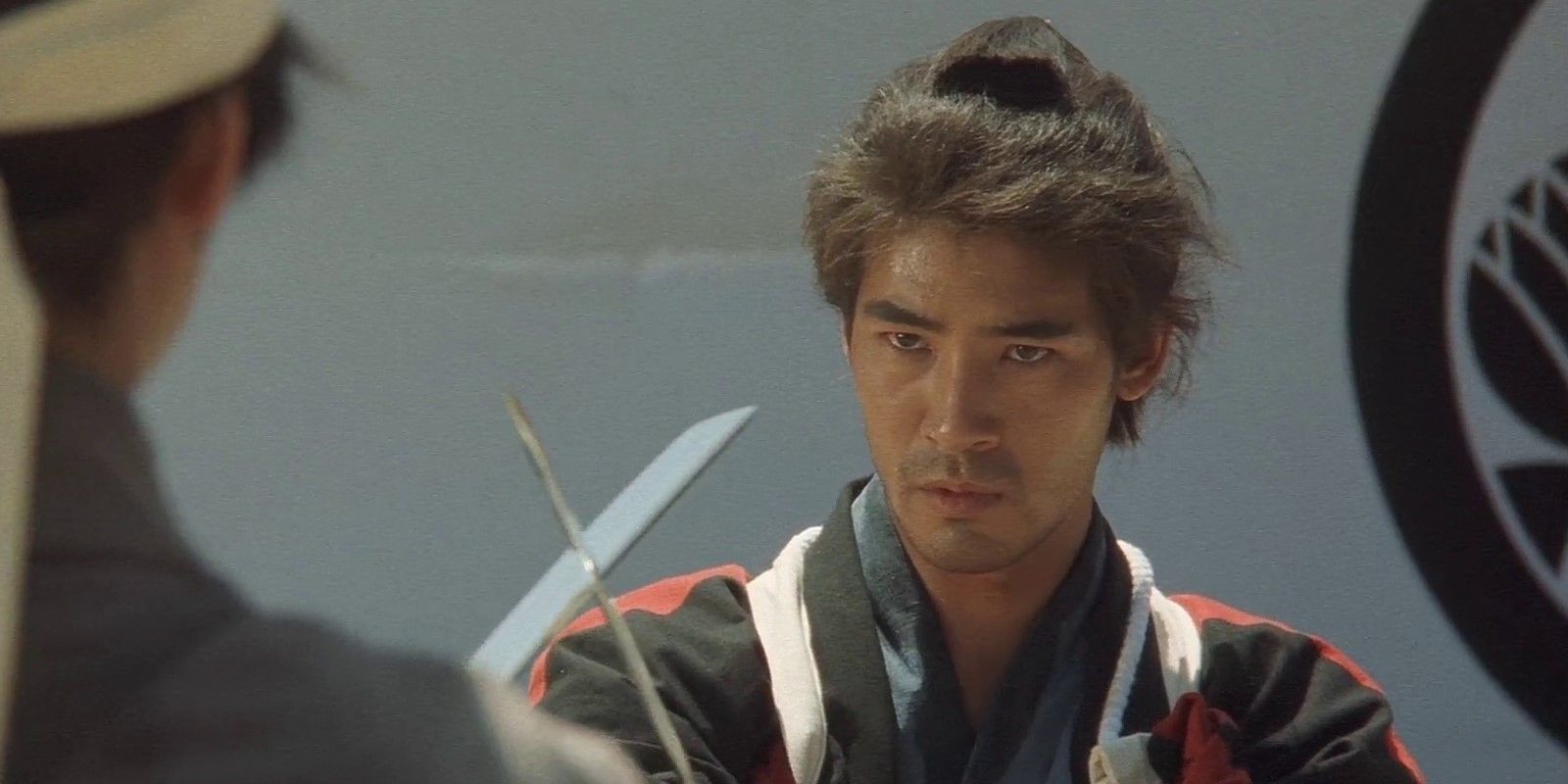
Just as Westerns became popular in America, samurai films gained prominence in the East around the same period. This was a golden age for directors like Akira Kurosawa, who used the genre to create visually stunning films with powerful, emotionally resonant stories about conflict and the human condition.
It’s easy to overlook great samurai films with so many to choose from, even those made after the 1960s. The most memorable ones often do more than just show action – they delve into a swordsman’s thoughts or explore how their past affects them.
The Sword of Doom (1966) Explores the Grim Truth of Swordfighting
The Sword of Doom features impressive sword fights, but it’s not a typical samurai film. It centers on a wandering swordsman who kills without remorse and appears completely detached from his actions. Though he lives life on his own terms, indulging in violence, he’s eventually confronted with the emotions he’s long suppressed.
With his past catching up to him and the effects of aging eroding his self-assurance, The Sword of Doom explores themes of mortality and the realization that even the greatest individuals are not invincible. This thoughtful samurai film is sure to impress any movie lover, even after just one watch.
Hitokiri / Tenchu! (1969) Is a Story of Actions and Consequences
Hitokiri tells the story of a wandering samurai who starts working as an assassin for those loyal to the Emperor. He blindly follows orders and ignores signs that he’s just being used as a tool, not valued as an individual. Eventually, he realizes this harsh truth and chooses to forge his own destiny, leading to a difficult but ultimately freeing resolution where he must accept responsibility for his actions.
Hitokiri is a compelling samurai drama centered around assassination and the lengths people will go to avoid confronting difficult truths. It realistically portrays the harshness of the time period, stripping away any romanticized notions and culminating in a surprising ending.
Destiny’s Son / Kiru (1962) Is a Tragic Story of Family
At first glance, Kiru seems like a typical samurai tale, but it quickly becomes a deeply sad and dark story. It starts with a samurai forced to kill his own wife, who was also an assassin. This devastating act leads him to abandon their son with a foster family and retreat into a life of isolation as a monk. Years later, the son, now a skilled samurai himself, sets out on a journey to find his biological father.
Kiru is a powerful story about family, duty, and the serious repercussions of our choices. It’s a strikingly realistic film, and stands out as one of the best in its genre.
Samurai Wolf (1966) Mirrors Another Classic Samurai Film
Wandering samurai movies were popular in the 1960s, and Samurai Wolf is still one of the best examples of the genre. It tells the story of a lone samurai who arrives in a small town and quickly becomes caught up in a web of deceit and unexpected twists.
As a film buff, I think Samurai Wolf is a truly powerful movie that deserves more attention today. There’s just something timeless about the story of someone who prefers to be alone stepping up to defend those in need, and this film really captures that spirit beautifully.
When the Last Sword Is Drawn (2002) Harkens Back to Classic Japanese Cinema
Released in 2002, When the Last Sword is Drawn tells the story of two samurai looking back on their lives. While inspired by historical events and featuring sword fights, the movie centers around themes of family, creating a deeply moving experience that captures the spirit of traditional samurai cinema.
While When the Last Sword is Drawn features sword fighting, what really captivates viewers are the actors’ performances. The film evokes the feel of classic samurai movies from their golden age – a tribute to the past that still feels fresh and modern. It’s definitely worth watching.
2026-07-29 18:06