As a film buff, I’ve always been fascinated by Westerns. Back in the day, directors like John Ford and Howard Hawks really shaped how we saw the frontier on film – movies like Stagecoach and The Searchers were huge! That classic Western style definitely dominated Hollywood for a long time, giving us tons of action and adventure. While it’s not the biggest genre at the box office now, it’s still given us some truly unforgettable stories over the past fifty years.
Epic Westerns, known for their detailed storytelling and slower speed, haven’t attracted audiences as consistently as faster-paced action or horror movies. Because they’re also expensive to produce, Hollywood doesn’t make many of them – despite the desires of history enthusiasts. However, some excellent Westerns continue to emerge, whether they’re based on books or real-life events, and these films are considered among the best cinema has offered since 1976.
Hostiles Is the Modern-Day Equivalent of The Searchers
Scott Cooper plays Captain Joseph Blocker, a soldier deeply scarred by his experiences in the American-Indian Wars. His past comes back to haunt him when he’s tasked with escorting the ailing Cheyenne chief Yellow Hawk to his homeland in Montana. Though initially filled with animosity, Blocker and Yellow Hawk gradually earn each other’s respect during their long journey north, facing dangers like a Comanche raiding party, a ruthless outlaw, and brutal hunters along the way.
Similar in scope and subject matter to John Ford’s The Searchers, Hostiles powerfully portrays both the beauty and harshness of the American West, ultimately suggesting that the biggest threats weren’t the landscape, but the people themselves. The film truly shines in its depiction of Captain Blocker’s transformation, as he overcomes his initial prejudices against the Cheyenne throughout their journey. Though deliberately paced, the story consistently pushes forward, relentlessly traversing the Western terrain.
Horizon: An American Saga Is A Mash-Up of Classic Western Stories
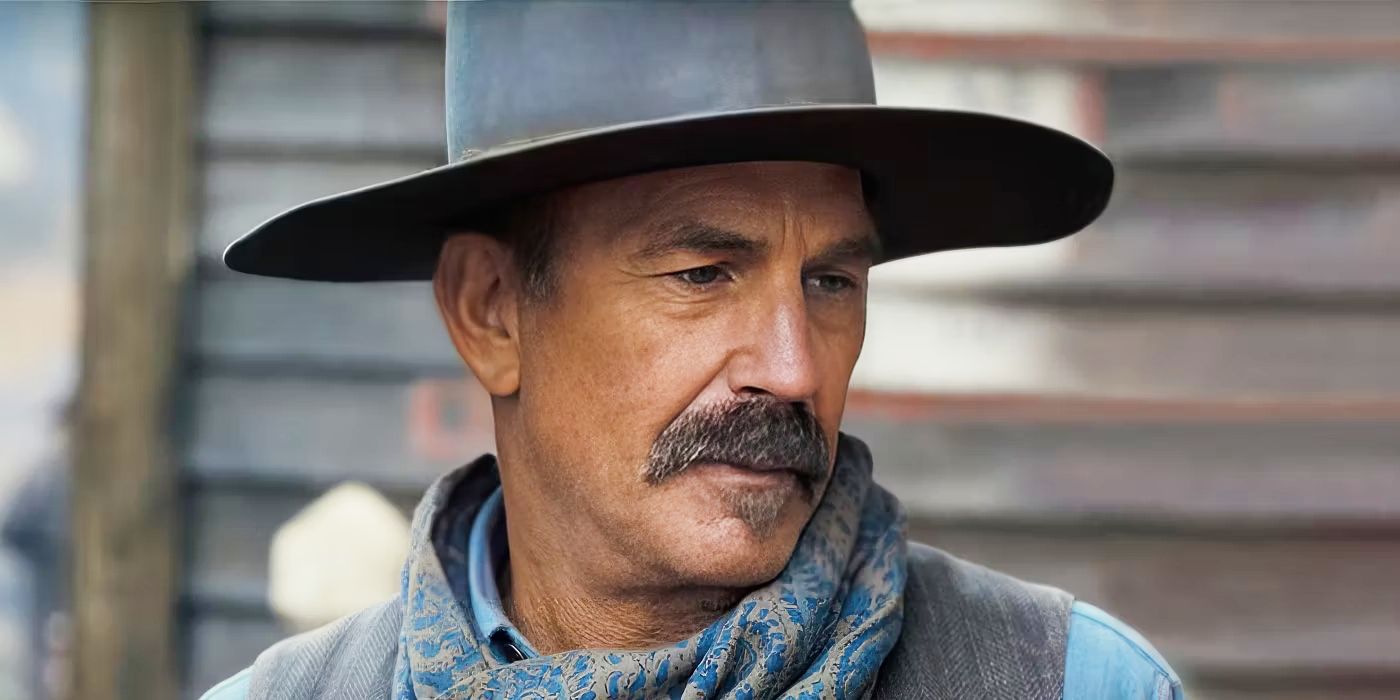
Kevin Costner’s Horizon: An American Saga began as a deeply personal project, entirely self-funded by the actor. Currently, audiences have only seen the first installment of what’s planned to be a four-part series. The film centers around the founding of a fictional Texas town called Horizon and follows the stories of many different characters, making it one of the most sprawling and ambitious films of recent years. Costner stars as a horse trader who becomes a reluctant hero when he defends a woman from outlaws, leading him on a dangerous journey across the Wild West.
Costner’s film feels like a blend of classic Westerns such as The Stalking Moon, Shane, The Searchers, and Into the West, and it’s clearly made for fans of the genre. The story is told through different viewpoints of life on the frontier, including the experiences of immigrants, the reactions of Native Americans, and the activities of outlaws and horse traders. While the first film is often overlooked – largely because it focuses on building the foundation for a larger narrative – it’s still worth watching.
The Revenant Explores All the Ways the West Can Kill
This film tells the true story of Hugh Glass, a frontiersman who is brutally attacked by a bear and left for dead. After witnessing the death of his adopted son, the severely injured Glass fights for survival and sets out on a relentless quest for revenge across the harsh Dakota wilderness. It’s a gripping portrayal of his incredible journey and the brutal realities of frontier life before the land was settled.
The Revenant vividly portrays the many dangers faced by those who lived on the American frontier – from brutal animal attacks and freezing temperatures to conflicts with both settlers and Native American tribes. The film’s focus on Hugh Glass’s personal experience creates a powerfully epic feel, truly immersing the viewer in the hardship of his journey. Widely considered one of the most beautifully filmed movies of the 2010s, it masterfully balances the vastness of the wild landscape with the intimate story of a man driven by revenge.
Bury My Heart at Wounded Knee Makes the Indigenous Story Central to the West
The film Bury My Heart at Wounded Knee offers a look at the history of the American West from the Native American point of view. It tells this story through the lives of several important figures from the late 1800s: Red Cloud, a chief who chose to negotiate peace with settlers; Sitting Bull, who fought to resist them; Senator Henry Dawes, who attempted to find a balance between American expansion and fair treatment of Native Americans; and Charles Eastman, a man of Sioux and American heritage who represented the idea of cultural integration.
When Bury My Heart at Wounded Knee came out, it deeply moved viewers, largely because of its strong sense of right and wrong. Importantly, the film doesn’t talk down to the audience; it presents a balanced view, showing the positive and negative aspects of all involved. It tells the story of the final years of independent Native American tribes, their forced integration into American society, and the political issues of the time.
Django Unchained Broke Box Office Records
Quentin Tarantino, known for his work in crime and action films, put his spin on Westerns with Django Unchained. The movie is a tribute to classic Spaghetti Westerns and tells the story of Django, a former slave who partners with bounty hunter King Schultz. Together, they travel across the country, battling the KKK and slave owners while on a mission to free Django’s wife, Broomhilda, from a brutal Southern plantation.
Despite its darkly comedic moments, this film remains a truly exceptional depiction of the American frontier. While packed with action, it’s visually stunning thanks to constantly shifting locations, ranging from snowy peaks to Mississippi cotton fields. Clearly inspired by the work of directors like Sergio Leone and Sergio Corbucci, Tarantino crafts each scene with a painterly intensity, and its record-breaking success is well-deserved.
There Will Be Blood Is Paul Thomas Anderson’s Greatest Film
There Will Be Blood tells the story of Daniel Plainview, an ambitious oilman who becomes wealthy by drilling in the desert town of Little Boston. As he gains more power and money, his darker traits take over, and he becomes increasingly isolated and distrustful of people. The film explores Plainview’s character while also offering a commentary on the powerful oil industry and its leaders, both past and present.
The movie centers around Daniel, who is blocked from claiming his wealth by Eli Sunday, a corrupt preacher who manipulates the town through religion. Beyond the simple plot, the film explores the struggle for power and control – a theme that still resonates with audiences today.
Inspired by Upton Sinclair’s novel Oil!, the film There Will Be Blood portrays the moral downfall of Plainview as a commentary on the ruthless nature of big business. Spanning thirty years, the film elevates even basic shots into breathtaking views of the American West. What sets it apart from other epic Westerns is its ability to stay centered on the intense rivalry between Eli and Daniel, even with a growing cast of characters.
Tombstone Embraces the Mythology of Wyatt Earp
The famous conflict between Wyatt Earp, Doc Holliday, and the Cochise Cowboys has been depicted in many stories, but the film Tombstone does it best. The movie centers on Wyatt Earp’s life in the rapidly growing Arizona town, leading up to his showdown with the Cowboys. What sets Tombstone apart is its deliberate pace; it doesn’t rush into the gunfights, instead taking time to build a strong sense of the town and the colorful characters who lived there. Ultimately, it’s a thoroughly enjoyable and engaging story.
The film Tombstone celebrates the classic Western lawman, portraying Wyatt Earp as the ultimate symbol of frontier justice, and it does so incredibly well. Beyond the compelling characters and conflicts, the movie tells the story of the gunfighter’s life – his romances, his relationship with his brothers, and his lasting impact on Westerns. While starting as a historical drama, it ultimately transforms into a thrilling revenge story, fully immersing viewers in the action.
The Good, the Bad, the Weird Is A Fun Translation of Sergio Leone
Sergio Leone reached the peak of his career in 1966 with The Good, the Bad and the Ugly, an exciting adventure set during the Civil War. In 2006, director Kim Jee-woon paid tribute to Leone with The Good, the Bad, the Weird, a Korean film inspired by the original and set during World War II. Instead of American cowboys, this movie featured modern-day criminals and bounty hunters, and it delivered on its title, offering a uniquely quirky take on Leone’s classic.
The Good, the Bad, the Weird takes the classic Western story and sets it in the rarely-seen landscape of Manchuria. The backdrop of war makes the characters’ journey across the desert feel incredibly dangerous and exciting. It’s a fantastic example of a film that successfully adapts a genre, and once the action starts, it doesn’t let up.
Heaven’s Gate Was Ahead of Its Time
The film Heaven’s Gate centers on Marshal Jim Averill’s arrival in Casper, Wyoming, a town caught in a bitter conflict between newcomers and established cattle ranchers. When ranchers suspect the settlers of stealing their cattle, they plot a violent crackdown, and Averill attempts to stop it. Facing hostility, the principled marshal enlists allies to fight back and protect the settlers.
Though it wasn’t a success when it came out in 1980, Heaven’s Gate is still considered a remarkably ambitious Western film. In a genre often hungry for innovation, Michael Cimino’s movie stands out as a grand, sweeping epic – one that focuses more on broad themes and the struggles of early American immigrants than on everyday life in the West.
Dances With Wolves Saved the Epic Western
Following his earlier work, Kevin Costner directed his most ambitious film yet: Dances With Wolves. Based on Michael Blake’s novel, the movie tells the story of John J. Dunbar, a Civil War army captain who earns the right to choose his next assignment as a reward for bravery. He requests a posting at the isolated Fort Sedgwick, near a Sioux tribe, and gradually begins to connect with them during his time there.
After the failure of Heaven’s Gate, Dances With Wolves proved that big, sweeping Westerns could still succeed, becoming a huge box office hit. The film is a beautiful tribute to the American West as it once was, immersing viewers in the world before it was settled. It revitalized the genre and became the model for later films exploring cultural conflicts, such as The Last Samurai and Avatar.
Found an error? Send it so it can be corrected.
Read More
- Star Trek: Starfleet Academy Review – The Kids Are Just Okay in Gaia Violo’s School-Set Comedy-Drama
- The Boys Series Finale Officially Arrives Early (With a Twist)
- Scrubs Revival Season 2: Release Date, Story, & Everything We Know
- Mortal Kombat II Scores Fresh Rotten Tomatoes Score In Franhise First
- Top 5 Must-Watch Paramount+ Shows This Week: May 4–8, 2026
- Star Wars Needs Episode 10 More Than It Ever Needed Episode 7
- 27 Years Ago, Pokémon Snap Was a Non-Violent First-Person Shooter
- Alan Ritchson’s Action-Packed Revenge Movie Revealed In Motor City Trailer
- Dazed and Confused Remains the Best R-Rated Comedy Of All Time
- M. Night Shyamalan’s The Village Deserves a Second Chance
2026-05-12 23:45