Impressive fight scenes aren’t about flashy effects; they’re about how the movements reveal who the characters are and make the conflict feel real.
A truly great fight scene should show a character’s hard work, mental state, and what drives them, not just look impressive. While many action shows are known for their huge battles, the best fights usually depend on strategy, clear limitations, or precise timing, instead of simply getting more and more powerful.
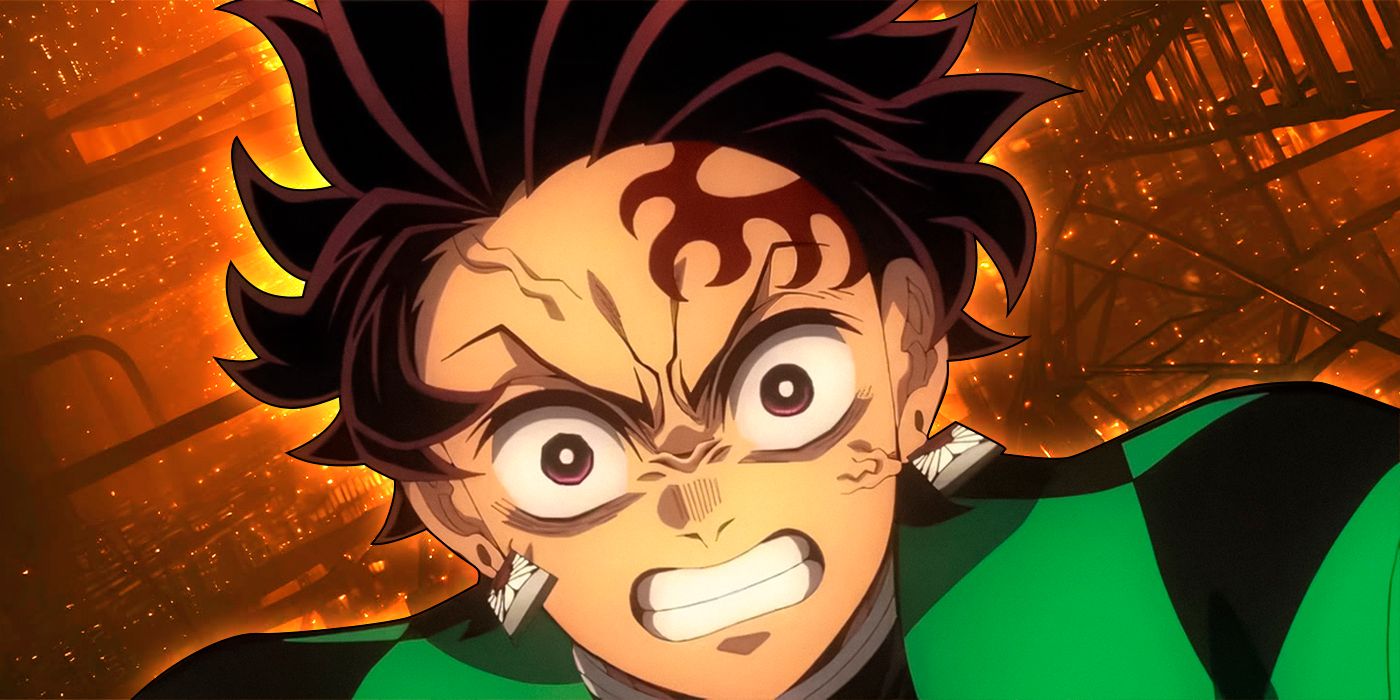
Demon Slayer Turns Breathing Techniques Into Elemental Warfare
Ufotable’s animation is incredibly smooth and flowing, almost like calligraphy, making each hit feel powerful and meaningful. This style is particularly effective during Rengoku’s fight with Akaza. The deliberate pacing emphasizes his decision to sacrifice himself, making the battle a key moment in his character’s development.
Nezuko’s demon powers actually depend on her ability to control herself, and the Entertainment District arc showed that the series cares about heartfelt moments just as much as big action scenes. Zenitsu’s unique breathing style is often played for laughs, but it becomes incredibly powerful – and heartbreaking – when he fights Kaigaku while unconscious, turning a long-running joke into a serious turning point.
I’m absolutely fascinated by how Muzan Kibutsuji’s fights are handled in Demon Slayer. They don’t rely on typical, predictable fight choreography at all! Instead, they’re all about this disturbing body horror, which really throws the Hashira for a loop and makes them think on their feet. It’s that contrast – the Hashira’s precise, practiced breathing styles against Muzan’s utterly chaotic, biological power – that creates this incredible tension. Honestly, it’s a level of suspense most action series just don’t even try to achieve.
Fate Stay Night Makes Swordsmanship A Philosophical Argument
The battle between Shirou Emiya and Archer within Unlimited Blade Works reveals they both summon the same weapons and share a similar, flawed understanding of what it means to be a hero. The landscape of summoned blades visually represents this connection, with Shirou magically recreating Archer’s weaponry as their fight unfolds.
The fight between Saber and Berserker highlights a clash between refined skill and overwhelming power. The moment when Saber unleashes Excalibur is treated with immense weight, as if it’s the culmination of the entire story. Gilgamesh’s ability to summon any weapon reveals that even masterful technique isn’t enough when facing someone who possesses the original versions of everything you can wield.
Mob Psycho 100 Channels Psychic Combat Through Bottled Rage
The fight between Mob and Toichiro shows Mob’s anger as a powerful, tangible force. Instead of a polished, choreographed battle, buildings and rubble are thrown around him, reflecting the raw energy of his abilities. Director Yuzuru Tachikawa intentionally uses rough, shaky animation during these intense moments, contrasting with the show’s typically smooth style to emphasize that Mob’s powers stem from his emotional breaking point.
Even though Reigen Arataka doesn’t have any psychic powers himself, his fights with Dimple and the Claw organization demonstrate that Mob Psycho 100 emphasizes determination and willpower more than just pure strength. Similarly, Teruki Hanazawa’s fight against Mob flips traditional battle tropes; Teruki’s power becomes less important compared to Mob’s decision not to harbor hatred for his enemy.
Hunter X Hunter Weaponizes Rules Through Nen Battle Design
In Hunter X Hunter, Gon Freecss’ battle with Genthru highlights how complex Nen can be. The system works like a puzzle, forcing fighters to figure out their opponent’s abilities before they can defend against them. Similarly, Hisoka Morow’s Bungee Gum keeps its true powers hidden through deception, making it irrelevant whether anyone understands that it combines the properties of rubber and gum.
The battle between Isaac Netero and Meruem pushes the idea of fighting with rules to its extreme, turning Netero’s last stand into an incredibly fast and strategic duel. Similarly, Kurapika’s Chain Jail relies on limiting his own power, and every win comes with a huge personal price, both physically and emotionally.
Meruem’s transformation from a ruthless hunter to someone who would deliberately lose to Komugi changes how we see the final battles of the Chimera Ant arc, focusing the conflict on understanding and connection rather than simply winning. The animation studio Madhouse emphasizes this shift by building tension through extended conversations, demonstrating that a fight scene can be impactful even without constant action.
Jujutsu Kaisen Turns Domain Expansion Into Inevitable Doom
In Jujutsu Kaisen, Domain Expansion is a powerful technique that dramatically changes battles. It doesn’t matter how skilled an opponent is – if someone creates a strong enough domain, they’re guaranteed to land an attack. The first time we see this in action is when Gojo uses Infinite Void, completely overwhelming Jogo and breaking his spirit.
The fight between Gojo and Toji Fushiguro demonstrated that sheer, adaptable strength can be incredibly effective, particularly against someone who relies on being unpredictable. Similarly, Yuji Itadori’s straightforward fighting style and battles with Mahito show how Jujutsu Kaisen uses close-quarters combat to balance out the more complex, strategic fights involving cursed techniques and domains.
Mahito’s ability to reshape souls creates a terrifying opponent for Yuji, who must battle someone who can change the very structure of the body during a fight. Meanwhile, Nobara Kugisaki’s unique straw doll technique adds a distinctly eerie and grounded feel to the Shibuya Incident, making her battles stand out from the more explosive, power-focused fights involving Gojo and Sukuna.
Fullmetal Alchemist Brotherhood Turns Alchemy Into Tactical Warfare
The magical circles used in combat aren’t just for show – they’re like on-the-fly battlefield construction. The animators meticulously draw each circle and hand movement, allowing viewers to clearly see how Edward transforms the ground into weapons during a fight. Scar’s alchemy, which breaks things down instead of building them up, is the complete opposite of Edward’s style. This difference makes their first fights a battle of creation versus destruction, going beyond a simple rivalry.
Alex Louis Armstrong brings a humorous, physical style to fights, and his team-up with Sig Curtis against Sloth perfectly showcases how Fullmetal Alchemist: Brotherhood handles power and conflict. The final showdown with Father in Central City throws all previous rules of combat out the window, making Edward, Alphonse, and the other alchemists face an enemy who is practically a god.
Attack On Titan Reinvents Aerial Combat With ODM Gear
Levi Ackerman’s fighting style uses his 3D Maneuver Gear to make buildings part of the battle, turning rooftops into fast-paced arenas. The animation studio WIT Studio expertly shows how Levi moves – you can feel the difference between a smooth, controlled swing and a frantic struggle thanks to their precise camera angles focusing on momentum and cable tension.
Mikasa Ackerman fights using practical, realistic movements, and her battle with Levi against the Female Titan shows that teamwork is more effective than just raw power when using ODM gear. When Eren Yeager becomes the Founding Titan and initiates the Rumbling, the focus changes from small-scale fights to massive destruction, turning combat into a global disaster rather than battles between squads.
Cowboy Bebop Grounds Gunfights In Jazz
As a huge fan of Cowboy Bebop, I’ve always been struck by how brilliantly the action sequences are done. Spike Spiegel’s fighting isn’t just flashy – it’s clearly inspired by Bruce Lee’s Jeet Kune Do, focusing on efficiency and adaptability. And director Shinichiro Watanabe doesn’t just animate fights, he choreographs them like jazz improvisations, letting the rhythm of Yoko Kanno’s incredible score flow through the action, not clash with it. Instead of rapid-fire attacks you often see in anime, Spike’s gunfights are deliberate and precise – single shots at just the right moment. It’s this careful pacing that gives everything a really cool, classic noir vibe.
The final fight between Spike and Vicious, taking place within the Red Dragon Syndicate’s headquarters, largely eliminates music and conversation to build tension through silence. Vicious’ precise swordsmanship clashes with Spike’s quick, unconventional use of a gun, highlighting the difference between rigid training and natural improvisation.
Samurai Champloo Fuses Breakdance Rhythm Into Sword Fighting
I’m completely fascinated by the fighting styles in Samurai Champloo! Mugen’s moves are just incredible – it’s like watching breakdancing with swords! He’s all about off-balance spins and getting down on the floor, making every fight feel spontaneous, even though it’s clearly skilled. Then you have Jin, who’s a master of the Muso Jikiden Eishin-ryu style. The way their techniques clash – Jin’s formal training against Mugen’s raw, unpredictable energy – isn’t just a rivalry, it defines the show. It’s all about how old traditions meet a fresh, modern approach to samurai combat.
Early on in the series, Mugen demonstrates he’s willing to win at any cost, using underhanded tactics like biting and headbutting – things a traditionally trained samurai like Jin would never do. The highly anticipated duel between Mugen and Jin culminates in both of their swords breaking, leaving the outcome unresolved and demonstrating that neither fighter’s style is definitively better than the other.
Hajime No Ippo Makes Every Punch Carry Real Consequence
The boxing matches in Ippo Makunouchi are remarkably realistic, accurately portraying techniques like jabs, hooks, and dempsey rolls with proper form, avoiding the over-the-top physics often seen in action anime. The animation by Madhouse effectively shows fighters becoming fatigued as each round progresses.
Ippo’s battle against Sendo Takeshi centers on physical endurance, with Sendo needing to figure out how to counter Ippo’s Dempsey Roll during the fight, rather than it being a quick knockout blow. While Takamura Mamoru wins with his natural strength, he also guides Ippo in developing his fighting strategy.
The boxing match between Ippo and Date Eiji is made more compelling by exploring Date’s age, a previous defeat, and his commitment to his wife as he nears retirement. Instead of just focusing on flashy fighting, Hajime no Ippo uses these matches to develop its characters, making the story truly memorable.
2026-07-24 06:10