
Movies possess a unique ability to transport us to different times and places – like the battlefields of Normandy, the jungles of Vietnam, or the war-torn streets of Sarajevo – and allow us to experience the emotions of events we never personally witnessed. This is incredibly powerful, and no film genre excels at it quite like war movies.
Throughout history, war has always been a part of the human experience. Each generation has either fought in a war, grieved its losses, or lived with its consequences. That’s why we continue to be drawn to war stories in movies and television. These stories aren’t about celebrating violence; they’re about confronting it, trying to understand why it happens, and hoping to gain a new perspective.
Most people are familiar with a handful of famous war movies – films like Apocalypse Now, Saving Private Ryan, Full Metal Jacket, Schindler’s List, and Dunkirk. These movies are classics for a reason. However, the world of war films is much broader, and many other excellent, powerful, and often forgotten movies deserve attention.
‘Joyeux Noël’ (2006)

It’s Christmas 1914, and soldiers from Germany, France, and Scotland are stuck in the brutal trenches of World War I, constantly fighting and battling the freezing cold. Then, on Christmas Eve, a remarkable thing happens: someone sets up a Christmas tree, and someone else begins to sing. Soon, enemies are unexpectedly sharing gifts, showing each other family photos, and even playing a friendly game of football in the dangerous space between the trenches.
Directed by Christian Carion, Joyeux Noël tells the true story of the Christmas Truce of 1914 – a remarkable and often overlooked event in World War I. The film portrays this moment with sensitivity and respect. Instead of hindering understanding, its use of three languages adds to the film’s authenticity. Importantly, it doesn’t shy away from the harsh realities of war, acknowledging the truce was brief and those who took part faced repercussions. Many consider it a deeply moving and compassionate portrayal of war.
‘Father of a Soldier’ (1964)
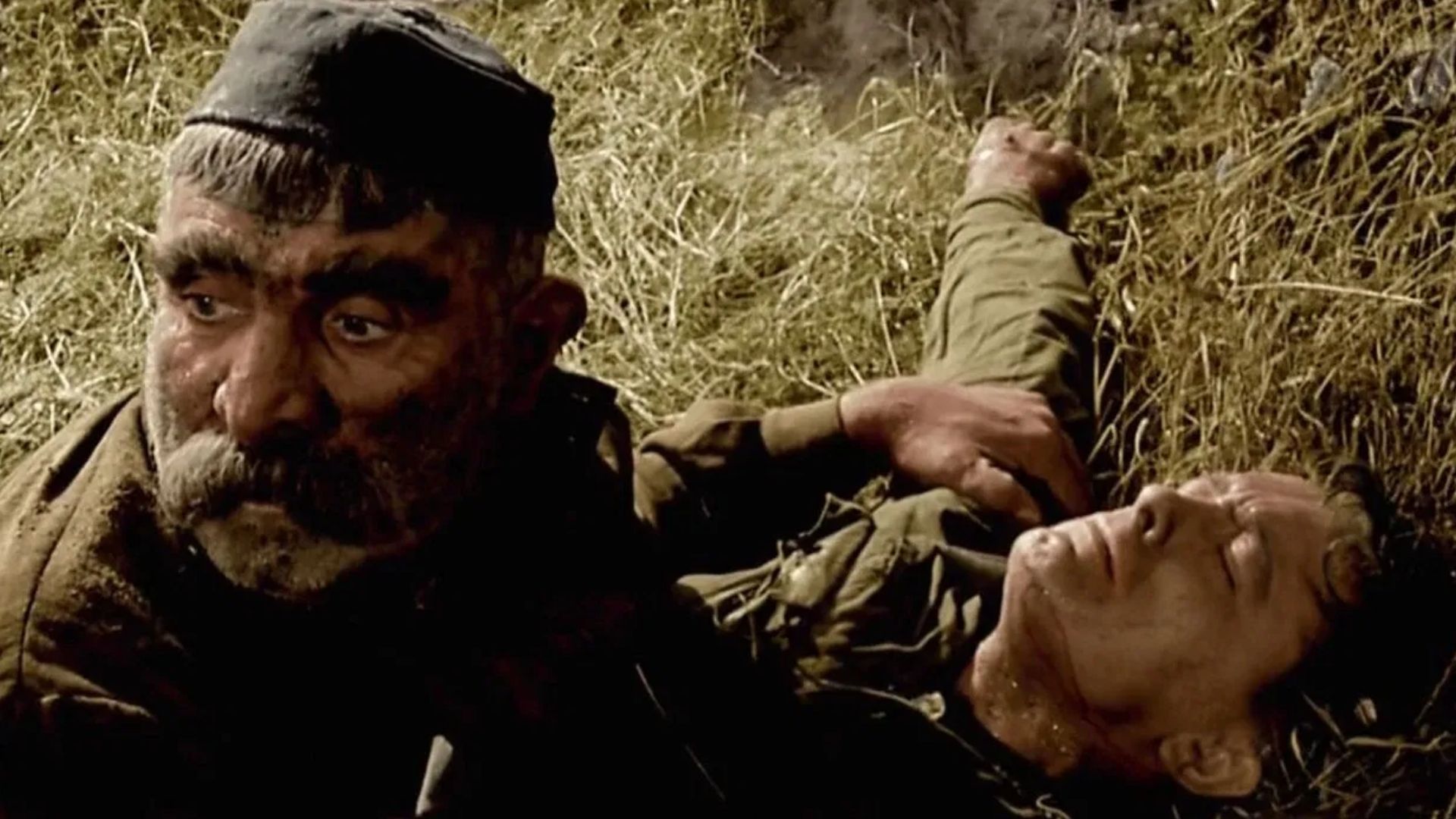
Rezo Chkheidze’s 1964 film, Father of a Soldier, is a powerful and emotionally draining story that’s surprisingly overlooked today. It centers on Giorgi Makharashvili, a quiet, elderly German farmer who journeys to the battlefront during World War II after discovering his son has been injured.
The film is fundamentally about a father’s desperate search for his son, but it evolves into a much broader and more heartbreaking story. Giorgi’s journey leads him alongside Soviet soldiers all the way to Berlin, giving him a firsthand view of the horrors of war. A particularly powerful scene shows Giorgi desperately trying to protect a German vineyard from advancing troops, weeping as it’s destroyed. This moment beautifully captures the film’s understanding of grief, love, and the true cost of conflict.
‘To Live’ (1994)
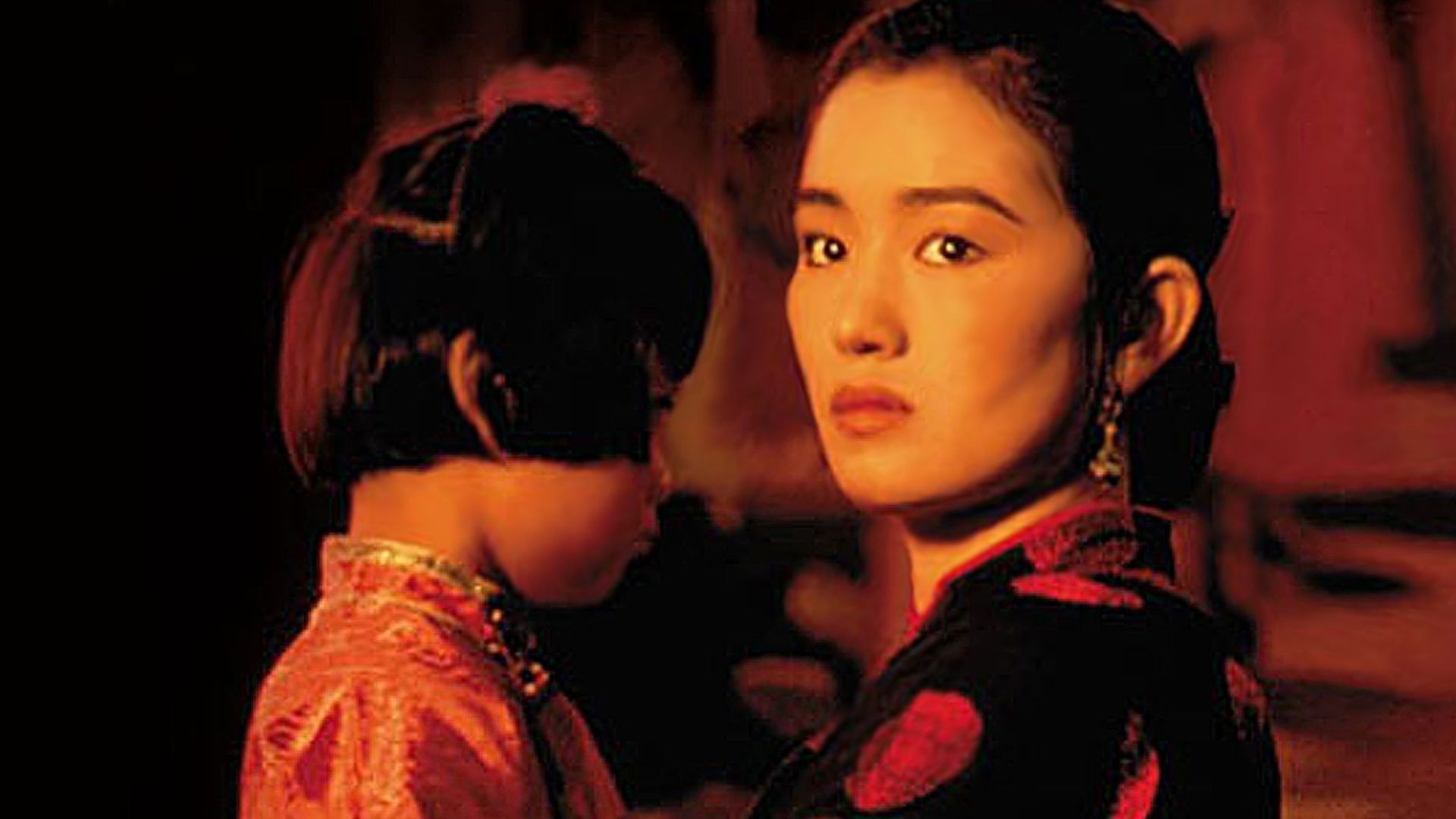
Zhang Yimou’s To Live is a must-see for film lovers. Adapted from Yu Hua’s novel, the movie tells the story of Fugui and Jiazhen, a Chinese couple whose lives are repeatedly disrupted by major events in their country’s history, including the Civil War, the Communist Revolution, and the Great Leap Forward. While it doesn’t feature typical war scenes, the film powerfully shows how war and political turmoil affect every aspect of Fugui and Jiazhen’s attempts to create a stable life.
To Live is a deeply moving and tragic war film. Director Yimou uses a warm and nostalgic visual style, which surprisingly makes the heartbreaking events even more impactful. The film initially feels like a simple family story, but is repeatedly disrupted by the harsh realities of history. Ge You’s performance was highly acclaimed, earning him Best Actor at the 1994 Cannes Film Festival. Ironically, the film faced censorship and was banned in China, severely limiting its availability despite its critical success.
‘Cross of Iron’ (1977)
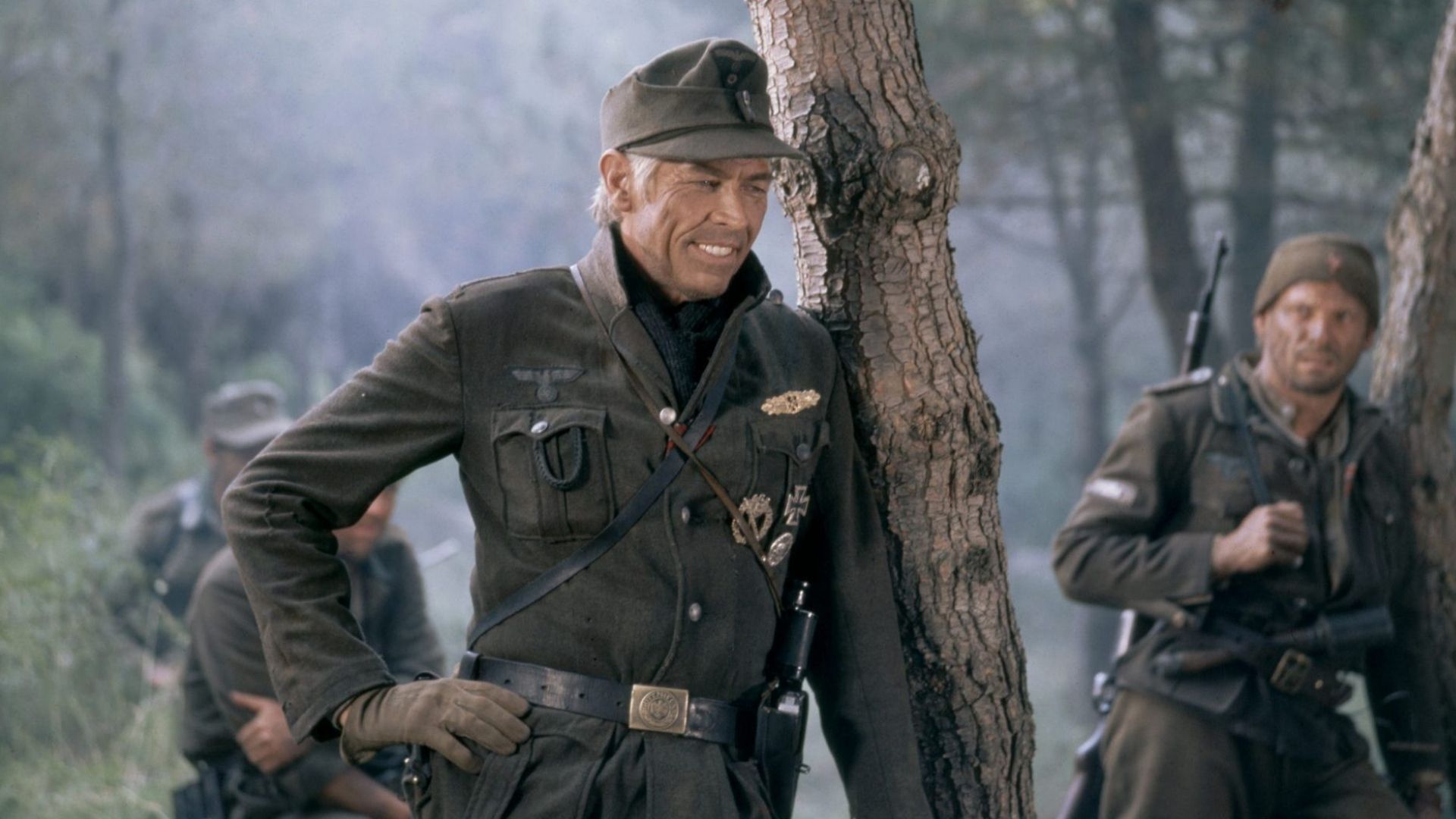
Sam Peckinpah, famous for directing the classic Western The Wild Bunch, also made a war film set in Germany. Cross of Iron, filmed with a limited budget primarily in Yugoslavia, centers on Corporal Steiner, a German sergeant who is both experienced and disillusioned. The story takes place on the Eastern Front in 1943, as the German army began a prolonged withdrawal.
This film explores the conflict between simply staying alive and maintaining one’s principles. Though incredibly gritty and realistic in its depiction of hardship, it doesn’t ask viewers to sympathize with the German side. Instead, it shows the devastating effects of war on a person, stripping away everything that defines them. Director Sam Peckinpah’s trademark violence is on full display, particularly in a powerful opening battle. The story centers around Captain Stransky, a proud Prussian nobleman obsessed with earning an Iron Cross, and the tension between his ego and the cynical outlook of Sergeant Steiner fuels the entire plot.
‘The Fifth Seal’ (1976)
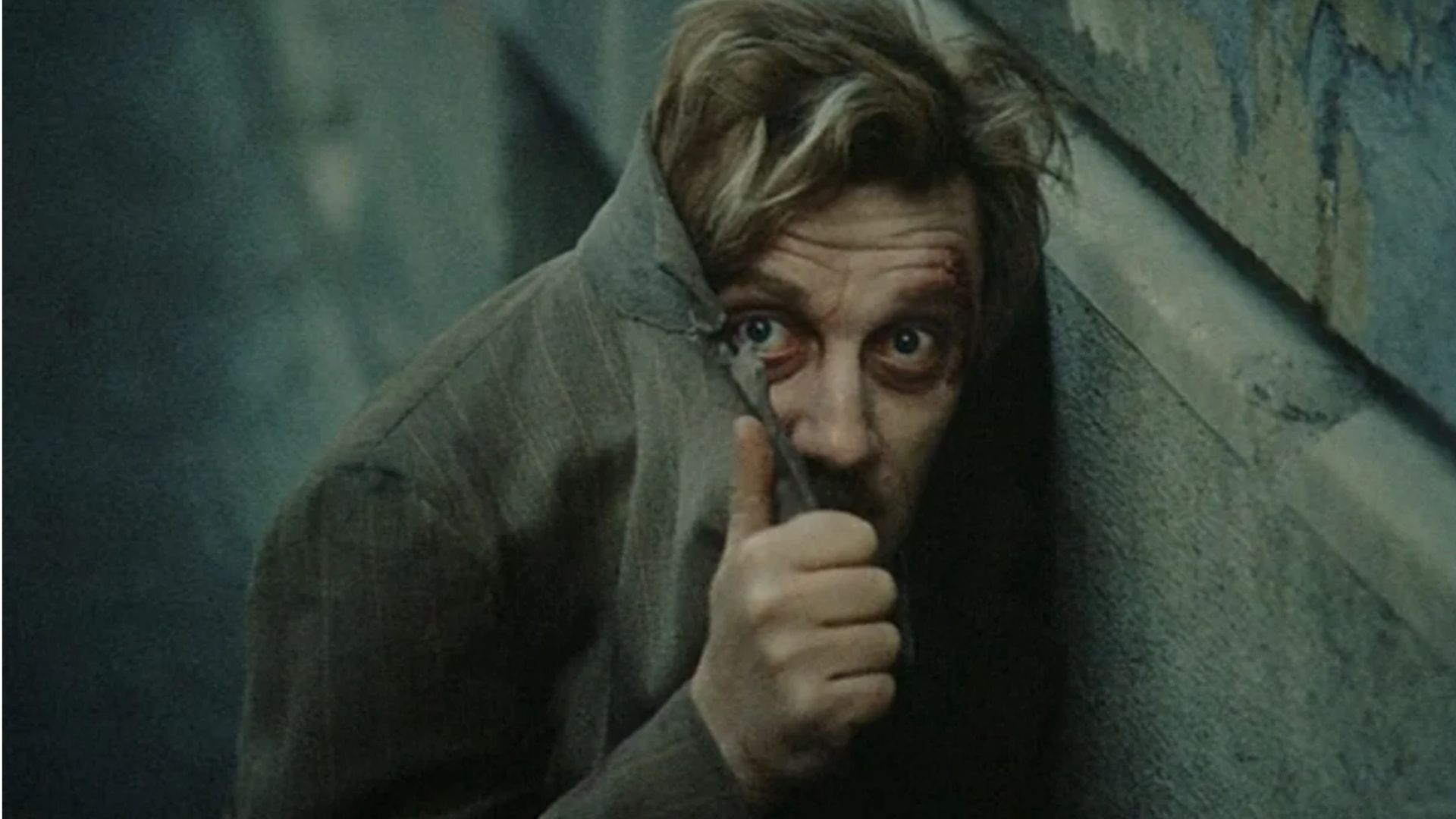
The Fifth Seal is a rare war film that explores deeper philosophical ideas. Directed by Zoltán Fábri, it powerfully depicts a tragic injustice of World War II. The film takes place in Budapest in 1944, during the last, brutal months of the war and the Nazi occupation of Hungary. It begins with four men in a bar, discussing a thought-provoking question: would you rather live happily as a slave, or suffer as a free person?
The film features captivating and lengthy discussions that fully draw you in. The tension escalates dramatically in the second half when the characters are arrested by the Arrow Cross, a Hungarian fascist group. It powerfully challenges each person to consider if their beliefs hold up when faced with real-world consequences. A unique blend of intimate character study and unsettling moral drama, it’s a truly memorable experience. It earned the Silver Bear at the 1977 Berlin International Film Festival and was Hungary’s entry for the Oscars, but surprisingly, it remains largely unknown.
‘Pretty Village, Pretty Flame’ (1996)
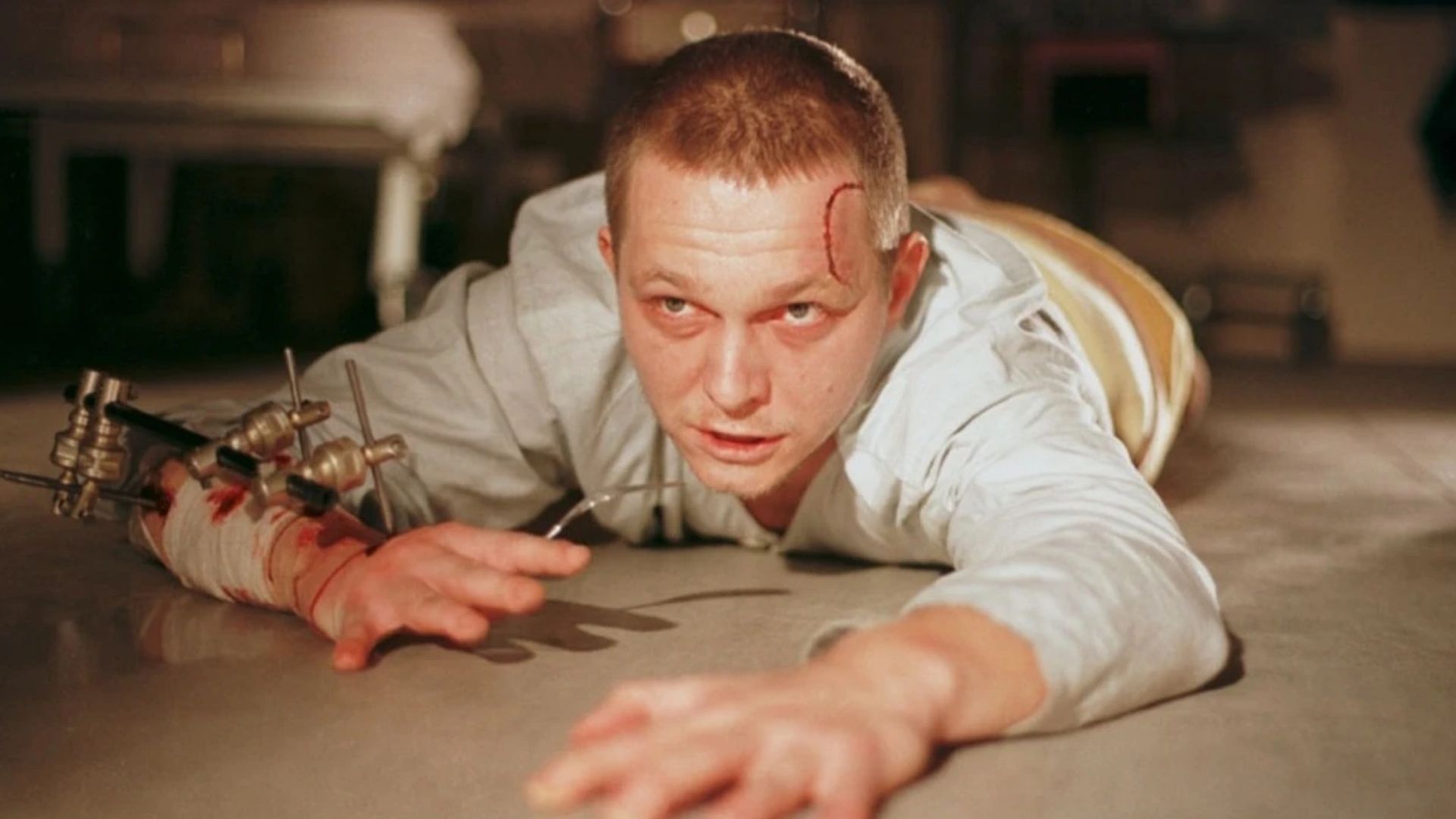
Pretty Village, Pretty Flame vividly portrays the senselessness of war. The film opens with the story of two childhood friends, one Serbian and one Bosnian, and how the Bosnian conflict tears them apart. It then jumps to 1992, showing the same two men fighting on opposing sides in a war where there are no clear heroes or victors. Milan and Halil, who once shared a close bond, now find themselves hunting each other.
The film pieces together the story through flashbacks, jumping between the intense present-day conflict, the men’s lives before the war, and the hospital where those who survive ultimately land. Despite the complex structure, the narrative flows smoothly. Director Srđan Dragojević simply presents everyday people overwhelmed by intense hatred, challenging the viewer to confront that discomfort. However, because the Balkan wars aren’t widely remembered in Western culture, the film hasn’t gained much popularity. It offers a unique perspective on the 1990s and is well worth watching.
‘A Hidden Life’ (2019)
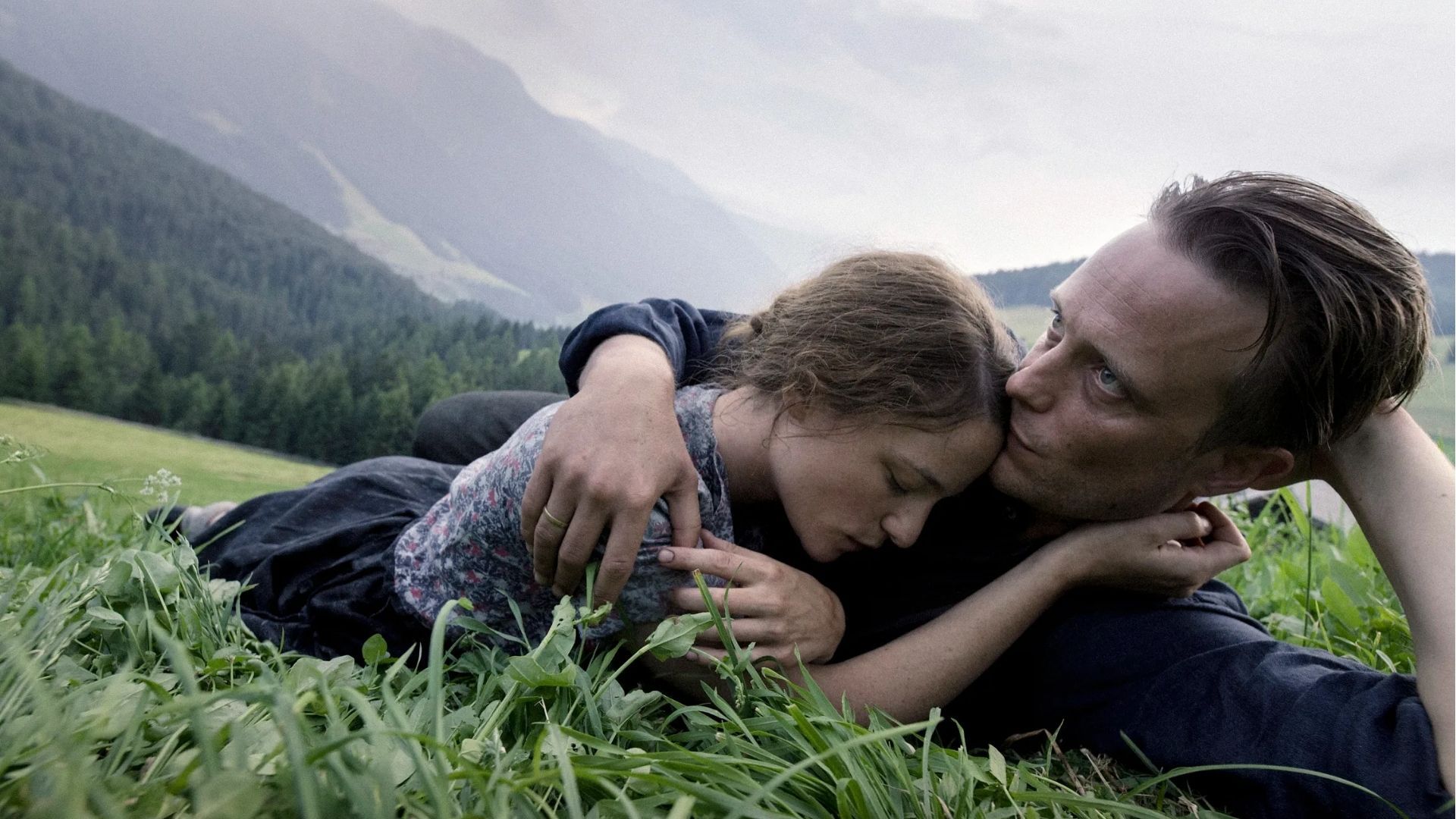
Terrence Malick’s film, A Hidden Life, is a recent and noteworthy addition to the collection of overlooked war movies. The three-hour film tells the story of Franz Jägerstätter, an Austrian farmer who quietly refused to pledge allegiance to Hitler when drafted into the German army. He didn’t make a grand statement or try to convince others, he simply refused.
August Diehl delivers a compelling performance as Franz, portraying a man with strong inner resolve. Valerie Pachner plays his wife, Fani, and their connection is shown through secret letters and scenes of life on a beautiful farm. The stunning Austrian Alps serve as a breathtaking backdrop, and the film cleverly contrasts this natural beauty with the harsh reality of Franz’s situation, adding depth to the story.
‘Tigerland’ (2000)
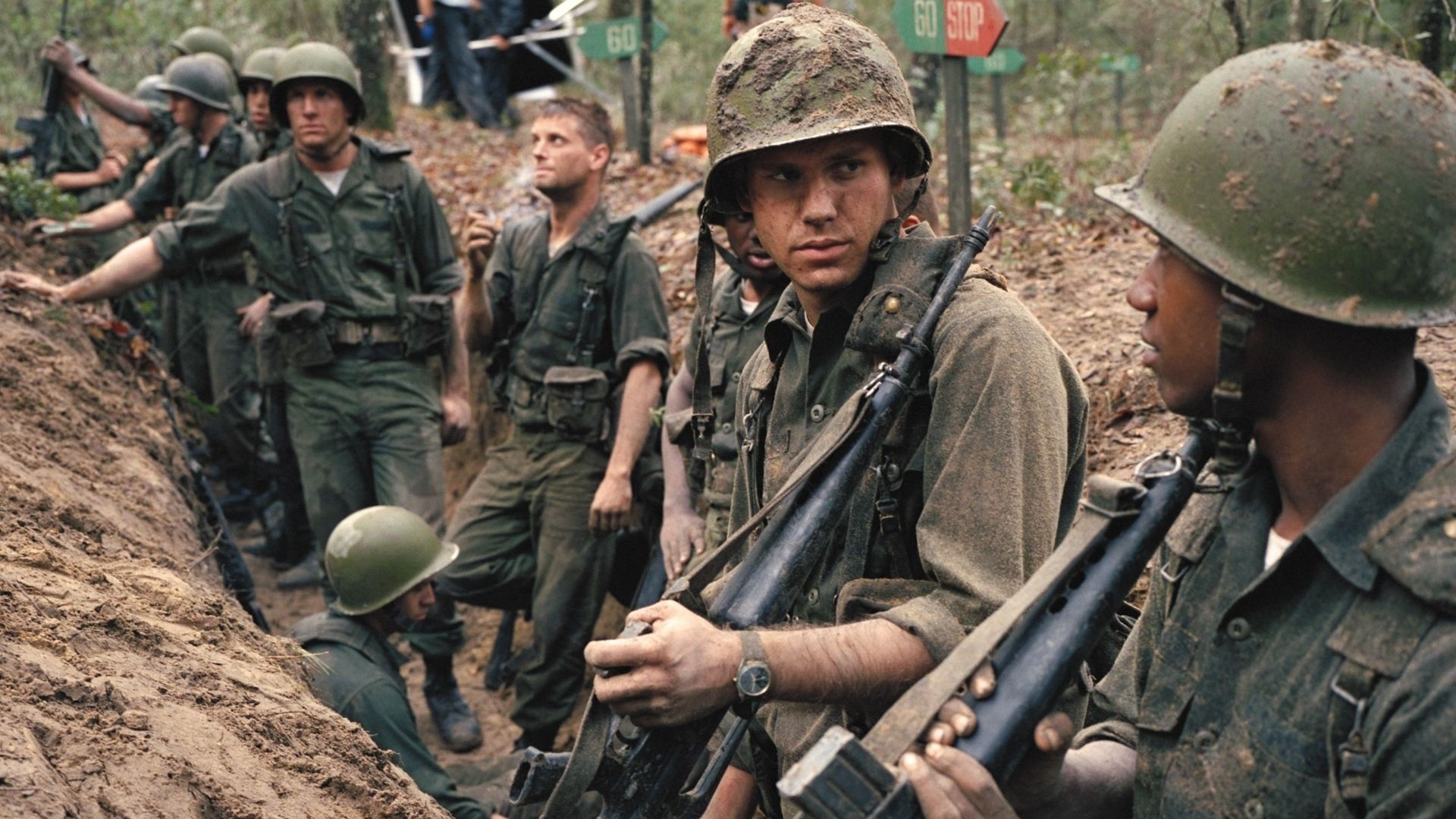
Before directing films like Phone Booth and The Phantom of the Opera, Joel Schumacher created a little-known, gritty Vietnam War movie called Tigerland. Shot on grainy 16mm film to resemble a documentary, the film takes place entirely in 1971 at a Louisiana training base. It centers on Roland Bozz, played by Colin Farrell, a Texas draftee who opposes the war but possesses a remarkable energy and presence in every scene.
Colin Farrell is captivating in this film. He portrays a character who is relaxed, humorous, and a bit unpredictable, but also reveals a surprising vulnerability when needed. Interestingly, the Vietnam War itself isn’t shown much. The director focuses on the experiences within the base, the training process, and the mental challenges of transforming ordinary people into soldiers. Ultimately, though, the film conveys the weight of the war more powerfully than many movies that rely on action-packed battle scenes.
‘A Midnight Clear’ (1992)
Set during World War II in a snowy forest, A Midnight Clear is a deeply personal war film. Ethan Hawke plays a soldier who, with his unit, unexpectedly encounters a group of equally exhausted German soldiers. They form a shaky truce, marked by both tension and humor, always shadowed by the possibility of conflict. The film expertly balances the harsh realities of war with surprising displays of human kindness.
Though critically acclaimed and well-acted, A Midnight Clear didn’t become a popular film. Its gentle, thoughtful style and absence of dramatic war scenes probably prevented it from reaching a wider audience. However, this subtlety is also a strength, portraying soldiers as vulnerable young men facing difficult situations. The film is unique – too humorous to be a complete tragedy, and too poignant to be a simple dark comedy – and perhaps it’s best remembered by those who appreciate its quiet beauty.
‘Ashes and Diamonds’ (1958)
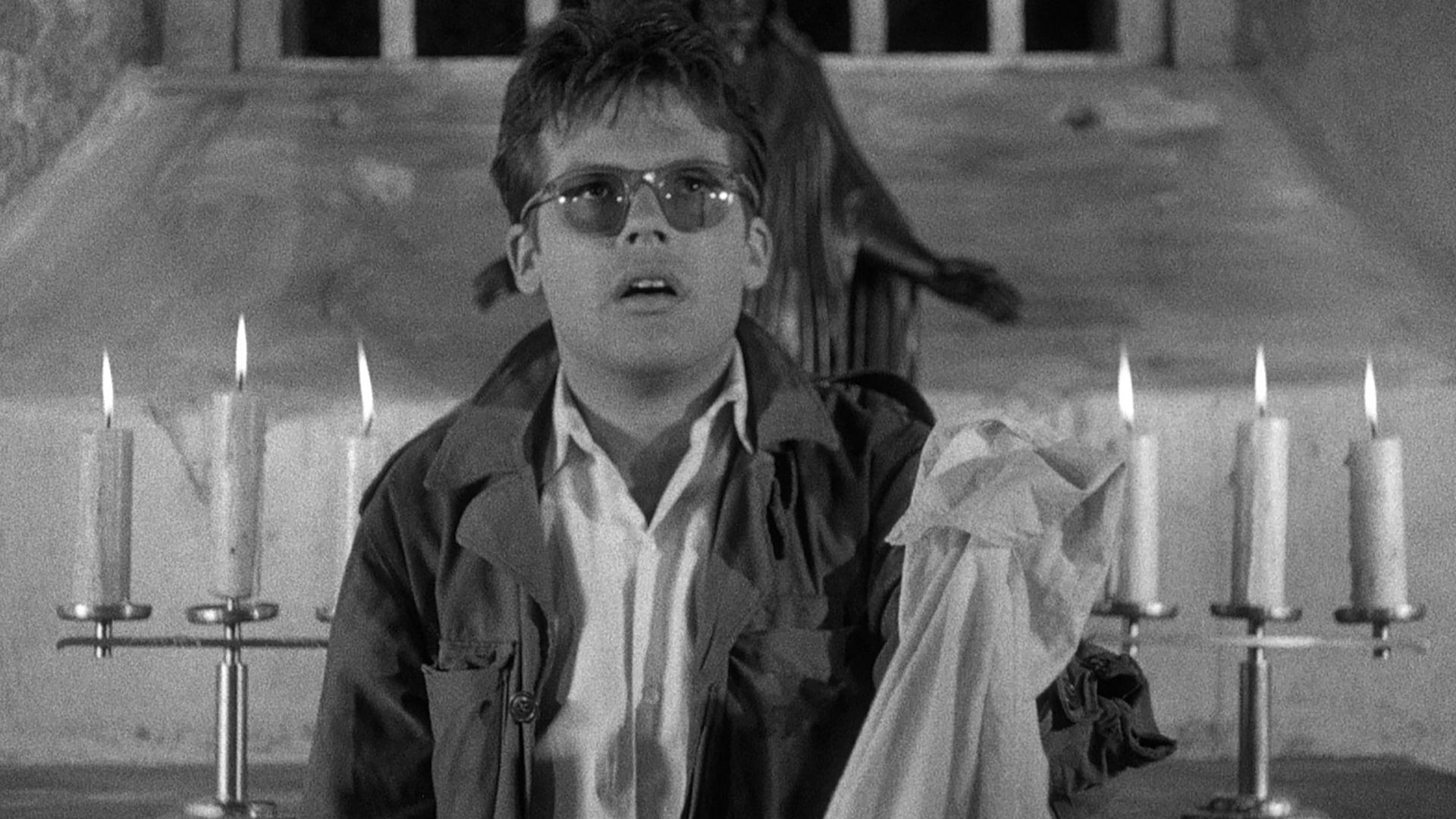
Directed by Andrzej Wajda, Ashes and Diamonds unfolds over a single day – May 8th, 1945 – with the end of World War II in Europe as its backdrop. The film follows Maciek Chełmicki, a young member of the Polish resistance, who is tasked with killing a communist official before the new government is established. Actor Zbigniew Cybulski, who played Maciek, became known as “the Polish James Dean” due to his cool, captivating performance. He portrays Maciek as someone who often wears sunglasses even indoors, moves with a deliberate calmness, and develops a short-lived romance with a woman working at a bar named Krystyna.
Wajda sets the entire film within the ruins of a hotel, symbolizing a new Poland imposed upon its people. A particularly striking scene shows Maciek using burning glasses of liquor as temporary memorials for soldiers who died – it’s a moment considered one of the most visually powerful in European film. While critics immediately praised Ashes and Diamonds, Polish cinema generally hasn’t received much attention in Western film circles, meaning it’s often overlooked.
Is there a forgotten war movie you’d like to add to the list? Comment below.
Read More
- ЭсЭфАй акции прогноз. Цена акций SFIN
- ДВМП акции прогноз. Цена акций FESH
- CBS Retcons NCIS’s 18-Year History By Breaking 1 Trend
- Mel Gibson’s $610M Epic Becomes Global Streaming Hit As 2027 Sequel Draws Closer
- HBO’s The Penguin: A Stellar Cast Powers This Gotham Crime Drama
- Мосэнерго акции прогноз. Цена акций MSNG
- Tom Holland Says Spider-Man: Brand New Day Has Undergone Reshoots
- Daredevil, The Boys & Invincible Fans Are All Saying the Same Thing
- Star Wars: Maul – Shadow Lord Pays Tribute to Jurassic Park
- Доллар обгонит бразильский реал? Эксперты раскрыли неожиданный сценарий
2026-04-13 21:41