
Racism against Black people is a problem in all sports, but it’s especially noticeable in hockey. With only an estimated 3–5% of National Hockey League players being Black, any instance of backlash against them is often highly visible. This issue is the focus of a 2022 documentary, Black Ice, and now a new movie that reimagines a 1986 film. This new film goes beyond the typical sports story, offering a powerful look at racism and challenging viewers to distinguish between the normal challenges of professional hockey and the harm caused by prejudice.
Davis’s film keenly observes the subtle ways racism manifests, and the script—a collaboration between Kyle Rideout, Seneca Aaron, Josh Epstein, and the late Charles Officer—cleverly avoids explicitly calling it out. The story follows eighteen-year-old hockey hopeful Dean Youngblood (Ashton James), and while it uses familiar underdog tropes, the film smartly updates the original by highlighting and criticizing a culture of unfair treatment. The film’s creation within a context of exclusion gives it a deeper meaning beyond typical sports movie clichés.
Youngblood Is Incisive Without Forgetting To Pack the Thrills
Dean Youngblood is the son of Blane and Ruby, both devoted hockey fans who have different approaches to coaching their two boys. Blane wants his sons to be strong and stand up for themselves, worried they might be seen as weak. Ruby, on the other hand, advises Dean to avoid conflict and concentrate on playing the game. She reminds him that success comes from skill, not fighting, and gives him a pin to help him remember that.
When his mother unexpectedly dies, Dean loses his gentle side and becomes a volatile young man constantly battling his temper. This anger isn’t without reason. During a minor league game, an opponent deliberately checked Dean and then mocked him with racist gestures as Dean got up. Dean retaliated by hitting the player with his stick, leading to a season-long suspension. While his response was severe, it’s easy to understand why he reacted so strongly to such offensive behavior.
Dean, having plenty of free time, is helping his brother, Kelly, and his father, who is struggling with alcohol, with their construction work. A return to professional hockey seems unlikely, but he gets a surprise tryout offer from the Hamilton Mustangs, a minor league team preparing for the playoffs. Despite Dean’s obvious talent – and the potential for him to become an NHL star – the coach, Murray Chadwick, is reluctant to let him play, citing a “difficult personal situation.”
The film Youngblood highlights a larger problem through subtle conversations, but avoids portraying its white characters as overtly racist. Instead, it shows how the same words can be interpreted differently depending on who is hearing them. The film repeatedly labels Youngblood as “undisciplined” and accuses him of wanting “special treatment.” These terms carry a racial undertone when applied to a Black athlete, who is often held to higher standards than his white counterparts.
I really appreciate how smart this movie is, but it’s clear Davis was working with some pretty basic story ideas to begin with, and could only do so much with them. Honestly, while the movie does a good job overall, the other players on Youngblood’s team don’t get much development – only Henri Picard, the top scorer, feels like a real character. And that romance between Youngblood and the coach’s daughter, Jesse? It felt so copied from the original 1986 movie, and just didn’t quite fit – it felt forced and like it wasn’t needed at all.
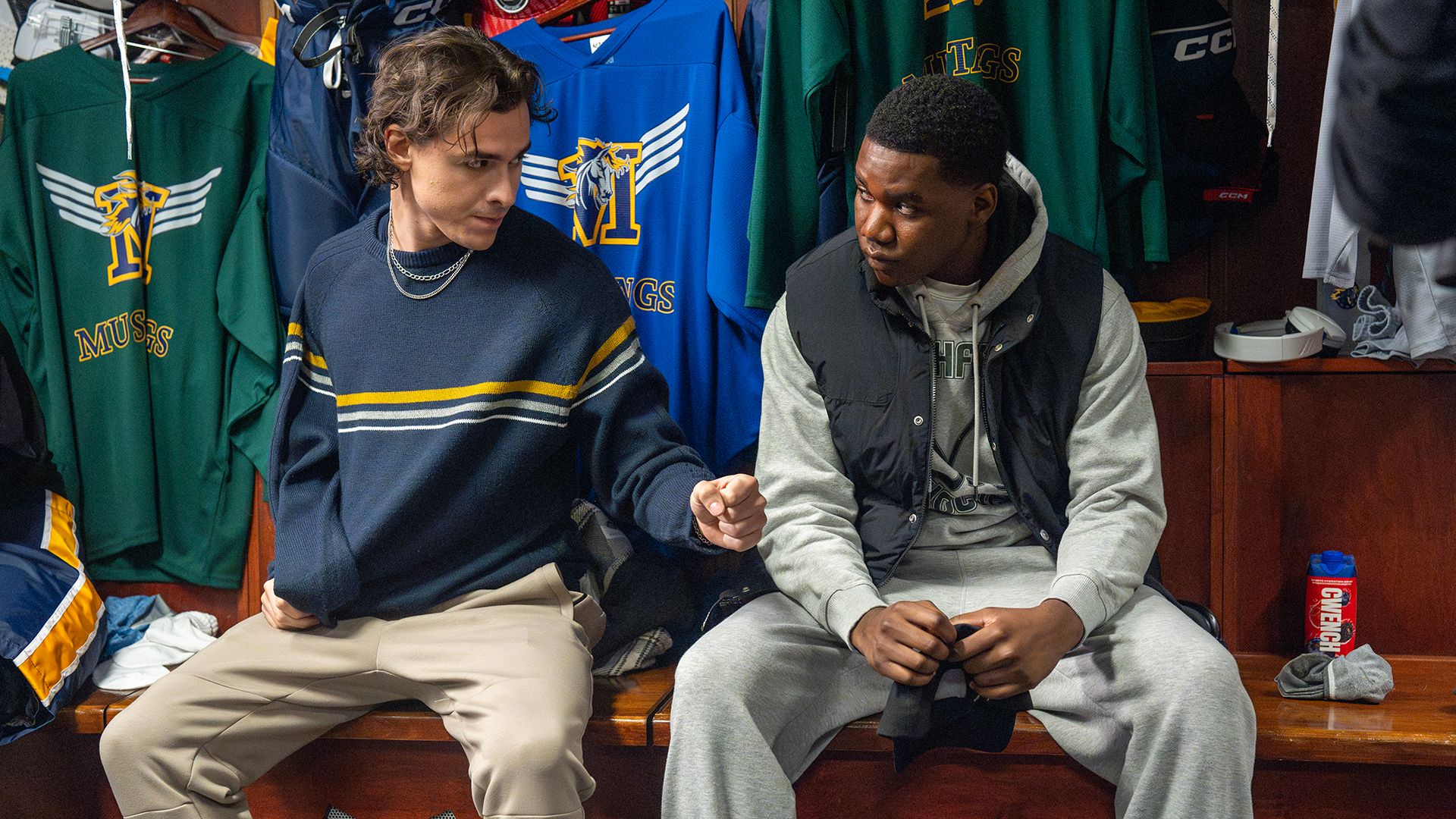
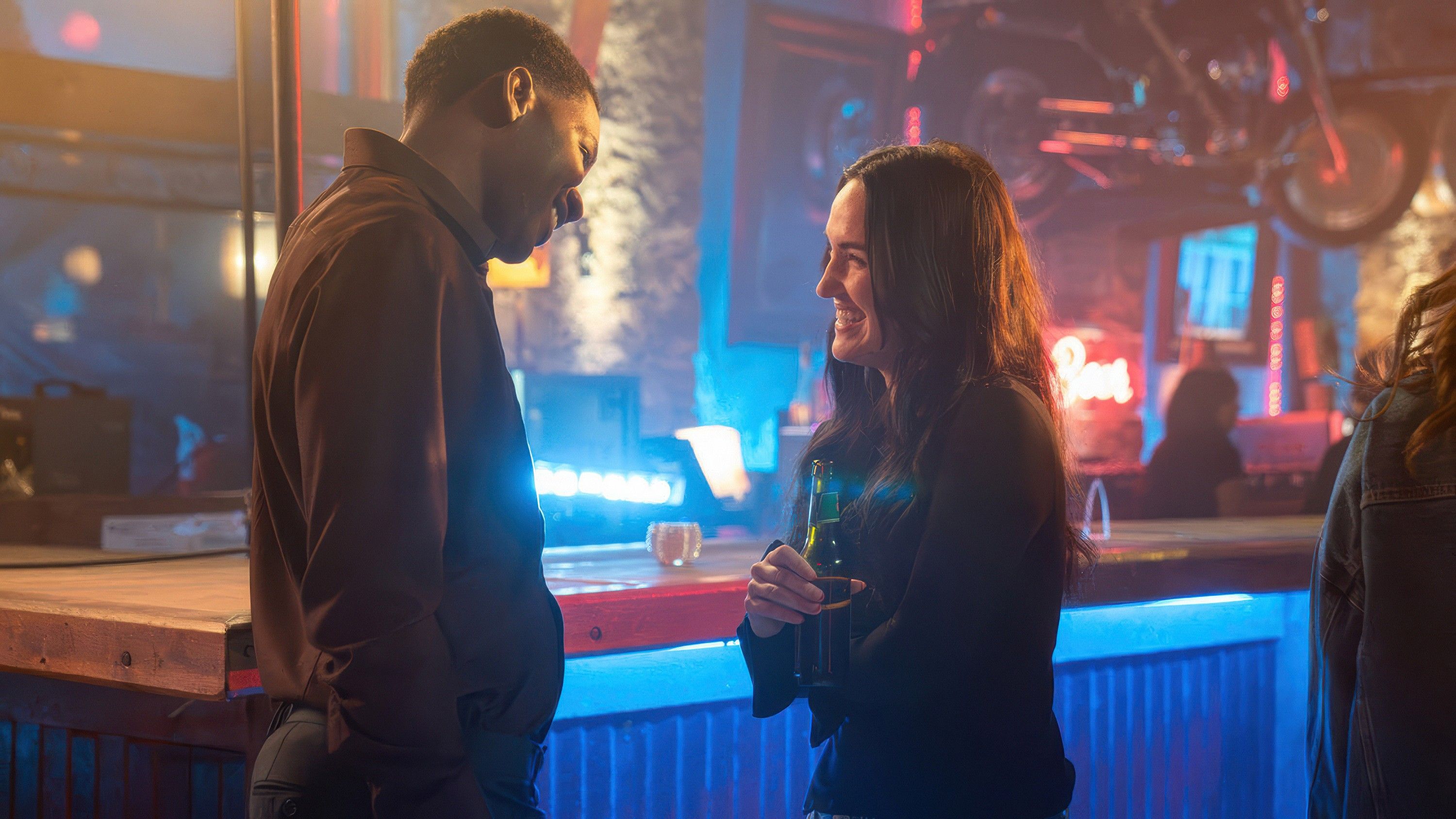
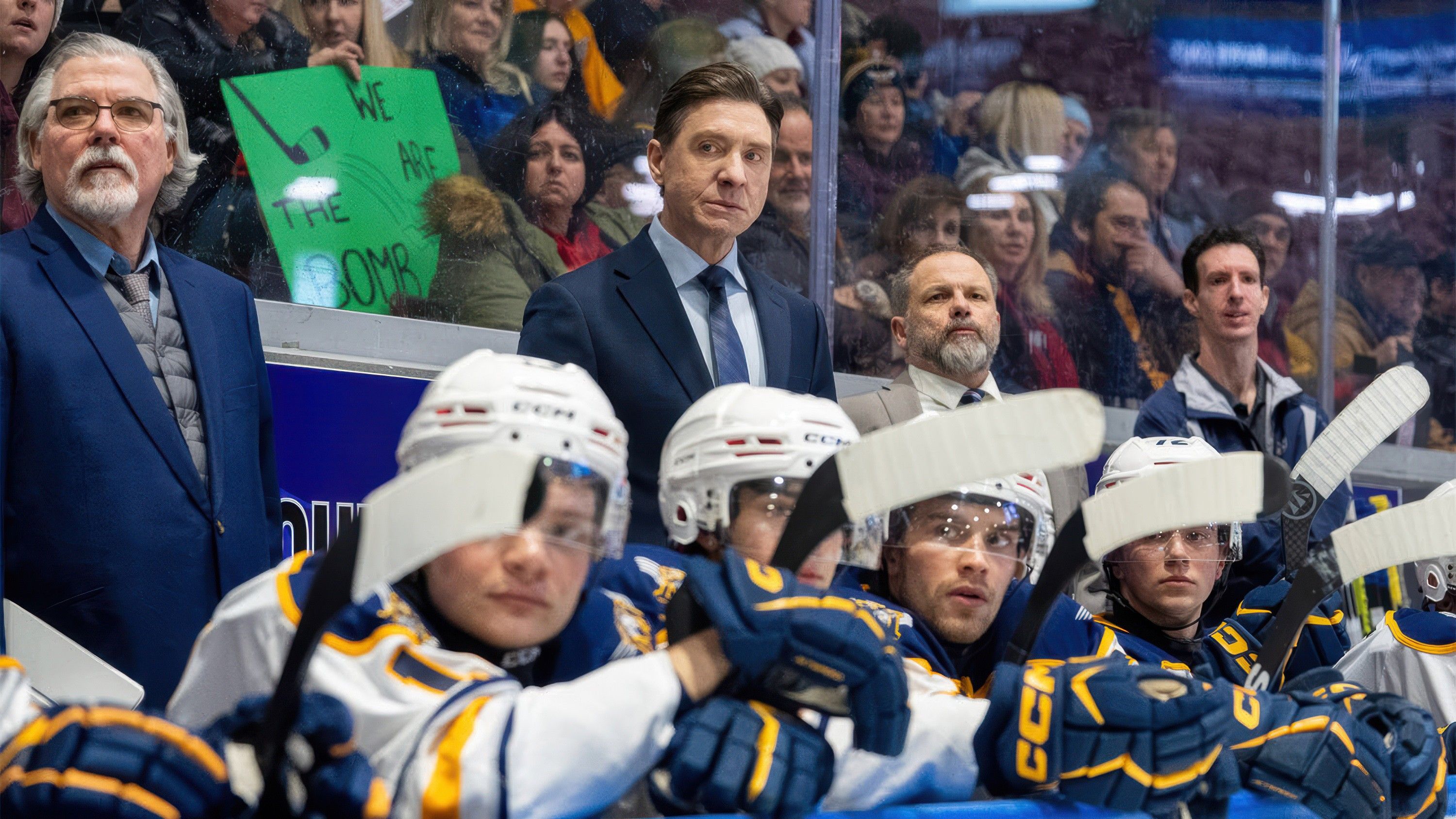
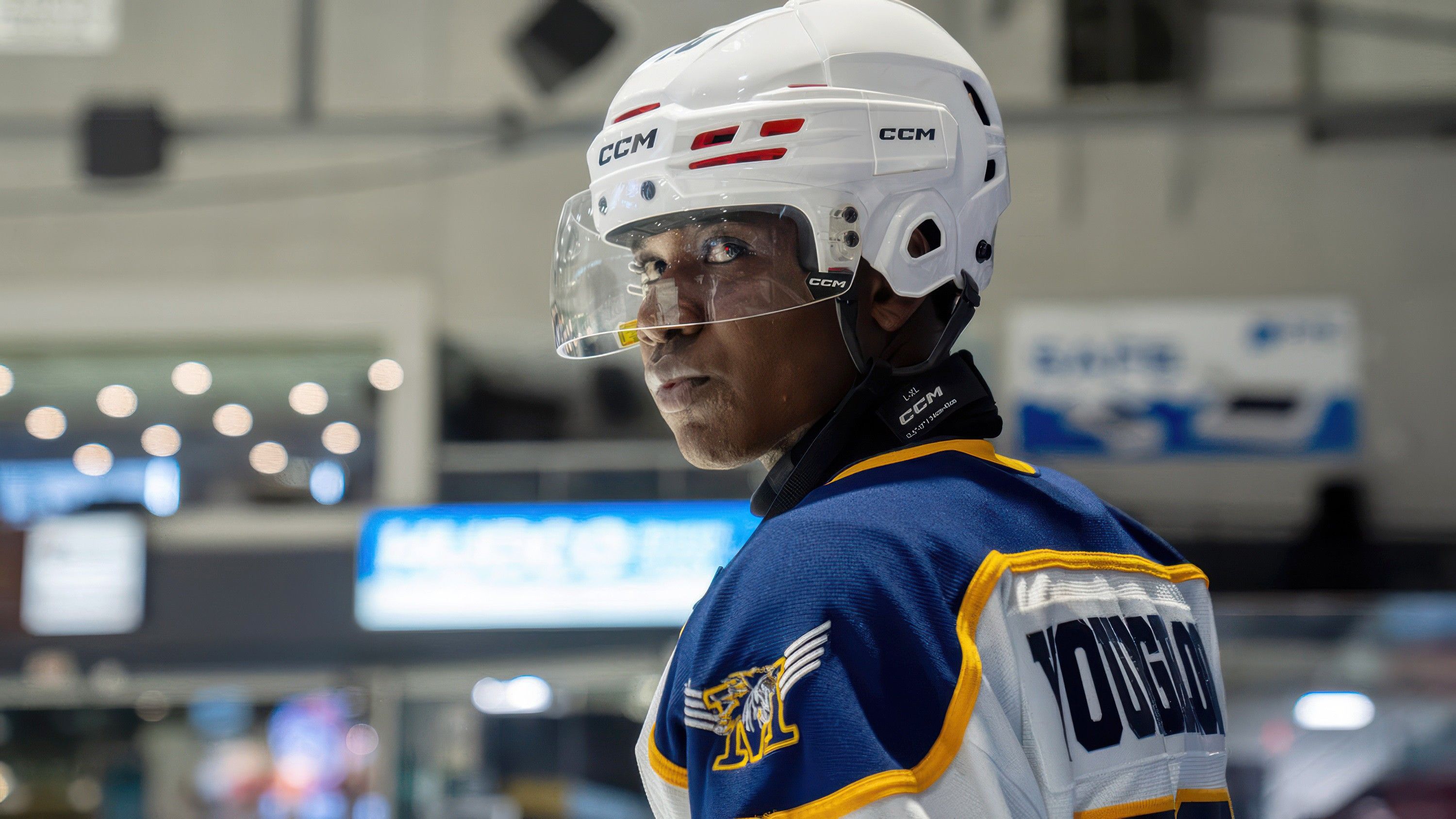
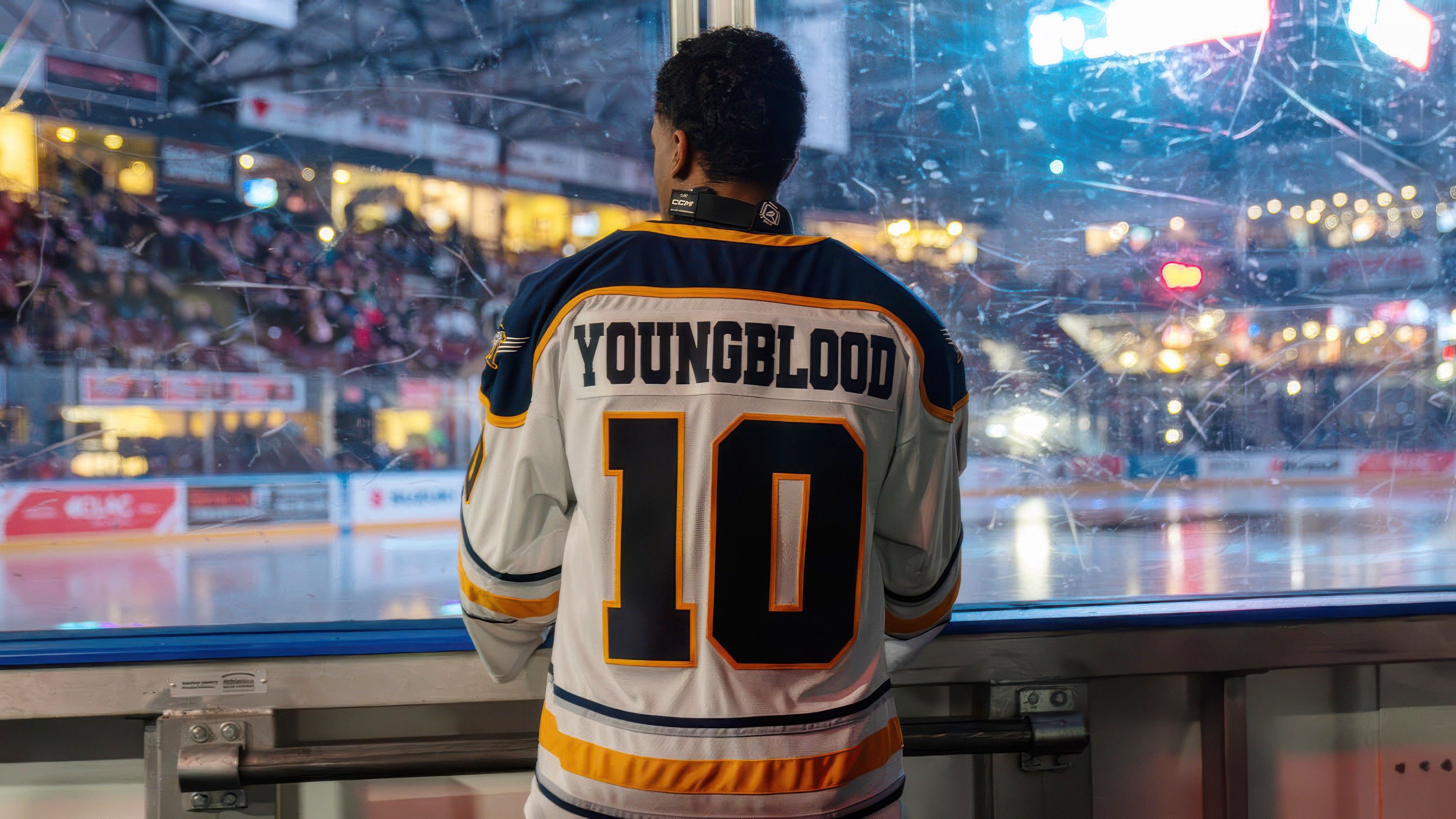
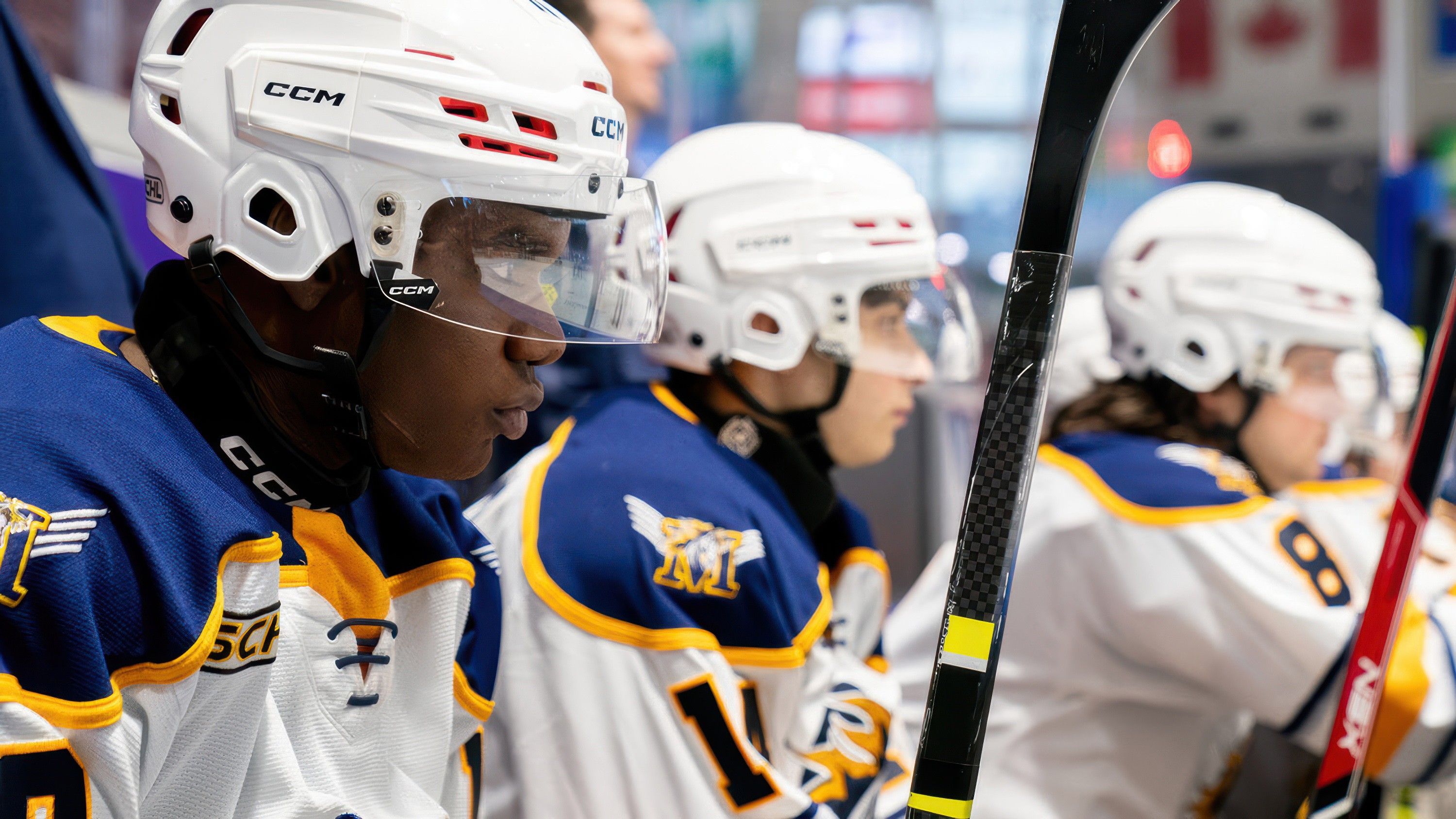
Although the film offers sharp insights, it could have explored the realities faced by players like Youngblood even further. Early in the story, Coach Chadwick emphasizes team loyalty over individual recognition, seemingly addressing unfair criticism often directed at athletes of color. However, it’s unclear if this message truly resonates. Would a prejudiced fanbase acknowledge Youngblood’s effort, or would they continue to view him through a biased lens?
Davis delivers a solid performance within the story’s setting, and the film offers something for both hockey fans and sports enthusiasts in general. It might also introduce newcomers to the sport. While Heated Rivalry could improve LGBTQ+ representation in sports, Youngblood has the potential to address the issue of racism within hockey.
Youngblood has a limited theatrical release on March 6th, 2026.
Read More
- Five Nights At Freddy’s 2 Review: The Video Game Movie Sequel Limbos Under The Low Bar Set By The First Film
- ‘And Then The Chesty One Comes In.’ SNL’s Cut For Time Sketch Hilariously Reimagined Sydney Sweeney And Zendaya’s Euphoria
- Black Phone 2 Ending & Grabber’s Fate Explained
- Прогноз криптовалюты BNB: прогнозы цены BNB
- George Clooney Has The Best Reaction To The Viral Louvre Heist Following Ocean’s Eleven Comparison
- Прогноз криптовалюты USD1: прогнозы цены USD1
- Disney Confirms Next Marvel & Star Wars Announcement Showcase For 2025
- Jesse Armstrong: The Surprising Link Between Peep Show and Succession
- The Upcoming Buffy Revival Must Pay Off This Wild Sarah Michelle Gellar Reveal
- I Like Jenna Ortega’s Wednesday And All, But I Think I Want The Show’s LEGO Sets Even More Than Season 3
2026-03-05 02:10