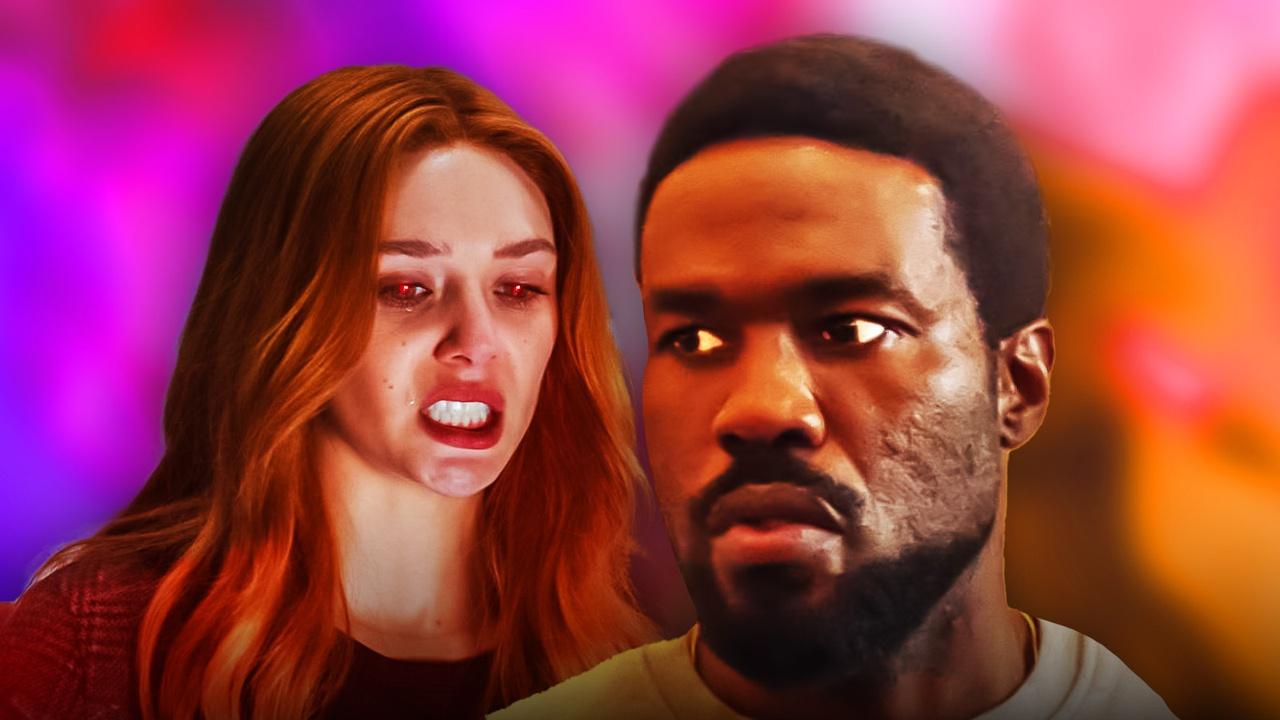
Episode 4 of WandaVision surprisingly brought back a character from Wonder Man, linking to the behind-the-scenes world of Marvel’s Hollywood. The show has several connections to other Marvel projects, including Shang-Chi and the Legend of the Ten Rings and Iron Man 3, largely thanks to the recurring character Trevor Slattery played by Sir Ben Kingsley. The villains in the show, the Department of Damage Control (DODC), have also appeared in Spider-Man: No Way Home and Ms. Marvel, further connecting WandaVision to the larger Marvel Cinematic Universe.
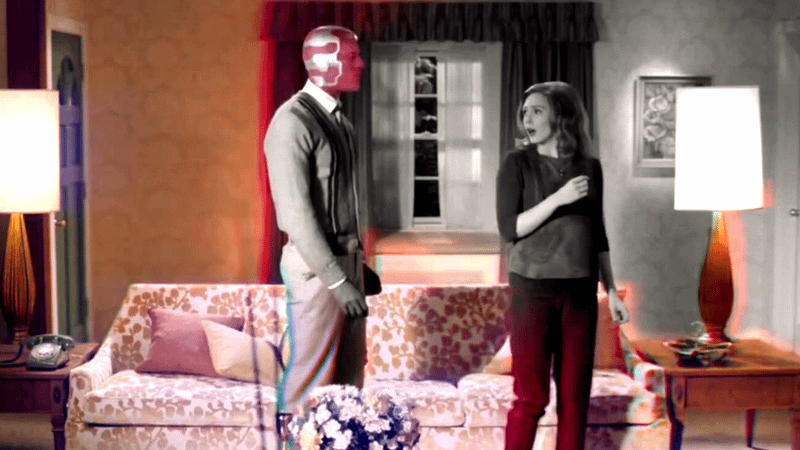
In addition to its ties to other Marvel projects, Wonder Man Episode 4 cleverly referenced WandaVision by presenting much of the episode in black and white.
The first two episodes of WandaVision were presented in black and white, creating a world where Wanda could escape reality. She built this alternate world, inspired by classic TV shows from the 1950s and 60s, to cope with the loss of Vision, who died fighting Thanos in Avengers: Infinity War and to pretend he was still alive.

The last scene of Episode 2 cleverly changed from black and white to color, a visual nod to how classic shows like Bewitched and I Dream of Jeannie originally switched to full color during their broadcasts.
The fourth episode of Wonder Man featured the mutant Doorman, revealing his history and the reason for a specific rule regarding ‘Doormen’ within the Hollywood film industry. Unlike the episode of WandaVision which had a vintage look, the Doorman episode is clearly set in the present day.
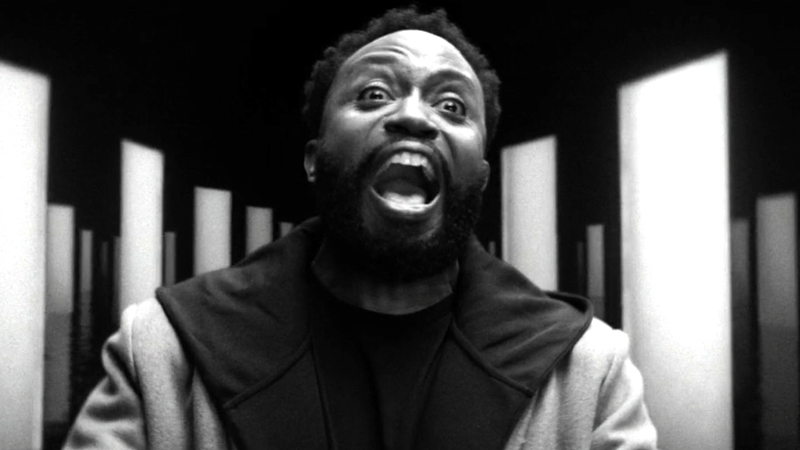
This episode featured a memorable performance by comedian Byron Bowers, who played DeMarr Davis, nicknamed ‘Doorman.’ The show followed his journey from working as a bouncer at Wilcox Bar to becoming a personal bodyguard for Josh Gad, and ultimately, a celebrated figure and Hollywood star after bravely rescuing people from a fire at the bar.

The black-and-white episode of Wonder Man is a great way to highlight Doorman’s powers: he can become invisible and act like a doorway, letting people travel through him to get inside buildings.
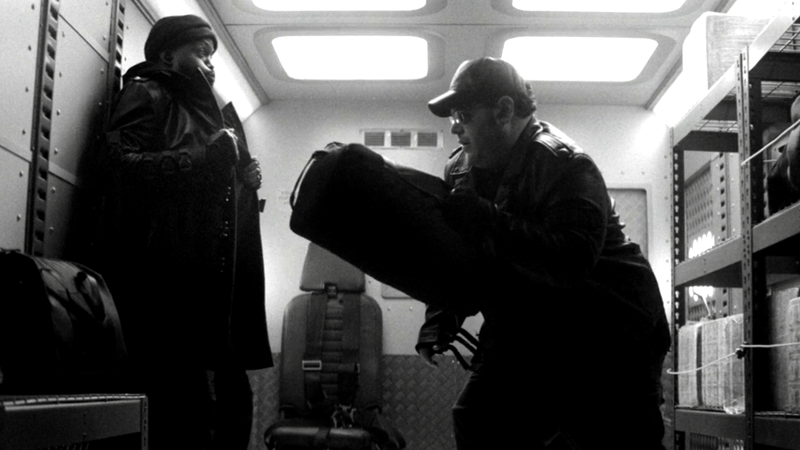
Unfortunately, things went wrong for DeMarr Davis, known as Doorman. He accidentally injured Josh Gad on the set of the Cash Grab sequel. This led to a new rule—the “Doorman policy”—which prevents anyone with superpowers from participating in film or television projects. As a result, the DODC announced that DeMarr Davis will be under constant surveillance for the rest of his life.
Like the end of WandaVision Episode 2, Wonder Man Episode 4 switched from black and white to color when the scene changed to Simon Williams, who was shocked to see a news report about Gad’s death while inside Davis.
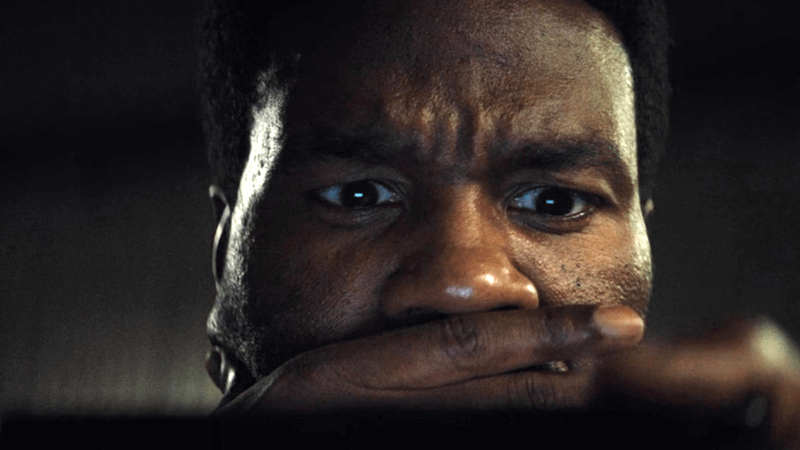
The Wonder Man episode ‘Doorman’ is enjoyable because it skillfully mixes humor with a realistic look at the challenges of working in Hollywood.
Why Wonder Man’s Callback to WandaVision Is Perfect
Fans and critics alike have really enjoyed Wonder Man, largely because of its unique story and insightful look at the world of Hollywood. It’s likely that the show’s black-and-white episode in Episode 4 was a key factor in its positive reception.
The connection between Wonder Man and WandaVision is significant, going beyond a simple reference. Both shows took risks with their storytelling, stepping away from the typical Marvel formula, and it really paid off. Their success lies in how they balanced compelling characters with impressive visuals, partly thanks to the unique, limited style each show employed.
While WandaVision explained its black-and-white style as a reflection of Wanda’s grief and love of classic TV, Wonder Man went further, using the same visual approach to add humor and crucial details to the story, helping viewers grasp the rules of the Doorman policy.
Ultimately, Wonder Man proved that a standalone, self-contained episode can be successful even in the middle of a season, and other shows should consider using this approach in the future.
Read More
- The Lord of the Rings: The Hunt for Gollum Theory, Explained
- The Best 80s Kids Movies Ever Made
- The Shield: Groundbreaking Crime Drama That Paved Way For Prestige TV
- The Night Manager Return Turns Into a Streaming Sensation
- Margot Robbie’s Canceled TV Series ‘Pan Am’ Now Streaming for Free
- The Lord Of The Rings’ 2026 Box Office Results Are Truly Wild
- Хэдхантер акции прогноз. Цена акций HEAD
- The Phoenician Scheme: What the Gap Actually Is, Revealed
- The Asset Season 2 Must Fix The One Problem With Netflix’s Best New Thriller
- With Frank Grillo Confirmed For Man Of Tomorrow, I Hope It Means The Next Superman Movie Will Include A Specific Peacemaker Crossover
2026-01-28 05:35