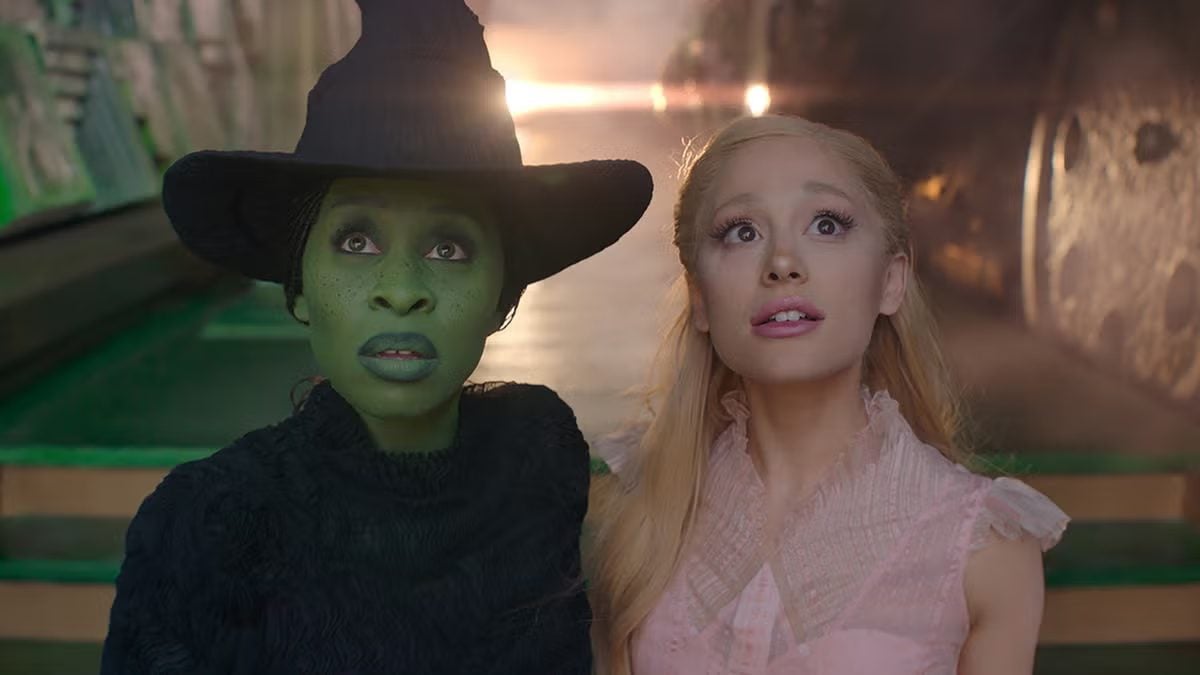
By early January 2026, Wicked: For Good had earned $522.3 million globally, with $341.8 million coming from the U.S. and $180.5 million from international markets. While a significant amount for a PG-rated musical sequel, it’s noticeably less than the $758.8 million worldwide gross of the first Wicked film (released in 2024), which made $475.0 million domestically and $283.8 million internationally.
The difference between the two films is especially noticeable because the sequel, For Good, had a much stronger opening weekend than the original Wicked. For Good earned $147.0 million domestically on its opening weekend, compared to $112.5 million for Wicked – a roughly 31% increase. However, Wicked proved to have much better staying power in theaters. While For Good earned about 2.3 times its opening weekend in total domestic revenue, Wicked earned 4.2 times its opening weekend. This significant difference usually means fewer repeat viewers, a quicker drop in ticket sales after the holidays, a strong initial boost from dedicated fans, or more competition from other movies released in subsequent weeks.
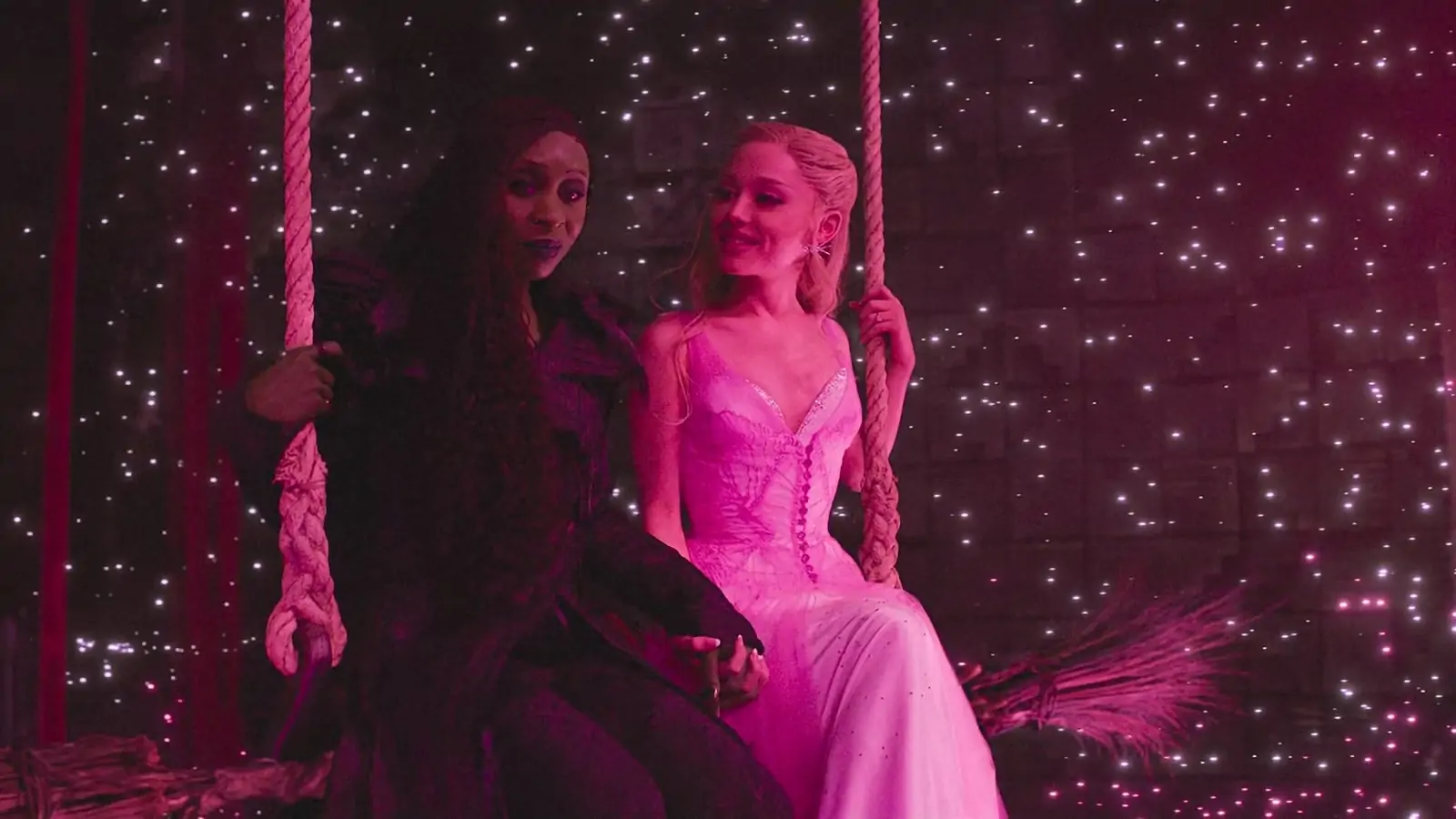
The second film earned significantly less than the first, with roughly a 28% drop in revenue domestically, a 36% drop internationally, and a 31% drop worldwide. This suggests the series continued to perform strongly in North America, but its popularity declined more noticeably in other countries. Whatever buzz and excitement the first Wicked film generated in 2024 proved difficult to recreate on a global scale for the sequel.
Looking at how the film was distributed and how audiences reacted, it seems likely that For Good made most of its money during its initial release. It had a strong opening weekend, but didn’t maintain that level of success over time. This is common for sequels – the first movie benefits from being new and attracting a wide audience through word-of-mouth, while the second film tends to appeal more to dedicated fans. This can lead to a big opening, but a quicker drop-off in attendance in the following weeks.
This isn’t about For Good being a failure. It simply didn’t perform like a blockbuster that would sustain popularity over a long period, particularly compared to the previous film which had remarkably strong staying power. While not a failure, these results suggest the franchise may not warrant further large-scale investment in spin-offs or sequels. Furthermore, it could indicate declining audience interest in stars Cynthia Erivo and Ariana Grande.
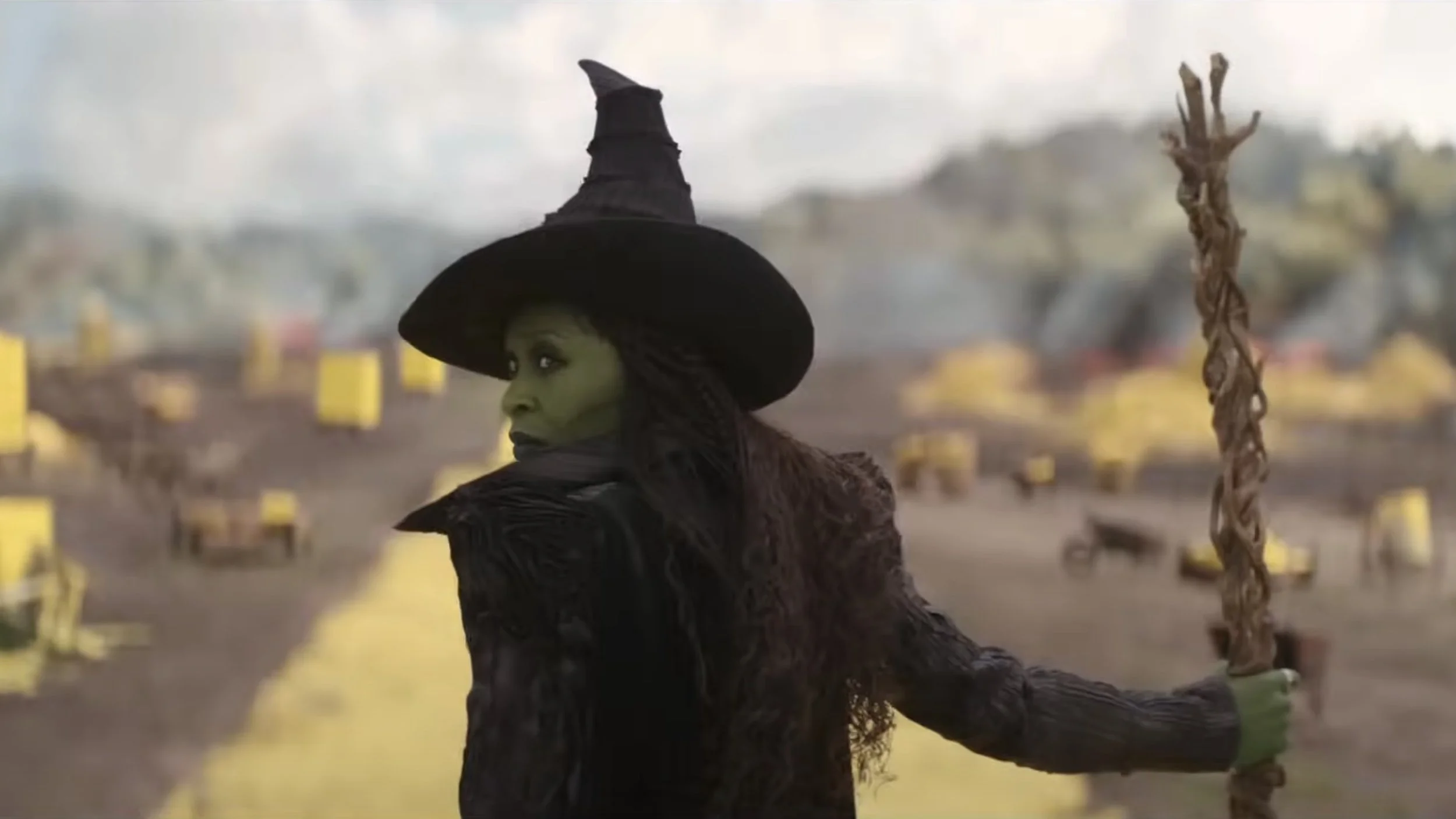
Despite this film, it probably won’t significantly hurt the careers of the actors involved, and here’s why:
Both Erivo and Grande have strong negotiating power, and it’s not just based on how much money the recent movie made. While the sequel’s global earnings were significant, and it’s still over half a billion dollars worldwide, Hollywood understands the difference between a complete flop and a sequel that simply didn’t exceed expectations. Studios often see a dip in a sequel’s performance as a return to normal for a franchise, rather than a reflection on the stars involved. This is a useful argument for marketing, even if it’s a bit of a stretch.
Both Cynthia Erivo and Ariana Grande are proving they can maintain successful careers by securing new projects based on the strong start of Wicked before any potential concerns about the second film arise. This proactive approach is the best way to avoid being negatively affected by typical “sequel” worries. Erivo is consistently booked for prestigious theater roles, including a West End commitment that meant she couldn’t attend the 2026 Golden Globes. Grande continues to be a major force in music and is being presented in the media as still pursuing acting opportunities after For Good. Even if one project doesn’t perform as well as the previous one, consistent demand across different areas – movies, stage, and music – usually protects performers from being unfairly blamed for box office results.
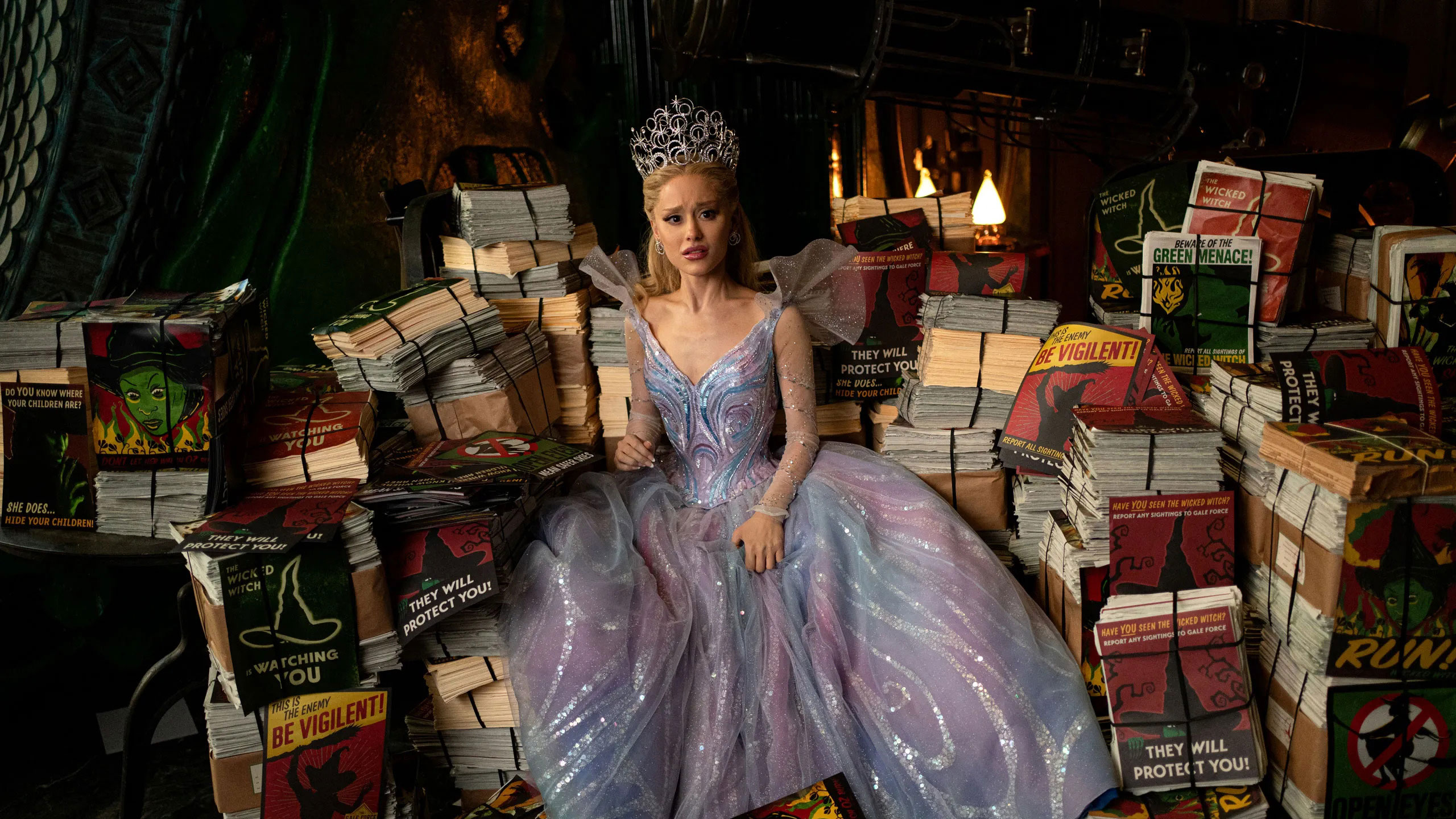
Ultimately, any impact on their careers will likely be seen in the details of their contracts – things like upfront salary versus potential bonuses, or how much a studio invests in a project built around them – rather than simply getting opportunities. However, the huge success of their films clearly shows that both actresses can draw large global audiences to theaters, and that’s the most important thing a studio can hope for.
The real issue isn’t that Cynthia Erivo or Ariana Grande might receive fewer job offers. It’s whether the film’s performance is seen as proof that movie musicals, while potentially very successful, are difficult to maintain over the long term, especially in international markets. It’s also hard to openly criticize the movie or its stars within the industry. While criticism is common elsewhere, be cautious about questioning these two highly-regarded actresses, particularly in Southern California.
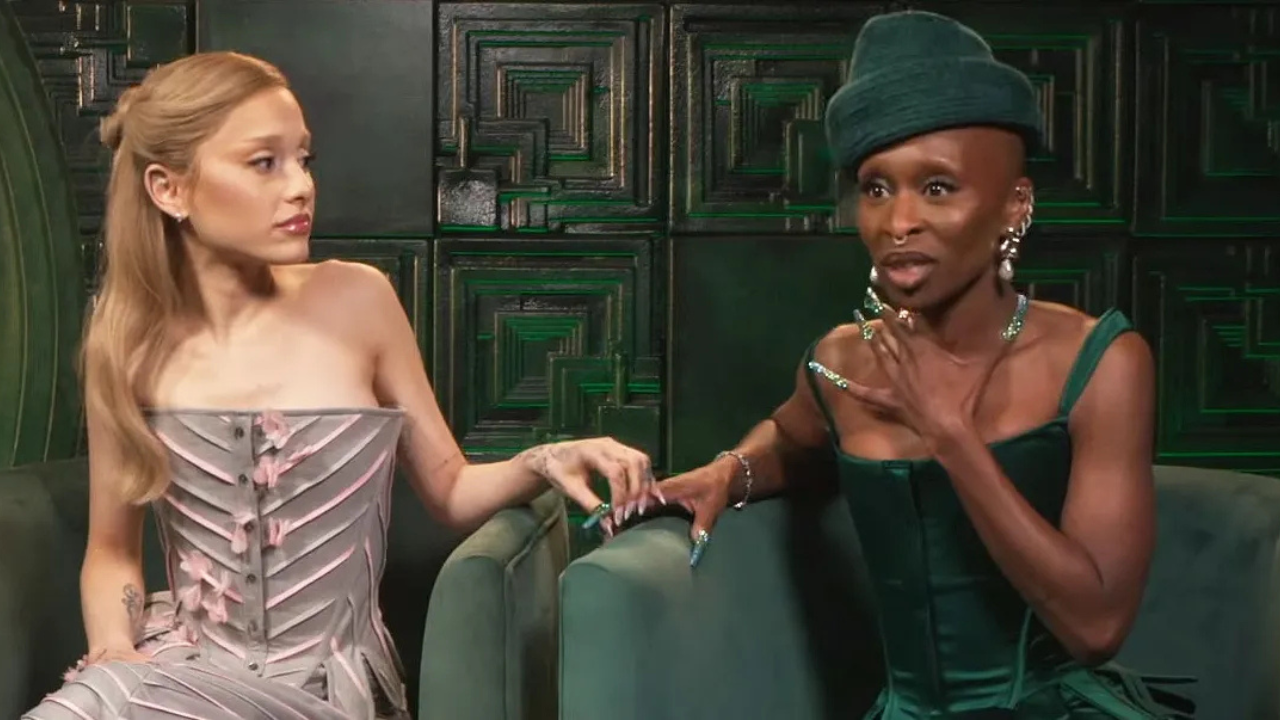
Instead of focusing on whether its lead actresses are still popular, Wicked: For Good feels more like an example for movie business experts to study how sequels perform. Most audiences, however, probably just see it as a movie.
Read More
- Five Nights At Freddy’s 2 Review: The Video Game Movie Sequel Limbos Under The Low Bar Set By The First Film
- Black Phone 2 Ending & Grabber’s Fate Explained
- ‘And Then The Chesty One Comes In.’ SNL’s Cut For Time Sketch Hilariously Reimagined Sydney Sweeney And Zendaya’s Euphoria
- George Clooney Has The Best Reaction To The Viral Louvre Heist Following Ocean’s Eleven Comparison
- Прогноз криптовалюты BNB: прогнозы цены BNB
- Прогноз криптовалюты USD1: прогнозы цены USD1
- My Dress-Up Darling Episode 6 Release Date, Time, Where to Watch
- Jenna Ortega Went Punk Rock With Her Latest Goth Wednesday Look, And I Can’t Get Over The Back Cutouts
- A Couple of Cuckoos Season 2 Episode 11 Release Date, Time, Where to Watch
- Cancel Culture is Killing Horror Anime, 1 Series at a Time
2026-01-12 15:56