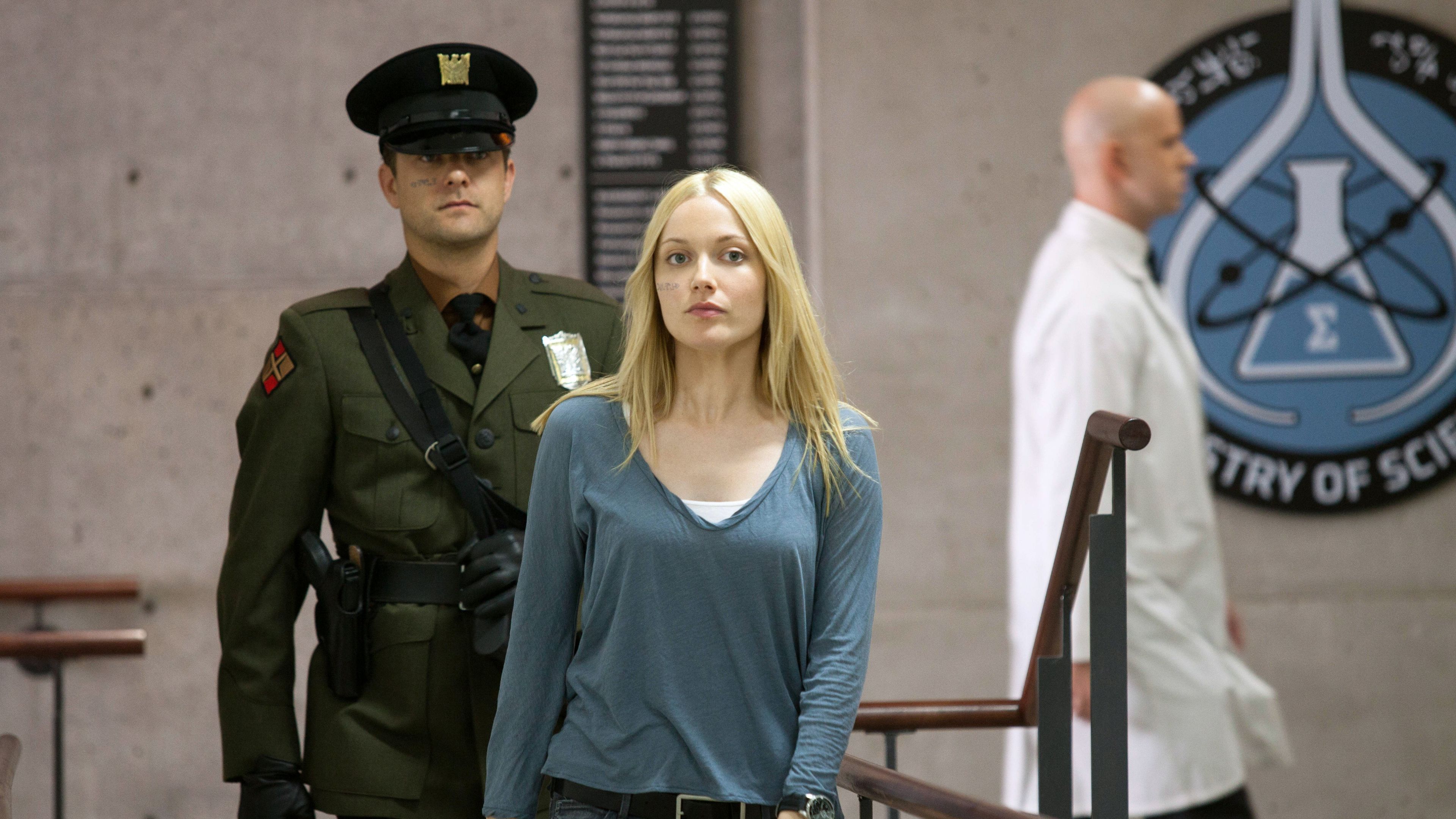
Created by J.J. Abrams, Alex Kurtzman, and Roberto Orci, Fringe first seemed like a follow-up to The X-Files. It combined standalone investigations with an unfolding, larger mystery. When it debuted on Fox in 2008, Fringe came along at a time when science fiction TV was changing. While most shows still followed a procedural format, sci-fi series were starting to experiment and move beyond it.
Over its five seasons, Fringe transformed from a straightforward crime show into a complex story about who we are, dealing with loss, and the impact of our actions – a level of depth rarely seen on network television at the time. This change in storytelling is a major reason why the show still has a dedicated following years after it finished airing. Today, Fringe is known as one of Fox’s most imaginative and ambitious science fiction series.
Fringe Has Aged Well For A Sci-Fi Show
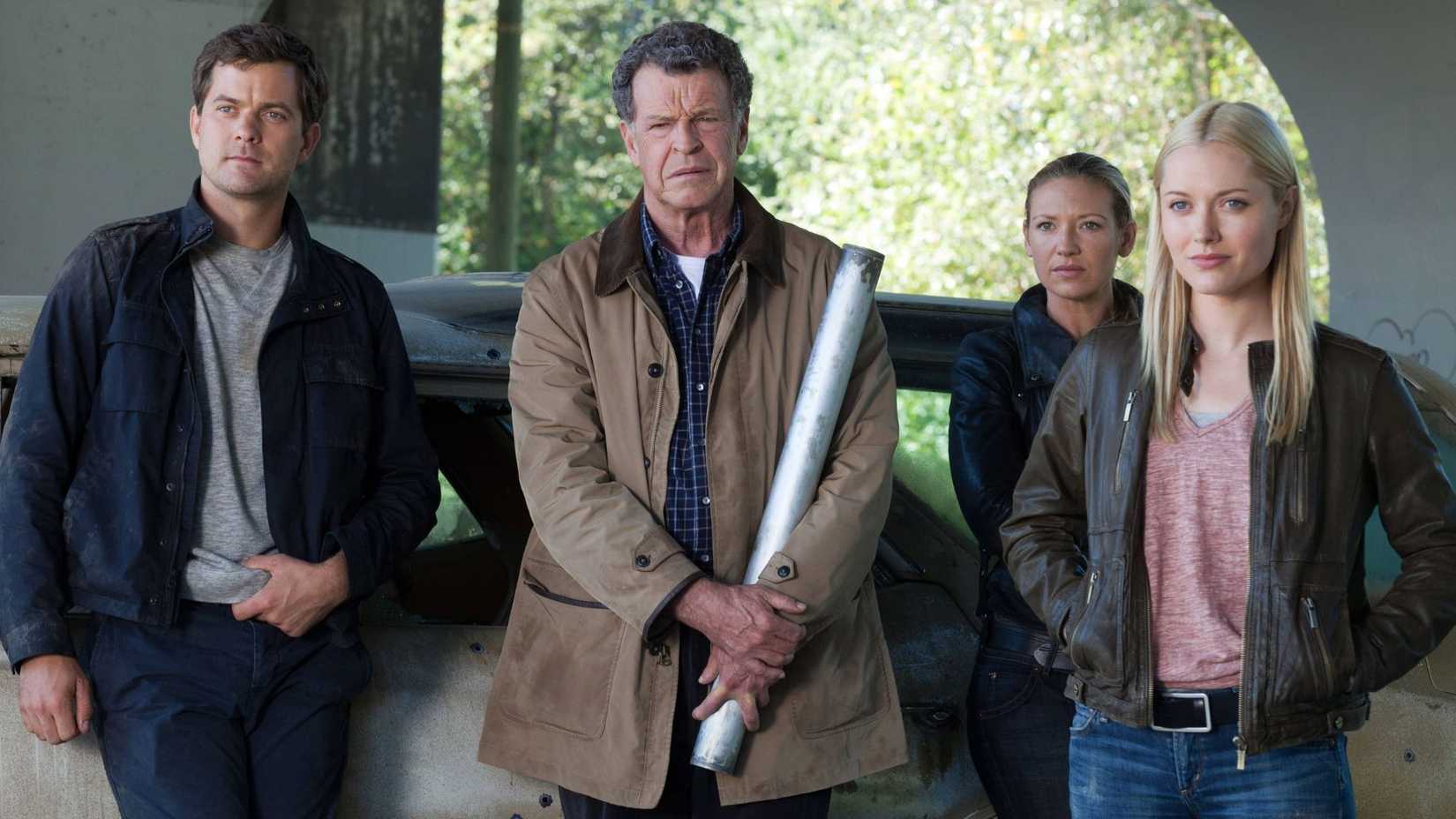
As a sci-fi fan, I’ve been really impressed with how well Fringe holds up, even though it finished airing over a decade ago. So many shows with tons of effects look dated quickly, but Fringe feels different. It’s because they relied more on practical effects and a really unique visual style, giving it a quality you just don’t see as much these days. Episodes like “White Tulip” really prove that it’s the emotional connection, not just flashy visuals, that makes a sci-fi show truly timeless.
As a big fan of Fringe, I always appreciated how the show took its time. It wasn’t afraid to start small, with these really strange, almost ‘case of the week’ style investigations. That gave us a chance to really get to know characters like Olivia and Walter, and understand the world they lived in. Then, once we were invested, the show could really start to build on that foundation, throwing in things like parallel universes and these complex, season-long mysteries. It felt like a natural progression, and it kept things exciting because it wasn’t rushing into the bigger stuff right away.
The story’s ideas about questionable experiments, being watched, and the downsides of scientific advancement still resonate strongly today. Walter’s questionable actions and genius mirror modern worries about progress without responsibility, and Olivia’s journey of overcoming hardship, regaining control of her life, and finding inner strength feels remarkably relevant even now.
How Fringe Set The Tone For Modern Sci-Fi

Shows like Lost played with ongoing mysteries, but Fringe really showed how science fiction TV could balance self-contained episodes with a bigger, continuous story. It proved that you could have episodes that stand on their own while also contributing to an overarching plot. This style has influenced later series like Dark and Counterpart, which both focus on how characters are affected by complex, imaginative ideas.
Before shows commonly explored alternate realities, Fringe stood out as a surprisingly mature and emotionally resonant example of multiverse storytelling. It focused on the emotional impact and deeper meaning of these stories, rather than just using them as a cool trick.
Most importantly, Fringe respected its audience.
The show confidently presented its ideas without oversimplifying them for the audience. It didn’t feel the need to explain every detail or avoid difficult moral questions. This approach helped open the door for other science fiction shows to be creatively bold and complex, even when appealing to a wide audience.
Fringe Is The Kind Of Show We’re Missing Right Now

Many sci-fi shows today are designed for binge-watching, with long, season-long mysteries meant to keep viewers hooked. While this approach works, it often limits creative storytelling. As a result, new science fiction shows tend to follow predictable patterns, resembling existing franchises rather than offering something truly original.
The show Fringe is really missed, particularly its genuine emotional depth. The series cared just as much about its characters as it did about its complex ideas. Ultimately, Fringe is a story about love, regret, and taking responsibility – universal themes that resonate no matter how much science fiction is involved.
Fans miss Fringe because it demonstrated that science fiction on network television could be both intellectually stimulating and emotionally resonant, offering a satisfying, complete story. With audiences currently seeking more thoughtful genre shows, bringing Fringe back would be a great choice.
Read More
- Доллар обгонит лев? Эксперты раскрыли неожиданный сценарий
- Hogwarts Sure Does Look Familiar In The New Harry Potter Trailer (But Not From The Movies)
- Apple TV’s New Horror Series Is Stephen King-Like Nightmare Fuel In First Widow’s Bay Trailer
- Gwyneth Paltrow on Avengers: Doomsday Return: ‘What’s That?’
- Canon Events: Professor X Nearly Destroyed the X-Men’s Dream as Onslaught
- New Yellowstone Report Reveals The Real Reason Why Monica Dutton Was Killed In Marshals
- Disney+ Launches New Feature That Marvel Fans Will Love
- The Last Of Us Season 3 Set Photos Reveal Kaitlyn Dever’s Abby Return & New Character Lev
- Уфргсинтез префы прогноз. Цена префов UFOSP
- Ready Or Not 2 Box Office Slammed With Week 2 Drop That’s Twice As Large As The OG Movie’s
2026-01-01 22:38