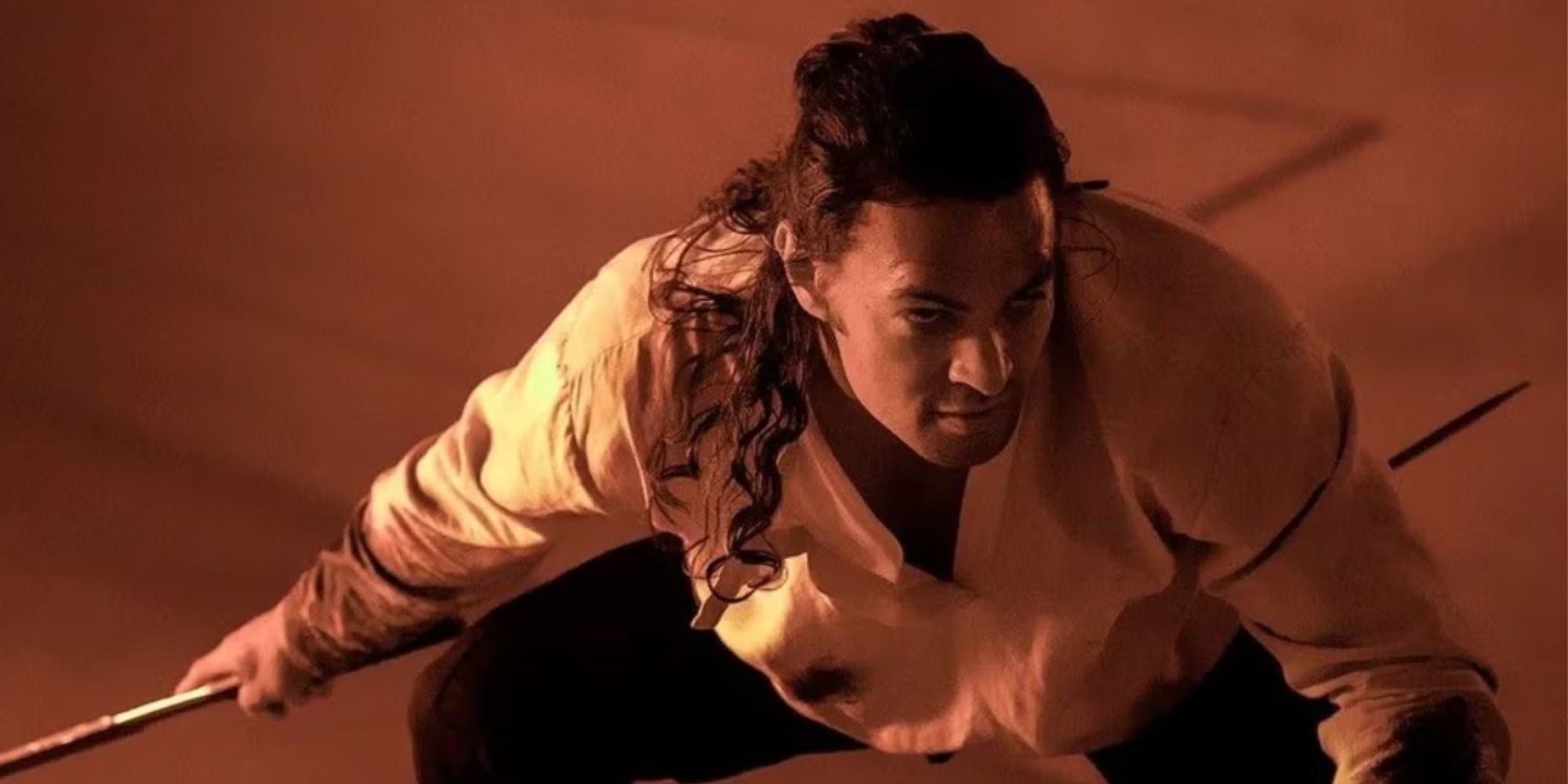
Denis Villeneuve has achieved a remarkable feat by successfully adapting the complex Dune book series—a task many thought impossible—not just once, but three times. Known for his acclaimed films like Arrival and Blade Runner 2049, Villeneuve took on the challenge of bringing Frank Herbert’s epic story to the big screen. While David Lynch previously attempted a film adaptation in 1984, it didn’t achieve the same success as Villeneuve’s recent films. Dune, rich with philosophical themes and explorations of power and devotion, continues to captivate and be analyzed by fans.
Director Denis Villeneuve is nearing the end of his Dune trilogy. He’s confirmed that the next film, based on Dune: Messiah, will conclude the story of Paul Atreides and mark the end of the series as he envisions it. Marketed as a tonal shift for the franchise, Dune: Part Three will see the return of Jason Momoa, though not in the way fans might expect. Momoa previously played Duncan Idaho, who sacrificed himself in the first Dune film. While he’s appearing in promotional materials and a new trailer, it’s not a simple reprise of his original role.
Who Is Jason Momoa Playing in Dune: Part Three?
The story of Dune shows Paul Atreides gradually becoming a tyrannical religious leader, but his worst actions were yet to come. Despite losing Chani and starting a massive, galaxy-wide killing spree, the upcoming Dune: Part Three promises to reveal the full extent of his villainy. Reportedly set 17 years later, the film will explore just how far Paul falls.
Paul’s power as Emperor grew so immense that a secret plot arose to remove him from the throne. This group included a high-ranking member of the Bene Gesserit and Scytale, a mysterious and unsettling character who can change his appearance – a skilled operative from the Bene Tleilax order. Instead of trying to kill Paul, the conspirators decided to use ‘psychic poison,’ aiming to emotionally break him and take away his power.
The Bene Tleilax created gholas – essentially, genetically engineered duplicates made from the bodies of the deceased. Scytale specifically tasked them with destroying Paul Atreides, and chose Duncan Idaho as the model for this creation. He engineered a copy of Duncan, intending to push the Emperor to the edge of madness. Actor Jason Momoa will portray Hyat, this ghola, who has no memories of being Duncan Idaho.
While fans are eager to see Duncan return, this new character will be very different from Jason Momoa’s previous portrayal. This character, Hayt, isn’t a warrior like Duncan, but a philosopher and skilled mentalist. In the story, Hayt is presented as a gift to Paul, but it’s actually a deceptive tactic – a ‘Trojan horse’ intended to destroy Paul and remove him from power through psychological manipulation.
Frank Herbert reintroduced Duncan Idaho in Dune: Messiah after fans were upset by his death, but this didn’t fully satisfy them. In fact, it made the story stronger because Herbert didn’t simply revive the original Duncan; he created a new character who would ultimately lead to Paul’s demise.
As a big fan of the story, I realized Hayt wasn’t just a simple way to bring a beloved character back – he was a real threat. And it wasn’t just Paul who was affected by Duncan’s clone; another member of the Atreides family was deeply involved too. Looking back, it seems Hayt might have played a much bigger role than we initially thought.
Dune: Part Three May Follow a Popular Alia Storyline
Turning Dune: Messiah into a movie could be even harder than adapting the first Dune. While the first book had a lot of detailed world-building and political intrigue, Dune: Messiah focuses more on philosophical ideas and has a slower plot. Director Denis Villeneuve has said this next film will be more of a fast-paced thriller, and early reports suggest it’s heading in that direction.
As a critic, I really appreciated the bold move to jump ahead 17 years between the second and third Dune films. Compared to the 12-year gap in Dune: Messiah, this longer time jump was brilliant. It allowed the filmmakers to really showcase how Paul’s actions had escalated and, crucially, it amplified the emotional weight of everything happening on screen. It wasn’t just about what he did in the past, but how those choices had irrevocably shaped the present, and that made for a far more compelling story.
The character Hayt was created as a way to challenge Paul, but it also impacted his sister, Alia Atreides. Alia had a limited presence in the first film, but in Dune: Part Three, she’s now a teenager with a more significant role in the widespread holy war.
Alia was born with full awareness and the memories of her ancestors because her mother was exposed to the Water of Life while pregnant. Anya Taylor-Joy’s portrayal of Alia promises to be powerful, though her connection with Hayt might present challenges. The books show a romantic relationship developing between them, eventually leading to marriage in Children of Dune. However, since director Denis Villeneuve isn’t planning to adapt that far into the story yet, we might see the beginnings of this romance play out in the next film.
Both Alia and Hayt felt like outsiders, disconnected from their time. Alia was burdened with unwanted memories that deeply affected her, transforming her from a typical teenager into someone intensely devoted – and extreme – in her loyalty to Paul. Similarly, Hayt was manipulated and used as a tool against Paul. This sense of being different and alienated likely explains their connection and eventual romance with each other.
Stories set in the epic and often violent world of Dune need strong emotional connections to truly resonate with audiences. Balancing the events of Messiah and Children of Dune while remaining faithful to the established characters is crucial. While official confirmations are a ways off, the depth of Frank Herbert’s universe provides plenty for fans to explore and enjoy in the meantime.
Read More
- Heated Rivalry Star Christina Chang Discusses Season 2 and Handling Fame
- Прогноз криптовалюты OP: прогнозы цены OP
- Whether Dunk Was Really Knighted in A Knight of the Seven Kingdoms Revealed
- The Mummy Returns Sets 25th Anniversary Rerelease Date With Poster & Teaser
- Darth Maul Theory Teases The Return Of A Surprising Star Wars Villain In Shadow Lord
- Taylor Sheridan’s Mayor of Kingstown Kills Off Tracy in Season 3
- New Chris Pratt Sci-Fi Flop Already Out on Streaming
- ‘Black Mirror’ Is a Great and Relevant Sci-Fi TV Series on Netflix
- 7 Series Finales Worse Than Stranger Things
- ‘The Elder Scrolls’ TV Series Will Never Happen Because of ‘Lord of the Rings’
2026-03-20 20:37