
Doctor Who is a hugely influential science fiction show that has deeply impacted popular culture, with the TARDIS being its most iconic element – it’s far more than just the Doctor’s spaceship! Created by Sydney Newman, C.E. Webber, and Donald Wilson, the long-running series first aired on BBC One in 1963. Over the years, Doctor Who has evolved with different creative teams and actors playing the Doctor and their companions.
Doctor Who centers around a Time Lord from the planet Gallifrey, known only as “the Doctor.” When seriously injured or nearing the end of his life, the Doctor can transform into a new physical form – this is called regeneration. Traveling through time and space with various human companions, the Doctor embarks on adventures in different eras and locations. Along the way, they encounter numerous dangers, including well-known enemies like the Daleks and the Master.
Doctor Who is a hugely popular and iconic science fiction show. Many things from the series—like the Doctor’s sonic screwdriver, the Daleks, and the TARDIS—have become well-known parts of pop culture, even for people who haven’t seen the show. The TARDIS, the Doctor’s time machine (which stands for Time And Relative Dimension(s) In Space), is more than just a way to travel – it’s a cultural symbol.
Doctor Who’s TARDIS Is A Time Machine & Spacecraft
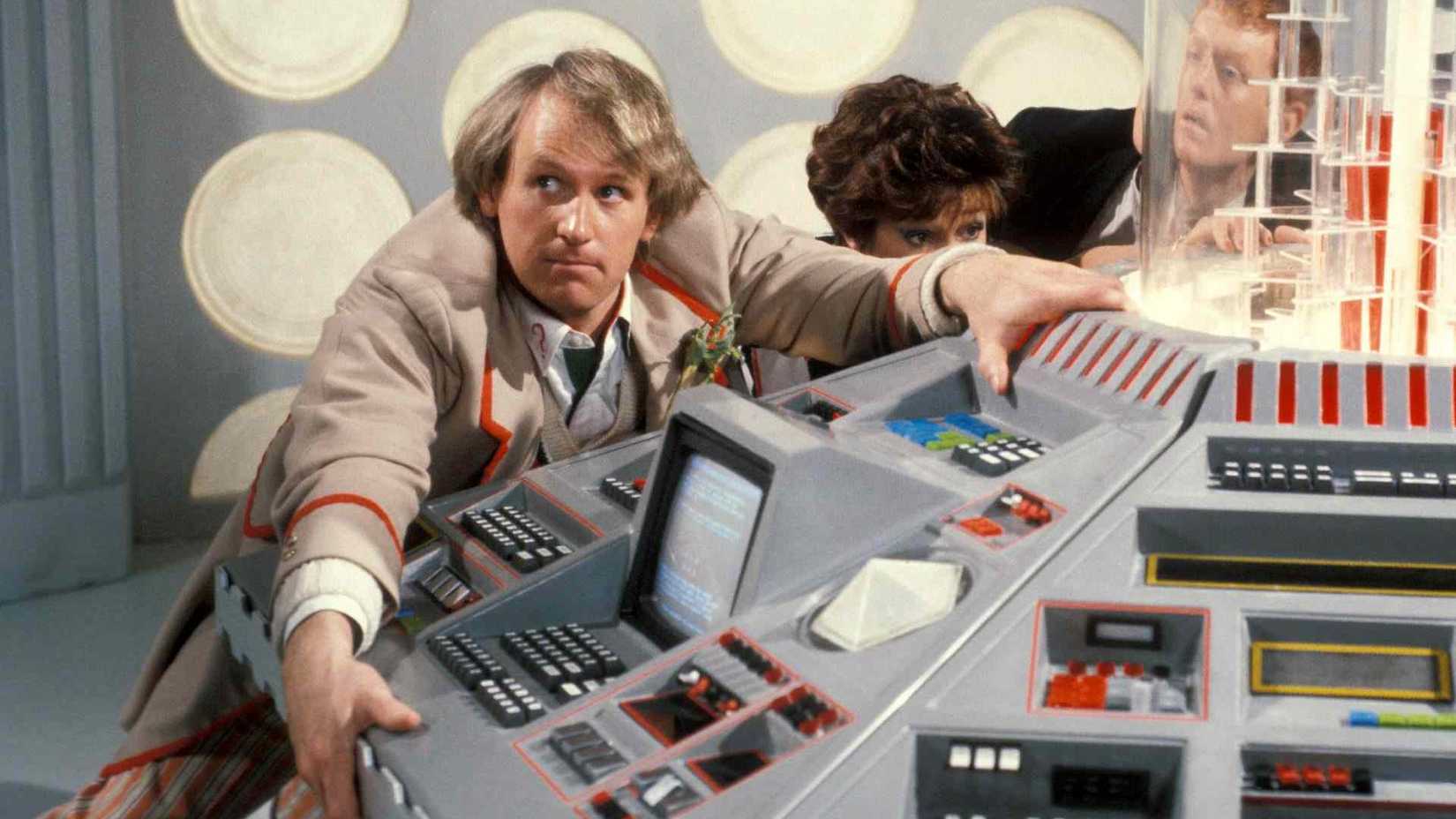
I’ve been a fan of Doctor Who for years, and the TARDIS is just iconic! It first appeared back in 1963, right alongside the Doctor, and honestly, it’s what makes all his adventures possible. What a lot of people don’t know is that the Doctor actually stole it from his home planet, Gallifrey. He left because he wanted to see everything the universe had to offer, and the TARDIS was his ticket. It’s not just a spaceship, though – it’s a seriously complicated time machine that lets him jump around through time and space. It’s amazing!
The TARDIS is much more than just a way for the Doctor and their friends to travel through space and time. It can automatically translate alien languages into English, allowing them to communicate with anyone they meet. Plus, as a highly advanced spaceship and time machine, it has a special feature called a chameleon circuit which lets it disguise its appearance to fit in wherever they land.
Beyond simply blending in, the TARDIS can also create a “perception filter.” This makes people overlook it, or even assume it’s always been there. This is crucial because the Doctor’s TARDIS always appears as a classic 1960s London police box. The TARDIS is often considered a living thing, and it frequently acts independently of the Doctor, which can be unpredictable but usually leads to thrilling experiences.
Why The TARDIS Is Designed To Look Like A Police Box In Doctor Who

Like all TARDISes, the Doctor’s time machine is designed to change its appearance to blend in with its surroundings. However, due to a broken part called the chameleon circuit – a malfunction that happened when the Doctor first landed on Earth, according to the official Doctor Who website – it’s now permanently stuck looking like a classic British police box. The Doctor has attempted repairs, even succeeding briefly once, but the TARDIS continues to travel through time and space in this iconic disguise.
The TARDIS may look like a simple police box on the outside, but it’s far more spacious inside – a concept it shares with the Doctor, as it too can ‘regenerate’ and change. It’s famously bigger on the inside, and this is due to incredibly complex technology that only the Time Lords truly understand. While its exact size is a mystery, the TARDIS contains countless rooms and corridors, including a control room originally meant for a crew of six, though the Doctor usually operates it alone.
While the TARDIS looks like an old police box, which might attract attention, it has a built-in system to keep it hidden from view. Even if that system fails, a key is required to get inside. It’s crucial to protect the TARDIS from falling into the wrong hands, as the consequences could be disastrous, so the Doctor always has to be cautious. Despite how unusual the police box disguise seems, it’s proven effective and has become a signature part of the show.
How The TARDIS Became Synonymous With The Doctor Who Franchise

Throughout the entire history of Doctor Who, one thing has always stayed the same: the TARDIS itself – and its look as a classic police box. While almost everything else, like the Doctor’s appearance and even the sonic screwdriver, has changed over time, the TARDIS has remained iconic. Because of this consistency, it’s become the most recognizable symbol of the show.
The iconic blue police boxes you see in Doctor Who aren’t just science fiction – they were actually used in the 20th century, starting in the 1920s. These small police stations required a key to enter, but they also included a public telephone mounted on the outside. Today, though, most people associate these boxes with the show and the Doctor, rather than their original purpose.
The TARDIS became incredibly well-known, leading the BBC to try and trademark its unique design for use on Doctor Who products in 1996. However, it wasn’t until 2002 that they were officially granted the trademark. Because real police boxes have largely disappeared from the UK, any time one appears now, people automatically assume it’s a Doctor Who prop or reference.
Over the years,
2026-07-29 02:50