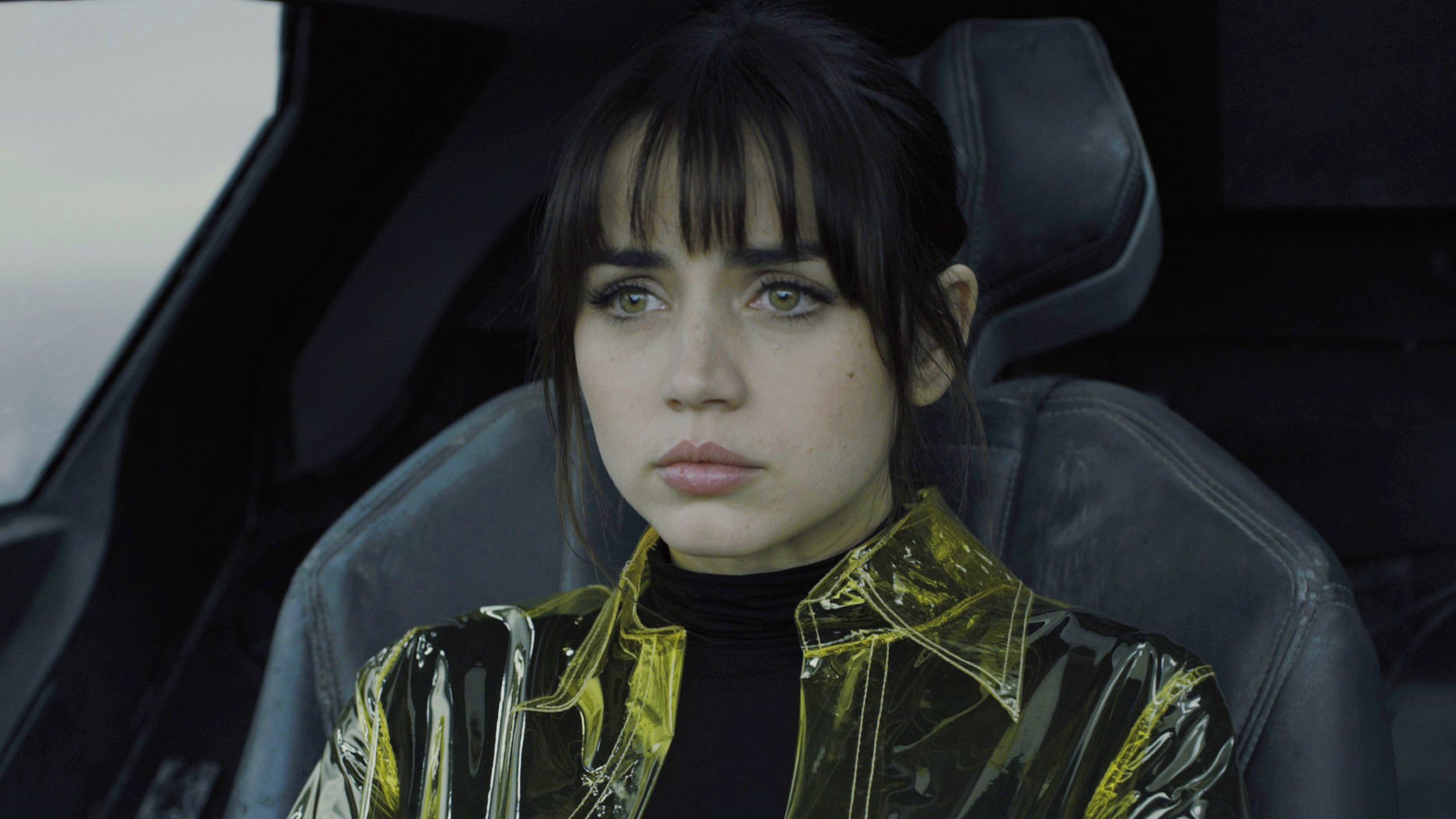
Philip K. Dick’s novel Do Androids Dream of Electric Sheep? is a landmark work of science fiction, famously inspiring Blade Runner and the new series Blade Runner 2099. Published in 1968, the story explores a world after a devastating event and doesn’t just feature artificial intelligence—it deeply examines the very nature of it. Dick questioned what makes us human, exploring themes of empathy and consciousness long before AI became a common topic of discussion.
Perhaps most famously, Philip K. Dick’s novel was the inspiration for the 1982 film Blade Runner, Ridley Scott’s visually stunning and atmospheric masterpiece. Though the movie made substantial changes to the plot, mood, and core questions of the book, its origins are clear. The same holds true for Denis Villeneuve’s sequel, Blade Runner 2049, which built upon the original world and further explored its thought-provoking themes.
Prime Video is revisiting the world of Blade Runner with a new series, Blade Runner 2099. This isn’t just another sequel; it feels particularly significant because the ideas originally explored by Philip K. Dick now seem worryingly possible, potentially making this new adaptation even more impactful than the stories that inspired it.
Blade Runner 2099 Comes Out During Unprecedented Times For Technology
The Prime Video Series Arrives As Sci-Fi Concepts Become Everyday Reality
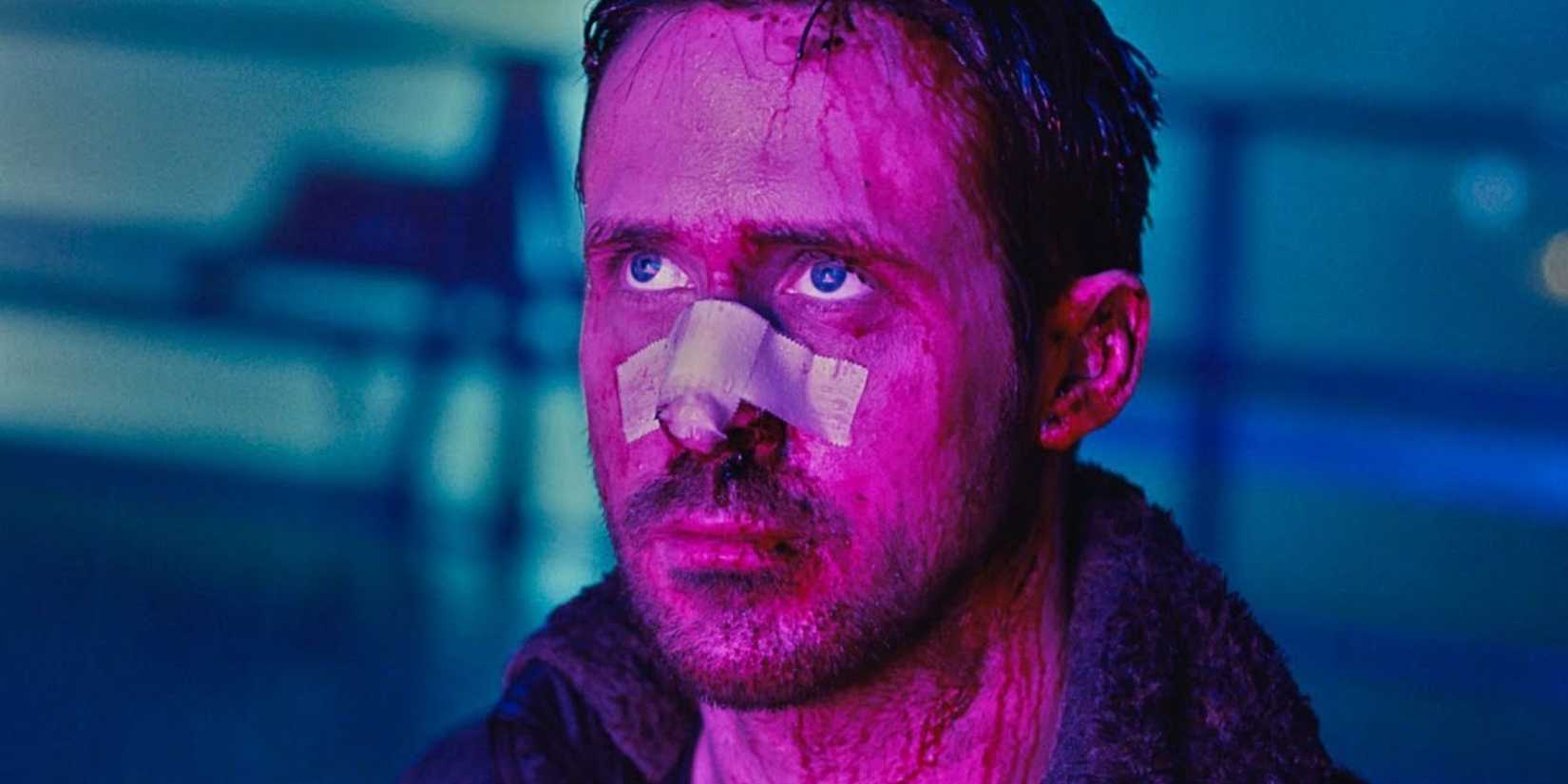
Filming for Blade Runner 2099 finished in 2024, and it’s currently planned to be released in 2026, although Prime Video hasn’t announced a specific date. More importantly than when it comes out, though, is how the show will resonate with audiences at the time.
Technology is advancing incredibly quickly in the 2020s. Artificial intelligence, once limited to research, is now being used in fields like art, education, and how we communicate every day. Cutting-edge ideas like 3D printing with organic materials, connecting brains and computers, and creating new life forms are no longer just science fiction – they’re areas where real progress is being made.
Philip K. Dick’s novel and the Blade Runner films both feature artificial humans that explore complex questions about what it means to be alive. While these creations—androids in the book and replicants in the movies—felt like distant, fictional concepts, the gap between these imagined futures and our present is closing. As technology advances, these ideas feel increasingly relevant and less like pure science fiction.
Artificial intelligence can now create art, convincingly imitate voices, and hold conversations that feel remarkably real. Scientists are also exploring growing living tissues and combining them with artificial parts. While creating fully artificial life remains a challenge, it doesn’t seem as far-fetched as it once did.
What truly sets Blade Runner 2099 apart is its potential cultural impact. It won’t just display cool future tech; it will build on technologies we’re already developing. Instead of inventing a completely unfamiliar future, the show will realistically explore where current events and advancements might lead us.
Previous versions of Blade Runner seemed like warnings about potential futures, but Blade Runner 2099 feels different—it feels like a look at things that are actually happening now. This makes a huge difference in how we experience the story.
Sci-Fi Cautionary Tales Have Never Been More Relevant
Stories About The Future Now Feel Like Warnings For The Present
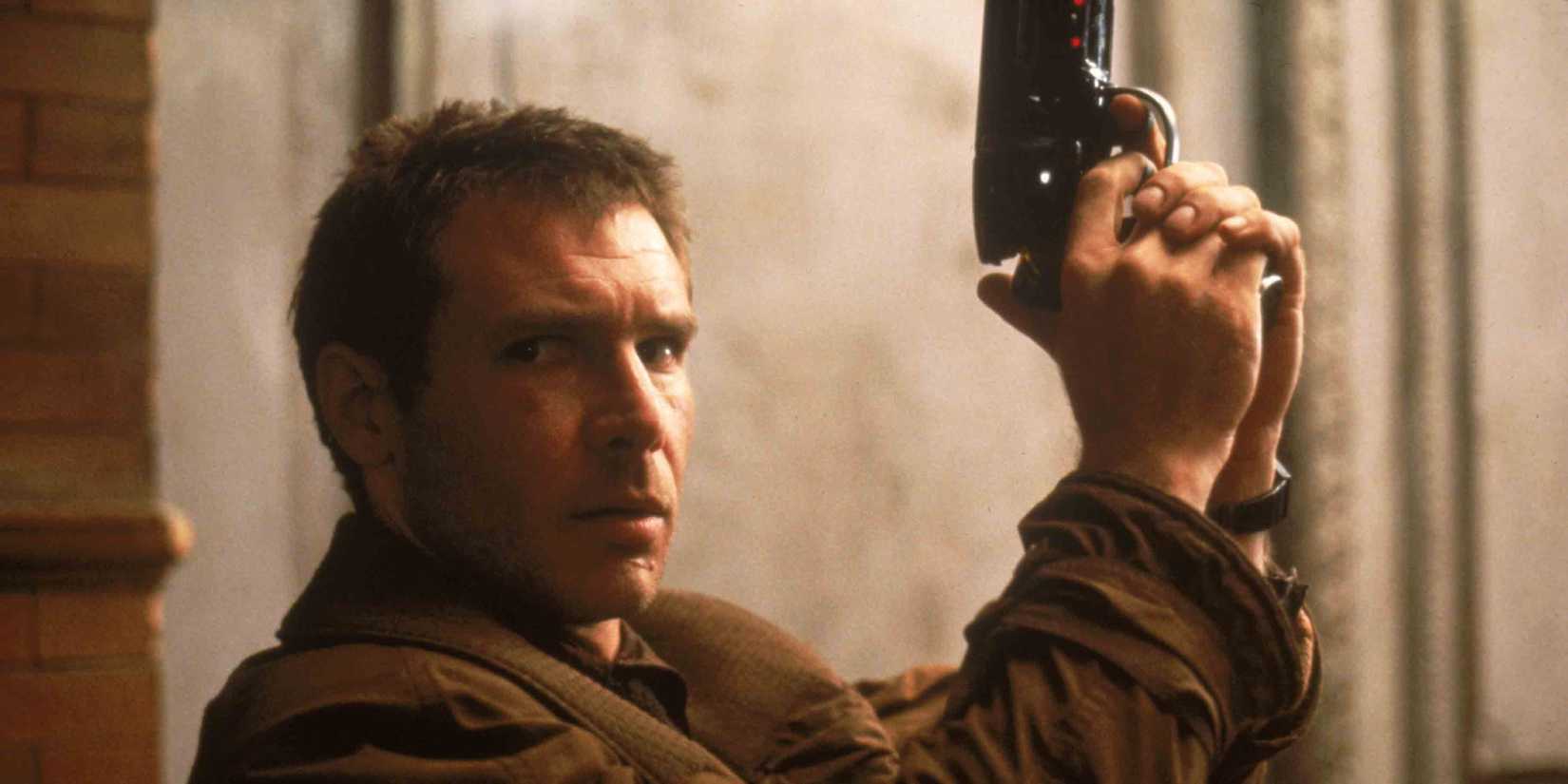
Cyberpunk, a type of science fiction popularized by the original Blade Runner, has always explored worries about technology growing out of control. Its iconic imagery – bright cityscapes and powerful corporations – represents deeper concerns about losing our individuality and freedom. Blade Runner 2099 is released at a time when these fears feel very real, not just like ideas from a story.
Today, people are actively discussing the ethical implications of AI, how our data is used, the impact of automation, and online identity. These issues, once explored mainly in the cyberpunk genre through questions like ‘What defines humanity?’ and ‘Who should control technology?’, are now central to public policy and everyday discussions about the future.
Popular sci-fi shows like Black Mirror often explore scenarios that feel realistically close to our future. Episodes like “Nosedive” and “Joan Is Awful” don’t imagine far-off worlds, but rather offer slightly altered versions of today. This approach—using speculative fiction to reflect current anxieties—was proven effective decades ago by classic shows like The Twilight Zone.
What sets newer shows like Blade Runner 2099 apart from science fiction from past decades is how relevant they feel right now. Unlike older shows that warned about distant futures, these stories focus on systems that could impact our jobs, relationships, and personal freedoms very soon – potentially within just a few years.
The new series, Blade Runner 2099, aims to carry on the thought-provoking themes of the original films, but with the added depth of a well-established and beloved universe. The questions about what it means to be human, explored by the replicants, will not only reflect the ideas of Philip K. Dick and his novel Do Androids Dream of Electric Sheep?, but will also connect with modern audiences as machines become more and more like us.
How Blade Runner 2099 Will Be Different From The Movies
A New Era, A New Protagonist, And A Post-Revolution World
The biggest difference between Blade Runner 2099 and the previous Blade Runner movies is how it’s presented. Because it’s a miniseries, it will be much longer than Blade Runner or Blade Runner 2049. This extra length will allow the story to unfold at a more leisurely pace and create a more detailed and immersive world.
Beyond how quickly the story unfolds, the biggest differences will likely be in the themes explored. Set 50 years after Blade Runner 2049, 2099 will probably focus on a society dealing with the aftermath of the potential replicant rebellion hinted at in the previous films. Rather than showing the revolution itself, it will likely examine what happens after it.
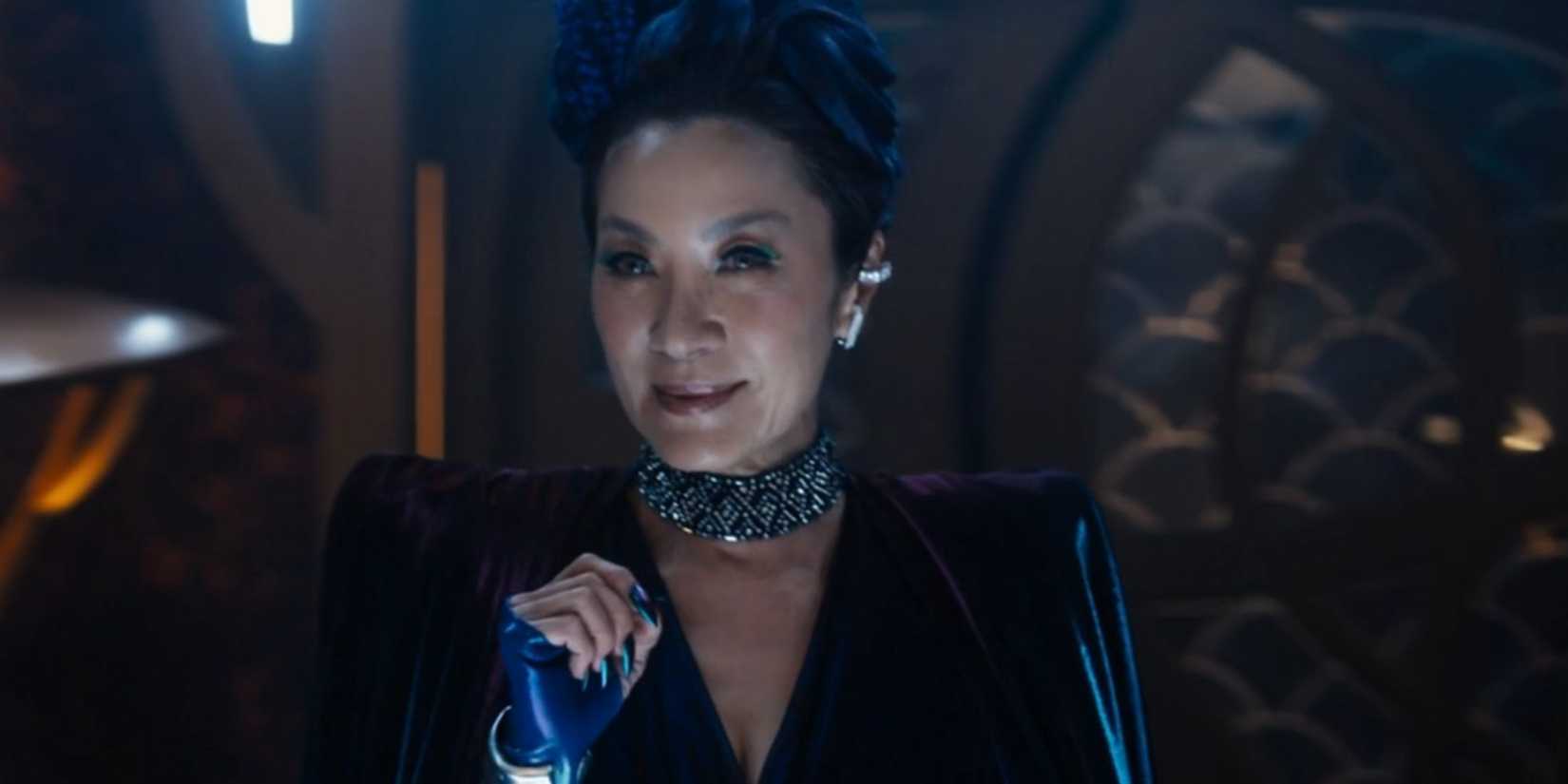
What really struck me about the new Blade Runner 2099 is the shift in perspective. Harrison Ford’s Deckard and Ryan Gosling’s K in the earlier films were both Blade Runners wrestling with tough ethical questions. But this time around, the story focuses on Olwen, played by Michelle Yeoh, and she’s a replicant facing her own mortality. It’s a fascinating change and feels really fresh.
What really struck me about this new take is the change in perspective. With Olwen being a Blade Runner who can die, it completely shifts how we think about the core questions of the series. It’s no longer about whether these artificial beings deserve to live, but what it’s like for an artificial being to face their own mortality. It opens up a whole new layer of exploration, and honestly, it’s incredibly compelling.
Because it’s a longer series, Blade Runner 2099 has the potential to explore themes like identity, memory, and what we leave behind in much more detail than the original Blade Runner movies. This could not only continue the story, but also give the franchise a fresh take for today’s world.
Read More
- Five Nights At Freddy’s 2 Review: The Video Game Movie Sequel Limbos Under The Low Bar Set By The First Film
- ‘And Then The Chesty One Comes In.’ SNL’s Cut For Time Sketch Hilariously Reimagined Sydney Sweeney And Zendaya’s Euphoria
- Black Phone 2 Ending & Grabber’s Fate Explained
- Прогноз криптовалюты BNB: прогнозы цены BNB
- George Clooney Has The Best Reaction To The Viral Louvre Heist Following Ocean’s Eleven Comparison
- Прогноз криптовалюты USD1: прогнозы цены USD1
- The Western That Launched Kevin Costner’s Career Is Finally Streaming For Free
- Jonathan Majors’ Latest Response To Questions About Kang’s MCU Return Is Way More Cryptic Than I’d Expect
- 10 Times Lex Luthor Gained Powers
- CBS Effectively Explains Why Tracker Got Rid Of Bobby & Velma
2026-03-03 23:20