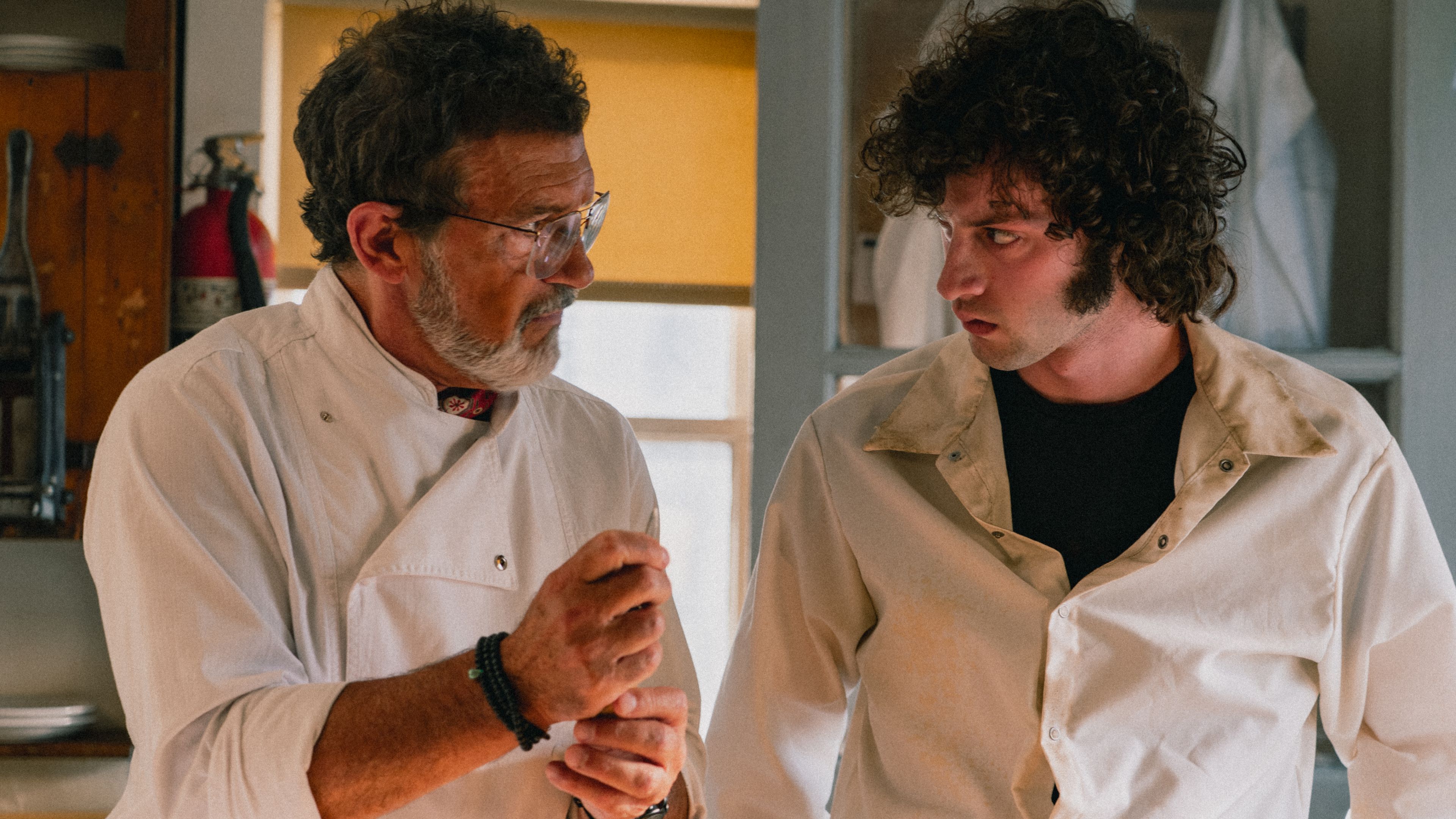
As a movie fan, I always approach biopics with a bit of caution, especially when the person’s really famous. Their life should be great material for a film, and sometimes it really is! But there’s a real temptation for filmmakers to just hit all the expected biographical beats – a simple retelling of their greatest moments. Too often, it feels like Hollywood is more interested in protecting the person’s image than making a truly good movie. It’s tough to create something special when the main goal feels like brand management. So, these films have an extra hurdle to clear to win me over, and they really need to earn my attention.
The movie is short and focuses on a specific part of Anthony Bourdain‘s life. It quickly covers about ten years of his early restaurant experience in Provincetown, Massachusetts, as described in his book, Kitchen Confidential, and compresses it into a single summer. Bourdain clearly meant a lot to many people, and the film is likely filled with details fans will recognize. But even for those who aren’t very familiar with him, those details aren’t essential to enjoying the movie – they just add extra layers.
Matt Johnson, the writer and director of the 2023 film Blackberry—which skillfully resembled The Social Network—has done it again, turning a true story into a compelling movie. It stands on its own as a great film, regardless of the subject’s fame, and truly has something to say. Best of all, it’s genuinely enjoyable to watch.
In Tony, Young Anthony Bourdain Is Both Unlikable & Lovable
The film begins with a quote from Anthony Bourdain, who bluntly described his younger self as spoiled, unhappy, self-absorbed, and reckless – someone who needed to be shaken up. This striking introduction isn’t just for effect; it signals that the movie will deeply explore all those negative qualities, and essentially show the protagonist getting a wake-up call over the course of the story. The film genuinely wants to understand this lost 19-year-old: who he believes himself to be, the reality of who he is, and the person he ultimately chooses to become.
In the summer of 1975, Tony, a Vassar student played by Dominic Sessa, fancies himself a writer. His goal for the summer is to win a writing grant from the college, hoping the money will allow him to spend a few months in New York City. He feels confident about his writing and pretends to have a solid plan to impress the faculty, even boasting to Nancy, a girl he’s had a crush on since high school, that he’s already secured the grant. However, when he tells his mother, who often makes him feel inadequate, his confidence comes across as more of a plea than a boast.
He was too ashamed to tell his family – or anyone – that he hadn’t gotten what he wanted. Instead, he drove to Cape Cod, hoping to be with Nancy, who was spending the summer there. But when he arrived and found out she already had a boyfriend, he felt completely lost. He ended up at a rundown bar, drank too much, and made a fool of himself.
In an instant, it felt like his fate was sealed – he lost all his money but unexpectedly gained a place to stay. Just as quickly, he found himself working as a dishwasher at this rundown place, all while telling Nancy he was there on a writing grant he hadn’t actually won.
What really struck me about Jeremy Sessa’s portrayal of Tony is how brilliantly he shows us Tony isn’t the confident guy he’s trying to be, and honestly, he’s not very good at faking it either. It’s not about arrogance, it’s a deep need for him to believe in his own greatness, for reasons we slowly uncover. And that’s the key – that subtle difference is what allows Sessa to play all of Tony’s frustrating qualities while still making him someone you genuinely want to see succeed. It’s a really nuanced and thoughtful performance.
Tony’s Kitchen Ensemble Is The Movie’s Greatest Strength
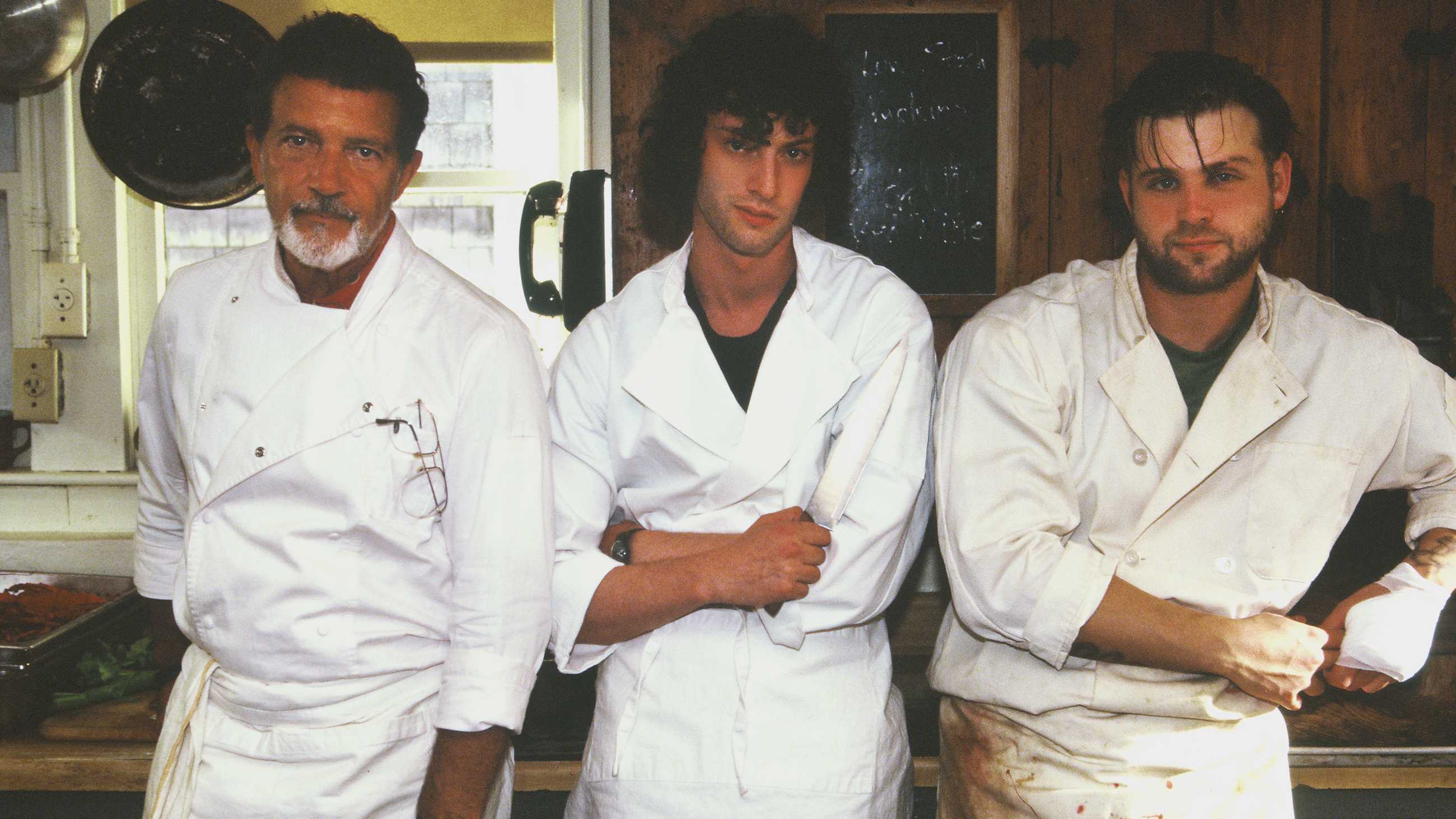
Sessa isn’t the only standout performer in the film. The movie itself is built on contrasts, even using similar camera angles repeatedly. His character is presented with two very different examples of how to live, embodied by two other people. Sal, a coworker played by Leo Woodall, is incredibly magnetic. Though rough around the edges, often violent, and sometimes crude, he’s also funny and captivating – almost like a mischievous god. Woodall is fantastic in the role, and the film wouldn’t succeed without him. The director wisely uses him sparingly, letting him shine in scenes without overshadowing the story.
Chef, played by Antonio Banderas, is almost the reverse of how Bourdain remembered himself when he was young. He’s incredibly disciplined – dedicated to his cooking, with a playful but firm attitude towards lateness and disrespect, and he even wakes up a sleepy Tony with a bucket of water! But beneath that strictness, he’s deeply caring, constantly pushing his young worker to think about his future and how to build a stable life. Banderas delivers a particularly tender performance here, reminiscent of his excellent work in Pain and Glory. Don’t be shocked if he’s a strong contender for Best Supporting Actor come awards season.
What truly stands out is the chemistry between the actors. Tony is consistently hilarious, especially in the vibrant and realistic kitchen setting. The combination of energies from the cast – Sessa, Woodall, and Banderas, alongside the comedic timing of Stavros Halkias and the serious presence of Michael Jibrin – creates a palpable sense of tension and excitement. Combined with the gritty, authentic production design, the film perfectly captures the transformative experience Tony undergoes.
Looking back, Tony really surprised me in a good way – he’s become much more impressive than I initially realized. Ultimately, though, I just want to say this movie is a genuinely fun experience. It’s easily one of the most enjoyable films I’ve seen in theaters all year.
Tony releases in select theaters on August 7 before expanding nationwide on August 24.
2026-07-29 18:58