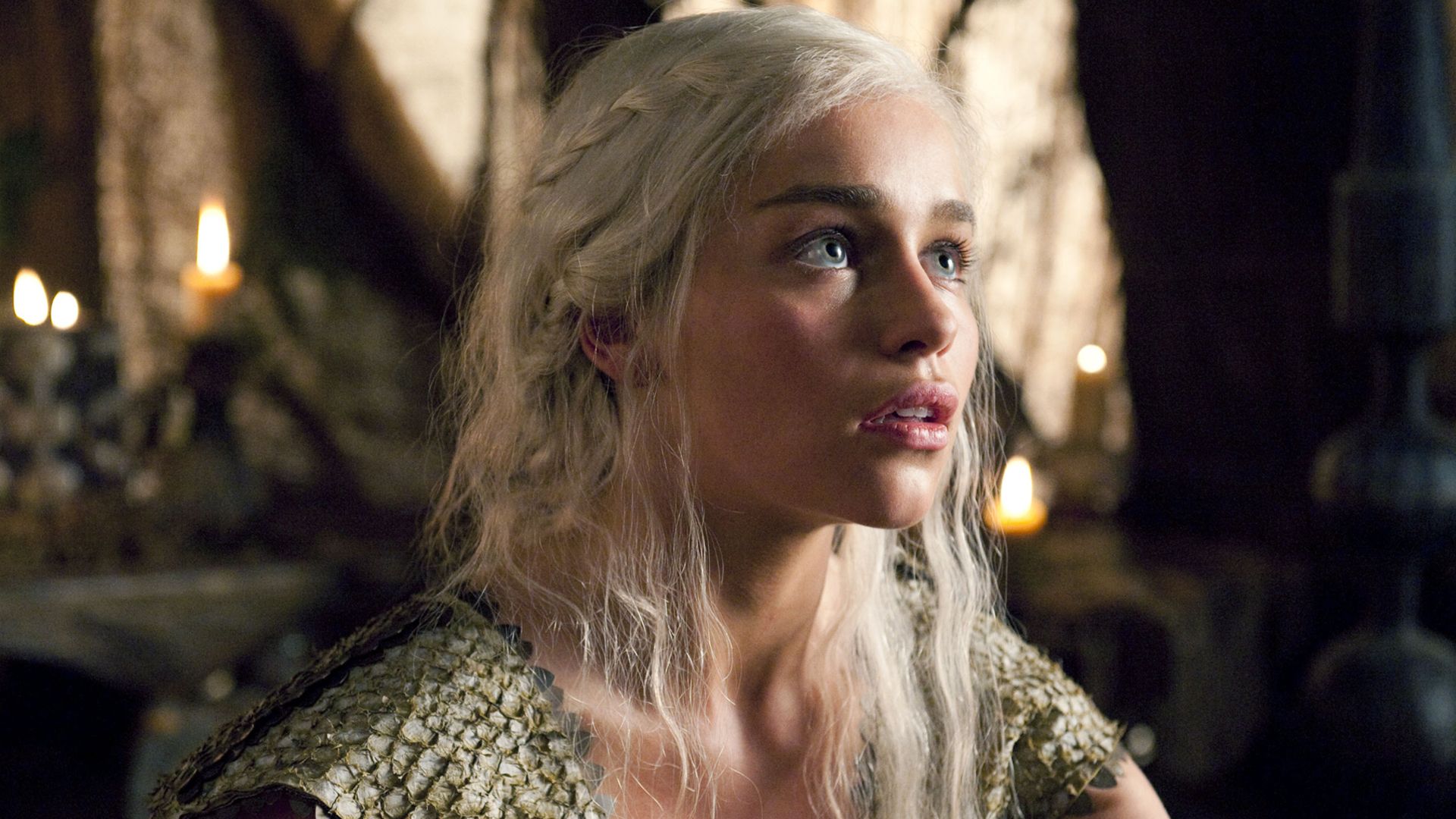
The first season of HBO’s Game of Thrones quickly attracted a large audience thanks to its compelling characters and the complex political storylines inspired by George R. R. Martin’s A Song of Ice and Fire books. Initially, the show felt different from typical fantasy series, resembling more of a historical drama. The first season largely focused on introducing the major families and characters in the world of Westeros, playing out like a political thriller. However, when Daenerys Targaryen walked into her husband’s funeral fire and emerged with three dragons, the show signaled a shift towards fantasy. This moment re-established magic in the world and set the show’s mythical tone.
Wow, the latest episode really flipped the script on everything we’ve seen so far! The first season felt so grounded – it wasn’t about dragons and destiny, but about real people making tough choices, forming alliances, and stabbing each other in the back. It felt so human, and because it was inspired by actual history, the world and characters felt incredibly believable. But this finale… it totally changed Daenerys’ path and the whole vibe of the show. It was such a powerful moment, I think a lot of us are going to want to rewatch the whole series from the beginning to appreciate it all over again. It really was a masterpiece!
The Political Intrigue and World-Building Took the Focus from the Fantasy Elements
While magic and fantastical creatures were always part of Game of Thrones, they stayed in the background for a long time, not driving the main plot. The first season especially focused on realistic things like political struggles, family relationships, and the difficult life in a medieval world. This made Game of Thrones stand out from most other fantasy shows.
While many fantasy stories immediately immerse audiences in magic, Game of Thrones took a more gradual approach. Both George R. R. Martin’s books and the HBO series seemed hesitant to fully embrace traditional fantasy elements. However, despite aiming for a sense of realism, the story subtly introduced and developed magical aspects, hinting that Westeros and the world beyond held hidden wonders.
The first scene of the show’s pilot immediately hinted at the terrifying threats lurking north of the Wall. In the icy wilderness, Night’s Watch rangers discovered the aftermath of a brutal killing. They found the bodies of wildlings positioned in a strange, deliberate pattern. While examining the scene, some of the corpses began to reanimate, and then one of the White Walkers appeared, intentionally making its presence known to both the rangers and the audience.
The White Walkers are first shown as a frightening force, immediately hinting at a major danger to come in the series. After their initial appearance, they aren’t seen much for the rest of the first season. As viewers get to know the complex characters, the idea of the White Walkers remains a subtle, unsettling presence.
Stories of these beings become legends, and Old Nan even tells Bran Stark about them as warnings. She says, “Fear the winter, when the snow is incredibly deep… that’s when to be afraid, my lord, when the White Walkers roam the forests.” The way the story carefully reveals information about the White Walkers and magic was a key strength, reflecting the storytelling style of George R.R. Martin.
Unlike many epic fantasy stories that immediately showcase magic, George R.R. Martin gradually revealed the supernatural elements in his world, letting them unfold naturally instead of overwhelming the reader. At its heart, the story focuses on the conflicts and fragile connections between characters. Brief mentions and subtle clues about magic throughout the series effectively reminded us that it was present, without taking over the narrative.
This method made the fantastical parts feel like enhancements to an already compelling story for both viewers and readers. The subtle storytelling carefully guided what the audience expected. By portraying Westeros as a believable, realistic world, the show led viewers to anticipate events that were driven by logical, human reasons.
Throughout the first season, we saw characters and entire kingdoms rise and fall due to their desires for power and acts of treachery. This accurately mirrored the complex political landscape of Westeros. A key figure’s decline stemmed from a weakness in his own moral code, skillfully exploited by those who opposed him.
One of the most impactful parts of Game of Thrones was the high cost of failure – major characters often died, reinforcing how dangerous the world was. Just as the show felt grounded in reality, hints of magic and mystery began to appear. Things like Bran’s bond with his direwolf, Old Nan’s tales, and the dragon eggs were carefully introduced to subtly prepare the audience for what was to come.
Game of Thrones Subtly Introduced Various Reminders of Magic
If you weren’t familiar with George R.R. Martin’s A Song of Ice and Fire books, Daenerys Targaryen might have seemed like a very fragile character when she first appeared. At the beginning of the story, her brother Viserys sold her into marriage to Khal Drogo, hoping to gain the Dothraki army’s support. This meant her early storyline centered around simply trying to survive.
Many viewers found Daenerys’ story in Essos to be a fascinating, separate storyline from the central conflicts in King’s Landing, like the power struggles and the feud between the Starks and Lannisters. However, it was within Daenerys’ journey that many important plot points were actually introduced.
Similar to the White Walkers, Daenerys’s dragon eggs were first shown in the very first episode of Game of Thrones. They were given to her as a wedding gift from Illyrio during her marriage to Khal Drogo. These eggs had become petrified over time and were mostly seen as relics representing the Targaryens’ former strength.
Daenerys stored the dragon eggs in a chest, treating them like decorative objects, but they continued to fascinate viewers who wondered if they’d become important later on. The eggs were treated similarly to the looming threat of the White Walkers – kept at a distance and shrouded in mystery.
Watching Daenerys come into her own was a really powerful part of the story, and it was beautifully shown through her connection with those dragon eggs. At first, they seemed like just a symbol of her heritage, but as she started caring for them herself – carefully warming them by the fire – you really started to feel something special was happening. When she pulled one of those warmed eggs out unharmed, it wasn’t just a cool visual; it told us, the audience, that Daenerys wasn’t like everyone else, and those eggs were something truly extraordinary.
Throughout the first season, Daenerys transformed from a vulnerable woman manipulated by her brother into a powerful Dothraki Queen. Viserys initially controlled her through abuse and intimidation, but as she grew into her role as Khaleesi, she gained independence and no longer sought his acceptance.
The show presented a world that didn’t believe in magic, despite increasing signs that it was returning. A key moment occurred at the end of the first season when Daenerys walked into her husband’s funeral fire and came out with three baby dragons.
Her character transformed from a shy, hesitant person into a powerful and important player in the story. The introduction of the dragons dramatically changed the series’ atmosphere. Before they emerged, the fantasy aspects of Game of Thrones were understated and developed gradually. Afterward, the show’s focus on realistic political maneuvering was heightened by the return of magic.
HBO’s Hit Adaptation Perfectly Blended Realism with Fantasy
The popularity of Game of Thrones stemmed from its skillful blend of realistic political intrigue, compelling characters, and fantastical elements inspired by George R.R. Martin’s writing. Even though the final season wasn’t well-received, the show previously demonstrated a level of storytelling confidence rarely seen in contemporary television.
The show created a world that felt strangely unsure of its own magic. Whenever a plot twist felt like a realistic political maneuver, something supernatural would emerge, adding a unique element to the story. By the end of the first season, the subtle presence of magic became a central focus.
Beyond the unpredictable deaths of beloved characters caused by the shifting power dynamics, the arrival of Daenerys’ dragons demonstrated the potential for magic to dramatically alter events. This pivotal moment changed Daenerys and the entire show, emphasizing how human desires and hidden forces shape the story, making every choice significant in Game of Thrones.
Found an error? Send it so it can be corrected.
Read More
- Five Nights At Freddy’s 2 Review: The Video Game Movie Sequel Limbos Under The Low Bar Set By The First Film
- Black Phone 2 Ending & Grabber’s Fate Explained
- ‘And Then The Chesty One Comes In.’ SNL’s Cut For Time Sketch Hilariously Reimagined Sydney Sweeney And Zendaya’s Euphoria
- Прогноз криптовалюты BNB: прогнозы цены BNB
- Прогноз криптовалюты USD1: прогнозы цены USD1
- George Clooney Has The Best Reaction To The Viral Louvre Heist Following Ocean’s Eleven Comparison
- A Couple of Cuckoos Season 2 Episode 11 Release Date, Time, Where to Watch
- JOJOLands Chapter 31 Release Date & Where to Read Manga
- The Rising of the Shield Hero Season 4 Episode 4 Release Date, Time, Where to Watch
- My Dress-Up Darling Episode 6 Release Date, Time, Where to Watch
2026-03-05 00:08