
Alfred Hitchcock’s Psycho is a classic film that many thought shouldn’t be revisited, but the A&E series Bates Motel took on the challenge and ultimately improved the Psycho story. Cleverly, Bates Motel started its narrative long before Norman Bates became the notorious character we know from the movie and Robert Bloch’s original novel.
Okay, so Bates Motel initially feels like a pretty standard family drama with a criminal undercurrent, but it quickly digs deeper. I’ve seen a lot of actors play Norman Bates, but Freddie Highmore truly shines here – it’s a career-best performance, honestly. He’s brilliantly supported by Vera Farmiga, Néstor Carbonell, Olivia Cooke, and Max Thieriot. Their characters add layers to the already complicated mother-son dynamic, and for a while, they actually make Norman seem… almost harmless. That doesn’t last, of course, but it’s a fascinating setup.
Bates Motel Was A 10/10 Psychological Thriller
babbat
Since Bates Motel was a prequel to a classic, famous movie, viewers already knew the ultimate fate of Norman Bates. However, the show brilliantly kept audiences guessing about his character and whether he could be trusted. This ability to build suspense even when the ending is predetermined is a testament to Freddie Highmore’s impressive acting skills.
Initially, Norman appears as a kind and caring boy, especially towards his friend and girlfriend, Emma, who has cystic fibrosis. His more stable brother, Dylan, sheds light on how their mother influences Norman’s difficulties. Combined with Norman’s gentle and unassuming personality, this creates a sense of trust with the audience, making them comfortable before a surprising twist is revealed.
The show Bates Motel protects Norman’s perceived innocence by weaving in other compelling storylines that fit naturally into the show’s world. The series begins with Norman and Norma covering up a murder – they killed a man who attacked Norma – and this event fuels the entire first season.
This close, personal moment reveals a lot about the relationship between Norma and Norman, but it also introduces a separate, urgent issue that conveniently lets the show avoid dealing with Norman’s psychological problems for now. Like Norman, the show’s viewers are kept busy with other storylines, which helps distract from the truth about his mental state.
Bates Motel Was Original, But Still Preserved The Essence Of Psycho
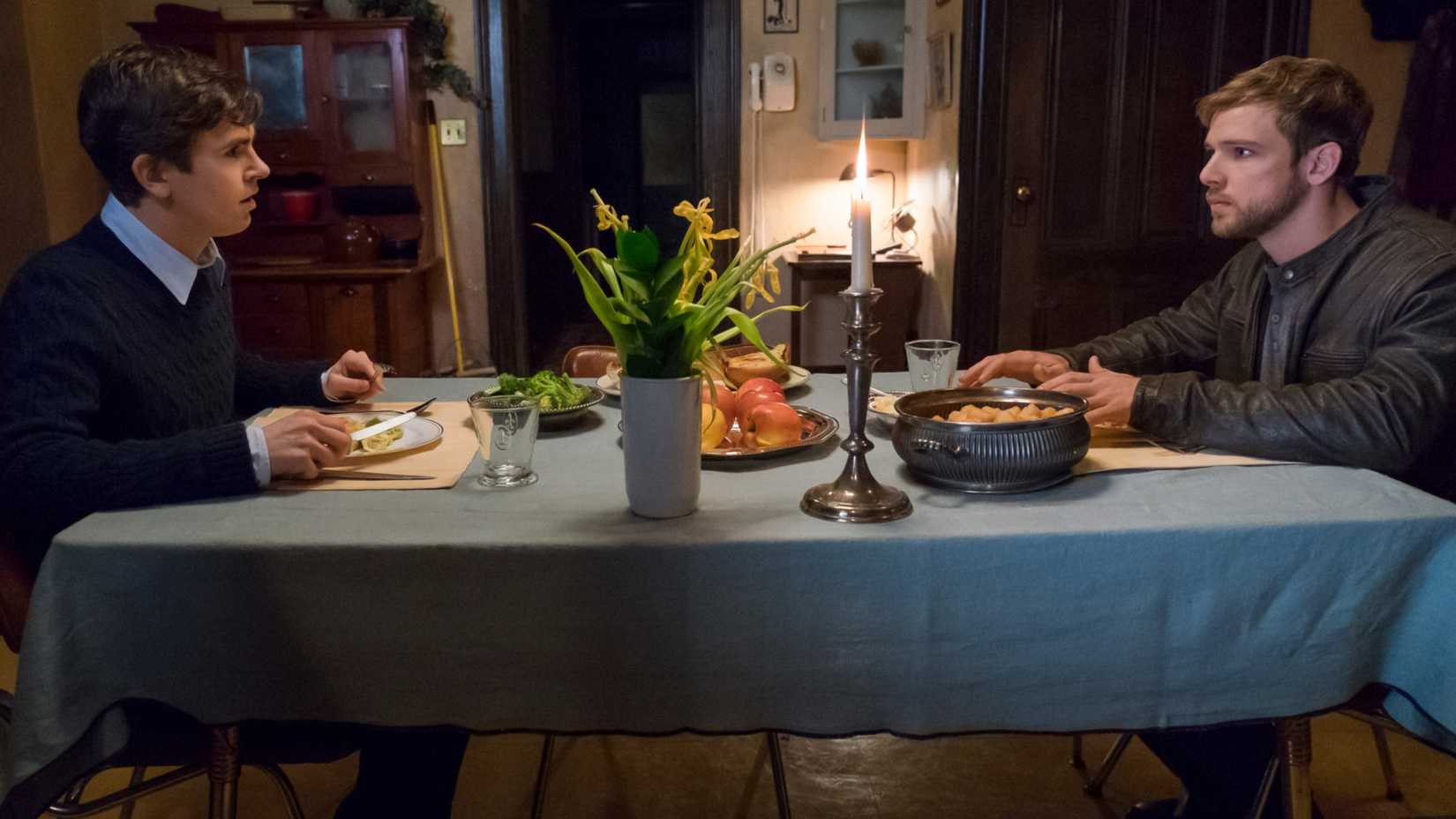
While Bates Motel differs quite a bit from Psycho, it ultimately benefited from fully embracing a fresh take on Norman Bates. One key change was the setting: the show took place in present-day White Pine Bay, Oregon, instead of the 1960s California town from the movie. This was a bold decision, and though some viewers disagreed, it really helped Bates Motel stand on its own.
The show’s Pacific Northwest location created a dark and unsettling mood that perfectly matched its story. Even though the story takes place now, Norman and Norma live a simple, old-fashioned life, with clothes and cars from a different era. This makes the occasional appearance of iPhones or other modern people feel strange and out of sync, adding to the show’s overall feeling of unease.
Perhaps the biggest difference between the show and the movie Psycho is how it developed the Bates family story. In the original film, Norma Bates is already deceased, and the ending reveals that Norman’s “Mother” was a separate personality responsible for the violence. Bates Motel, however, explores the complex relationship between mother and son, showing us how it shaped Norman into the person he became.
This connection fully embodies the disturbing, almost incestuous dysfunction hinted at in the original Psycho. Introducing Norman’s brother, Dylan, only emphasizes the deeply troubled dynamic between Norma and Norman, where both mother and son contribute to the problem. Throughout the five seasons, Norman’s descent into the personality seen in Psycho feels sadly and eerily predetermined.
Norman Bates’ Story Was Best Told As A Television Series
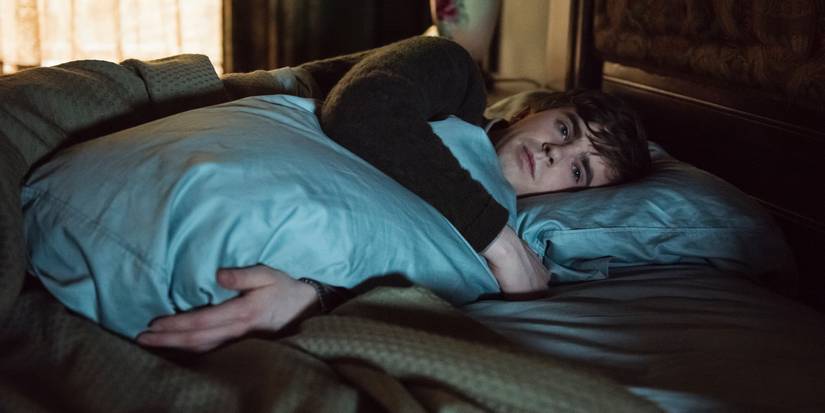
One of the greatest strengths of Bates Motel was its deliberate pacing, which it was able to maintain over its five seasons. Norman’s descent into madness felt gradual at first, but then accelerated rapidly, becoming truly shocking once the show had skillfully blurred the lines between what was real and what wasn’t.
As a big fan of Bates Motel, I always appreciated how the show built this really intricate world around Norman. It wasn’t just about him falling apart, you know? The way they portrayed his mother, Norma, as this incredibly damaging force, actually let me, as a viewer, feel a little less quick to judge Norman. It created this fascinating tension and made the show’s ending – which we knew was heading towards the Psycho story – genuinely surprising. It wasn’t a simple case of madness; it was a complex tragedy shaped by their relationship.
Because the show wasn’t rushed, Bates Motel was able to portray Norman Bates’s descent into madness in a way that felt realistic, natural, and surprisingly unpredictable.
Read More
- New Chris Pratt Sci-Fi Flop Already Out on Streaming
- Доллар обгонит пакистанскую рупию? Эксперты раскрыли неожиданный сценарий
- Universal Announces 2-Month Long Mardi Gras for 2026 With More Information Still to Come
- Heated Rivalry Star Christina Chang Discusses Season 2 and Handling Fame
- Captain America’s Cut Fantastic Four First Steps Scene Revealed (Report)
- House of the Dragon Season 3 Teaser, Photos Reveal New Character
- The Mummy Returns Sets 25th Anniversary Rerelease Date With Poster & Teaser
- Avatar: The Last Airbender’s 8 Biggest Takeaways, 20 Years Later
- Taylor Sheridan’s Mayor of Kingstown Kills Off Tracy in Season 3
- Прогноз криптовалюты OP: прогнозы цены OP
2026-03-21 18:39