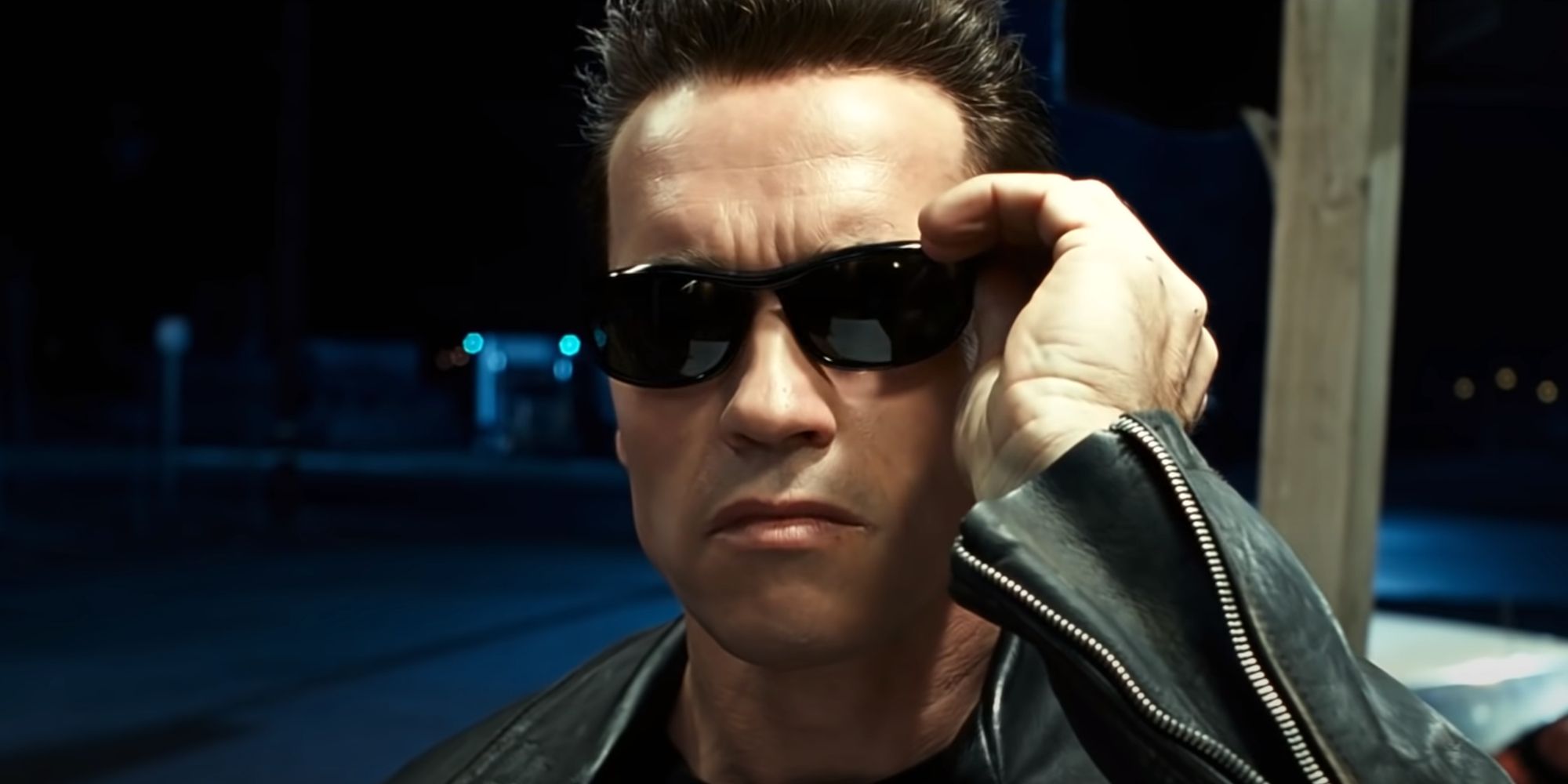
There are many classic sci-fi films, ranging from Ridley Scott’s Alien to George Lucas’ Star Wars. However, when people think of the best sci-fi sequel ever made, Terminator 2: Judgment Day often comes to mind first. Its combination of thrilling action and a surprisingly emotional story has made a lasting impact on popular culture.
While the sequel is more well-known, the original film is actually incredibly strong. Where the sequel relies on action, the 1984 original builds suspense slowly and focuses on the terrifying idea of nuclear war pursuing an ordinary person. The first film is so genuinely frightening and well-made that a sequel almost wasn’t necessary.
The Terminator Delivers Futuristic Terror in a Familiar Face
In The Terminator, Sarah Connor learns she’s destined to be the mother of humanity’s future savior, but a deadly robot assassin from the future is trying to kill her. While being stalked was a common fear in the 1980s, the film’s lasting impact comes from how it taps into a deeper anxiety about machines becoming too powerful.
Released in October 1984, The Terminator tapped into common fears of being stalked to create its horror. However, its science fiction elements felt new, even for audiences already familiar with the genre. This combination of relatable and, at the time, unrealistic fears proved unique, and now feels surprisingly relevant.
These two concepts usually clash, but in this case, they combine seamlessly. His massive, robotic appearance is both intimidating and powerful, and his unwavering pursuit makes even simple tasks like walking to your car at night frightening.
Because the Terminator doesn’t need to eat or sleep, the movie creates a constant sense of urgency and tension. When Sarah Connor finally wins, it feels incredibly satisfying. The film is straightforward, but its story is both easy to understand and surprisingly modern. This combination makes it a truly thrilling science fiction experience, and it also paved the way for a sequel – though the original is so strong that the sequel wasn’t really necessary. The first movie delivers its message perfectly.
The Terminator’s Hopeful Ending Didn’t Need a Follow-Up
The movie The Terminator concludes with Sarah Connor, pregnant with John, riding towards a storm – a symbol of the difficult challenges she’ll face as the mother of humanity’s last hope. But the film’s core message is even more powerful: even when the future is uncertain, hope is what truly matters, because nothing is ever completely decided.
This concept also heavily influenced Terminator 2, where the machine’s unwavering hunt for John Connor leads even Sarah Connor to wonder if the future is unchangeable. Despite this, the sequel’s success ironically doesn’t change the fact that the original film’s message would have resonated even without it.
The story’s emotional impact is strong because the audience is kept guessing about what will happen to Sarah and her son. By not revealing the outcome, it allows viewers to reflect on their own beliefs about humanity and whether or not it’s worth saving. Some might feel hopeless, while others remain optimistic.
The questions weren’t answered until 1991, and even then, it sparked a series of follow-ups that unfortunately got worse with each installment. While sequels often outperform the original financially, they ultimately detract from the impact of the first work.
While Terminator 2 is a sci-fi masterpiece, the first Terminator film is fantastic in its own right. It’s a thrilling and suspenseful chase where the reality of the situation remains uncertain until the very end. Even without a sequel, the original Terminator would have been a lasting classic.
Read More
- Whether Dunk Was Really Knighted in A Knight of the Seven Kingdoms Revealed
- New Chris Pratt Sci-Fi Flop Already Out on Streaming
- Heated Rivalry Star Christina Chang Discusses Season 2 and Handling Fame
- Captain America’s Cut Fantastic Four First Steps Scene Revealed (Report)
- Avatar: The Last Airbender’s 8 Biggest Takeaways, 20 Years Later
- House of the Dragon Season 3 Teaser, Photos Reveal New Character
- Доллар обгонит пакистанскую рупию? Эксперты раскрыли неожиданный сценарий
- Прогноз криптовалюты OP: прогнозы цены OP
- Universal Announces 2-Month Long Mardi Gras for 2026 With More Information Still to Come
- Taylor Sheridan’s Mayor of Kingstown Kills Off Tracy in Season 3
2025-12-19 01:10