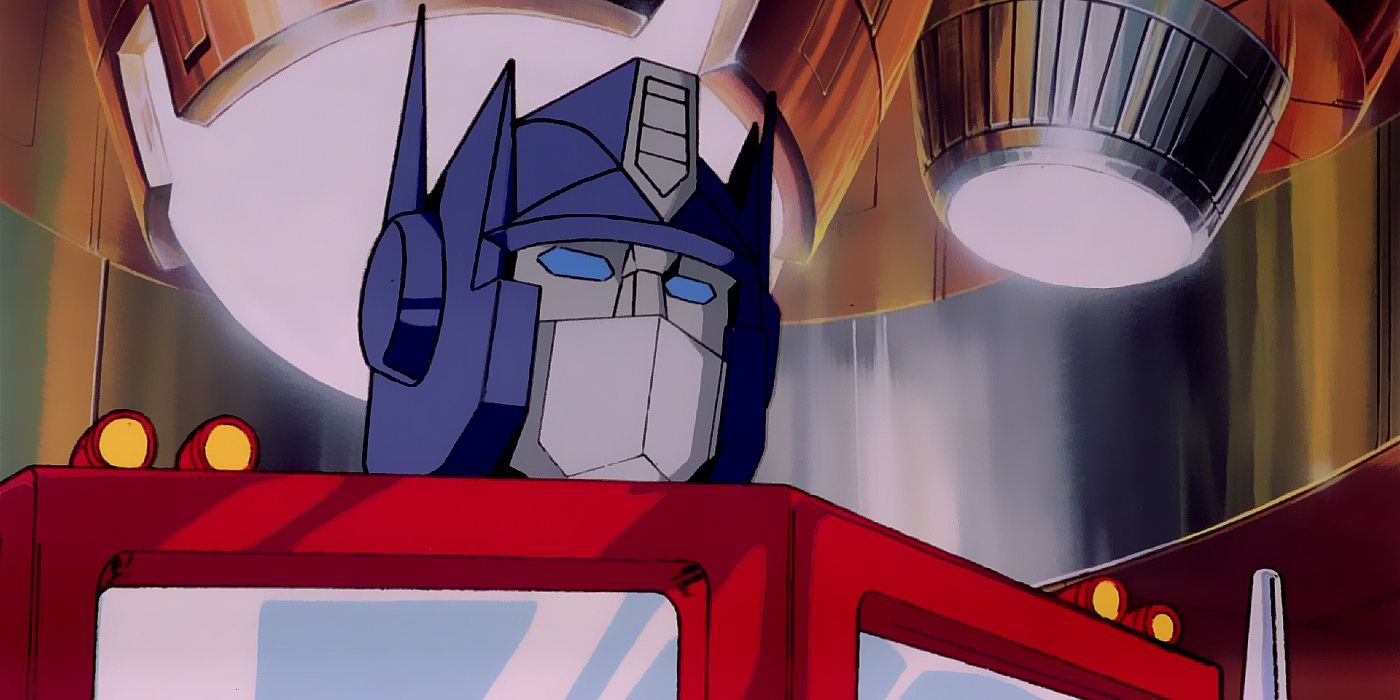
During the summer of 1986, a single line from The Transformers: The Movie resonated with audiences and became a defining moment for the entire franchise. As Optimus Prime made his final sacrifice, he declared, “Megatron must be stopped…no matter the cost.” This statement perfectly captured his heroic character and became the emotional heart of the series.
Optimus Prime’s famous last words and his death in battle with Megatron were a turning point for both the character and the entire Transformers series. This event changed what the show was about and raised the stakes for everyone involved. Even after nearly 40 years, fans still remember it as a key moment. It showed that real leaders prioritize sacrifice over simply holding power.
The Decision to Kill Optimus Prime in The Transformers: The Movie was Disputed
As a film buff, I still remember that scene being absolutely heartbreaking – easily one of the most devastating moments of the ’80s. Apparently, it wasn’t an easy decision to make creatively; there was a lot of debate. The filmmakers knew they were taking a risk, but Hasbro, the toy company, really pushed for it, thinking it would help sell a new range of toys. They totally misjudged how much fans loved Optimus Prime, though. The backlash was pretty significant, and it proved just how attached people had become to that character.
The strong negative reaction to Optimus Prime’s death in The Transformers: The Movie pushed Hasbro to bring the character back and significantly change plans for future films. Because of this, when the original script for G.I. Joe: The Movie included the death of Duke, Hasbro worried about a repeat of the backlash and decided to alter the storyline. Ultimately, these events changed how the company handled the possibility of killing off popular characters.
As a longtime fan, I always felt the creators really missed the mark with how they treated the characters – they seemed to see them as expendable, which was a huge mistake. Take, for example, this one character who many of us grew up with, almost like a father figure. His death wasn’t a clever twist for us; it felt like a real betrayal. We’d come to rely on his presence, and losing him wasn’t surprising storytelling, it was just hurtful.
Ron Friedman, the lead writer, urged Hasbro to rethink their decision to kill off Optimus Prime. He believed that, as the main character of the franchise, his death could disrupt the show’s storyline and disappoint many fans. Although his concerns were dismissed at the time, he was later proven correct. After the film was released, Hasbro received a flood of complaints from upset fans.
In his 2019 memoir, “I Killed Optimus Prime,” Friedman recounts his efforts to prevent the character’s death. While the decision initially angered many fans, the continued discussion around it shows it deeply affected them. Ultimately, confronting the loss of a beloved hero helped transform Transformers from a simple toy line into a franchise with genuine emotional depth and storytelling power.
When Friedman saw his ideas were being dismissed, he changed his approach. Accepting that Optimus Prime was destined to die, he decided to make the moment meaningful. He emphasized themes of courage and lasting impact, wanting to ensure the sacrifice wasn’t pointless. He revised the scene to transform Optimus’s death into a legendary tale, ensuring his spirit would live on.
Friendman’s attention to the line, “no matter the cost,” reveals it wasn’t just an order, but a core belief defining Optimus Prime’s character. It became his defining promise, and ultimately, the moral center of the entire franchise. This line, and the serious consequences that followed, added depth and realism. Optimus’s sacrifice demonstrated that the ‘cost’ he spoke of was genuine and impactful for everyone involved.
The ongoing discussion about this moment proves how significant it was, regardless of personal opinion. It wasn’t the product of one person’s idea, but rather came from disagreements and compromises – a struggle between making money and telling a good story. This tension, both behind and in front of the camera, is what continues to resonate with fans. Ultimately, it fundamentally altered how people see Transformers.
The Transformers: The Movie was Caught Between Controversy and Cult Status
While The Transformers: The Movie is now a fan favorite and considered the best in the series, it wasn’t always popular. When it came out in 1986, the film didn’t do well at the box office and received negative reviews. It opened at number fourteen and was quickly overshadowed by bigger summer hits like Aliens and Top Gun. A particularly shocking event – the death of Optimus Prime – also had a significant impact on audiences at the time.
Several new characters were introduced in The Transformers: The Movie with the intention of becoming the next wave of toys. However, negative fan reactions prevented some of these new Transformers from gaining traction. Rodimus Prime, in particular, never really had a chance with audiences, who blamed him, at least in part, for Optimus Prime’s death. Fans simply didn’t ask for, or want, a replacement for Optimus.
The film sparked strong reactions from fans, and many long-time viewers criticized the story decisions. A lot of beloved Transformers characters disappeared after the beginning of the movie. While fans were upset to see series mainstays like Ironhide and Ratchet reduced to minor roles, this change actually helped to show how fragile the Autobots really were.
The movie featured Wheelie, a character who later became quite infamous. While filmmakers hoped Wheelie would attract younger viewers, he actually emphasized the film’s tonal inconsistencies, a common criticism. Many found Wheelie distracting from the more important plot points, and his high-pitched, rhyming speech was particularly irritating to audiences.
Honestly, despite all the initial problems with the film, what really stuck with me – and I think what made it a classic – was Optimus Prime’s death scene. It was just so powerful. And the music! That soundtrack was incredible, especially with all the guitar and synths. It wasn’t just background noise; it perfectly matched what was happening on screen and took the whole experience to another level, making it a truly unforgettable cultural moment. I mean, you hear “The Touch” by Stan Bush and you instantly think of this movie – it’s totally linked to it in my mind.
Although “The Touch” is strongly associated with Optimus Prime’s arrival in Transformers: The Movie, Kate Bush originally wrote it for Sylvester Stallone’s film Cobra. The song wasn’t ultimately used in Cobra, and it later found its place in Transformers: The Movie, becoming a memorable part of the film’s legacy.
After its initial release, opinions about The Transformers: The Movie shifted over time, and its bold decisions started to resonate with audiences in new ways. Both fans and critics eventually recognized that the film uniquely and honestly tackled difficult themes like grief, death, and what we leave behind. The powerful promise and ultimate sacrifice of Optimus Prime are key to why the movie remains so impactful.
You know, it’s funny – this movie isn’t perfect, not by a long shot. But it sticks with you. It really became a part of our culture, tapping into something genuinely emotional. What people initially criticized about it actually ended up being what made it so special. I think a lot of us, growing up, were really impacted by Optimus Prime’s voice and that line about doing what’s right ‘no matter the cost.’ It taught a whole generation a lot about loyalty and what it truly means to be a hero.
The Death of Optimus Prime Paid Off in the End for Transformers
Even though the filmmakers took a big risk with their choices, The Transformers: The Movie didn’t hold back. Nearly 40 years later, the powerful scene of Optimus Prime’s death and his determination to defeat Megatron still resonates with viewers. While it shocked and saddened many fans who grew up with the cartoon in the ’80s, it ultimately made the Transformers franchise more compelling.
Looking back, the movie’s message about sacrifice and doing what’s right is now clear, largely due to Ron Friedman’s careful handling of Optimus’s death. He made sure the consequences Optimus faced felt meaningful and justified. While the scene was upsetting for some viewers as children, it ultimately set the stage for the rest of the series.
Fans are excited to see a faithful and moving version of the story brought to life on the big screen, and they’ll always have the original movie to cherish. Recent adaptations focus more on action, but they sometimes lose the emotional impact of moments like Prime’s sacrifice, which taught audiences the importance of selflessness and valuing others.
2026-05-29 03:39