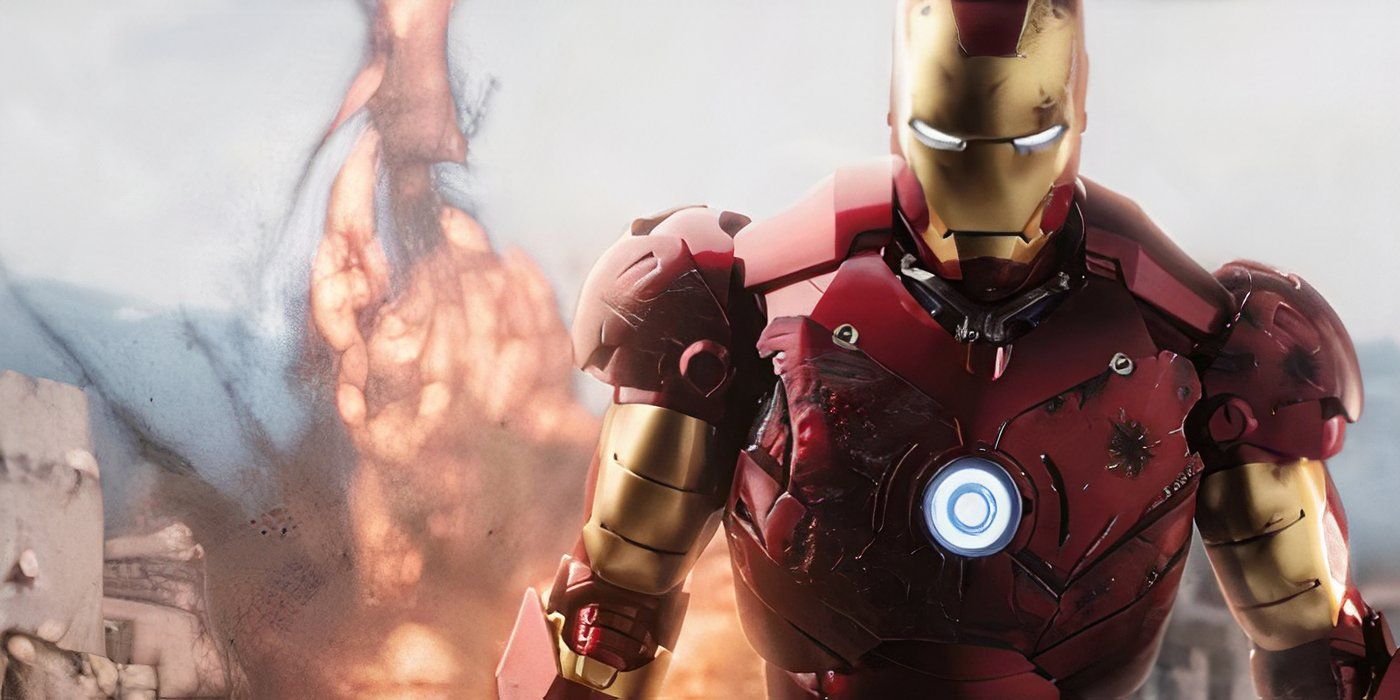
It’s been nearly 18 years since the Marvel Cinematic Universe began with Iron Man, and Marvel Studios has since created a massive cultural phenomenon. The popularity of Marvel is greater now than it ever was, even during the height of the X-Men movies in the early 2000s. While this widespread success has brought many benefits, like a huge amount of content for fans, it’s also significantly changed Marvel Comics in ways many fans dislike.
For the past twenty years or so, the relationship between Marvel movies and comics has shifted. Originally, the comics provided the stories for the films and TV shows. Now, Marvel Studios also impacts what happens in the comics. This change has altered established storylines, and many fans are frustrated, particularly because it seems to be simplifying complex characters to appeal to a wider audience.
The MCU Started Influencing Marvel Comics’ Existance
When Marvel launched the Marvel Cinematic Universe with Iron Man and The Incredible Hulk in 2008, no one predicted its massive success. These early films, and many after them, were based on well-known stories from the original Avengers comics, though some adaptations took creative liberties. For instance, the idea of Hawkeye and Black Widow being original Avengers instead of Ant-Man and the Wasp surprised some fans. Regardless, the movies consistently looked to the comics for inspiration, bringing those storylines to life on the big screen.
Around the time The Avengers movie came out, everyone – not just Marvel fans – noticed that Marvel Studios had created something truly special. The films began attracting a wide range of viewers, and the Avengers quickly became a major part of popular culture. Before that, only Spider-Man and a few X-Men characters had reached that level of mainstream success.
Marvel’s huge success with its films changed how people saw the comics as well. The comics began to focus on stories that would appeal to movie fans, hoping they’d become readers. For a couple of years after the Secret Wars event, the Avengers were the main focus, while other popular teams like the Fantastic Four and X-Men received less attention.
I remember when Marvel really tried to make the Inhumans a big thing – it just didn’t click, honestly. And it felt like things started shifting where the movies were influencing the comics more than the other way around. A perfect example was Civil War II. They released that comic in 2016, right after Captain America: Civil War came out, and it was super obvious they were trying to ride the wave of the movie’s popularity. It felt like everything became about making things connect, and that’s when a lot of fans, myself included, started to feel like the characters weren’t being treated right.
Some Marvel Heroes Were Changed Forever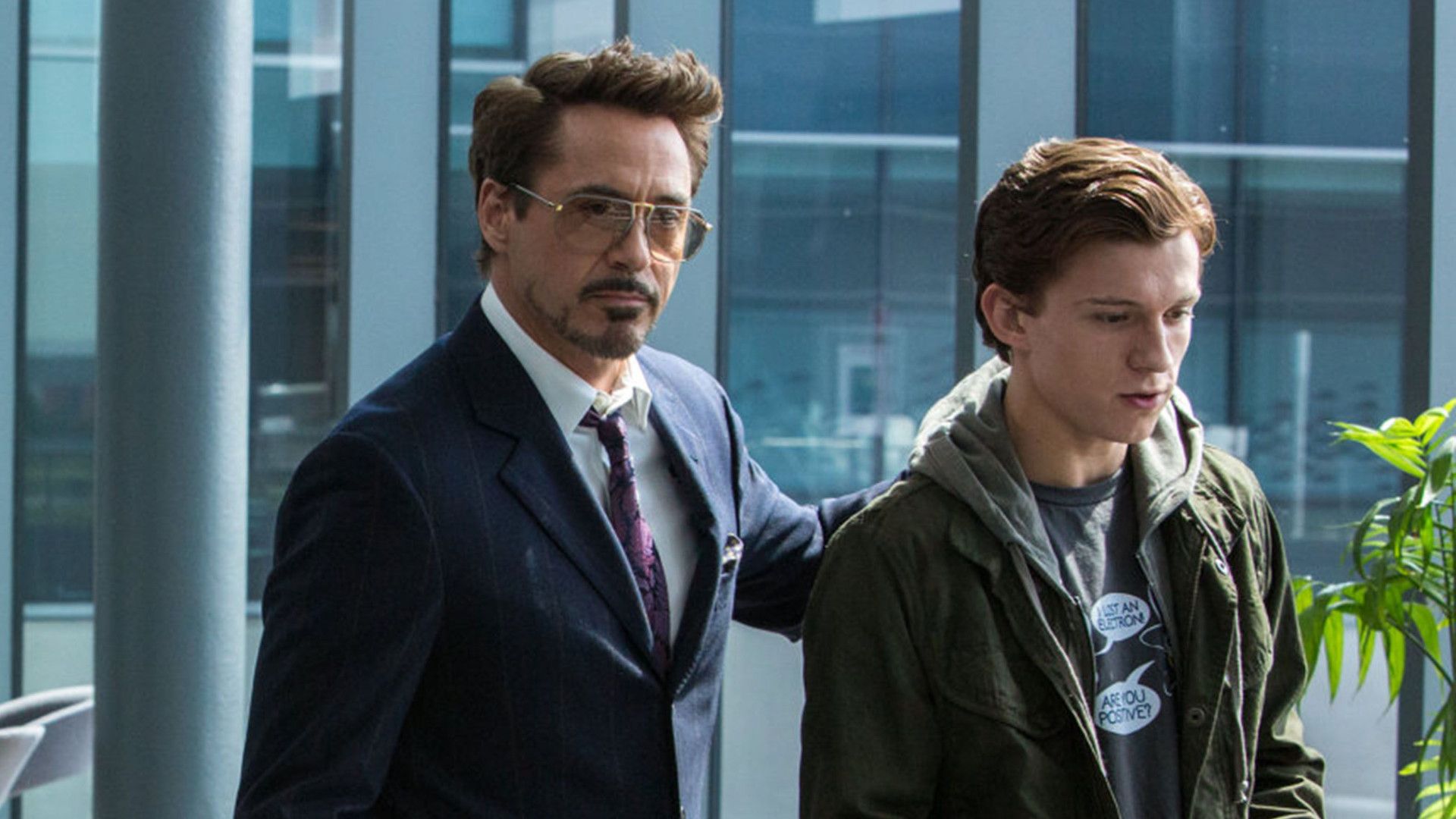
The shift really began when Iron Man started to reflect the style of the Marvel Cinematic Universe in the comics. Matt Fraction’s Invincible Iron Man introduced a Tony Stark who was much more humorous and charming, a departure from the more serious character he’d been before Robert Downey Jr. portrayed him. This comic series was released in July 2008, just a few months after the Iron Man movie launched the MCU.
The recent changes to Iron Man weren’t a huge departure from what came before. The 2004 comic series Iron Man: Extremis, by Warren Ellis and Adi Granov, had already begun updating the character’s story, making his armor a part of his body and shifting away from the previously serious portrayal of Tony Stark. Robert Downey Jr.’s performance then built on those changes, and the character continued to evolve, becoming increasingly similar to the version audiences see in the Marvel Cinematic Universe.
Iron Man was only the first step. Marvel Studios successfully transformed the character, giving him a more approachable personality while still maintaining the serious weight he carries in the comic books. They even made his previously reckless behavior endearing, despite the character’s struggles with addiction in the source material. However, this approach didn’t translate well to every character.
When comparing heroes, Star-Lord is a strong contrast to Iron Man. While the Guardians of the Galaxy team saw changes from their comic book origins, Peter Quill, also known as Star-Lord, underwent the most significant transformation. He shifted from a serious, experienced leader relying on his instincts to a more comedic, immature character known for his one-liners. Unlike Iron Man, who was intentionally softened to appeal to younger audiences, there wasn’t a clear narrative reason for Star-Lord to become so emotionally childish and witty. Interestingly, this new take on Star-Lord eventually influenced the comic books themselves.
Several heroes experienced noticeable shifts in their characterizations. Spider-Man was reimagined as a teenage protégé to Iron Man, Kate Bishop’s compelling backstory was simplified to portray her as a devoted fan, and Thor, once a mighty hero, was turned into a comedic figure under Taika Waititi’s direction. These changes ultimately made the characters feel less compelling.
The increasing use of a specific style of humor, often associated with Marvel movies, has begun to simplify many of the characters in Marvel Comics. While fans were initially understanding when this appeared in adaptations like films, it’s become a major issue now that it’s affecting the comics themselves.
A major issue arose from significant changes to established backstory. One of the first big shifts between the movies and comics involved Scarlet Witch and Quicksilver – originally depicted as mutants. The 2015 film Avengers: Age of Ultron presented the Maximoff twins differently, and the comics followed suit that same year by attributing their powers to the High Evolutionary. This felt particularly awkward for Scarlet Witch, as her story has long been connected to the X-Men, especially after the events known as Decimation Day.
The show Ms. Marvel provides another clear instance of these changes. Even before the series premiered in 2022, Kamala Khan was already well-known as Marvel’s most popular Inhuman character. However, the Marvel Cinematic Universe (MCU) disregarded this established backstory and presented Ms. Marvel as the first mutant in the franchise. Interestingly, less than a year later, Marvel Comics itself altered Kamala’s origins, reintroducing her as a character with both Inhuman and mutant powers in X-Men: Hellfire Gala 2023 #1.
As a huge fan, this whole shift just felt… forced. It didn’t feel natural to Kamala’s story at all. What really bothered me was how it messed with her background – her Inhuman side was so tied to her experience as a minority, and her powers were supposed to be about growing up and changing. The Inhumans were always presented as people who became something special, not heroes who were destined to be, unlike the X-Men. Honestly, it was disappointing when it was just in the show, but seeing it carried over to the comics? It completely broke the character for me.
Namor’s recent reimagining, drawing heavily from Hispanic culture, gave his character welcome depth. This exploration of colonialism felt particularly relevant as he entered the spotlight. However, this approach isn’t common – often, changes to heroes detract from their stories. As a result, we’ve seen a lot of flat, oddly-behaved comic book heroes over the last ten years, and fans haven’t been able to form a strong connection with them.
Marvel Comics Is No Longer An Independent Entity
The Marvel Cinematic Universe (MCU) was at its most popular in 2019 with the release of Avengers: Endgame, which became its biggest hit. While the MCU isn’t quite as dominant now, seven years later, it continues to benefit from that success. The franchise has allowed Marvel as a whole to grow, but this has unintentionally overshadowed the comics themselves. Now, the MCU drives what happens with Marvel Comics, rather than the comics inspiring the films.
It’s understandable why Marvel focuses on what’s popular in the movies – the MCU reaches a much wider audience than the comics ever did. The idea is to use the films to draw people to the source material. However, this approach has overlooked the rich, decades-long history of Marvel Comics, weakening its unique identity and prioritizing broad appeal over quality storytelling.
It hasn’t all been negative. The Marvel Cinematic Universe has actually enriched the comics by introducing fantastic original characters who seamlessly transitioned into them. For example, Phil Coulson became a popular S.H.I.E.L.D. agent, and Darcy Lewis went from assisting Jane Foster to running Scarlet Witch’s Emporium. Plus, some storyline changes have been instantly embraced by fans.
Overall, the recent changes haven’t been positive, and with the Marvel Cinematic Universe becoming less popular, things aren’t looking up. Marvel seems to be relying heavily on familiar faces like Robert Downey Jr. and Chris Evans in Avengers: Secret Wars, which risks damaging the strong foundation built by the Infinity Saga. There’s a concern they might do the same with their comic books, altering established stories and character arcs simply to boost sales.
Read More
- New Report Hints Superman’s Box Office Wasn’t Profitable Theatrically
- Прогноз криптовалюты ATOM: прогнозы цены ATOM
- Прогноз нефти
- Here Me Out: Task Season 2 Would Be Great, But There’s A Crossover I Already Want Even More
- ETF Solana: 16 дней 💰 дождя, но продлится ли вечеринка? 🎉
- Netflix’s Next K-Drama Looks Like Your Favorite Fanfiction Come to Life
- The Prestige TV Revolution Set Procedurals Back Decades
- Prime Video’s 10/10 Sci-Fi Fantasy Masterpiece Can Only Get Better With A New Addition
- JRR Tolkien Confirmed the Greatest Piece of Lord of the Rings Lore
- See Tiffany Mitchell And Michael Rapaport Learn Who The Real Traitors Are After Getting Eliminated: ‘I Was Wrong About All Of Them!’
2026-02-14 16:13