In 2026, the Marvel Cinematic Universe will celebrate its 18th anniversary, starting with the original Iron Man and The Incredible Hulk films. That means the MCU will soon be old enough to vote! For almost two decades, it’s grown into the most successful media franchise ever, making characters like Doctor Strange, Shang-Chi, and Ant-Man incredibly popular. But while the MCU has thrived, some comic book fans believe its success has actually harmed the original comics.
As the Marvel Cinematic Universe has become more popular, Marvel Comics has sometimes updated character origins or established storylines to tie them more closely to the films. However, the claim that the MCU is damaging the comics by changing the source material is an oversimplification. Historically, Marvel Comics has always adapted its characters for different media, including movies – this isn’t a new phenomenon started by the MCU.
Marvel Comics Making Changes to Match Movies and TV Is Nothing New
New Line Cinema
As a longtime follower of Marvel, I’ve always been fascinated by how the comics and their adaptations influence each other. It’s not just a one-way street – the movies and TV shows don’t just take from the comics. In fact, the animated series often pioneered ideas that later made their way back into the source material. A perfect example? The chemistry between Rogue and Gambit. That iconic pairing, the playful tension, the will-they-won’t-they dynamic? That really blossomed in X-Men: The Animated Series and the comics wholeheartedly adopted it, making it central to both characters’ stories.
The idea of the symbiote suit bringing out Peter Parker’s aggression – a storyline seen in both the movie Spider-Man 3 and the game Spider-Man 2 – actually started in Spider-Man: The Animated Series, not in the original Marvel comics. Marvel later added this backstory to the comics themselves. Today, many fans would consider telling the symbiote suit story without that darker, tempting side of Spider-Man to be a major change, even though it was originally done to connect the comics with the popular animated show.
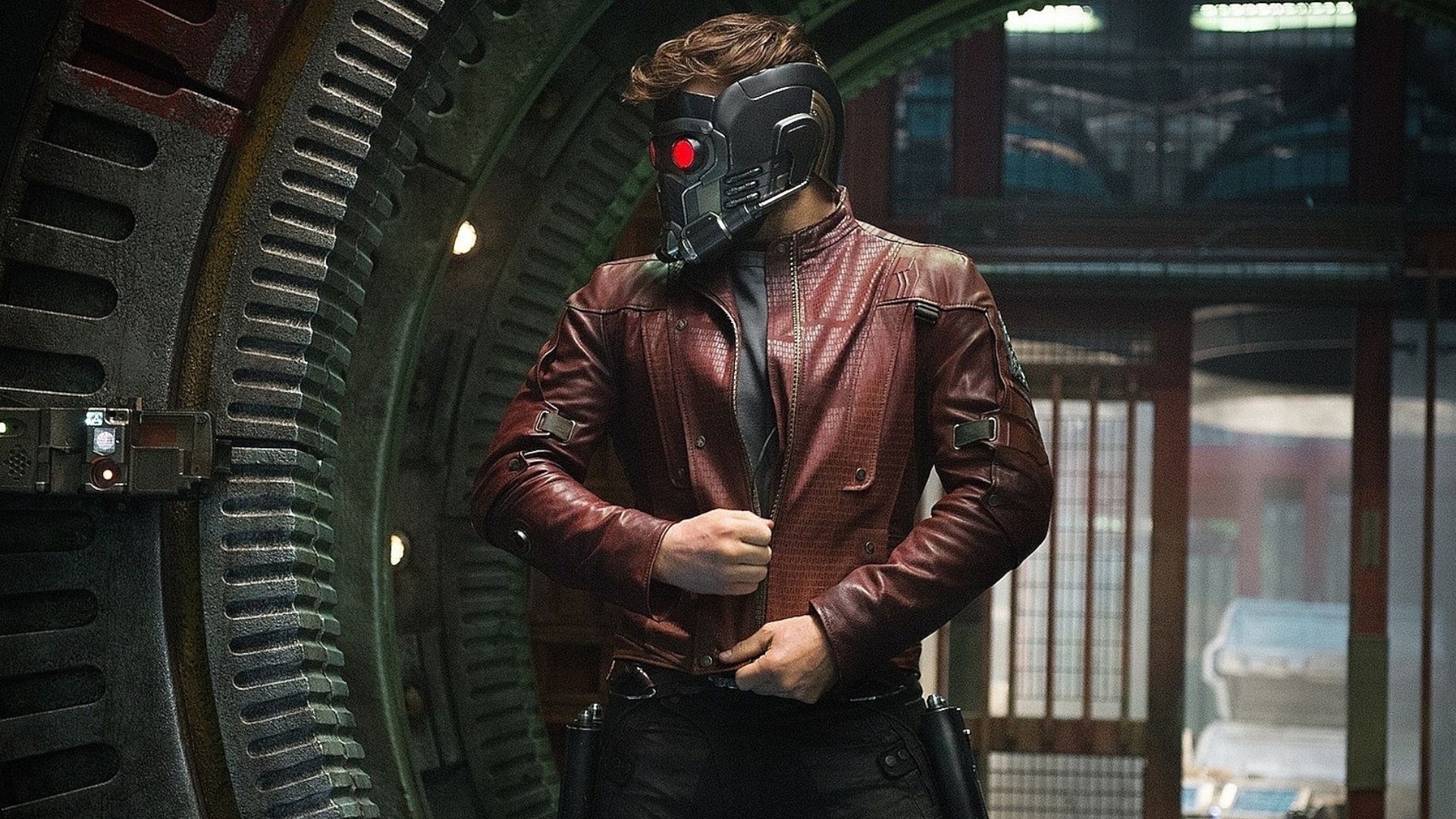
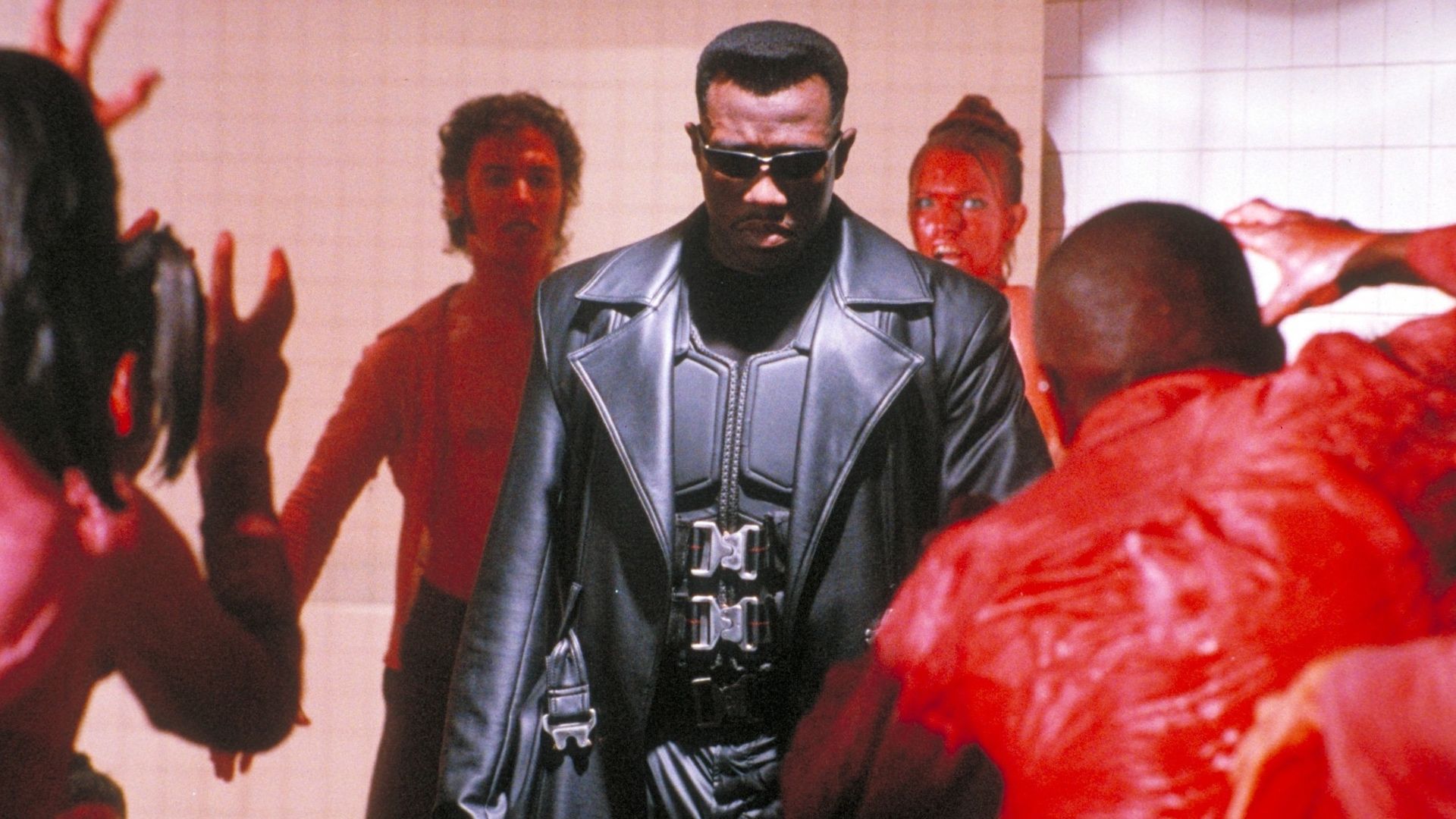
It’s not surprising to see Marvel Comics altering a lesser-known character like Star-Lord to align with his portrayal in the Marvel Cinematic Universe. They previously did something similar with Blade after the 1998 movie. For almost 30 years, the Blade most comic book fans are familiar with isn’t the original version from the 1970s Tomb of Dracula comics, but the one inspired by Wesley Snipes’ portrayal of the character.
Following the release of the first X-Men movie, which updated the team’s look, the comic series New X-Men gave the characters a more modern style with black leather jackets – similar to what audiences saw on screen. Now, after almost 25 years, those iconic suits are coming to the animated series X-Men ’97. The original X-Men film also popularized the idea that Magneto’s helmet protected him from Professor X’s mind-reading abilities, a concept that became a staple in the comics.
It’s widely accepted that Civil War II felt like a quick attempt to capitalize on the popularity of Captain America: Civil War. However, this isn’t a new practice for Marvel. Back in 2007, the “Back in Black” storyline across several Spider-Man comics (like The Amazing Spider-Man #593-543) coincided with the release of Spider-Man 3. This storyline featured Peter Parker wearing the black Spider-Man suit, which was also a key element of the movie. Even Friendly Neighborhood Spider-Man (#17-19) had a black-suited Spider-Man battle Sandman, a villain from Spider-Man 3. Throughout its history, Marvel has frequently used comics to promote its films and vice versa.
MCU Synergy Has Yielded Fan Favorite Storylines and Characters
Marvel Studios
Many fans feel that Marvel Comics were at their peak before the Marvel Cinematic Universe became popular. They believe the most memorable stories were published earlier, and that more recent comics have simply been ways to promote the movies. There’s some truth to this, especially considering how characters like the X-Men and Fantastic Four were less prominent in the 2010s because of movie rights issues with 20th Century Fox. While people often fondly remember events like Civil War or Ed Brubaker’s work on Captain America, plenty of great Marvel comics are still being published. In fact, the effort to connect the comics with the movies has actually led to some excellent new stories.
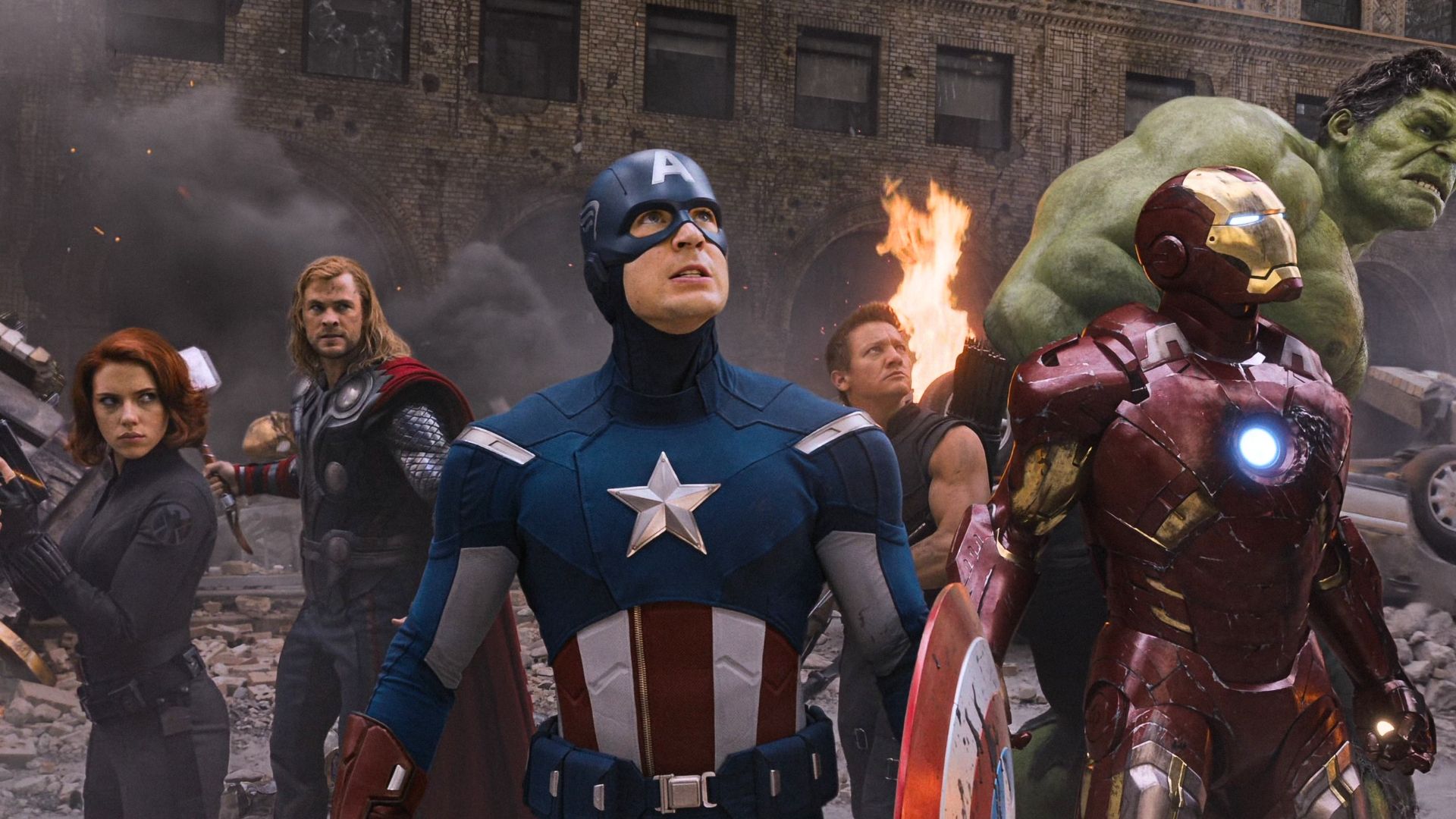
In 2012, Matt Fraction and David Aja launched a new Hawkeye comic series, expanding on the character’s appearance in The Avengers movie. This comic reimagined Hawkeye and heavily influenced the 2021 Disney+ series of the same name. Similarly, Tom King’s Visions and James Robinson’s Scarlet Witch comics both came out shortly after these characters were featured in Avengers: Age of Ultron. Jason Aaron’s popular run with Thor, which later provided the basis for Thor: Love and Thunder, began after Thor’s first solo movie and his role in The Avengers.
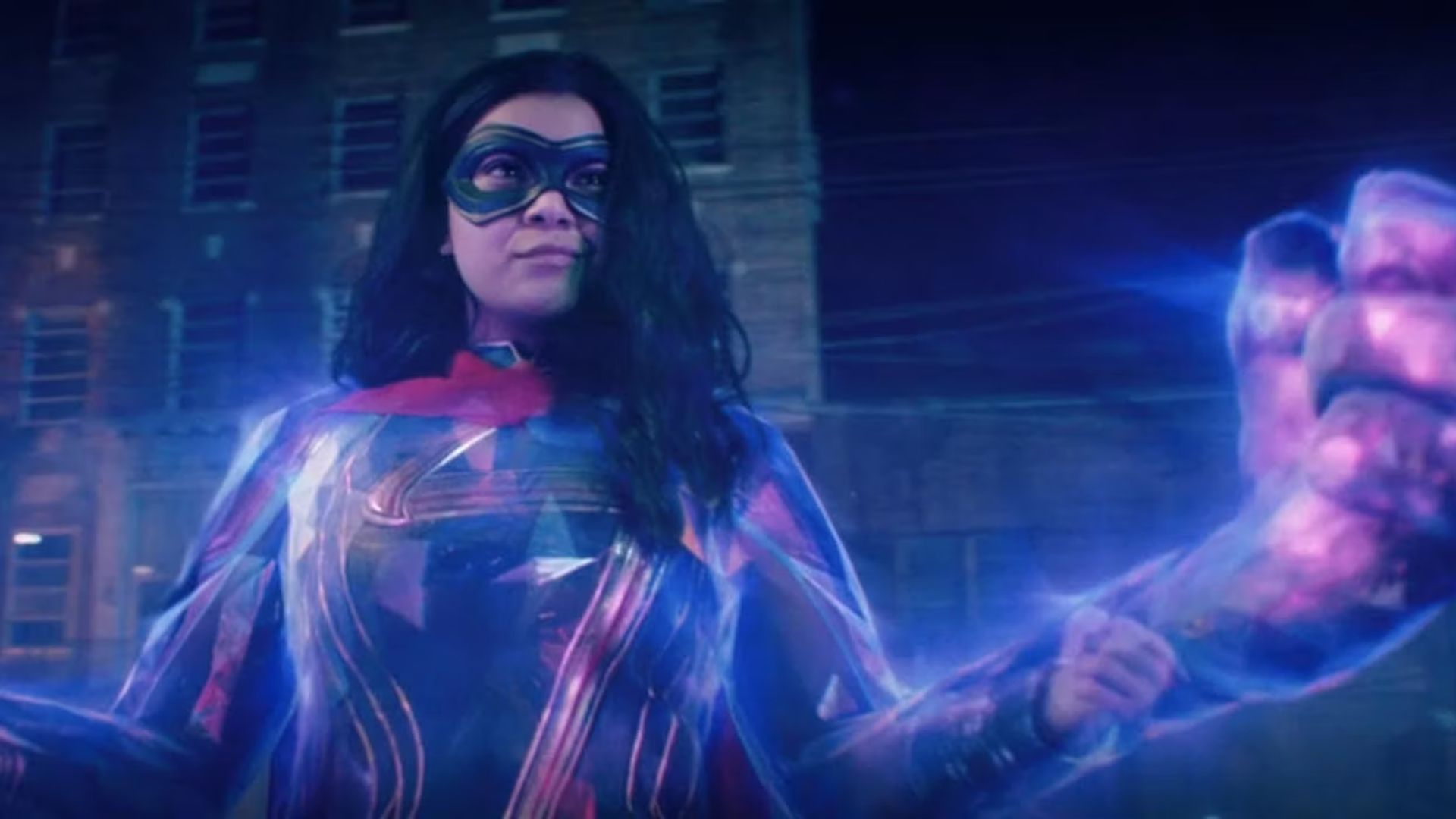
Some fans were upset when Marvel changed Ms. Marvel’s backstory and powers in the comics to match her version in the Marvel Cinematic Universe. However, it’s important to remember that Ms. Marvel was originally created as part of a marketing strategy. Marvel Comics initially promoted the Inhumans while minimizing the X-Men because they didn’t own the movie rights to the X-Men. While it’s understandable to be disappointed by the change, many popular characters, including Ms. Marvel, are often influenced by the needs of the movies and TV shows.
The timing of Avengers/X-Men/Eternals: Judgment Day with the Eternals movie release was notable, but the story stands on its own within Marvel Comics. The current X-Men era, focused on Krakoa, could potentially inspire the new X-Men films in the Marvel Cinematic Universe, though it’s best appreciated as a complete story regardless. Similarly, comics like Al Ewing’s Indestructible Hulk and Immortal Thor, or Rainbow Rowell’s She-Hulk, may have benefited from character popularity or upcoming MCU projects, but weren’t created specifically to set up future movies or TV shows.
Fans sometimes struggle with the idea that comics might just be used to test out ideas for Marvel movies and TV shows. If a story resonates with someone, does it really matter why the comic was created in the first place?
Embracing Change
Marvel Studios
Fans generally prefer comics to build on the established stories from movies, rather than the other way around – the traditional view is that comics should be the origin of a character’s history. However, it’s common for details from movies and TV shows to find their way into the comics. A good example is DC Comics’ Superman. Many of his most famous traits, like Kryptonite, the symbol on his chest, and even his ability to fly, actually first appeared in other media, not the original comics. It’s hard to imagine Superman without those now-essential elements.
A lot of the criticism aimed at the Marvel Cinematic Universe likely stems from its immense popularity. When something is so widely loved, it becomes difficult to add anything new without facing negativity – as the Spider-Man villain Green Goblin famously pointed out, even beloved figures eventually attract hate. Comic book fans often feel protective of their favorite characters and how they were originally written. Changes to established storylines can feel like a betrayal, especially since many dedicated comic readers won’t even see these new versions, while Marvel seems to be focusing on attracting viewers who aren’t invested in the source material, potentially upsetting longtime fans.
While it’s admirable to value the origins of Marvel characters, that passion can sometimes feel exclusionary. For many people, the Marvel Cinematic Universe is their first experience with these heroes, and some long-time fans resent that. This has led to a division, where some try to distinguish between dedicated ‘true fans’ and those who only know the characters through the MCU.
For Marvel to attract new comic readers, they need to do more than just make small changes to the stories. They need to find ways to reach a wider audience easily. At the same time, longtime fans should be more welcoming to people who first discovered Marvel through the movies, and understand that change isn’t always negative. Surprisingly, some of the things fans love most about Marvel actually started in other places, not the comics themselves.
Read More
- ‘And Then The Chesty One Comes In.’ SNL’s Cut For Time Sketch Hilariously Reimagined Sydney Sweeney And Zendaya’s Euphoria
- Five Nights At Freddy’s 2 Review: The Video Game Movie Sequel Limbos Under The Low Bar Set By The First Film
- Why Hopper Doesn’t Trust Kali in Stranger Things Season 5
- Netflix’s #1 Trending Comedy Proves Critics Are Wrong About This $523 Million Franchise
- The Rising of the Shield Hero Season 4 Episode 4 Release Date, Time, Where to Watch
- It’s Been Weeks Since I Watched Freaky Tales, And I’m Still Thinking About That Random Tom Hanks Scene
- ‘I Think We’re In Trouble’: Miles Teller Gets Real About Fantastic Four Flopping (And Who Is Responsible)
- CBS Effectively Explains Why Tracker Got Rid Of Bobby & Velma
- 2025 Officially Marked The Start Of An Era For Spider-Man
- 10 Times Lex Luthor Gained Powers
2026-03-01 23:10