
I really enjoy seeing books turned into movies, and that’s why I was excited about The Housemaid film. It’s fascinating to see how Hollywood interprets a story and what gets changed in the process. Since Freida McFadden’s book became a huge bestseller in 2022, a lot of people have been talking about it, and now that the movie is out, I want to share my thoughts on the differences between the two – both the major and minor ones.
Overall, the film stays fairly true to the original story and is really enjoyable to watch with others. However, there are some notable differences between the two versions. Whether you’re familiar with the movie or were one of the many readers who made The Housemaid novel a hit – it’s sold 3.5 million copies and spent 130 weeks on the New York Times Best Seller list, according to Deadline – there’s a lot to discuss. Be warned: spoilers follow!
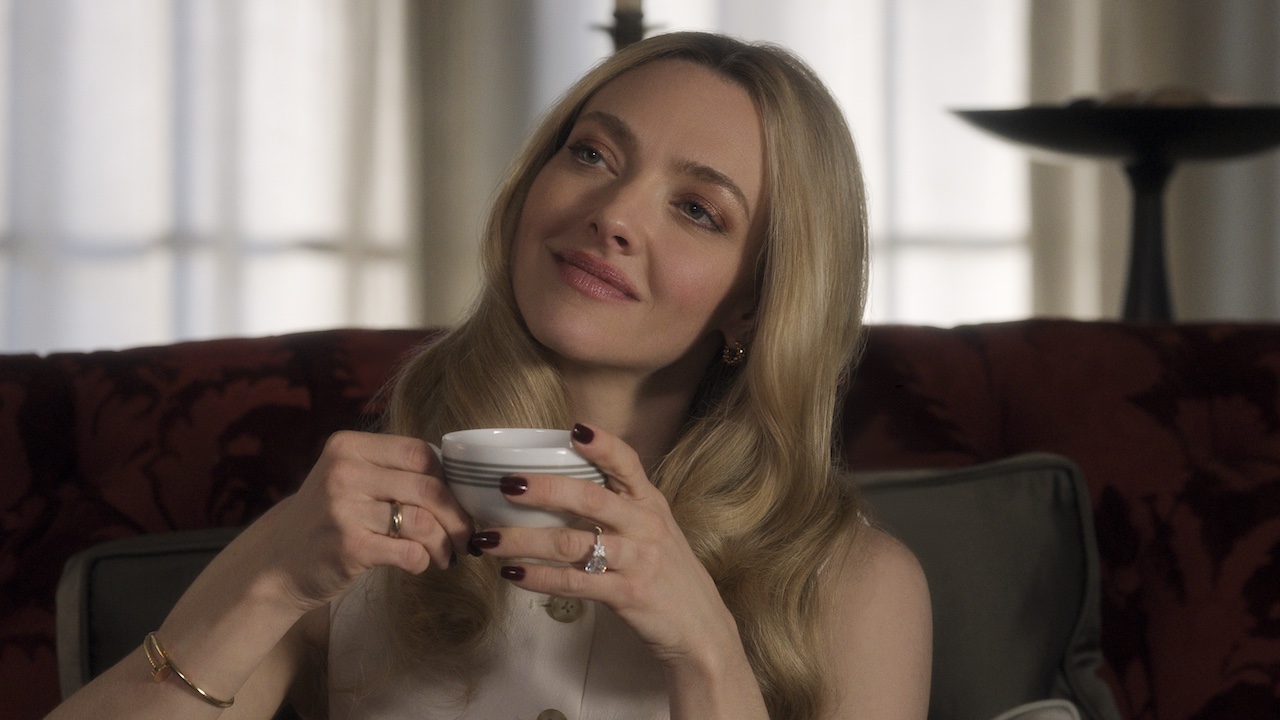
The Movie Version Of Nina Is Quite Different
I really enjoyed Amanda Seyfried’s portrayal of Nina Winchester. In some ways, I think it worked because she didn’t perfectly match the character in the book. I actually found her Nina much more sympathetic than the original. I remember being shocked while reading the novel by how demanding Nina was with Millie, and how she made her do things. By the time Andrew left Nina, I was firmly on Millie’s side and couldn’t condone Nina’s behavior, until the book’s plot twist. Seyfried’s Nina isn’t quite as harsh as some of her other roles, but knowing her character’s history from the beginning probably made me feel more empathy for her right away.
One change from the book is how Nina’s appearance is handled. In the book, she struggles with overeating and is noticeably larger than the other mothers, leading to gossip. The movie tries to imply the other moms are critical of her appearance, but I thought Amanda Seyfried looked beautiful throughout. I felt the actress effectively portrayed Nina’s mental instability, and the focus on that was more compelling than any minor physical flaw.

Millie And Andrew’s Romance Moves Quicker In The Movie
The film handles the relationship between Millie and Andrew differently than the book. In the novel, their attraction develops gradually, hinted at through Millie’s thoughts, and they don’t act on it for a long time. The movie, however, quickly establishes the potential for an affair between them.
Okay, so there’s this dream sequence where Andrew brings Millie a cupcake, and she starts imagining him making a move on her in the attic. It totally makes sense why they foreshadowed that earlier, but honestly, I felt like Millie acted a little too impulsively compared to how she was in the book – things just seemed to escalate faster here.

Enzo Has A Much Smaller Role In The Movie
It’s disappointing to see how much of Enzo, the gardener’s, storyline was removed. Michele Morrone, who plays him in 365 Days, had a lot more to work with in the book. Millie originally had many more conversations with Enzo before his secret was revealed – like him first speaking to her in Italian to warn of “danger” – and she actively sought him out to gather information.
There’s this hilarious moment where she makes a move on him, trying to deal with her feelings for Andrew, but he totally shuts it down. Later, Enzo and Nina actually end up together – they have a full-on relationship after Andrew dumps her. And at the hotel, he winds up teaching Cecelia Italian while Nina’s desperately trying to find Millie. Honestly, I really wanted to see more of his character developed in the movie, but it is what it is!

How Andrew Dies
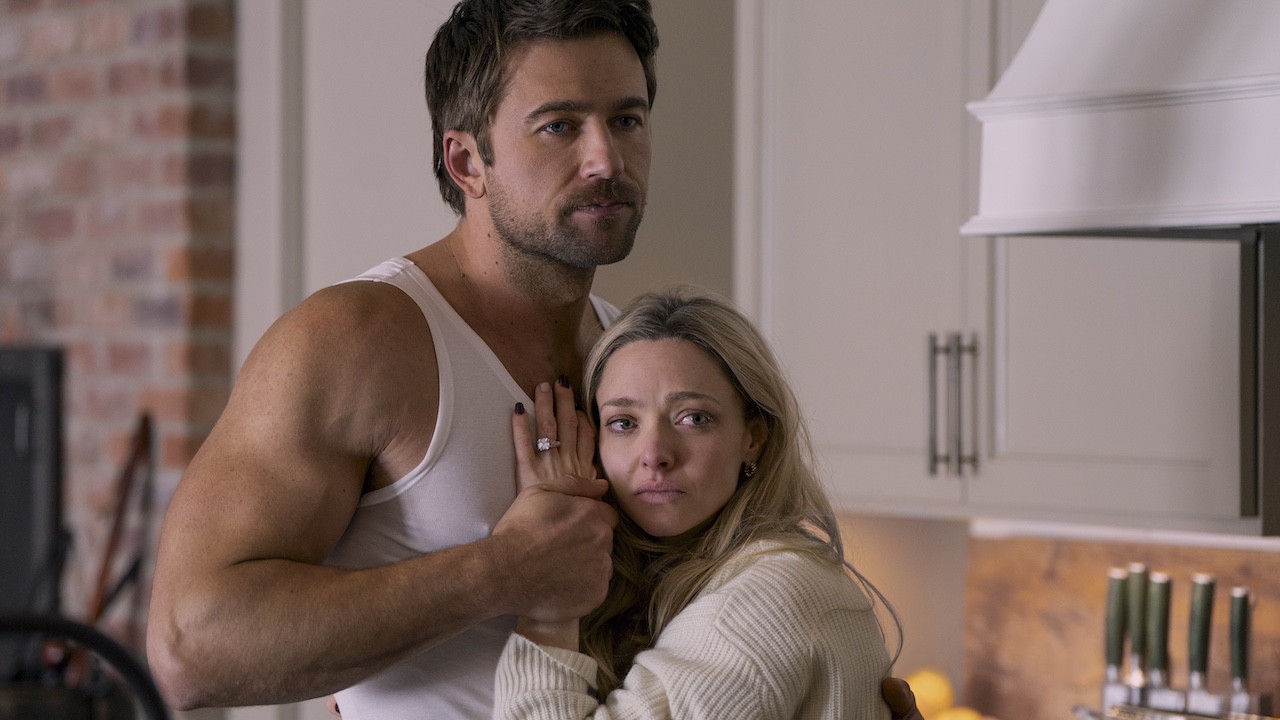
I’ve written a detailed comparison of how the book and movie endings differ, and I personally preferred the movie’s version. The biggest change is how Andrew dies. In the book, Millie tortures him for days, and Nina discovers him in the attic while trying to save her. In the movie, however, Nina opens the door expecting Millie, but Andrew escapes, leading to a fight before Millie pushes him down the stairs. After his death, Nina tells the police different stories about what happened: in the book, she says he was accidentally locked in the attic, while in the movie, she claims he fell while changing a lightbulb.
Other Smaller Changes I Also Noticed
Now that I’ve covered the major changes, let me quickly highlight a few smaller differences from the original book.
- In the movie, Nina Winchester initially tells Millie that she’s already pregnant when she’s interviewing her for the job, so Millie thinks her mood swings have to do with her hormones being all over the place. But, of course she later learns that she was lying to her about being pregnant.
- In the book, there’s no creepy doll house that Cecelia plays with. I personally loved this addition to the story, and thought it added to the tension and creepiness of it all.
- The movie doesn’t touch on Cecelia’s peanut allergy, and how Nina and Cecelia led Millie to believe she had one, even though she didn’t.
- Millie’s room (aka the attic) looks much nicer than it’s described in the book, even though they try to suggest that it’s uncomfortable. I’m sorry but this took me out of the story, because it looks too gorgeous.
- There’s no talk of the Winchester’s family china in the book. It replaces the original reason why Andrew locks Millie into the attic, and what method of torture he uses to “punish” her.
I could keep going on about this for a while, but I’ll leave some things for you to discover. As I mentioned, I always enjoy comparing books and movies, and overall, I think Paul Feig did a fantastic job bringing this story to the screen.
Read More
- Прогноз криптовалюты ATOM: прогнозы цены ATOM
- Прогноз нефти
- Полюс акции прогноз. Цена акций PLZL
- X-Men MCU Movie Rumor Hints at Quick Production Start Date
- Here Me Out: Task Season 2 Would Be Great, But There’s A Crossover I Already Want Even More
- New Report Hints Superman’s Box Office Wasn’t Profitable Theatrically
- ETF Solana: 16 дней 💰 дождя, но продлится ли вечеринка? 🎉
- CBS Effectively Explains Why Tracker Got Rid Of Bobby & Velma
- The Prestige TV Revolution Set Procedurals Back Decades
- Alice in Borderland: The Intense Netflix Death Game Series Rivaling Squid Game
2025-12-20 22:42