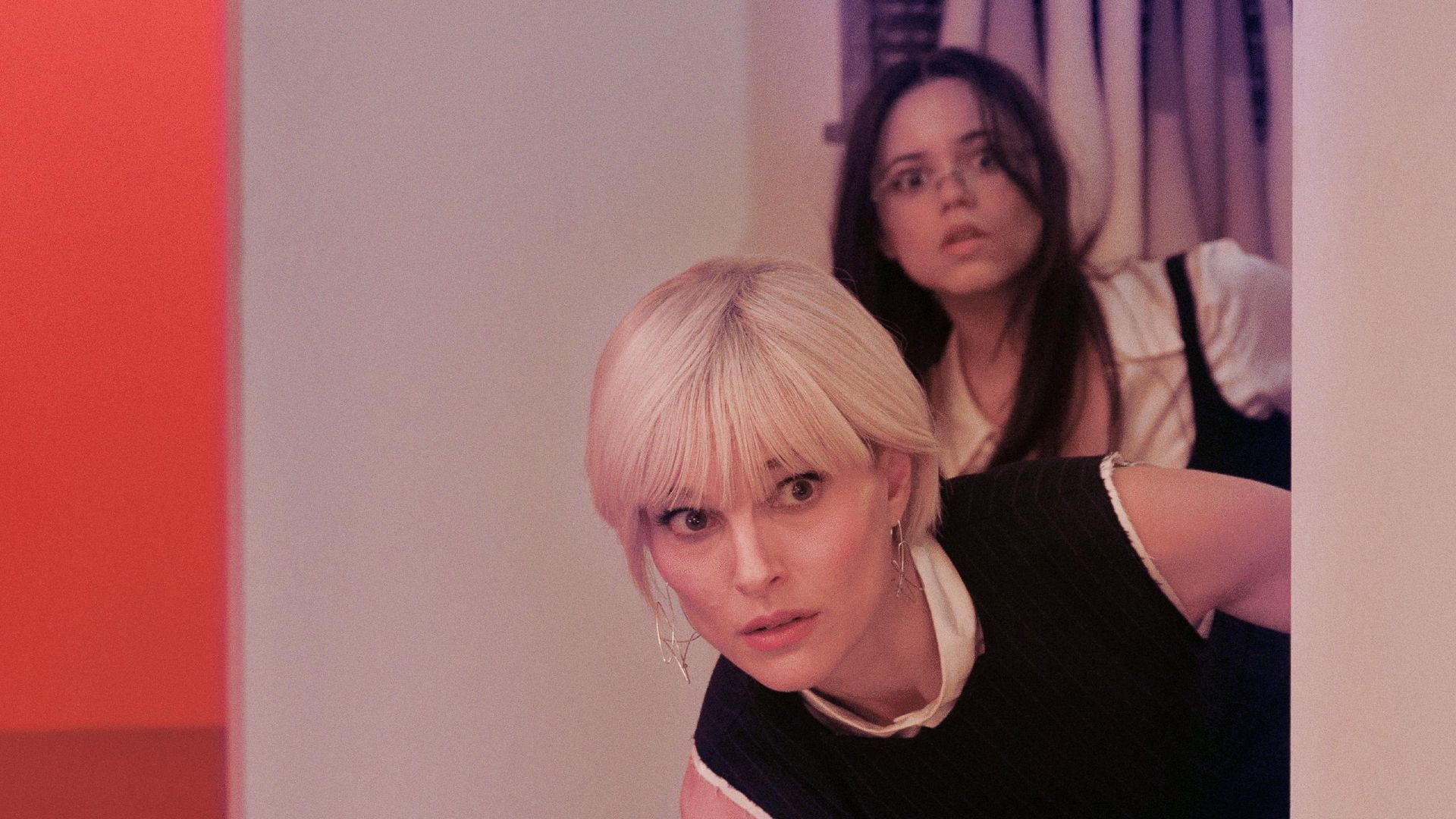
Cathy Yan’s latest film is visually striking and energetic, but ultimately feels hollow. While it looks impressive at first, the more you watch, the more confusing and superficial it becomes. The cinematography is dynamic and the actors fully commit to the over-the-top drama of their characters’ wealthy lifestyles. However, all this style serves a story that’s more interested in lecturing the audience than providing entertainment. Great films balance both, but this feels like an essay disguised as a movie.
Okay, let me tell you about The Gallerist. Right from the start, the filmmakers cleverly set things up – a seemingly minor art piece actually becomes a key plot point later on. We meet Polina, played by Natalie Portman, a gallery owner trying to make a splash with a new artist, Stella. She’s hosting a fancy preview for Dalton, a particularly irritating art influencer (Zach Galifianakis, nailing the smugness). Things immediately start to unravel when Polina’s assistant, Kiki (Jenna Ortega, wonderfully frazzled), reveals a growing water leak near a sculpture with a rather unfortunate name, “The Emasculator.” To make matters worse, Dalton is busy insulting both the art and Polina’s taste. With her gallery already on the brink of closure, Polina is stressed, to say the least. Throw in some sharp shears and that slippery water, and it’s not a surprise when someone ends up impaled on the sculpture. It’s a messy situation, and things quickly go from bad to worse.
Polina and Kiki become increasingly anxious when their secret installation attracts a huge crowd of photographers and social media influencers. The artwork’s provocative nature quickly goes viral, drawing massive attention to the gallery. It feels like a dark truth presented as art – and many people are captivated. Stella is hesitant, but agrees to help Polina and Kiki conceal the installation, with Polina convincing her that this will elevate her from a good artist to a celebrated one. As more people become fascinated with the piece, the situation becomes increasingly complicated, and Polina and Kiki struggle to determine if this newfound attention will aid their plans or expose everything.
Polina and Kiki are trying to deal with the excitement surrounding a sculpture and figure out how to get rid of it, while Yan intentionally stirs up trouble. Meanwhile, Portman and Ortega are busy making allies and avoiding enemies as they debate the influence of money on art, the challenges of authentic creation in a commercial world, and whether fame truly equals quality. While these are interesting ideas, the film doesn’t really explore them in a meaningful way.
Yan and Pedersen skillfully use humor to enhance certain scenes. While the choice of Radiohead’s “Everything In Its Right Place” feels a bit odd, a continuous shot brilliantly captures the frantic energy as the women try to conceal the body, making the viewer feel trapped and overwhelmed. The camera focuses on Brooks’ exhausted expression, suggesting a truly awful experience – not quite hell, but a bleak and unsettling limbo filled with broken air conditioning, superficial people, and self-interest. It’s a surprisingly depressing and genuinely frightening moment, and one of the few times the film evokes real emotion.
There’s this great scene where the tension between Natalie Portman, Jenna Ortega, and Catherine Zeta-Jones’ character, this fancy art dealer named Marianne Gorman, starts to fade, and then Sterling K. Brown shows up as the ex-husband, and Daniel Brühl as this ridiculously entitled art collector. They both want the painting, and it’s so fun watching them battle it out – both actors really lean into this over-the-top, performative masculinity. The bidding gets insane, and that’s when the movie really hit home for me. It felt like the director was saying these guys will spend a fortune on art just to save face or look good, even if they don’t actually get it. It’s all about the moment for them – hot today, forgotten tomorrow.
Subscribe for sharper takes on film and the art world
Join the newsletter for more incisive film criticism and art-world analysis that unpacks style, substance, and market forces. Subscribe for sharp reviews, thoughtful essays, and cultural context that deepen how you see cinema and contemporary art.
I understand Yan’s disappointment with contemporary art, but the film itself falls into the same trap it criticizes. The Gallerist feels detached and overly concerned with its own cleverness. By the time it seems to realize this, the audience has already lost interest and moved on to more engaging art.
Read More
- Доллар обгонит рубль? Эксперты раскрыли неожиданный сценарий
- Евро обгонит индонезийскую рупию? Эксперты раскрыли неожиданный сценарий
- I Don’t Think We’re Talking Enough About How Predator: Badlands Nails Its Alien Connection
- Eleven’s Kryptonite In Stranger Things Explained
- Shrek 5’s Marcello Hernández Shared Some Wild Photos And Video After Being Cast, And Stars And Fans Are Loving It
- Jenna Ortega’s 80% RT Netflix Mystery Thriller Is Now More Important Than Ever
- 2026 Oscar Contenders: Where to Stream Sinners, Bugonia, Jay Kelly
- Nikki Glaser’s Brutal Cut Jokes Included Sydney Sweeney’s Short Shorts, Leonardo DiCaprio’s Younger Dates And So Much More
- Tom Holland’s Spider-Man: Homecoming Is Heading to Peacock
- ‘Ready or Not’ Tops Streaming Charts Ahead of Anticipated Sequel
2026-01-29 00:33