
All the buzz around Kristoffer Borgli’s new film centers on one major thing, and for good reason. The plot kicks off when Charlie, played by Robert Pattinson, learns a shocking secret about his fiancée, Emma (Zendaya), just before their wedding, during a risky game of sharing past misdeeds. A24 built the film’s marketing around this mystery, making the reveal a key reason to see the movie. And it definitely delivers – the secret is truly shocking, so it’s no surprise everyone will be talking about it.
The core of The Drama isn’t actually about the confession itself. While the movie moves quickly and keeps us engaged with the fallout from Emma’s admission, it doesn’t aim to shock us simply for the sake of controversy. Instead, the director wants us to think about how we react to the situation. Beneath the surface of the dramatic events, the film explores the complexities of truly knowing someone, particularly in a relationship – how a big revelation changes our perception of them, and whether we focus on the most important aspects of it.
Emma’s Confession Is Designed To Lead Us To The Drama’s Real Focus

Warning: Spoilers for The Drama below!
Emma’s hidden past is designed to make us really think. As a teenager who was isolated and bullied, she secretly planned a school shooting. Even mentioning school shootings, particularly in the United States, immediately grabs our attention. The potential for such a terrible tragedy is immense, and unlike Charlie, who struggles to identify the worst thing that’s ever happened to him, Emma knows exactly what hers would have been.
Our reaction to the film is heavily influenced by the typical image of a school shooter that many of us have formed after years of these tragedies, and Zendaya’s character is about as different from that image as possible. The initial reaction of the characters – Charlie, his best man Mike, and maid of honor Rachel – is complete disbelief, a feeling that many viewers likely won’t be able to shake. While the film flirts with potentially exploitative territory, it wisely avoids overemphasizing the “What if someone like Emma…” question at the heart of its premise.
The show uses a strange but compelling idea, explained by a character named Charlie: Given how often mass shootings occur, it’s likely many people have thought about committing one, even if they never acted on it. And even more people have probably had those fleeting, disturbing thoughts without ever truly planning anything. Usually, there’s no reason to admit such things to anyone. This raises a chilling question: how surprising is it that someone you know might have experienced similar dark thoughts, like the character Emma?
While not the main focus of the movie, this detail helps us understand how we react to the confession. Some people will immediately condemn the action – Rachel embodies this reaction – but most of us will likely want to know more. This is because ‘worst’ isn’t a simple label; it depends on the specific situation. We need details to determine just how serious the issue is. Ultimately, the movie encourages us to think about this natural impulse to judge.
Charlie Is Asking All The Wrong Questions About Emma’s Past

Following Rachel’s confession about trapping a neighborhood boy in an old RV and leaving him, her friends question her, trying to understand the details and how it all adds up morally. We feel their shifting opinions alongside them. The fact that he was left there overnight makes the situation much more serious, and for a moment, we even consider the possibility that he could have died—a thankfully unrealized fear. It’s significant that Rachel didn’t return to help him or ever admit what she did. Her lack of apology also stands out. As the other characters uncover more information and their views change, we go through a series of judgments, setting the stage for future events.
The situation becomes much more complex when we consider the possibility of mass shootings. While it’s good Emma didn’t act on her plans, it’s unclear if why she didn’t matters. Charlie is hoping to find a way to understand or excuse her actions, but the fact that another shooting occurred at the mall before she could carry out hers doesn’t seem to provide the comfort he’s looking for. It appears the fact she already had a weapon is significant, but it’s unclear if where she got it – easily at home versus having to search for it – changes things. Charlie is so desperate for a reason behind Emma’s pain that he’s even making up childhood traumas for their friends. But would any of that really make a difference? Or, more importantly, should it?
What we think about this situation really depends on what we’re trying to achieve. If we just want to decide whether something was right or wrong, then even small details matter. Everyone has a limit to what they’ll accept, and looking at the reasons behind someone’s actions can help us determine if they went too far. However, if we’re trying to understand Emma as a person, we should focus on how this fits with what we already know about her character.
The movie The Drama uses flashbacks to show Emma’s experience as a teenager, and it portrays her with a lot of understanding. It highlights how important it was for her to connect with her classmates after the mall shooting—how she faced the pain and harm she could have caused, and how she found a supportive environment to express feelings that were overwhelming her. The film subtly suggests that empathy-building workshops would be much more helpful if schools held them before a shooting, rather than after.
There’s a bit of irony in how she became an advocate against guns, seemingly taking advantage of the situation, but the film doesn’t dwell on negativity. Instead, it clearly links her near-death experience to her willingness to forgive others. Having been given a second chance herself, she strongly believes everyone deserves one – a fresh start.
Despite claiming to love Emma, Charlie doesn’t handle the situation nearly as well as the story portrays. He seems more focused on getting over it than truly understanding what’s happened, desperately looking for a way to dismiss her revelation without challenging his existing image of her. Maybe he’s always done this – simply ignoring any part of Emma that didn’t fit his ideal. But this time, he can’t overlook her confession. He obsessively reinterprets their past through this new lens, and ultimately, it overwhelms him.
The Drama’s Ending Is Defined By The Movie’s Key Theme
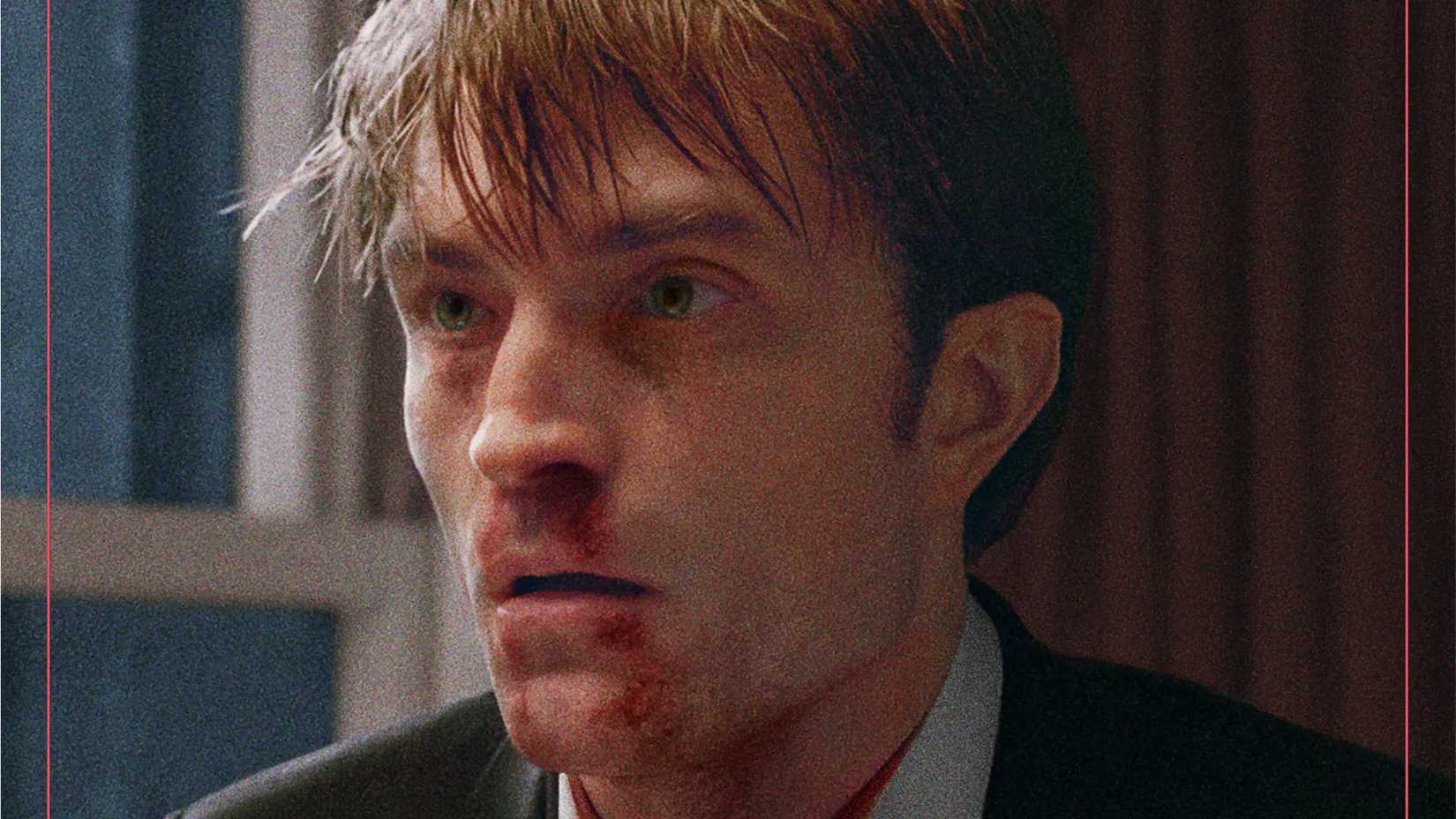
You know, the most gripping part of The Drama isn’t when Emma finally confesses everything – it’s actually the scene right before that. It’s so good! Emma and Charlie are telling their friends about seeing their wedding DJ seemingly using heroin on the street the night before, and they all start arguing about whether they should do anything. Charlie immediately wants to get rid of her, but Emma, true to form, tries to be understanding. She points out they might have just caught her having a really awful moment, and if they hadn’t happened to see her, they’d never even know. But then Mike makes this really good point – they did see her, and doesn’t that change things?
The way you interpret the ending of The Drama hinges on whether you think Charlie is justified in his actions. Throughout the film, he falls apart – he almost has an affair, behaves inappropriately towards a colleague, delivers a disastrous wedding speech, and ultimately ends up hurt and isolated. His relationship collapses. However, in the final scene, Emma offers him a chance to start over completely – to erase their history and begin again as if they were strangers, focusing only on each other.
Borgli’s film isn’t so much about the secret itself, but about how we interpret the ending. It’s easy to view the situation with cynicism, questioning if Emma and Charlie can truly have a fresh start. While Emma appears unable to fully confront her past mistakes, her acceptance of Charlie’s flaws might actually stem from her own self-doubt. She may feel she deserves this difficult relationship, accepting his behavior – even serious betrayals like nearly cheating and ruining their wedding – because of her low self-worth. From this perspective, their relationship becomes a cycle they’re unable to break.
However, if Emma truly forgives Mike, her offer to begin again proves his earlier point wrong. When you have enough understanding, it’s possible to love someone even after they’ve deeply hurt you—in fact, going through a difficult time together can help you understand each other better than ever before. The ending of The Drama suggests a real fresh start for Emma and Charlie, where they finally see each other as they are and choose to build a future together anyway.
Read More
- William Shatner Expresses ‘Sorrow’ Over Starfleet Academy End, Mocks Criticism
- Nintendo Officially Cuts Switch 2 Production After Low Sales
- There’s Officially 2 Weeks Left Until Prime Video Changes Forever
- Zander Hawley Discusses The Rookie Season 8 Return & New Single ‘Caroline’
- Missing Link: The Underrated Stop-Motion Animated Gem That Made History
- Netflix Revives Canceled 2010s Superhero Show “Powers” As Animated Series
- Taylor Sheridan’s American Frontier Neo-Western Movie Trilogy, Ranked
- Gwyneth Paltrow on Avengers: Doomsday Return: ‘What’s That?’
- Sean Bean’s Best TV Role Since Game Of Thrones Is In This City Is Ours
- Hannah Montana 20th Anniversary Special Dominates Disney+ Streaming Charts
2026-04-05 00:42