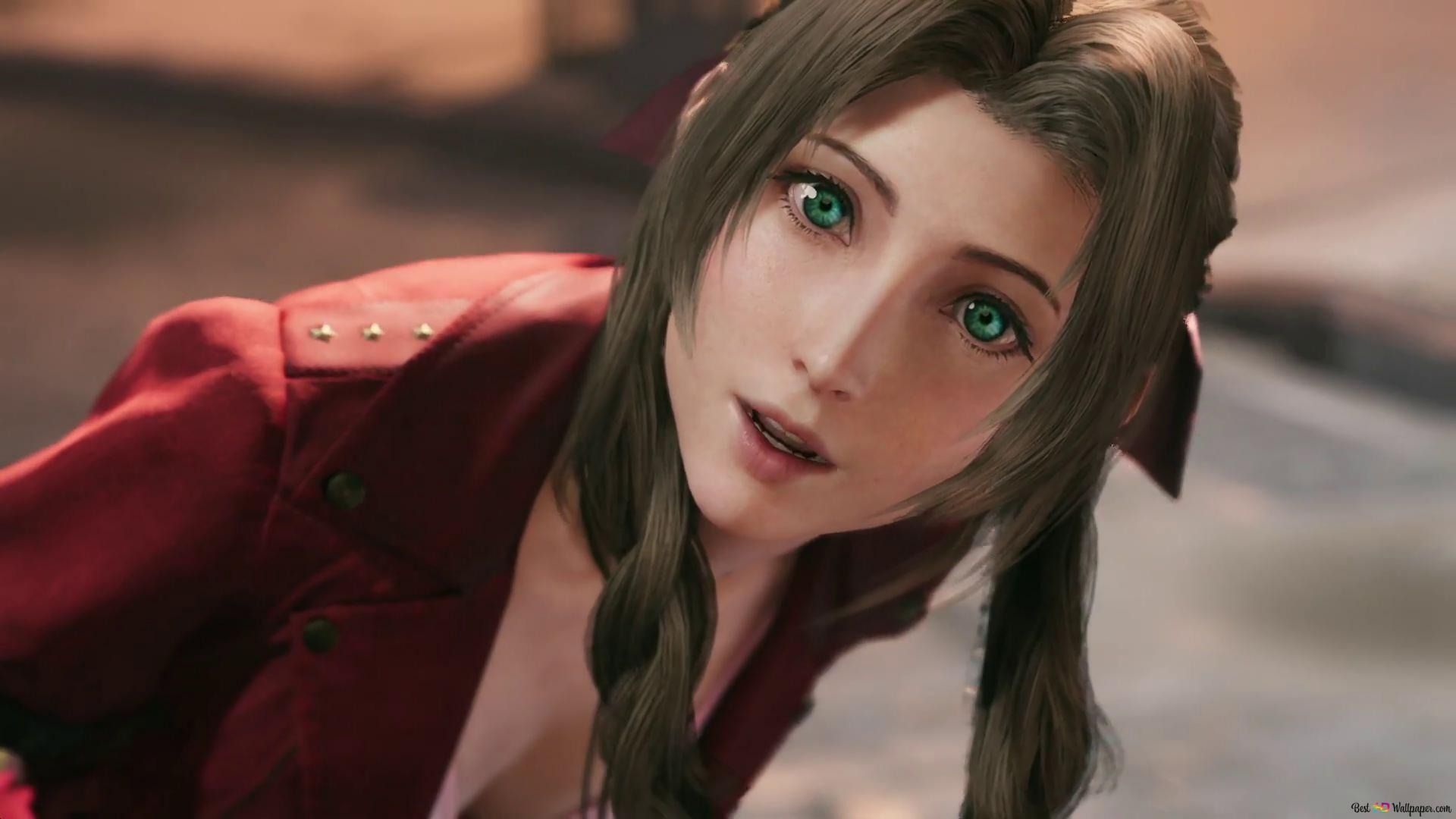
It’s common for people to start video games but not finish them. Creating a compelling beginning is usually easier than crafting a satisfying ending, which is why many game developers focus more on the initial experience. Ultimately, most games prioritize fun, immediate gameplay over a complex, fully realized story.
Look, as a longtime fan, the endings in this series have been all over the place. Some, like Final Fantasy VI, totally stuck the landing and everyone loved them. Others, like Final Fantasy II, were just… fine, you know? They wrapped things up, but weren’t memorable. Final Fantasy IX absolutely wrecked me emotionally, and Lightning Returns? Let’s just say most people hated it. But honestly, there was one ending that was absolutely perfect, a true masterpiece… until Square Enix decided to mess with it.
Final Fantasy VII Has One Of The Best Endings In Video Game History
The final part of Final Fantasy VII is famously strange and memorable. As the team battles their way towards Sephiroth, they descend into the planet itself, encountering increasingly odd creatures while the lines between what’s real and unreal blur due to his immense power. The climactic battle against Sephiroth is particularly striking, featuring his twisted, angelic appearance, eerie Latin chanting, and a devastating, all-out attack called Supernova that comes from space.
Cloud then fights Sephiroth inside his own mind, ultimately breaking free from his control. Although Sephiroth is defeated, the Meteor continues to hurtle towards the planet, and the spell Holy isn’t strong enough to stop it in time. Just when all hope seems lost, the Lifestream appears, combining its power with Holy to push the Meteor away. A bright flash of light fills the screen, followed by close-ups of each party member, and finally, a poignant image of Aerith, who had been killed earlier in the game.
After the credits roll, the scene jumps forward 500 years. We see Red XIII running with his cubs towards the remains of Midgar. The camera looks up, and we hear children laughing, leaving us to wonder if humans still exist or if the laughter is just an echo of a lost civilization.
When Final Fantasy VII first came out, its ending frustrated many players because it didn’t clearly show what happened to the characters they loved. However, over time, people have come to appreciate it. The final image of Aerith sparked countless fan theories, with many believing she knew her fate all along, mirroring her first appearance in the game. Ultimately, Final Fantasy VII explored themes of death and learning to accept loss in order to move forward, and the ending may have been intended to show that sacrifice was necessary for the planet’s survival.
Dirge Of Cerberus Ruined FF7’s Ending
The ambiguous ending of Final Fantasy VII received further explanation through a series of novels and the movie Advent Children. These revealed that humanity did survive the events of the game, Aerith guided the Lifestream to help Holy, and the Mako Reactors were permanently closed. However, Sephiroth also survived as a spirit and began spreading a deadly disease. Ultimately, Sephiroth was reborn through one of his followers, forcing Cloud to defeat him once more.
While Advent Children wasn’t a perfect story, it did provide closure for fans who disliked the ending of Final Fantasy VII. The real problem came with Dirge of Cerberus, a sequel game focused on Vincent Valentine, which took place after the events of Advent Children.
The game adds a lot of confusing backstory to Vincent’s powerful attack, brings back Professor Hojo as an artificial intelligence, and culminates in some over-the-top battles against silly-looking enemies.
In Advent Children, Cloud Strife seemingly has his final battle against Sephiroth, his iconic enemy, who returns from the dead for a decisive confrontation. However, Dirge of Cerberus later introduces a new final boss – Rosso the Crimson, a character whose design and accent have become somewhat infamous.
The game also has a hidden ending where Genesis, a character from Crisis Core, appears and takes the villain’s body. She calls him brother, hints at future plans, and then they both fly away. This cliffhanger was never addressed, and the Compilation of Final Fantasy VII storyline ended at that point. Now that the series has moved on to the Remake trilogy, Genesis’s actions remain a mystery.
The original Final Fantasy VII had an ending that sparked years of debate, and Advent Children helped resolve many questions, giving fans a sense of completion. However, Dirge of Cerberus complicated things, introduced uninspired villains, and ultimately felt pointless. It came across as an unnecessary addition, which wouldn’t be so disappointing if it didn’t represent the final chapter of such a beloved and impactful video game story.
Read More
- Прогноз криптовалюты ATOM: прогнозы цены ATOM
- Welcome to Derry Just Officially Confirmed Its Shining Connection (& It’s Perfect)
- One of Clint Eastwood’s Best Westerns (That Isn’t ‘The Good, the Bad and the Ugly) Is Leaving Free Streaming
- In Just 1 Day, Universal’s Wicked: For Good Is Officially the Most Watched Title on PVOD in America
- JJK Director Taps Talent From Spy x Family & JoJo’s Bizarre Adventure For New Movie
- Taylor Sheridan’s 2-Part Action Thriller Series Is The Perfect Binge Ahead Of The New Season
- Группа Аренадата акции прогноз. Цена акций DATA
- Tangled Will Finally Fix Disney’s Live-Action Princess Problem If It Channels This 2015 Masterpiece
- Apple TV+’s Shrinking Features Harrison Ford’s Career-Best Performance
- The Fantastic Four: First Steps Prequel Ties Marvel Villain to MCU Team’s Origin
2025-11-06 05:09