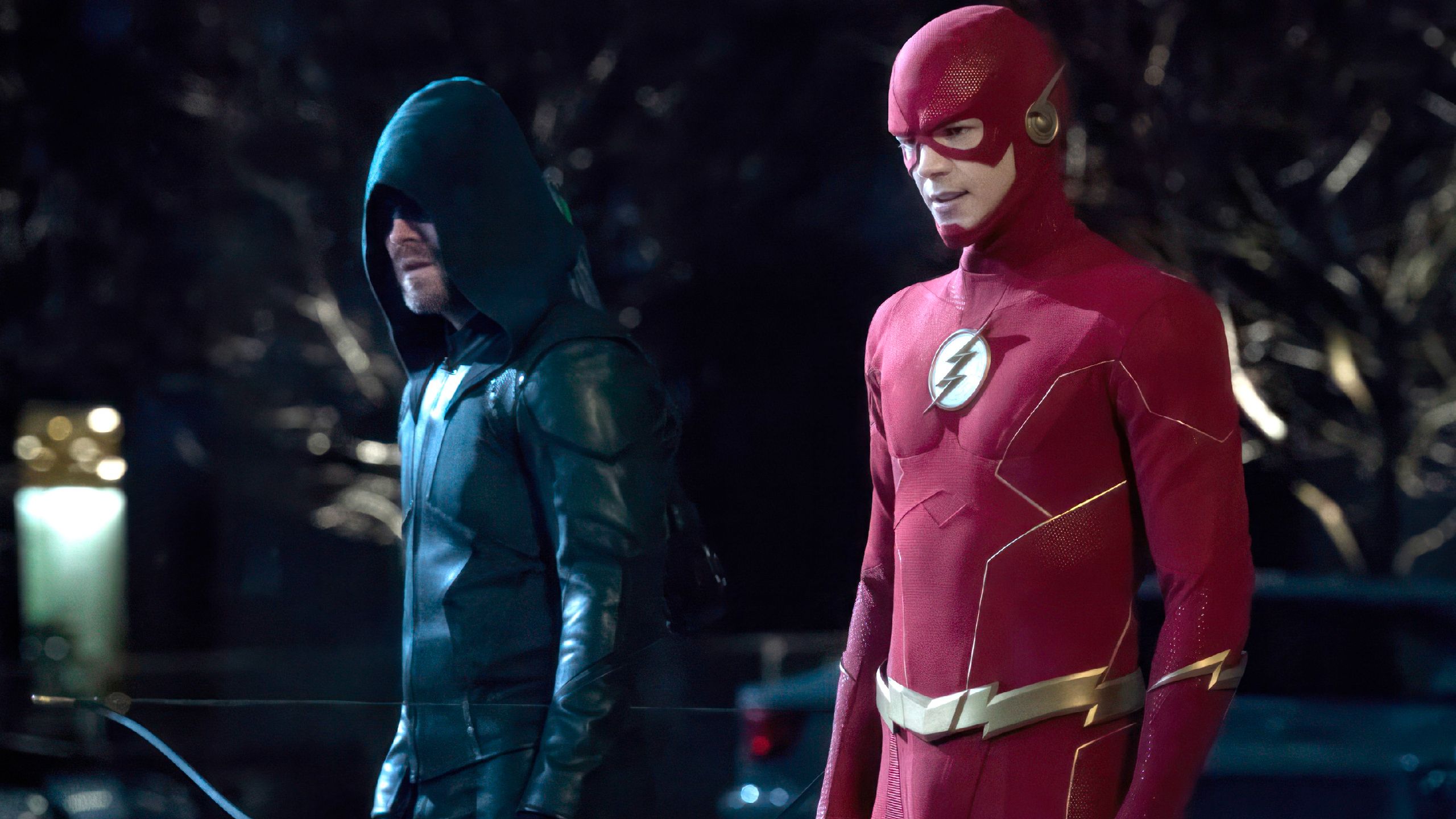
DC Comics has created a vast collection of stories across television and film, but its live-action ‘Arrowverse’ stands out compared to the animated ‘Tomorrowverse’ movies. With a history spanning nearly 90 years, DC is one of the biggest names in comic books, home to iconic heroes and villains. Despite this long success in comics, adapting those stories for the screen hasn’t always been easy.
DC Comics has featured its characters in many TV shows and films over the years. But it wasn’t until 2012 that they truly managed to build a widely popular universe on screen. The ‘Arrowverse’ was particularly important in bringing these well-known characters to a much larger audience.
Despite criticism from some DC fans, the Arrowverse definitely attempted to stay true to the spirit of the original comic books. It successfully adapted many well-known storylines, for better or worse. In fact, the show universe even did a better job of bringing the Crisis on Infinite Earths story to life than the recent DC movies.
Crisis On Infinite Earths Is One Of The Most Challenging Comicbook Storylines To Adapt

After fifty years, the DC Multiverse had become overly complicated with countless different universes and timelines. The twelve-issue comic book event, Crisis on Infinite Earths, brought together hundreds of characters from across these universes with the aim of merging them all into a single one, effectively restarting fifty years of DC Comics stories.
The story combined well-known characters who were very different from each other, and each had decades of history. The writer, Marv Wolfman, and artist, George Pérez, had to deeply understand every hero involved, because DC Comics fans would have quickly noticed any mistakes in how the characters were portrayed. Managing such a large cast of characters was also a huge challenge.
The team faced tough choices about which characters to keep and which to remove. Originally, in the comic books, they considered eliminating popular heroes like The Flash (Barry Allen) and Supergirl (Kara Zor-El). They wanted to handle these character departures respectfully. As a result, both characters were absent from DC Comics for roughly twenty years.
The incredible amount of preparation involved is truly impressive. The writer and artist skillfully balanced appealing to longtime fans with welcoming new readers. Ultimately, they created a unified world, seamlessly merging the last five universes into a single, cohesive timeline.
Marv Wolfman and George Pérez are legendary for creating Crisis on Infinite Earths. It was a wildly ambitious and risky idea to completely revamp DC Comics’ history with a story that had real, lasting consequences. Surprisingly, it worked, and the event is now considered one of the best comic book stories ever told.
As a comic book fan, let me tell you, Crisis on Infinite Earths isn’t just great—it’s legendary. We’ve seen attempts to recapture that magic with things like New 52 and Rebirth, but honestly, nothing has quite hit the mark. The thing is, Crisis set the bar so incredibly high. Any future adaptation, or even revisiting the story, has to be phenomenal. You can’t just give it a half-hearted effort with a story this iconic.
Currently, the main adaptations of Crisis have been the animated movies within the Tomorrowverse and the five-part crossover event in the Arrowverse. Although the Arrowverse has received criticism since its conclusion, it’s clear that the TV series delivered a more impactful version of Crisis on Infinite Earths than the animated films.
The Justice League: Crisis On Infinite Earths Animated Movies Were Not Very Great

The ‘Tomorrowverse’ storyline concluded with the three ‘Justice League: Crisis on Infinite Earths’ films. In this take on the story, the universe accidentally creates the Anti-Monitor when Constantine travels back in time and causes the death of young Darkseid. This leads the villain to trigger an event that threatens to destroy all worlds. The films depict Superman, Batman, Wonder Woman, the Justice League, and their partners working together to save the entire multiverse.
The movies closely follow the major plot points of the Crisis on Infinite Earths comic book storyline, but they feature the heroes from the Tomorrowverse instead of the original ones. If you were judging based on how closely something matches the comics, the Justice League movies would be much more accurate than the Arrowverse adaptation.
I was really disappointed with how the movies turned out. They were so focused on being exactly like the comics that it actually hurt the story. The pacing was just off – they spent way too long setting things up and trying to make me care about the characters, and then the last movie crammed everything important in without letting anything really land. It made all the emotional scenes feel flat and didn’t have the impact they should have.
Beyond everything else, the animation in these movies is the weakest part of the Tomorrowverse. Given the importance of adapting the Crisis storyline, you’d expect more effort to be put into the visuals. Unfortunately, the animation feels flat and diminishes the impact of the action and key scenes. The overall quality feels low-budget, which isn’t ideal when bringing such a significant comic book story to life.
Furthermore, this version of the DC storyline repeats a critical error that nearly ruined the original comics. The heroes in these three films felt different from how they were portrayed in earlier shows and movies, which was a letdown for fans of the shared universe.
Overall, Justice League: Crisis on Infinite Earths is somewhat enjoyable, but it doesn’t quite live up to expectations.
The Arrowverse’s Adaptation Of Crisis On Infinite Earths Is Its Best Crossover
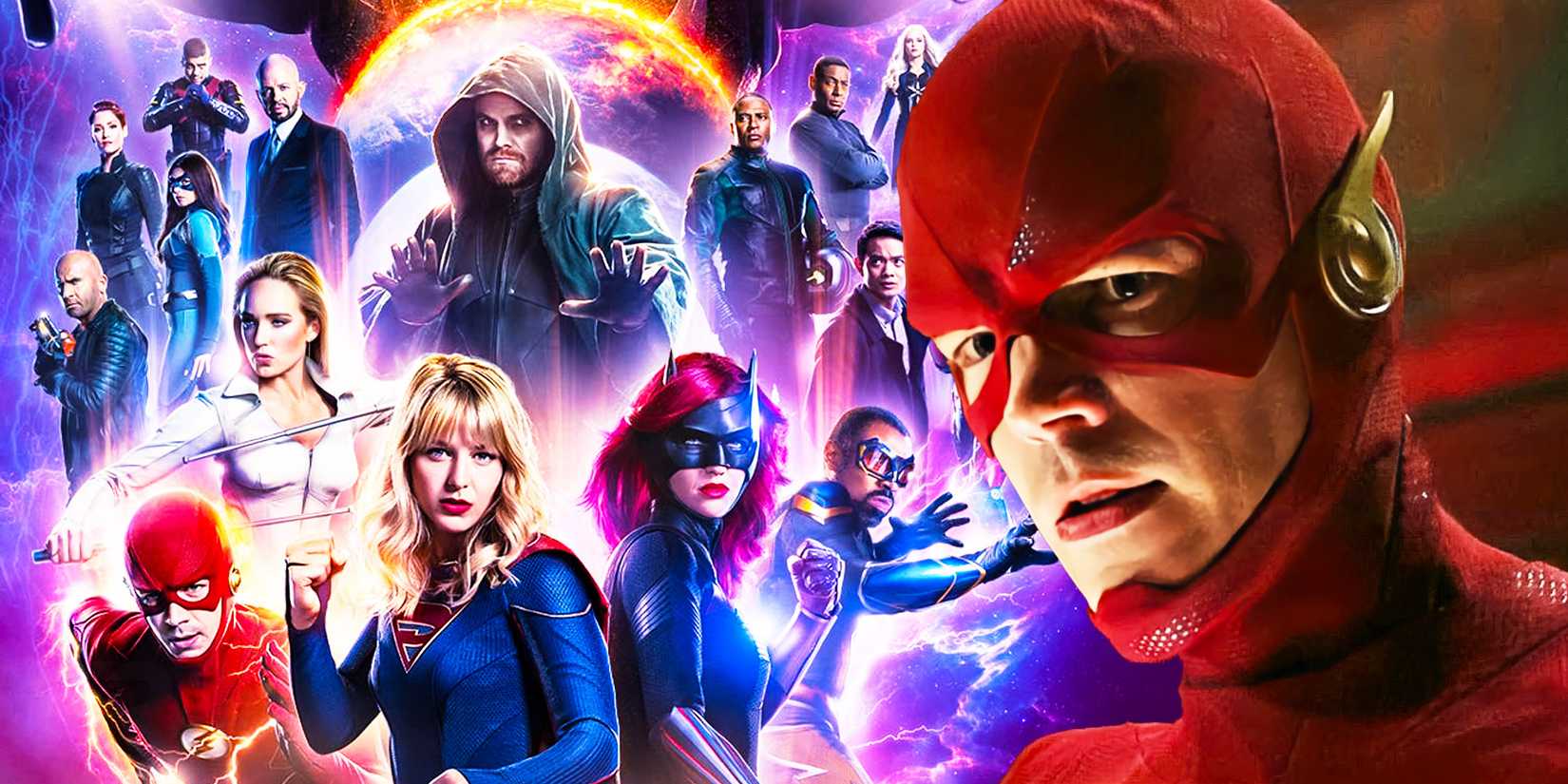
As a fan, I really appreciated how the Arrowverse handled the story. They clearly respected the source material, but they didn’t try to copy it panel-for-panel. Instead, they took the big, important moments from the comics and cleverly wove them into the already established characters and storylines of the TV shows. It felt like a natural fit, honoring the past while building something new!
After many seasons, it was time for Arrow to conclude, while The Flash and Supergirl still had ongoing storylines. Therefore, Oliver Queen (Arrow) was the character who ultimately died, rather than Barry Allen (The Flash) or Kara Zor-El (Supergirl).
Throughout the earlier seasons of The Flash, hints were dropped about Barry Allen’s eventual disappearance. The showrunners cleverly brought back John Wesley Shipp, who originally played The Flash in the 1990s television series, to take over the role of Barry Allen.
Interestingly, the Arrowverse crossover event successfully included a crucial aspect from the original comics that the animated films missed. More than just a nod to the current Arrowverse shows, Crisis on Infinite Earths truly felt like a celebration of all past live-action DC television series.
The show featured appearances by iconic actors like Lucifer, Kevin Conroy as Batman, Burt Ward as Dick Grayson, and the Superman from Smallville, alongside John Wesley Shipp’s Flash. It also included subtle nods to other past live-action DC series. Much like the comic books, it honored everything that came before, accurately capturing the spirit and personalities of each character while still being easy for new viewers to enjoy.
The creators showed immense respect for the original Crisis on Infinite Earths by bringing in Marv Wolfman, one of its original writers, to help with the fourth part of the new crossover. He even appeared as himself in that episode, highlighting their dedication to the story’s history.
Beyond everything else, the fight choreography was excellent. This event featured some of the most exciting battles in the Arrowverse. The characters remained consistent throughout, and additions like the seven Paragons felt both respectful of the source material and creatively fresh. Each episode maintained the show’s established feel, but they all flowed together seamlessly as a five-part story.
While the Arrowverse didn’t always follow the DC Comics exactly, it captured the spirit of the source material more effectively. Its blend of compelling emotional scenes and thrilling action made for a better take on the ‘Crisis on Infinite Earths’ storyline than the animated DC movies.
Read More
- William Shatner Expresses ‘Sorrow’ Over Starfleet Academy End, Mocks Criticism
- Missing Link: The Underrated Stop-Motion Animated Gem That Made History
- Taylor Sheridan’s ‘The Madison’ Becomes His Biggest Series Launch Yet
- Netflix Revives Canceled 2010s Superhero Show “Powers” As Animated Series
- Taylor Sheridan’s American Frontier Neo-Western Movie Trilogy, Ranked
- Sean Bean’s Best TV Role Since Game Of Thrones Is In This City Is Ours
- Hannah Montana 20th Anniversary Special Dominates Disney+ Streaming Charts
- Nintendo Officially Cuts Switch 2 Production After Low Sales
- Daredevil: Born Again Easter Egg Reveals a Thunderbolts* Villain You May Have Missed
- Daredevil Born Again Reveals Full Look At Bullseye’s Comic-Accurate Costume In Season 2
2026-04-05 06:40