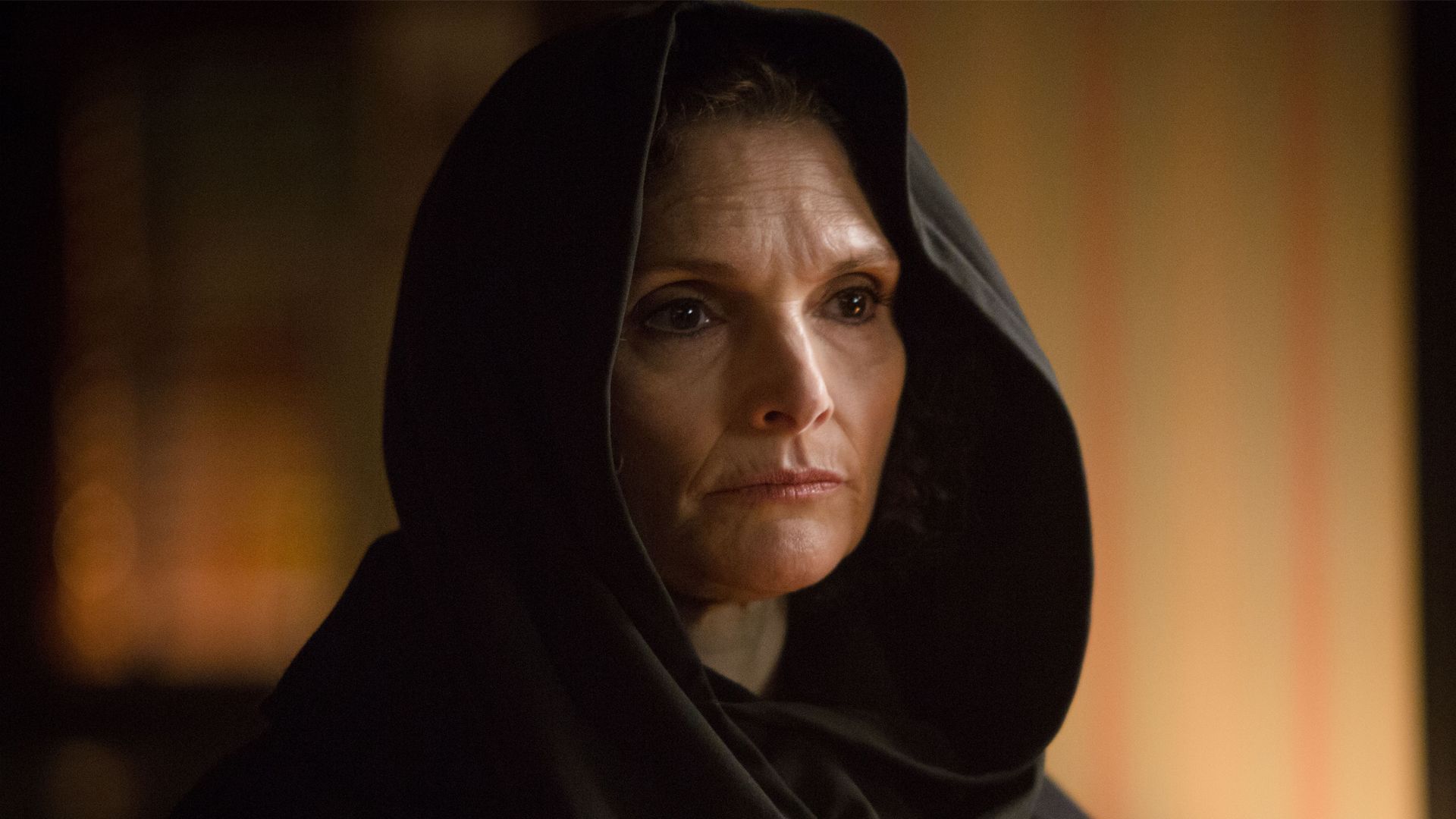
NBC’s Grimm first aired over ten years ago, back when more people watched traditional television than streaming services. Along with Supernatural on The CW, Grimm was notable because it balanced self-contained episodes—where they solved a new monster each week—with a larger, ongoing story and detailed world. This combination of episodic and serialized storytelling is rare to see now.
This show uses a classic storytelling approach that was common in older TV series. It’s designed so new viewers can easily start watching with any episode, while also rewarding longtime fans with a gradually unfolding, richer world. Most dark fantasy shows today, however, prefer shorter seasons that tell one complete story.
Grimm’s Consistency Came from Its Hybrid Structure
NBC’s Grimm likely emerged as a response to the popularity of Supernatural. The show adopted a “monster-of-the-week” format, making it central to the series’ structure. Creators David Greenwalt and Jim Kouf, who had previously worked on shows like Buffy the Vampire Slayer – known for its procedural elements and rich mythology – brought that same approach to Grimm.
Many popular TV shows have used this technique for years. While shows like Angel and Charmed did have bigger storylines, each episode usually focused on solving a self-contained mystery. There might have been hints of a larger plot to keep regular viewers engaged, but anyone could tune in and enjoy a complete story within a single episode.
The show successfully blended procedural storytelling with a dark fantasy setting, which is a key reason it ran for six seasons. This approach appealed to both new viewers and dedicated fans. Each episode presented a complete story, driving the overall narrative forward. Importantly, these individual cases weren’t isolated incidents; they gradually unveiled more about the show’s intricate world and its underlying mysteries.
Many current TV shows with complex, ongoing storylines sometimes include episodes that don’t advance the main plot – fans often call these ‘filler.’ Shows that follow a case-of-the-week format avoid this problem, as each episode naturally moves the story forward by focusing on solving a new mystery. In this series, self-contained episodes focusing on individual cases are crucial because they highlight the main character’s skill at solving problems.
As a big fan of well-told stories, I’ve noticed a really smart thing about shows that consistently deliver. Having that ‘engine’ – a core, ongoing plot – always running in the background is a huge benefit for the writers. It forces a tight pace and stops things from feeling padded out with unnecessary scenes. You see a lot of those high-end, cinematic series start to drag around the middle of the season, and even a show like Grimm, with its complex mythology, needed those standalone ‘case of the week’ episodes to keep things feeling grounded and moving forward.
Presenting the story a week at a time allowed the show’s mythology to unfold organically, avoiding awkward explanations. This created a smooth and natural flow to the storytelling. As the series progressed, viewers gradually learned the rules of the Grimm universe right along with Nick, becoming just as knowledgeable as he was.
Grimm Revitalized the Monster-of-the-Week Format
While standalone-episode stories aren’t completely gone, they’re becoming less common as new TV shows aim for a more serious and artistic style. There’s a lot of expectation for fantasy series to be innovative and meaningful, which can sometimes result in complicated and overly serious plots. Shows like Grimm and Supernatural aired at a time when genre TV could simply be enjoyable.
Grimm successfully appealed to both longtime fans and new viewers. In an era of increasingly complex TV shows with shorter seasons, it’s a welcome change to revisit a series like Grimm that excelled at keeping things straightforward. It demonstrates that a strong central idea and a focused approach are key to achieving success.
Found an error? Send it so it can be corrected.
Read More
- ‘Blades of the Guardians’ Rotten Tomatoes Score Revealed
- A Targaryen Role Gets Recast in House of the Dragon Season 3
- Доллар обгонит тенге? Эксперты раскрыли неожиданный сценарий
- Leonardo DiCaprio’s Post-Oscar Roles: A Surprising Trend In His Filmography
- 7 Comfort TV Shows That Rival Gilmore Girls
- Best Wizard of Oz Movies (November 2025)
- New On Netflix, Disney+, And More: 6 Streaming Shows And Movies To Watch This Week (December 22 – 28)
- Pokémon Scarlet and Violet Free Downloads Available Now For Limited-Time
- Everything New on Peacock in March
- The Best 80s Kids Movies Ever Made
2026-03-17 19:09