To find a truly great historical epic, many still look to a film made over 60 years ago. The 1960s were a unique time for cinema, bridging the gap between classic Hollywood and the rise of a new, more innovative American filmmaking style, while also inspiring artistic movements around the world. As the old Hollywood conventions began to fade and new waves of filmmaking emerged in places like France and across Europe, directors like David Lean had the opportunity to create something truly special.
Released in 1962, Lawrence of Arabia is still considered a must-see film. It’s particularly impactful for viewers discovering it now, as its influence can be seen in many contemporary movies and continues to resonate with critics like Roger Ebert. Beyond being a visually stunning film, it’s a landmark achievement in cinema that has shaped the work of numerous filmmakers.
Lawrence of Arabia Remains A Sprawling Historical Epic Unlike Any Other
Considered a masterpiece for its script, acting, and stunning visuals, Lawrence of Arabia firmly established David Lean as one of history’s most important English filmmakers. While Lean continued to direct films after 1962, none reached the same level of success as Lawrence of Arabia. This classic film revolutionized both epic storytelling and filmmaking in general, showcasing a groundbreaking approach to large-scale productions.
The film Lawrence of Arabia tells the story of T.E. Lawrence, a British officer involved in the Arab Revolt against Turkey during World War I. Unlike most WWI movies, it focuses on the often-overlooked conflicts in the Ottoman Empire, particularly Turkey’s alliance with Germany. The 1962 film vividly portrays Lawrence’s experiences as Britain became directly involved in fighting against Turkey during the war.
Lawrence became a key figure in the Arab Revolt, and his story made for a compelling cinematic portrayal. However, questions remain about how truthfully his personal accounts reflected events, even if the events themselves were generally accurate. While he likely emphasized his own importance, his impact on the conflict is undeniable.
The film is most memorable for its powerful themes, rich symbolism, and the complex relationships between its characters. The evolving connection between T.E. Lawrence and Sherif Ali is particularly captivating – it’s considered one of the best relationships in cinema from the 1960s and has sparked a lot of discussion about Lawrence’s almost legendary status in Arabia. Sherif Ali deeply understood and respected Lawrence, and their bond adds significant emotional weight to the film, especially to Lawrence’s final scenes.
Even today, Lawrence of Arabia is considered one of the most historically faithful epic films ever made, though it still sparks debate. If you can immerse yourself in the story and characters, the four-hour film is truly captivating. Released in 1962, it continues to attract new viewers and heavily influenced filmmakers in the 1970s and 80s. It was a critical success, with even renowned critic Roger Ebert acknowledging its importance.
Roger Ebert Considered Lawrence of Arabia Essential Viewing For Movie-Lovers
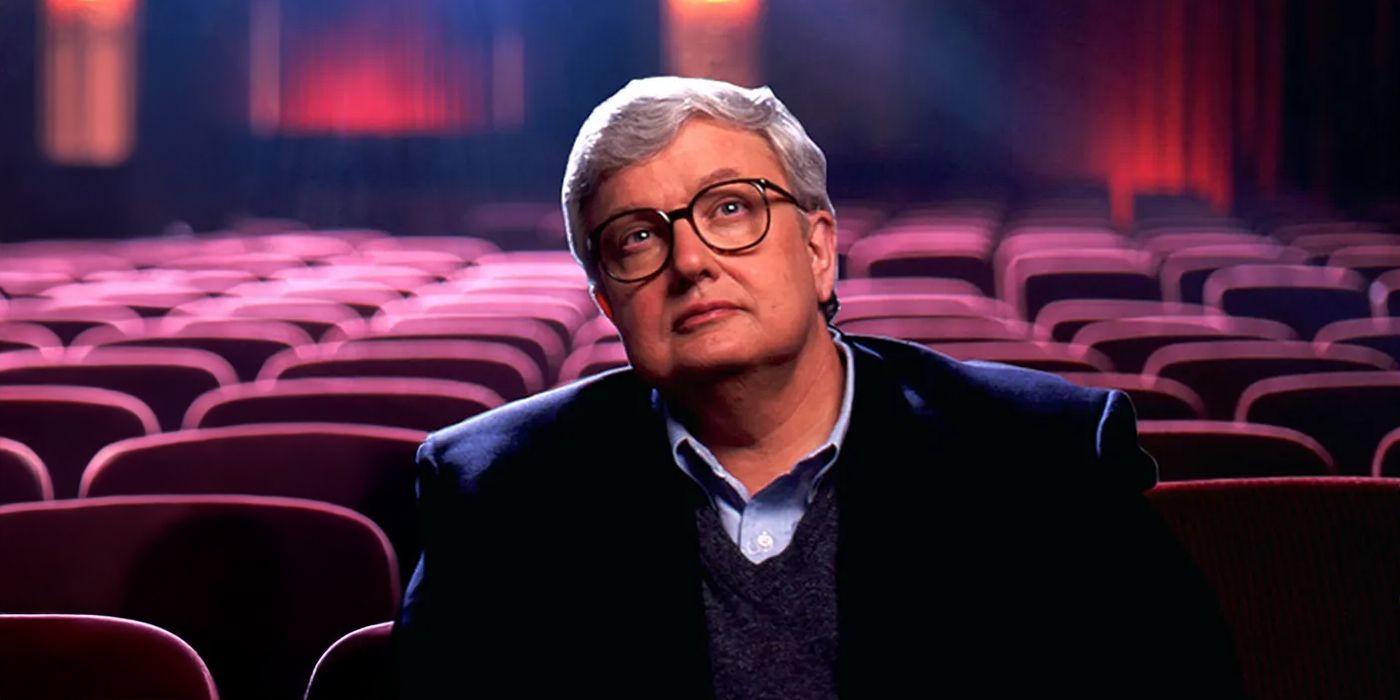
Watching the epic scope of its battles is just incredible, and honestly, it’s been that way since Lawrence of Arabia came out in 1962. I think what really blows people away isn’t just how good the movie is, but how incredibly ambitious it was for David Lean to even attempt it in the first place. It was a huge success, winning Best Picture at the Oscars, and critics loved it then and still do. Even years later, like when Roger Ebert revisited it, he specifically called out how daring and impactful it was – it’s a film that really leaves its mark.
One of the first things you notice about Lawrence of Arabia is how thoughtful and detailed it is, with complicated characters and a deliberately slow rhythm. The film also uniquely focuses on ideas of masculinity and notably features no female characters. This choice reflected the male-dominated nature of the WWI conflicts the film portrays, creating a distinct mood. At the time, this all-male cast was considered a bold move by director David Lean.
Considering all aspects of the film, the production of Lawrence of Arabia was a gamble. Its length, speed, topic, and visual style were all unconventional, and many involved with the film recognized this. As Roger Ebert noted, its triumph wasn’t just about its artistic and narrative strengths, but also its ability to overcome initial skepticism and exceed all expectations.
Ebert highlights how David Lean used the desert setting as a vast and imaginative backdrop for his film. Lean’s ability to find the human story within such a large and empty landscape was crucial to the film’s success. Ultimately, the film’s power comes from this contrast – the compelling tension between Lawrence and the immense world around him, creating a mesmerizing effect.
One of the most compelling aspects of Lawrence of Arabia is its complexity. Despite being a four-hour film that prioritizes character development and story over constant action, it still deeply engages viewers. This is largely due to the enigmatic nature of Lawrence himself and his relationship to the world around him – a quality that continues to resonate with audiences today. People tend to remember the film as a complete, immersive experience, rather than focusing on specific details.
Everyone should see the film about T.E. Lawrence at least once, and film critic Roger Ebert considered it essential viewing for any movie lover. He believed it was one of the experiences every film enthusiast had to have. Ebert emphasized the movie’s stunning visuals, created by director David Lean, more than the story itself, which is fairly typical for this type of film.
Lawrence of Arabia Is Still the Definitive Historical Epic 63 Years Later
The film’s enduring influence is clear, given how often it’s been referenced by other filmmakers. Directors are often inspired by its grand visuals and ambitious scope, while movie lovers appreciate details like Peter O’Toole’s performance. Even today, scholars continue to analyze its deeper meanings. It’s unusual for a film to still inspire such a wide range of reactions, but this one does. Ultimately, its impact on the historical epic genre remains significant.
Even today, Lawrence of Arabia continues to influence filmmakers, inspiring movies like Star Wars and Dune, as well as other films by David Lean himself. But its biggest contribution is how it redefined the historical epic, shaping the look and feel of the genre. Every great historical epic made since owes a debt to this film, cementing its place as perhaps the greatest of all time. It’s a truly unforgettable movie, whether you’re a longtime film fan or someone discovering it for the first time.
Read More
- New Chris Pratt Sci-Fi Flop Already Out on Streaming
- Taylor Sheridan’s Mayor of Kingstown Kills Off Tracy in Season 3
- Whether Dunk Was Really Knighted in A Knight of the Seven Kingdoms Revealed
- Прогноз криптовалюты OP: прогнозы цены OP
- Heated Rivalry Star Christina Chang Discusses Season 2 and Handling Fame
- Доллар обгонит пакистанскую рупию? Эксперты раскрыли неожиданный сценарий
- Captain America’s Cut Fantastic Four First Steps Scene Revealed (Report)
- Avatar: The Last Airbender’s 8 Biggest Takeaways, 20 Years Later
- The Mummy Returns Sets 25th Anniversary Rerelease Date With Poster & Teaser
- House of the Dragon Season 3 Teaser, Photos Reveal New Character
2025-12-18 20:12