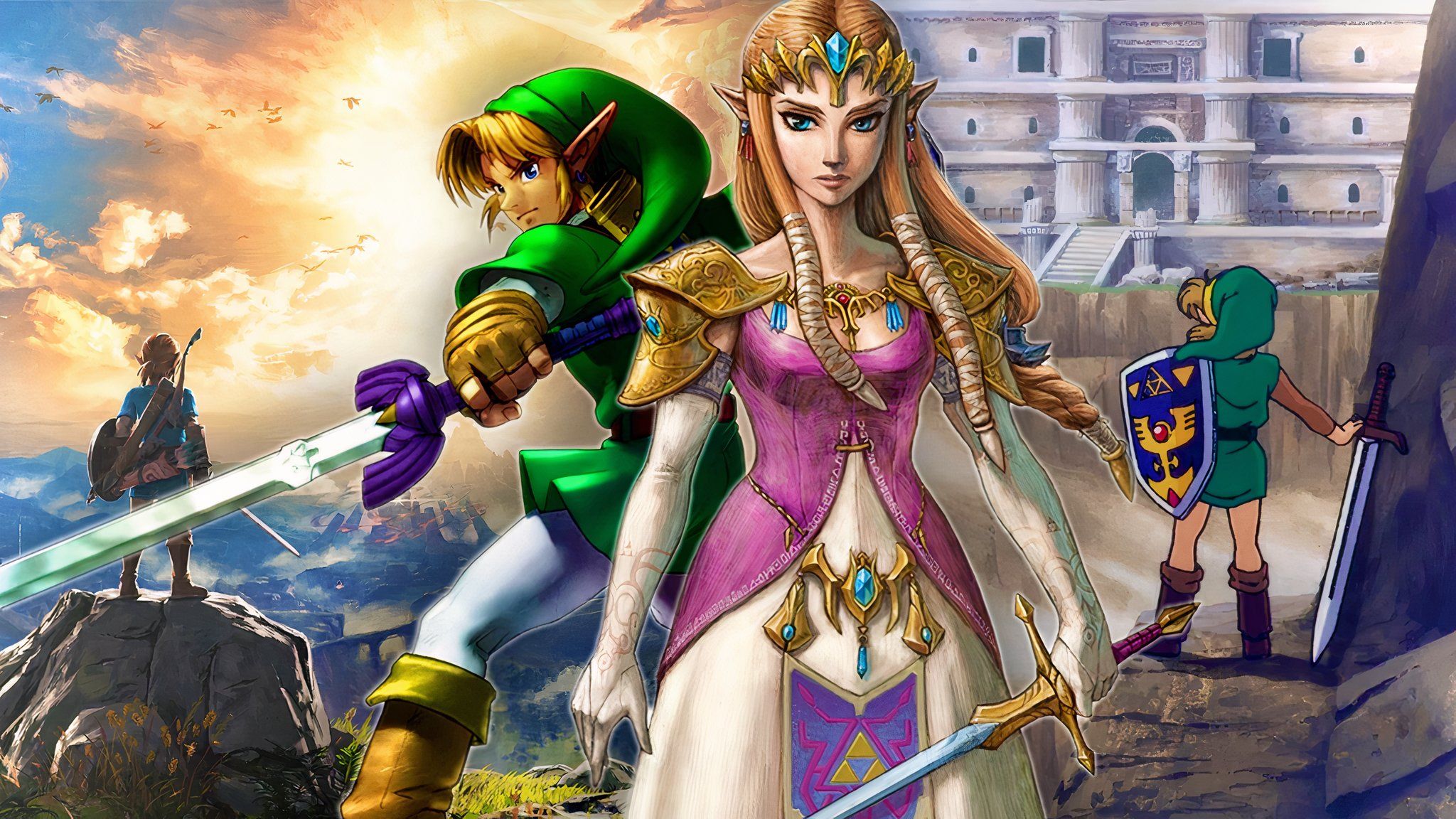
On February 21st, 1986, a legendary action-adventure video game series began, and it’s been a gaming highlight for the past 40 years. The series consistently innovates and challenges the limits of what video games can be, while still maintaining its unique style and feel.
From Link’s signature green outfit to the legendary Triforce, The Legend of Zelda has given us countless iconic images that are now part of pop culture. The series is also famous for its memorable sounds, like Navi’s “hey!” and the classic Hyrule theme song. Games like A Link to the Past and Tears of the Kingdom are considered masterpieces and have greatly influenced the adventure game genre, setting a high standard for all that followed.
-Cropped.jpg)
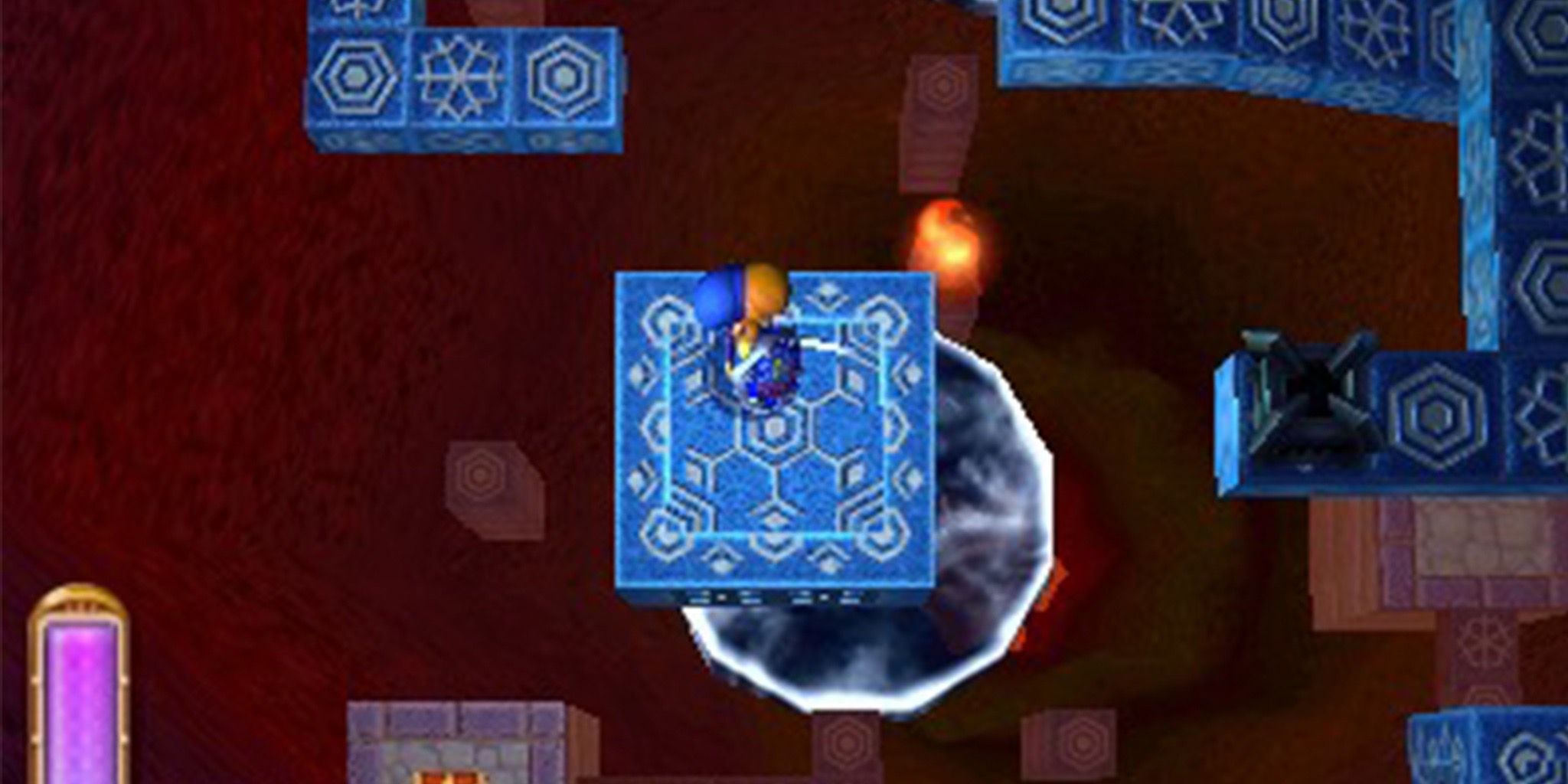
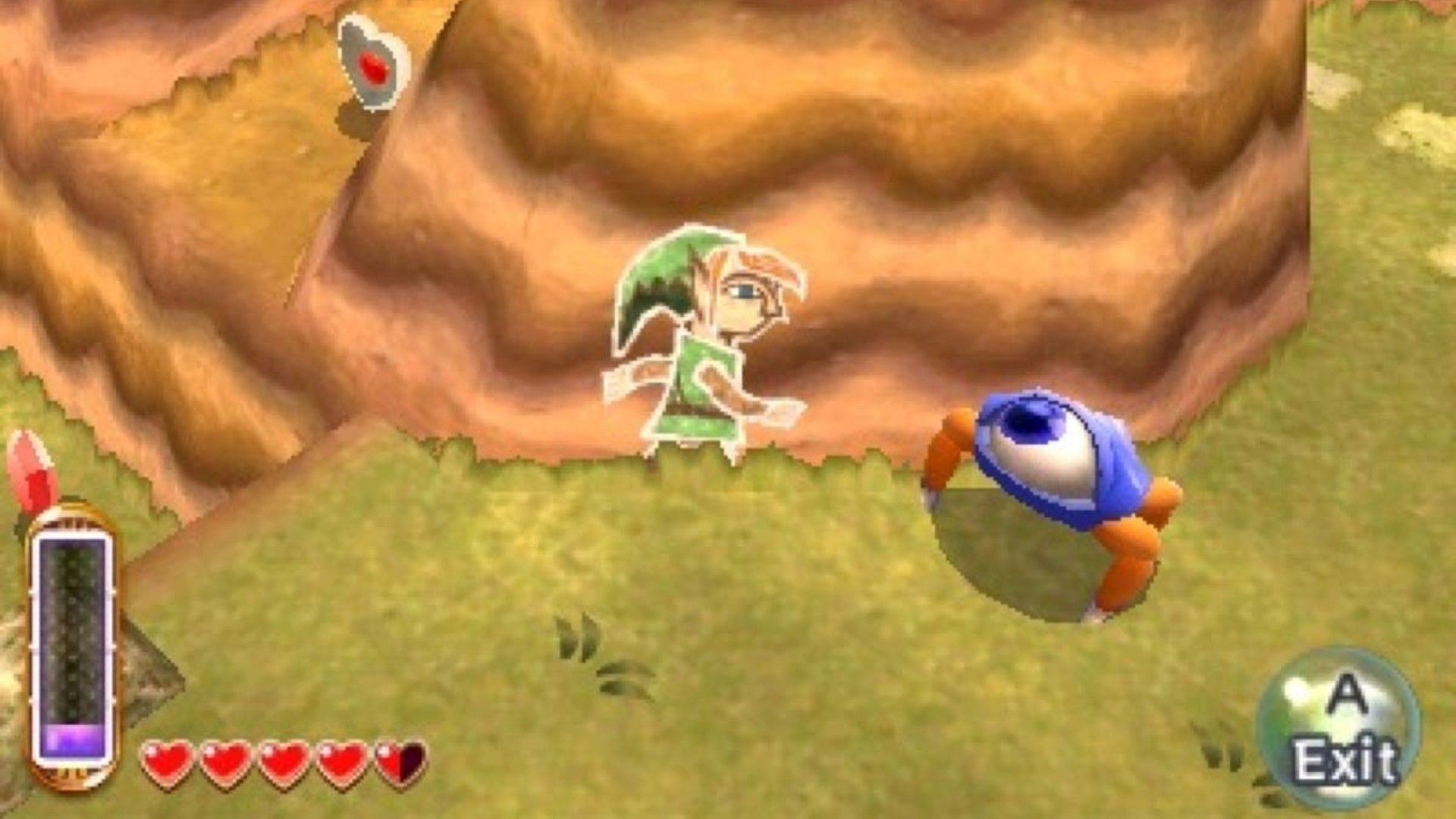
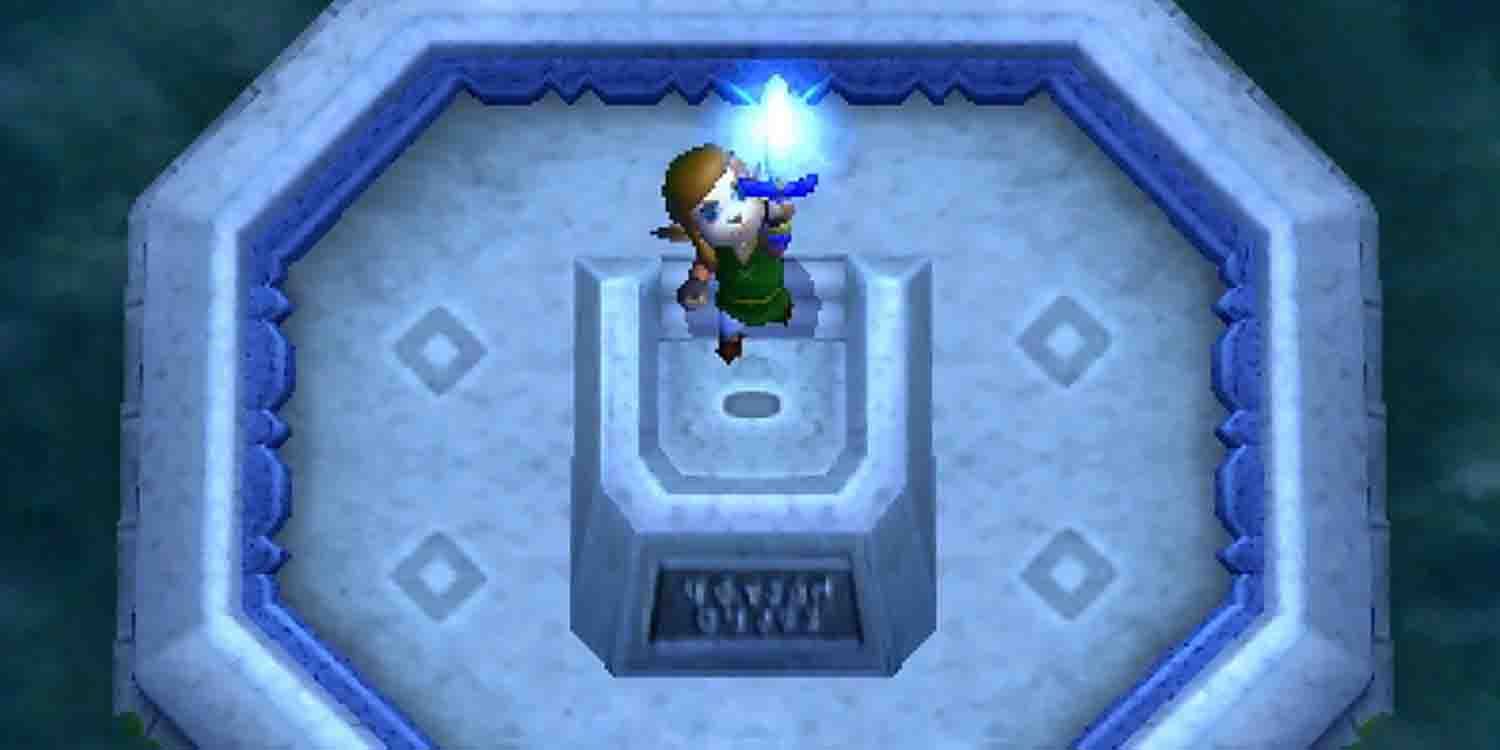
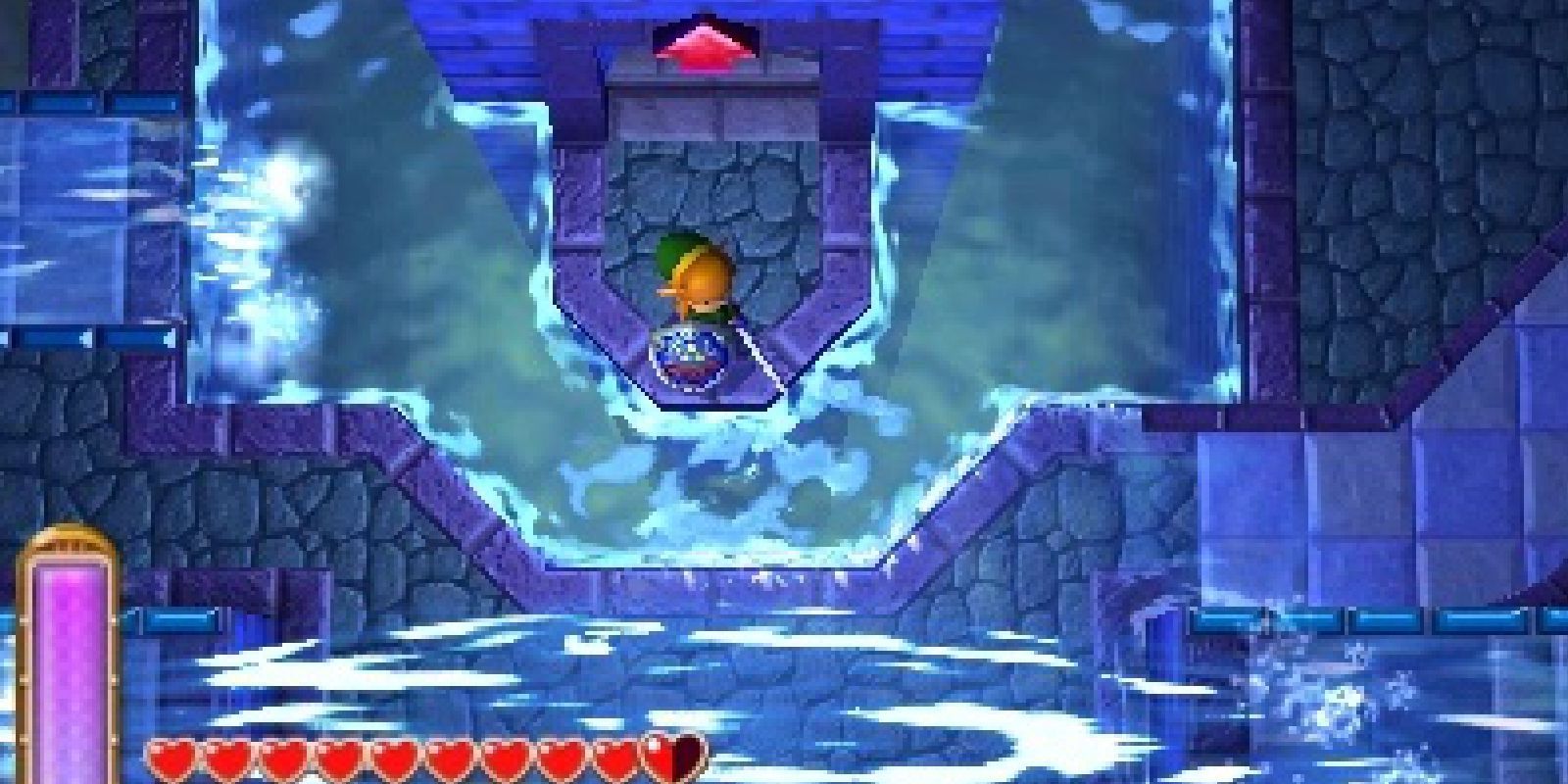
Released in 2013 for the Nintendo 3DS, The Legend of Zelda: A Link Between Worlds revitalized the franchise when it seemed stuck in the past. The game smartly used new technology to create a captivating feature that combined the best elements of classic 2D Zelda with more modern 3D gameplay. In many ways, A Link Between Worlds successfully bridged the gap between the older and newer styles of Zelda games.
A Link Between Worlds actually started as a remake of A Link to the Past, but the developers eventually decided to create a brand new game. You can still feel the influence of A Link to the Past in A Link Between Worlds’ gameplay, which is a big reason why it’s such a great example of classic 2D Zelda. The game kept the traditional dungeon exploration and puzzle-solving, but it also added a unique item rental system that allowed for more freedom and hinted at the open-world style that would become prominent in later Zelda games.
When it comes to how it plays, Twilight Princess delivers everything fans expect from a classic 3D Zelda game. It boasts some of the most memorable dungeons in the series, and many consider its final fight with Ganondorf to be one of the best. The game’s story is also highly regarded, largely due to its notably darker tone.
The game’s darker tone is a major reason why Twilight Princess stands out for its atmosphere and artistic style. It successfully blends a unique, somewhat gritty fantasy feel with the playful spirit that defines the Zelda series. It’s a delicate balance – Twilight Princess feels like it exists in a space between brightness and shadow.
Even after its release, Tears of the Kingdom remains a remarkably advanced Zelda game, especially considering the franchise’s 40-year history. Building on the expansive world of Breath of the Wild, it’s even larger and gives Link incredible new abilities. Players have unprecedented freedom to explore and create – something unimaginable when the first Zelda debuted on the NES in 1986. They can combine almost any two items, crafting everything from flying vehicles to ascending through ceilings.
Few gaming experiences are as liberating as gliding from the Sky Islands in Tears of the Kingdom and effortlessly falling into the vast Depths below. However, this incredible freedom has made some players nostalgic for games with a bit more structure. Tears of the Kingdom proved to the gaming world that the Zelda series isn’t bound by limits – even the sky isn’t the final frontier. It’s exciting to think about how far Link’s adventures might reach in the next 40 years.
.jpg)
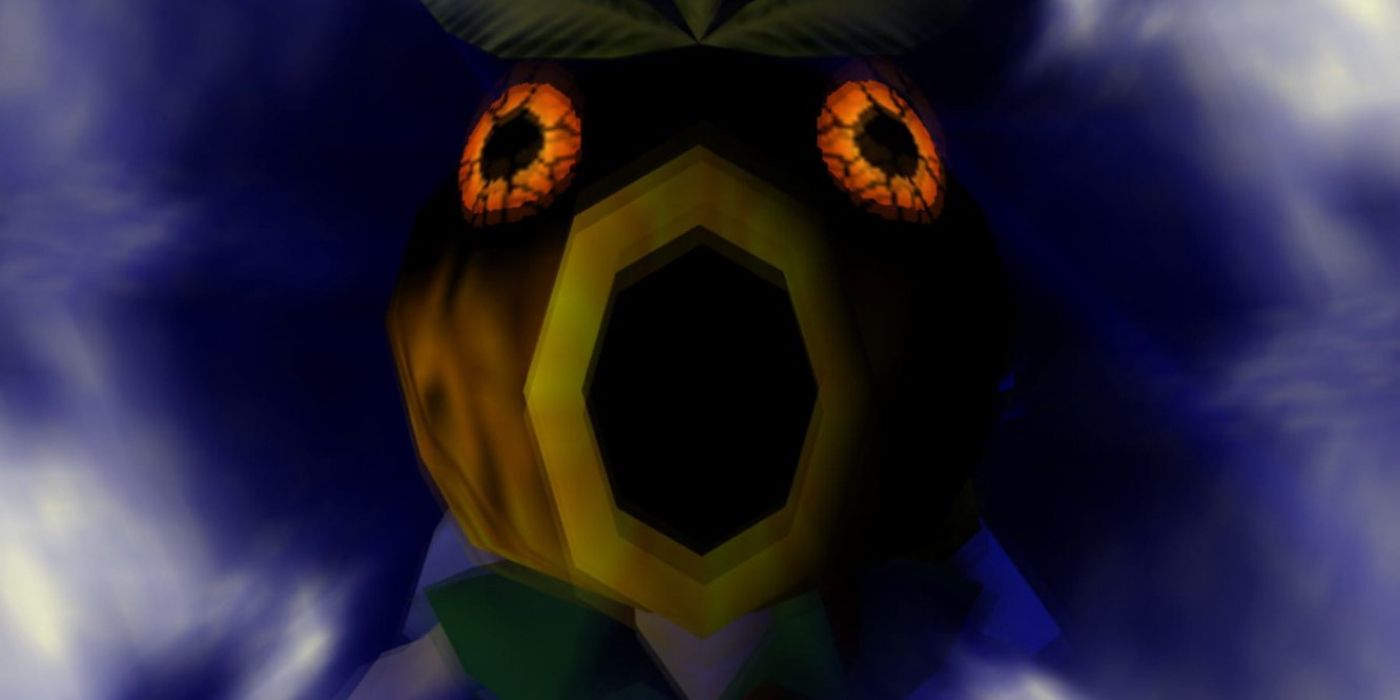
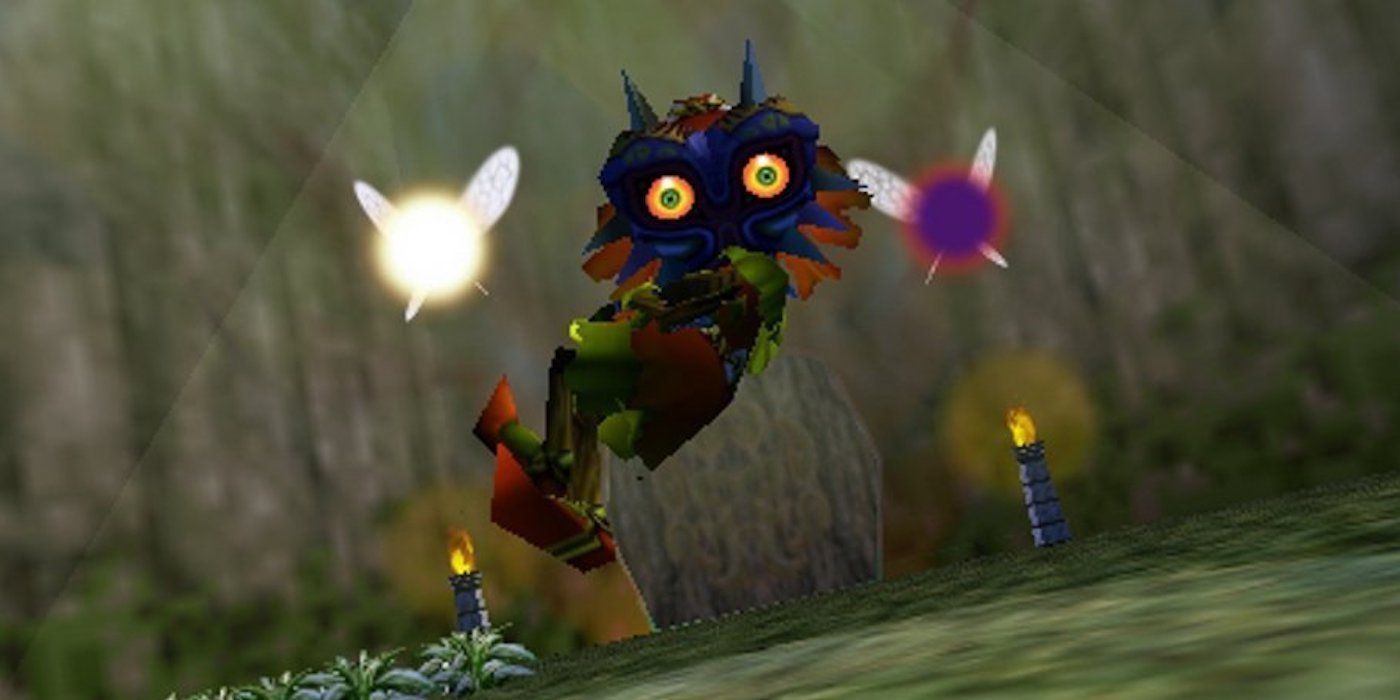
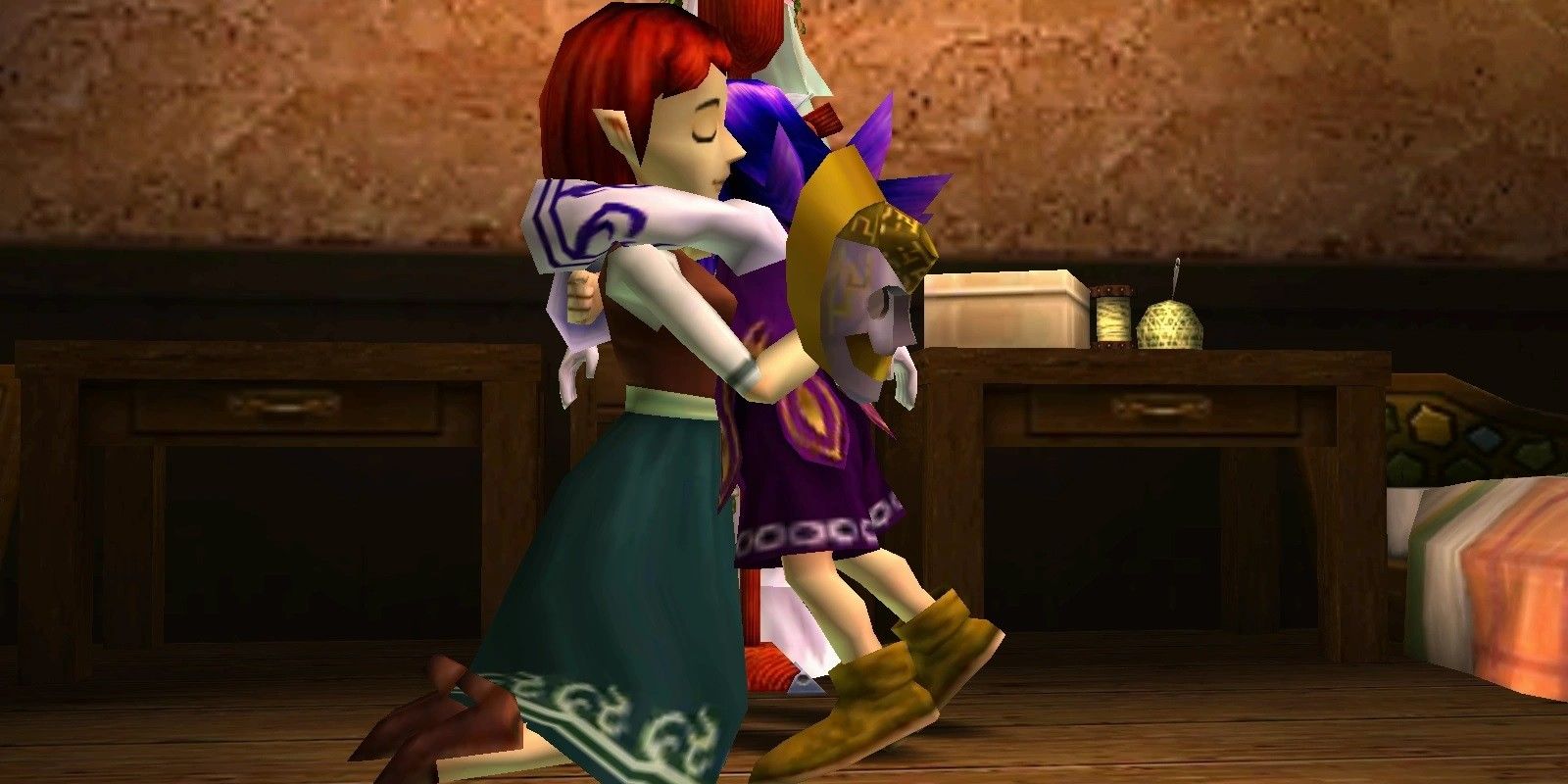
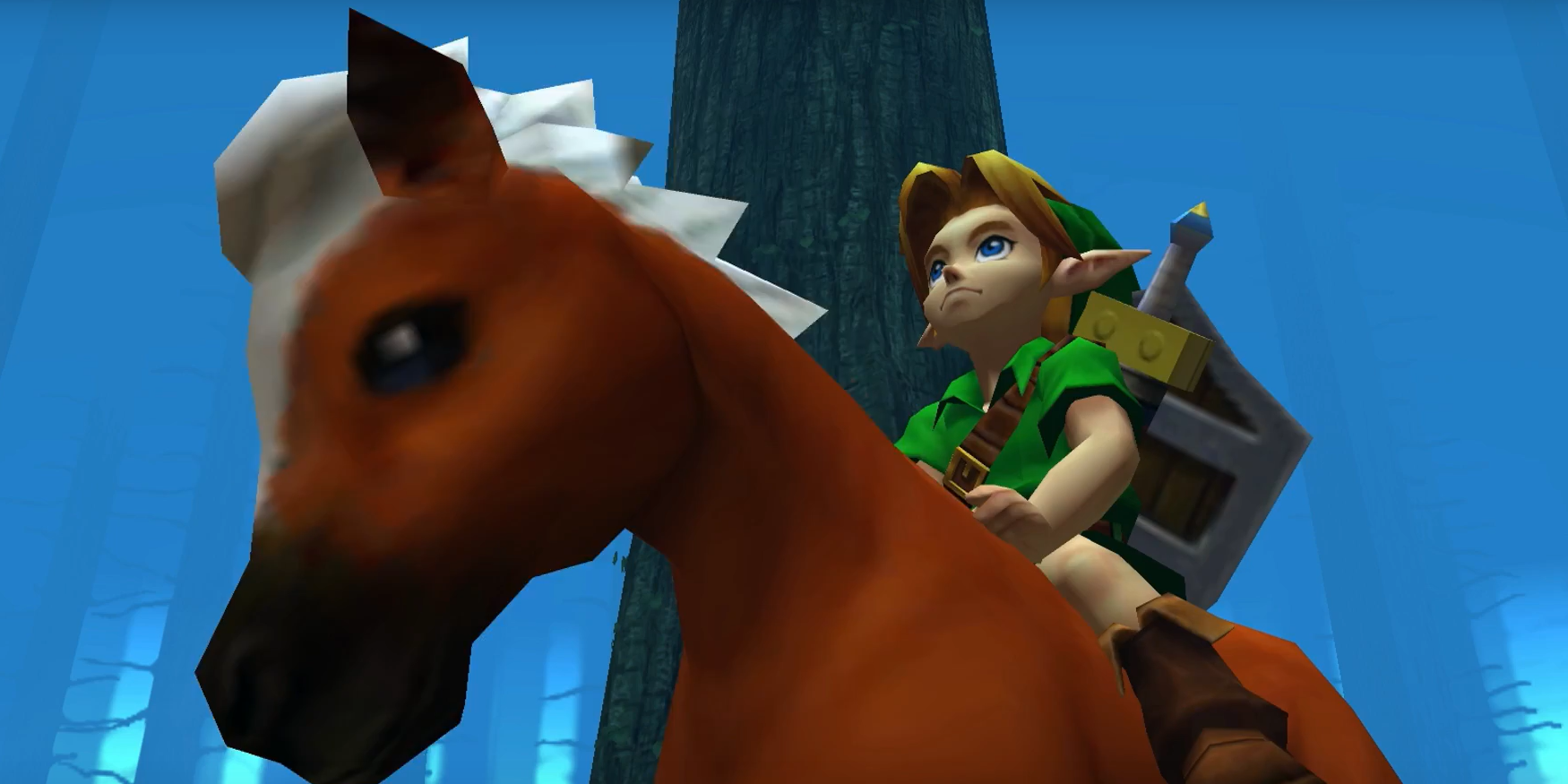
The story behind the making of Majora’s Mask is fascinating. After finishing Ocarina of Time, the development team had just one year to create a completely new Zelda game, which put them under a lot of pressure. This rushed development process is a big reason why Majora’s Mask is the darkest and most unsettling game in the Zelda series, and it’s hard to talk about the game without acknowledging its origins.
Majora’s Mask feels less like a carefully planned game and more like a creation born from intuition and inspiration – almost as if it came from another world. Considering the short development timeframe, that’s perhaps the only way it could have been made. A pervasive sense of sadness runs throughout the entire game; even the characters’ simple lines about wanting to be with their families feel like a desperate plea reflecting the stressful and difficult conditions the developers were working under.
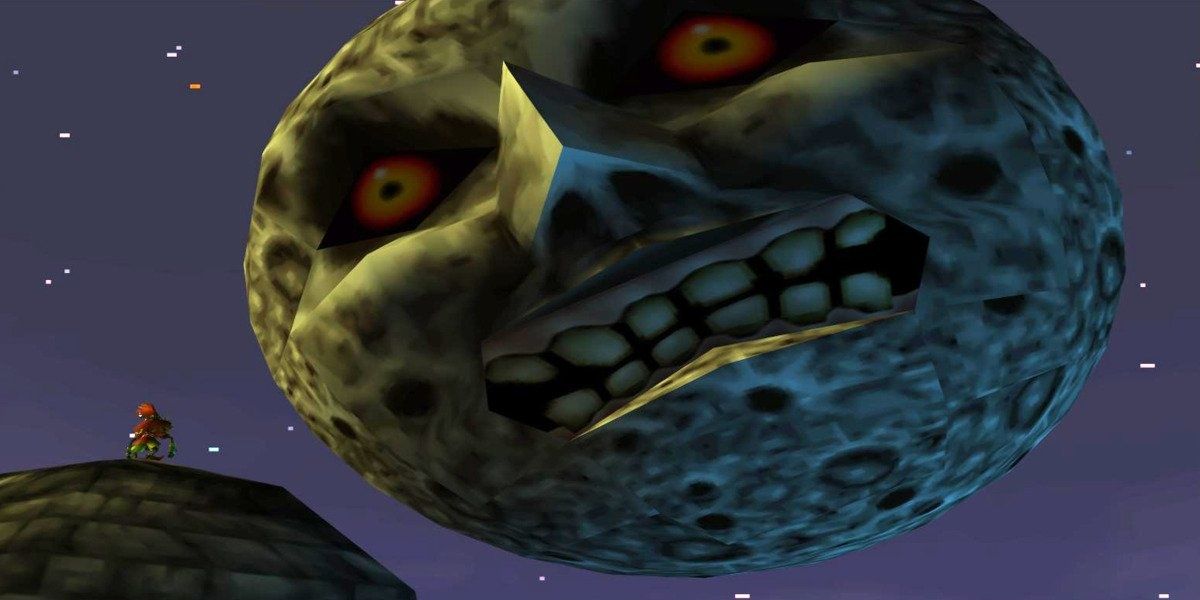
The looming moon isn’t just a visual element; it creates a constant sense of urgency and dread, mirroring the feeling the game’s creators intended. The strange and unsettling journey through Termina showcases how Majora’s Mask truly captures the imagination, which is why it remains a standout title in the Zelda series.
Released in 1993, The Legend of Zelda: Link’s Awakening could have simply been a basic adaptation of the popular Zelda series for the new handheld console. However, it became a truly exceptional Zelda game, cleverly condensed into a smaller format, and told one of the most memorable stories in the entire series.
Knowing they couldn’t create a game as expansive as A Link to the Past, the team behind Link’s Awakening crafted a smaller, more intimate story for Link, placing him on a secluded island far from Hyrule. This resulted in a touching love story with a surprisingly impactful ending – arguably the most powerful twist in the entire Zelda series. In terms of how it plays, Link’s Awakening feels like a true continuation of A Link to the Past, and that’s a good thing. The original Game Boy version was already a beloved classic, and the Switch remake is one of the rare instances where the updated version is just as enjoyable as the original.
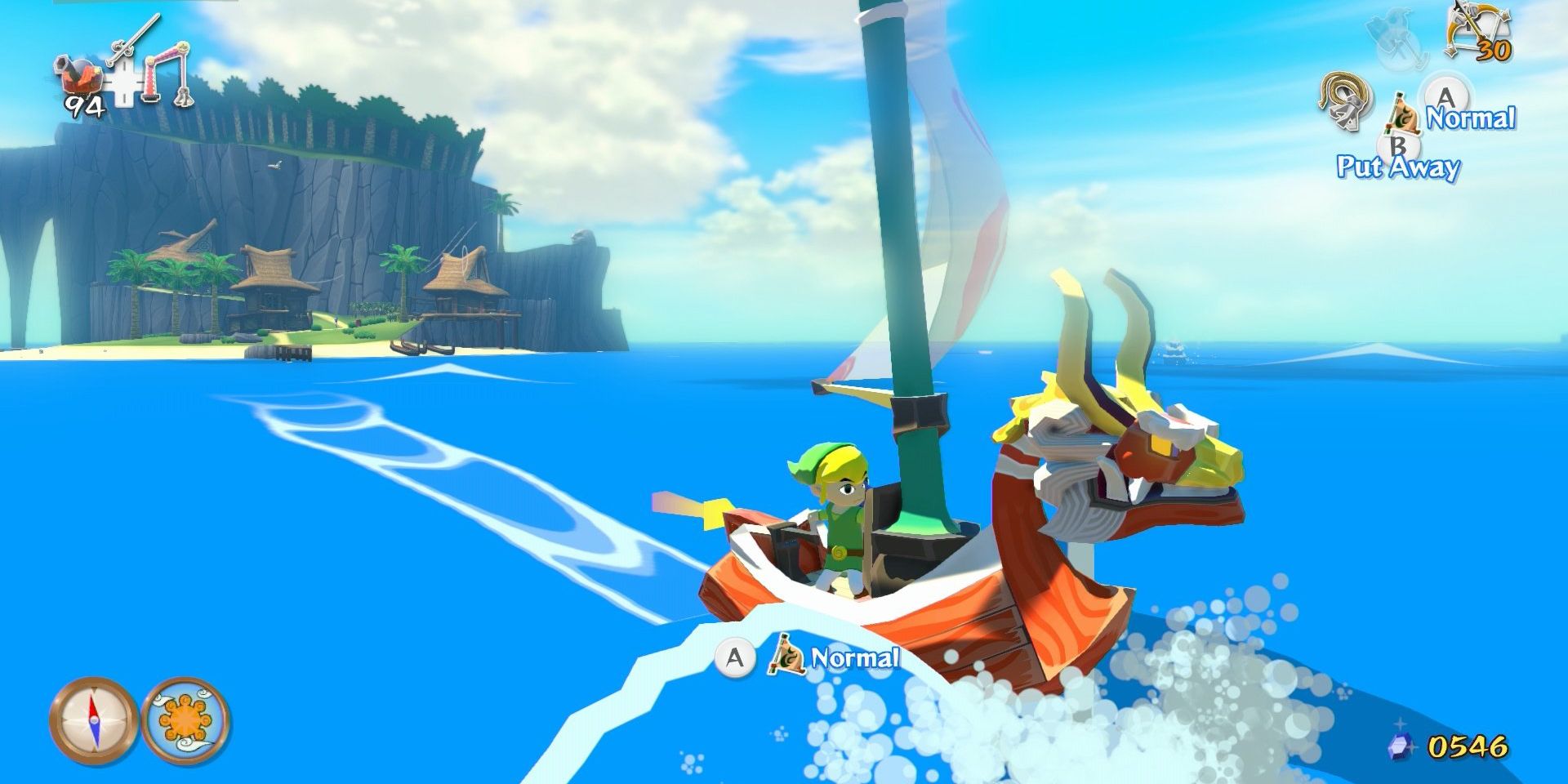
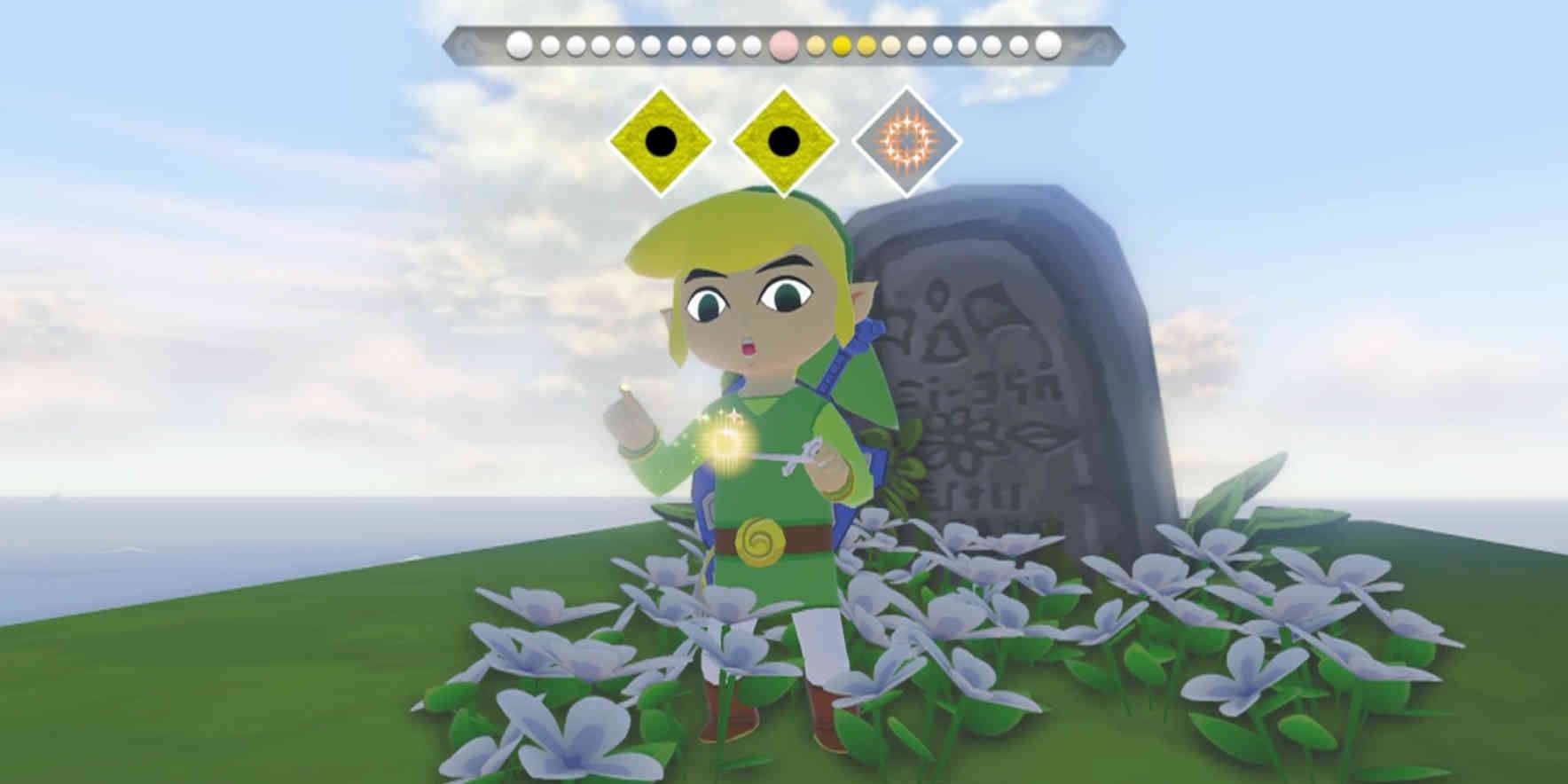
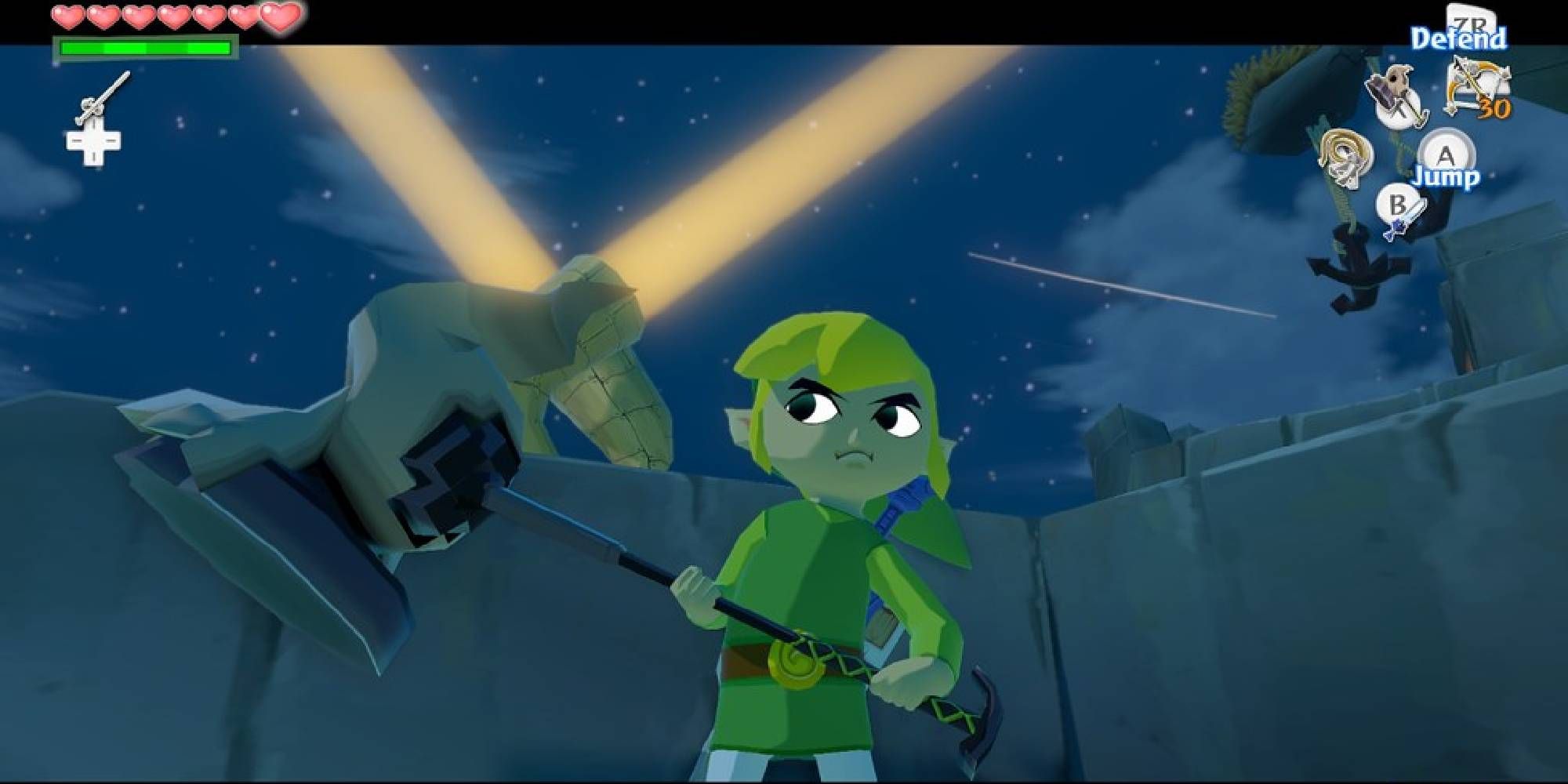
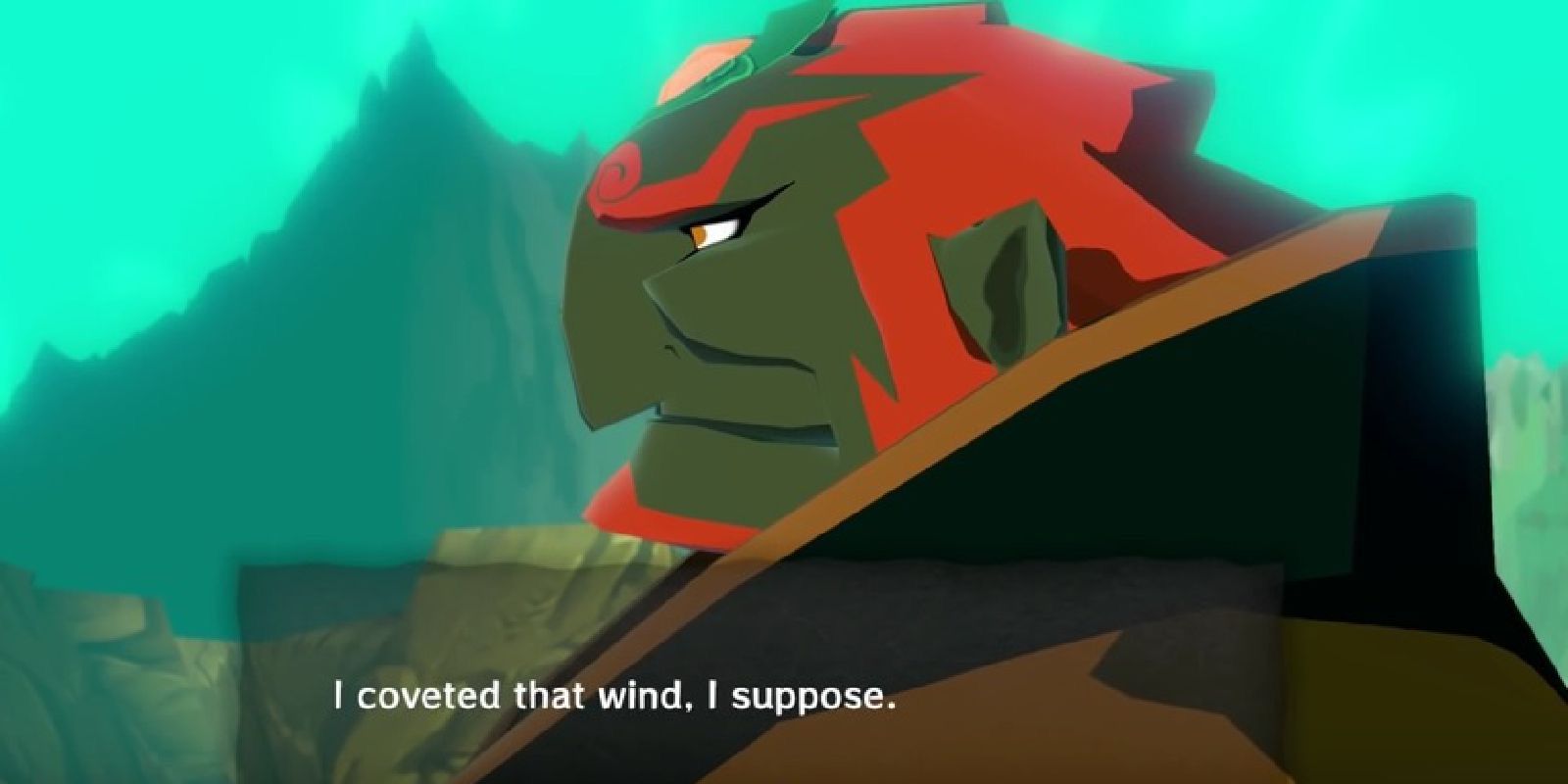
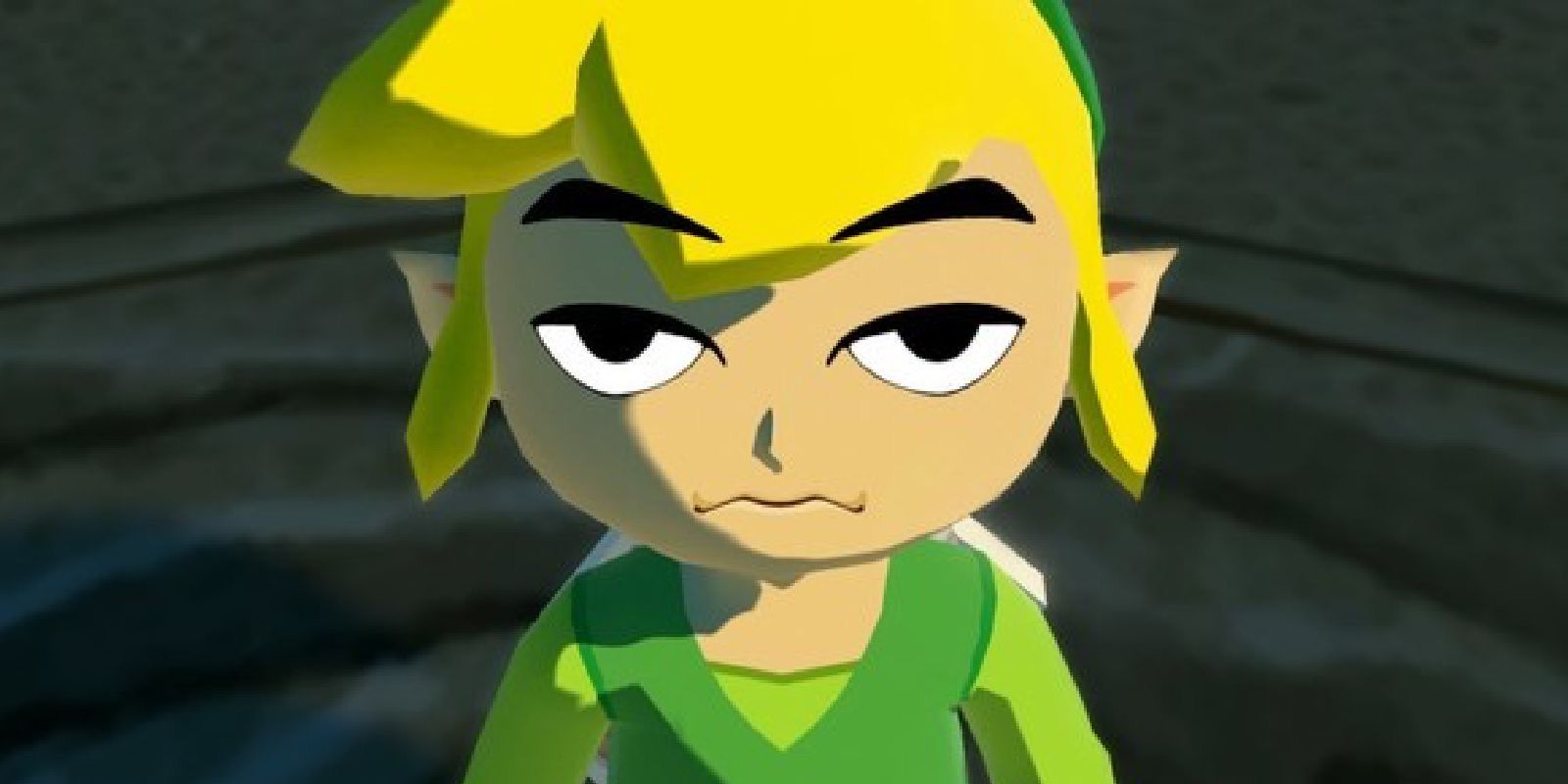
Following the huge popularity of Ocarina of Time and Majora’s Mask on the N64, the team behind the Zelda games wanted to build on what they’d learned with 3D game design and create something for newer consoles. This led to the development of The Legend of Zelda: The Wind Waker. The game expands on the combat, controls, and story elements that made Ocarina of Time so successful, taking them to a new level.
The battles are quicker and more dynamic than in Ocarina of Time, featuring a much wider range of moves. The controls are also a significant improvement – this Zelda game was the first to allow players full control of the camera. Plus, the story is more complex and surprising, with plenty of unexpected twists and a villain many players still feel sympathy for.
Even with all the clear advancements, the game’s unique, cartoon-like art style was initially a surprise for many dedicated Zelda fans. It took time for people to appreciate the look of Wind Waker, but Nintendo continued to use this style in almost every 3D Zelda game that followed. Exploring the ocean in Wind Waker is a remarkably peaceful experience that remains enjoyable even today, standing out among games from the early 2000s.
Many consider A Link to the Past to be the first truly classic Zelda game. Though it was the third game released, it established the core gameplay that the original Zelda had only begun to explore. From its release in 1991 until A Link Between Worlds in 2013, A Link to the Past defined what a Zelda game should be, with its focus on puzzles, collecting items, and exploring dungeons.
Not only was A Link to the Past a groundbreaking game for the series, but it’s also remarkably well-made. Even after more than 30 years of subsequent Zelda games, it still boasts some of the best dungeons and boss battles the series has to offer. Plus, it introduced the iconic Master Sword, solidifying its place as a timeless classic and ensuring its lasting impact on the Zelda franchise.
Although Breath of the Wild initially seemed like a huge change for the Zelda series, looking back, it actually brought the games back to their roots. After A Link to the Past established the classic Zelda formula, the series had focused more and more on dungeons, but the original Zelda was really about exploring a vast world – something Breath of the Wild revived.
Both Breath of the Wild and Tears of the Kingdom offer incredible adventures, but they do so in different ways. Breath of the Wild captured the spirit of the original Legend of Zelda by featuring a vast and open Hyrule to explore. While Tears of the Kingdom built upon Breath of the Wild with improvements and a much larger world, Breath of the Wild remains special for its focus on survival and a more grounded experience of traveling and fighting. It felt like a blend of classic adventure and a challenging survival game.
The whole ruined-Hyrule idea just worked, you know? And the music – Koji Kondo really stripped it back for this one – it just made everything feel so empty and sad. When Breath of the Wild first came out, people were pretty divided about how different it was from other Zelda games. But now? It’s become a total classic, always showing up on those ‘best games ever’ lists, and honestly, I totally get why.
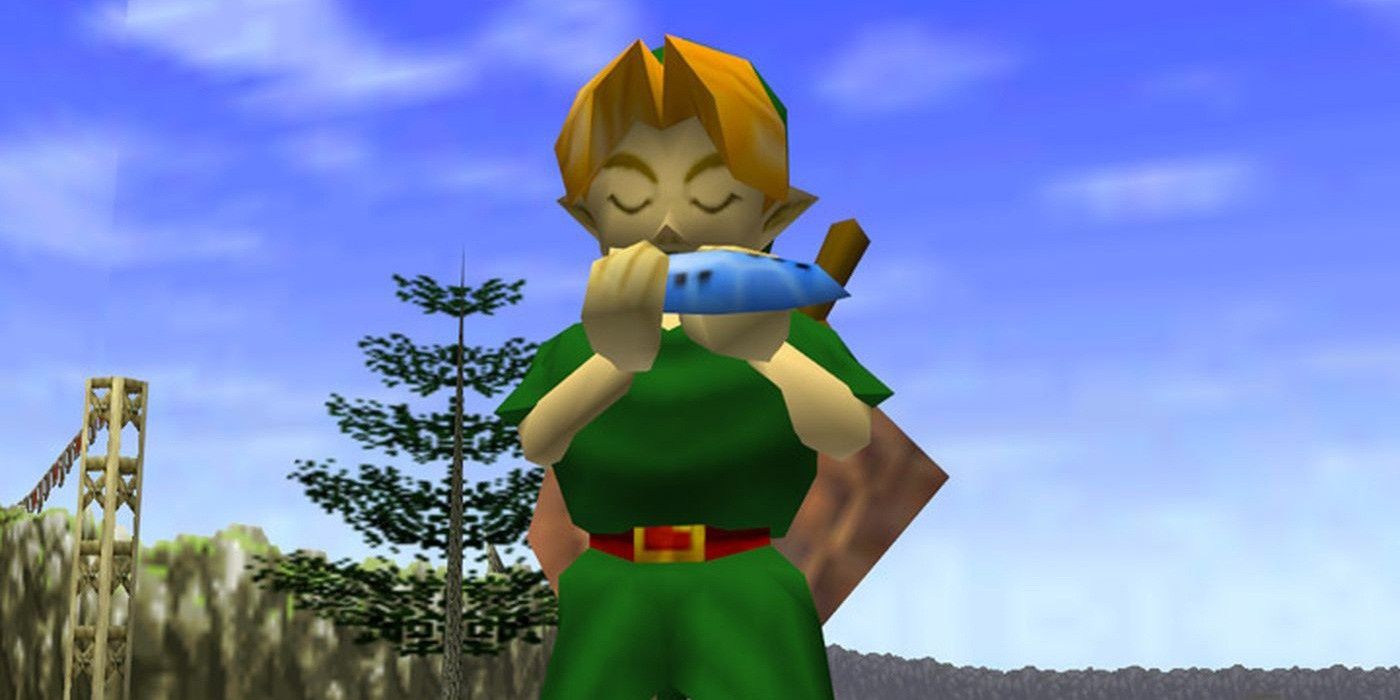
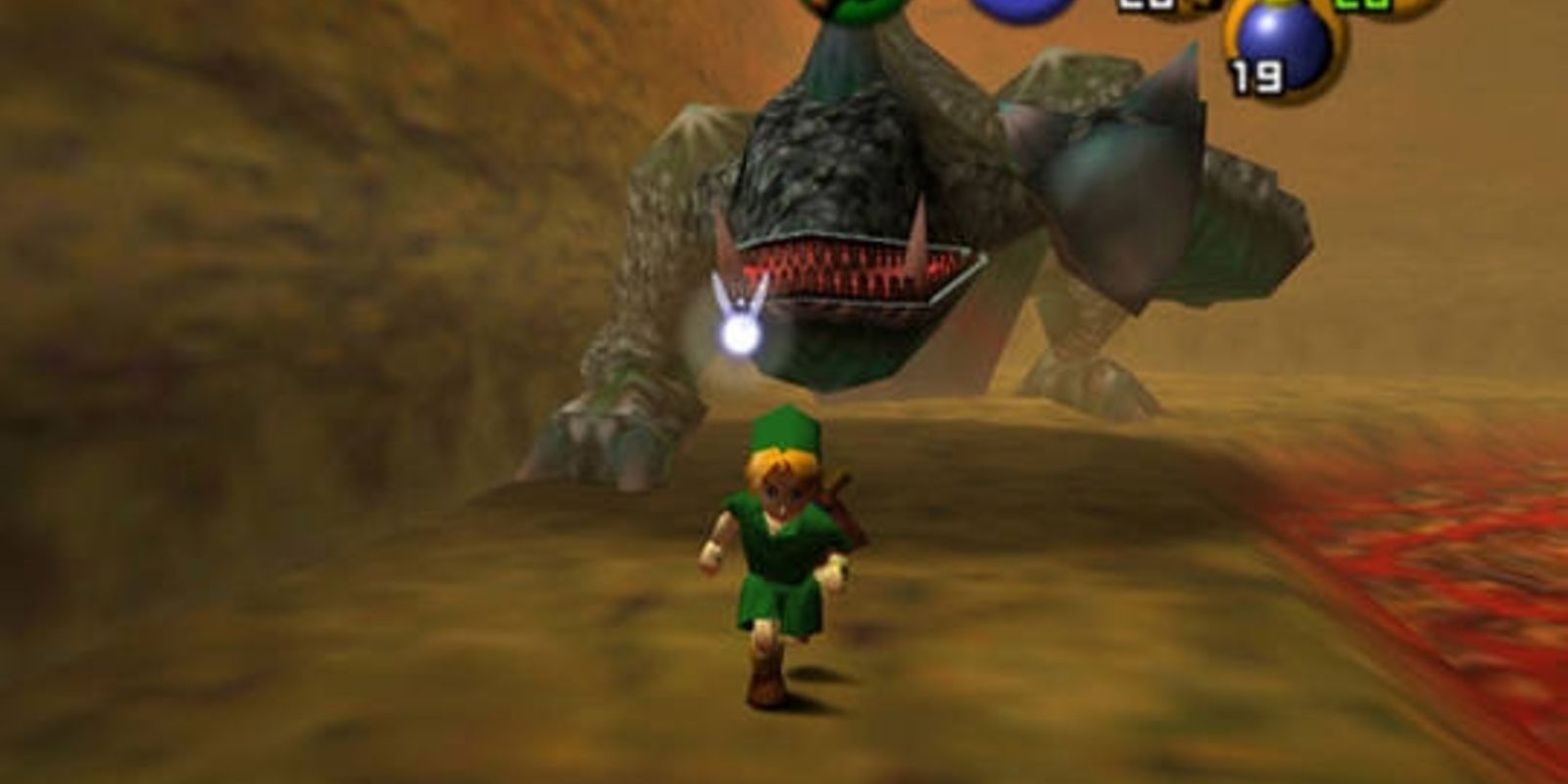
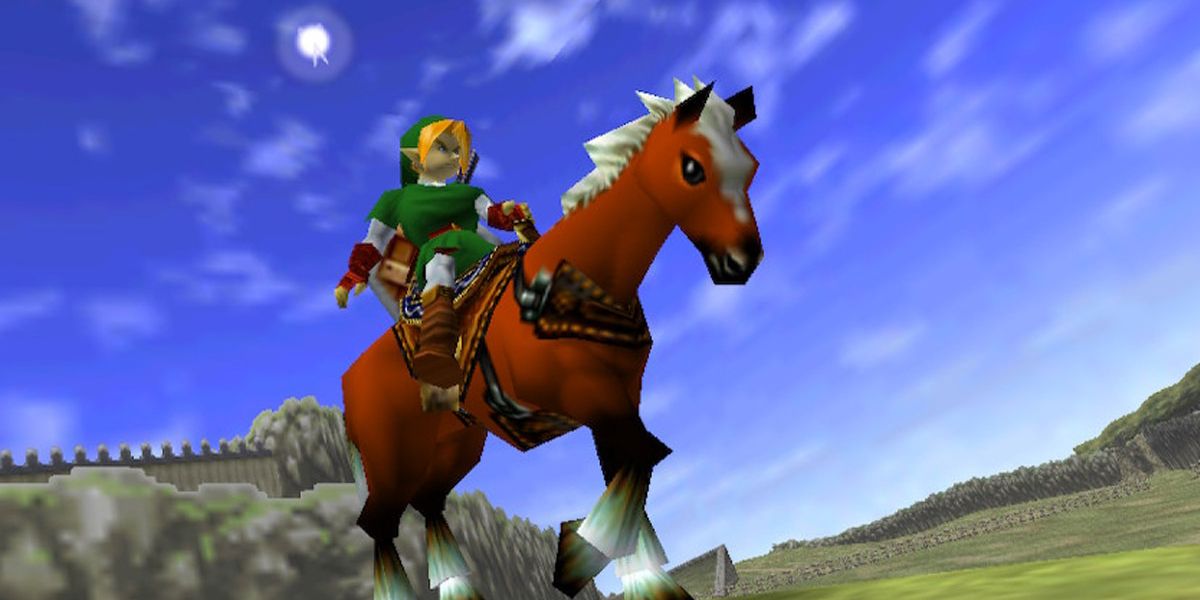
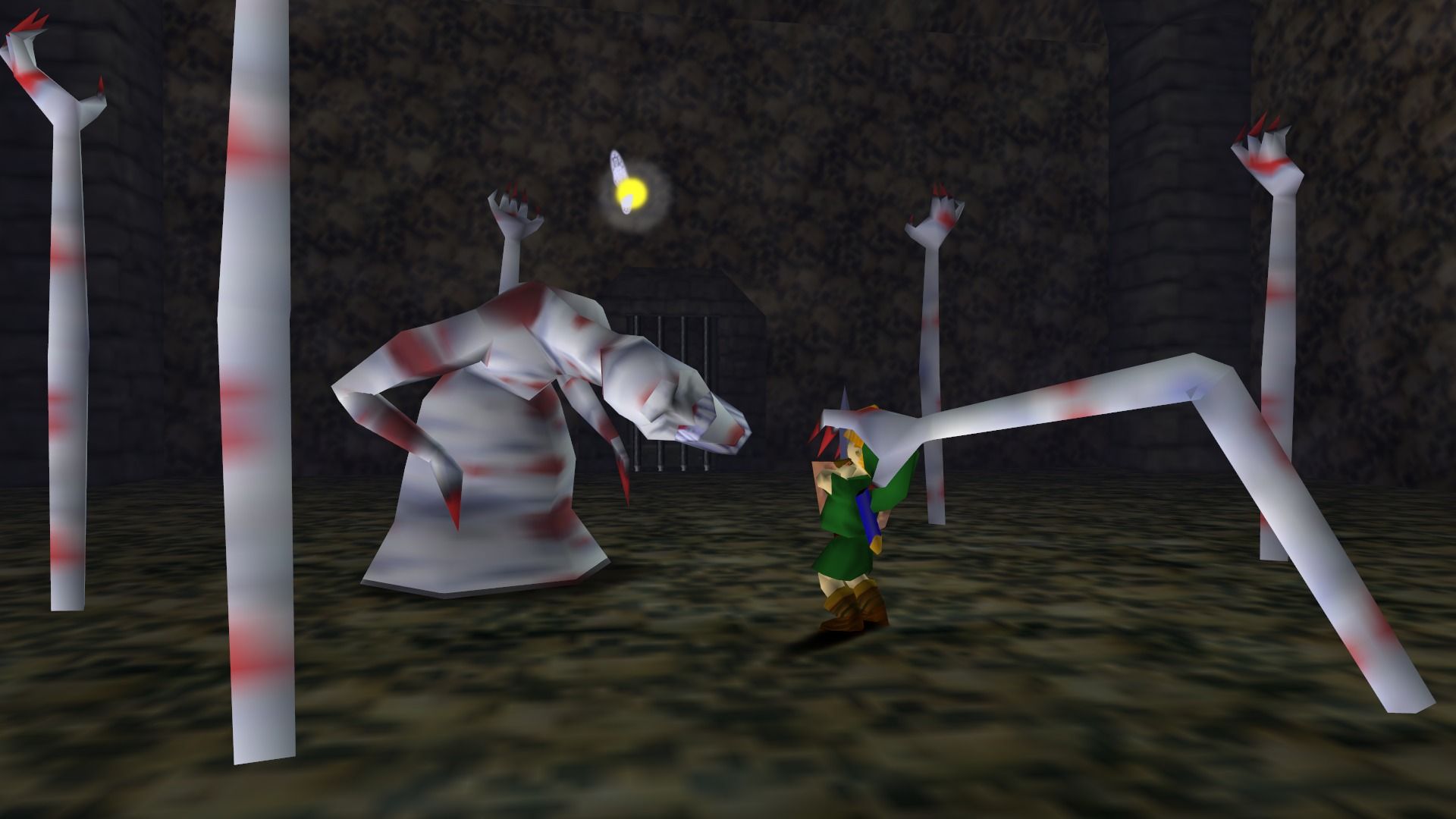
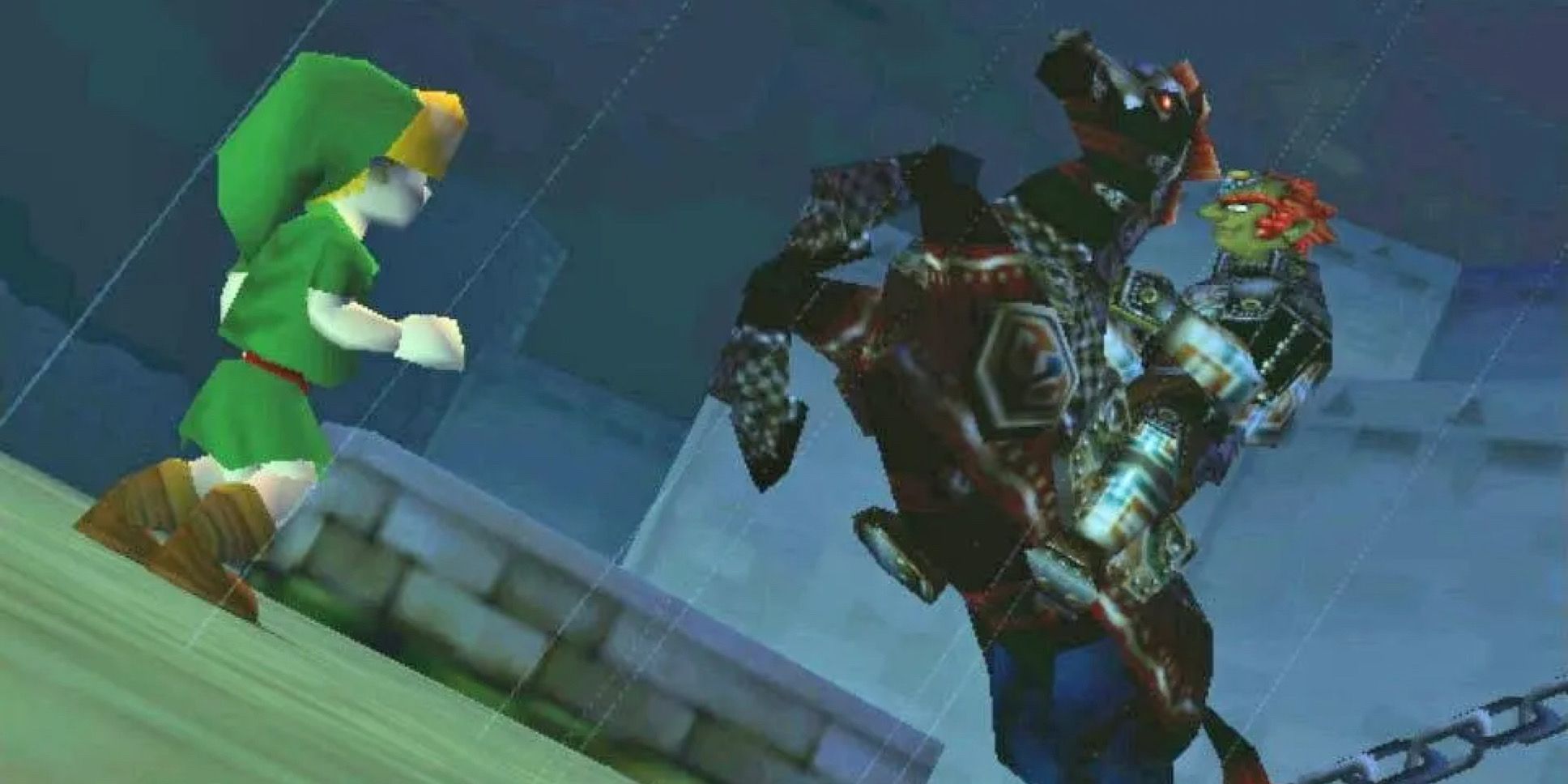
The Legend of Zelda: Ocarina of Time truly represents the best of the Zelda series. It features some of the most well-designed dungeons in the franchise, and its innovative combat system continues to influence 3D action games today. The game’s music is also brilliantly integrated with the gameplay, creating a particularly strong connection with players. Importantly, Ocarina of Time’s story built upon the foundations laid by A Link to the Past, refining the narrative approach and establishing storytelling as a crucial element for all subsequent Zelda games.
The story in Ocarina of Time is surprisingly simple, and that’s what makes it work so well. It doesn’t try to reinvent fantasy stories or create a complicated world; instead, it feels like a classic fairytale, much like a story told for generations. This simple storytelling blends perfectly with the game, making players feel completely immersed in Link’s quest to save the Princess from Ganon. Let’s hope the new Zelda movie learns from this approach.
The original Legend of Zelda for the NES, released in 1986, remains unmatched. It’s a true gaming classic that launched the action-adventure genre and continues to influence games today. Remarkably, its simple gameplay is still enjoyable after 40 years, and it even shares similarities with the challenging 2D rogue-like games that are popular now.
One of the things that makes the original Zelda so special is how mysterious it is. The map wasn’t very detailed, and characters often spoke in riddles, forcing players to figure things out on their own. This turned playing the game into a puzzle as much as an adventure, and it made the world of Hyrule feel incredibly immersive. Modern games usually avoid this approach, fearing it might frustrate players who aren’t as dedicated.
What truly makes the original Zelda special is its memorable art style, focus on exploration, and incredible music. These elements were so successful that they’ve continued to define the series for over 40 years, solidifying its place as not only the best Zelda game, but potentially one of the greatest video games ever created.
Read More
- Game Of Thrones Star’s New Sci-Fi Movie Changes The Rules Of A Popular Genre
- Доллар обгонит лев? Эксперты раскрыли неожиданный сценарий
- The 21st Century’s Best Sci-Fi Series Did What Most TV Shows Wouldn’t Dare
- There’s Officially 2 Weeks Left Until Prime Video Changes Forever
- ‘Harry Potter’ First Look Images Showcase Severus Snape, Dumbledore & More Characters
- ‘Deadpool’ Star Stefan Kapičić Joins Keanu Reeves in Tim Miller’s New Sci-Fi Action Thriller
- Apple TV’s New Horror Series Is Stephen King-Like Nightmare Fuel In First Widow’s Bay Trailer
- Netflix’s 8-Part Psychological Thriller Is Its Best New Show To Binge This Weekend
- Steamy Series ‘Outlander’ Dominates Its Raunchy Competition on Streaming
- Zelda: Ocarina of Time’s Switch 2 Remake Can Finally Fix the Timeline
2026-02-20 22:16