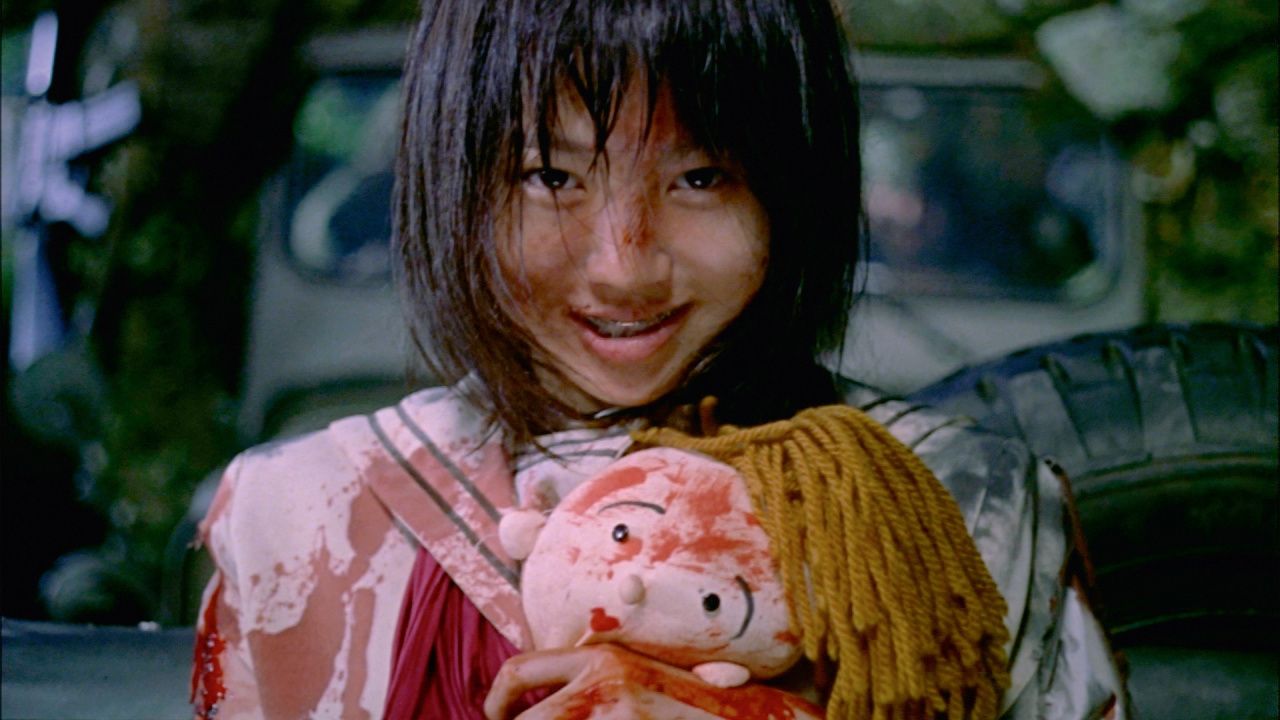
I’m a huge Quentin Tarantino fan – I’ve actually reviewed every single one of his films right here on this site, even Death Proof! So yeah, it’s safe to say I really appreciate what he does as a director.
That being said, I occasionally find Quentin Tarantino’s opinions to be a little strange or offbeat. Recently, he called Paul Dano a not-very-good actor, and he also claimed that The Hunger Games heavily copied the film Battle Royale.
Honestly, are we still talking about this? Our own Eric Eisenberg pointed out back in 2012 that The Hunger Games isn’t the same as Battle Royale, so this isn’t a new discussion. But here’s my take: I don’t see eye-to-eye with Tarantino about Paul Dano, but I do agree with him that The Hunger Games borrows heavily from Battle Royale… with a few caveats. Let me explain.
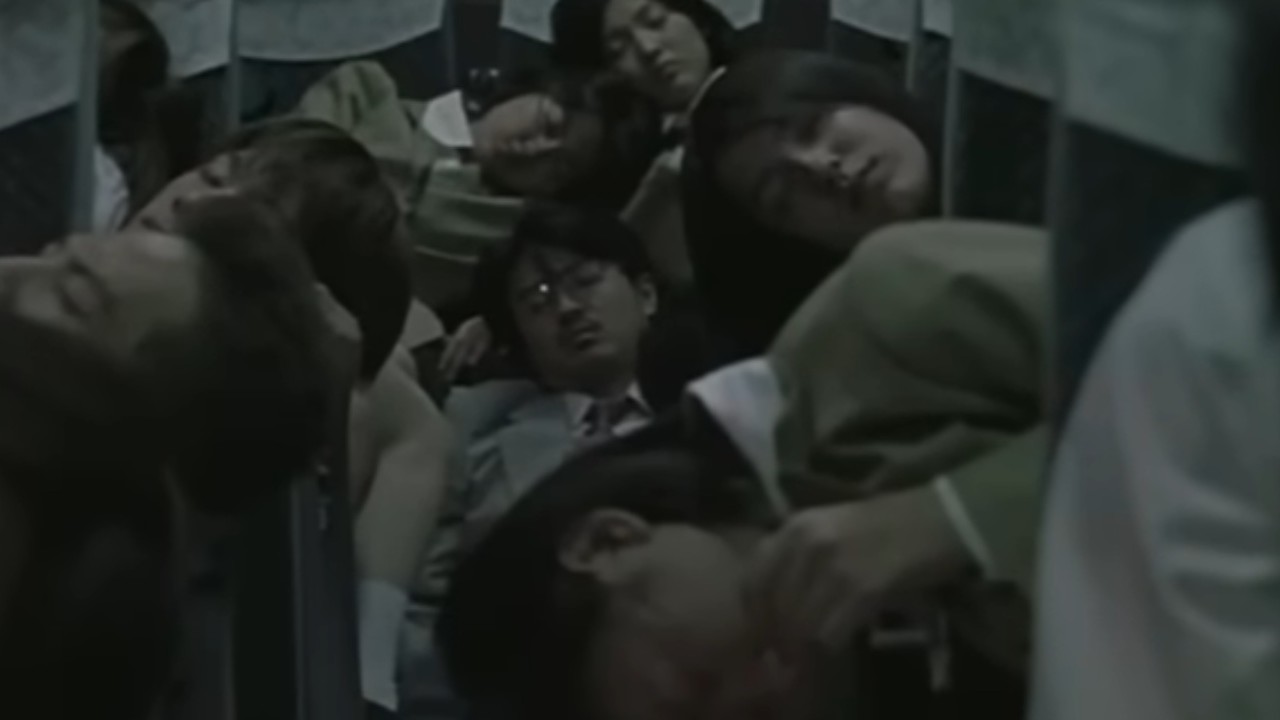
Why It’s “A Rip-Off”: Both Stories Are About Kids Killing Each Other
The term “rip-off” suggests someone borrowed another person’s idea and presented it as their own. While Suzanne Collins, the author of The Hunger Games, says she wasn’t familiar with Battle Royale before writing her books, we’ll accept that as true. This is despite the fact that Battle Royale was published nine years earlier, and a film adaptation came out in 2000. For the sake of argument, though, let’s assume Collins is being honest.
Like the similarities between Christopher Nolan’s Inception and the 2006 film Paprika, the connections between Battle Royale and The Hunger Games aren’t very deep. Both stories feature young people forced to fight to the death. In Battle Royale, a strict Japanese government kidnaps a class of students each year and forces them to kill each other on a deserted island.
The story of The Hunger Games features a nation divided into districts, from which two children are chosen to fight to the death for the entertainment of the wealthy. This brutal competition has been happening for years, and people have come to accept it as normal. Similarly, Battle Royale also presents a deadly competition with a single intended survivor. This leads many to believe The Hunger Games simply copied Battle Royale. However, that’s not quite the full story.
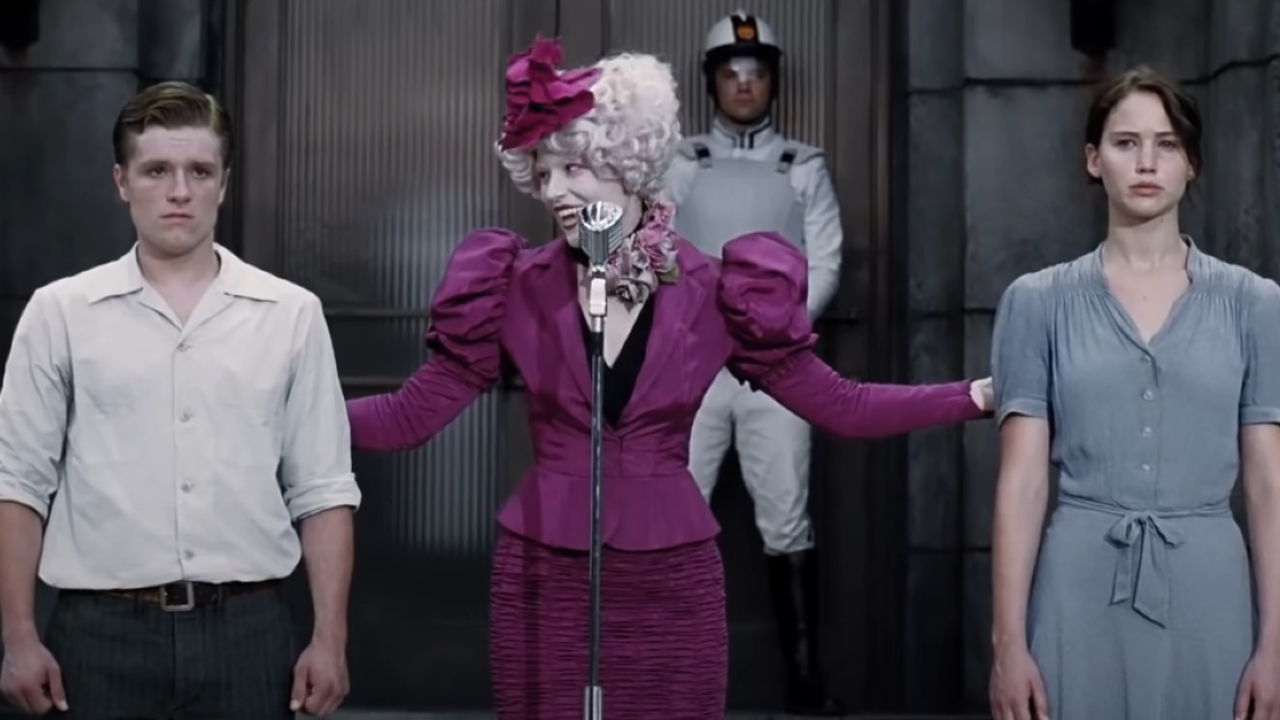
Why It’s Not: The Reasons Why They’re Killing Each Other In Both Stories Are Vastly Different
Josh Hutcherson, known for his roles in The Hunger Games and Five Nights at Freddy’s, recently spoke with Variety magazine, sharing his thoughts on…
There are similar themes, for sure. But, you know, everyone borrows from everyone.
Variety
Honestly, I’m fine with that response. I’ve always been skeptical of Collins’ claim that she’d never heard of Battle Royale. I saw it well before The Hunger Games was released, and many people I knew did too. It was a popular “cult movie,” but unlike films like Six-String Samurai or Faster, Pussycat! Kill! Kill!, Battle Royale gained attention because it was so controversial, and a lot of people were talking about it when it first came out.
As Hutcherson points out, all stories borrow ideas from each other, but the reasons the characters die in these two stories are quite different. In The Hunger Games, the main conflict stems from economic inequality – the tributes fight to survive and provide for their impoverished districts, while the wealthy watch and gamble. The title itself hints at this desperation; these characters are literally fighting for food.
Okay, let’s talk about Battle Royale. It’s often brought up when discussing similar stories, and I get why. But it’s crucial to understand why those kids are fighting. The Japanese government in the film isn’t just letting it happen; they’re deliberately using this horrific event to control people through fear. That’s fundamentally different from other narratives where kids end up in deadly conflicts. While the surface-level premise might seem similar, the motivations are completely distinct, and honestly, it feels unfair to call it a copycat. It’s a story with its own, chilling purpose.
Why It’s “A Rip-Off”: They’re Both Dystopian Stories
Stories about frightening futures aren’t new. One of the earliest examples is Yevgeny Zamyatin’s We, published in 1924. Since then, we’ve seen many similar themes in works like Mad Max, Battle Royale, and The Hunger Games. And it seems like we’re seeing that pattern again.
Dystopian fiction has a long history, but the genre had become less popular by the 1990s. While books like The Giver were published in 1993, the overall tone of dystopian stories felt more optimistic at that time. That changed with the release of Battle Royale, which brought the genre back into the spotlight. Later, The Hunger Games took it to a whole new level of popularity in the 2000s.
It’s easy to see the similarities between The Hunger Games and Battle Royale as dystopian novels. Both stories use common themes of the genre, like powerful, controlling governments that oppress their citizens.
Because The Hunger Games is a clear example of a dystopian narrative, the similarities to Battle Royale are even more striking. It really feels like a copy!
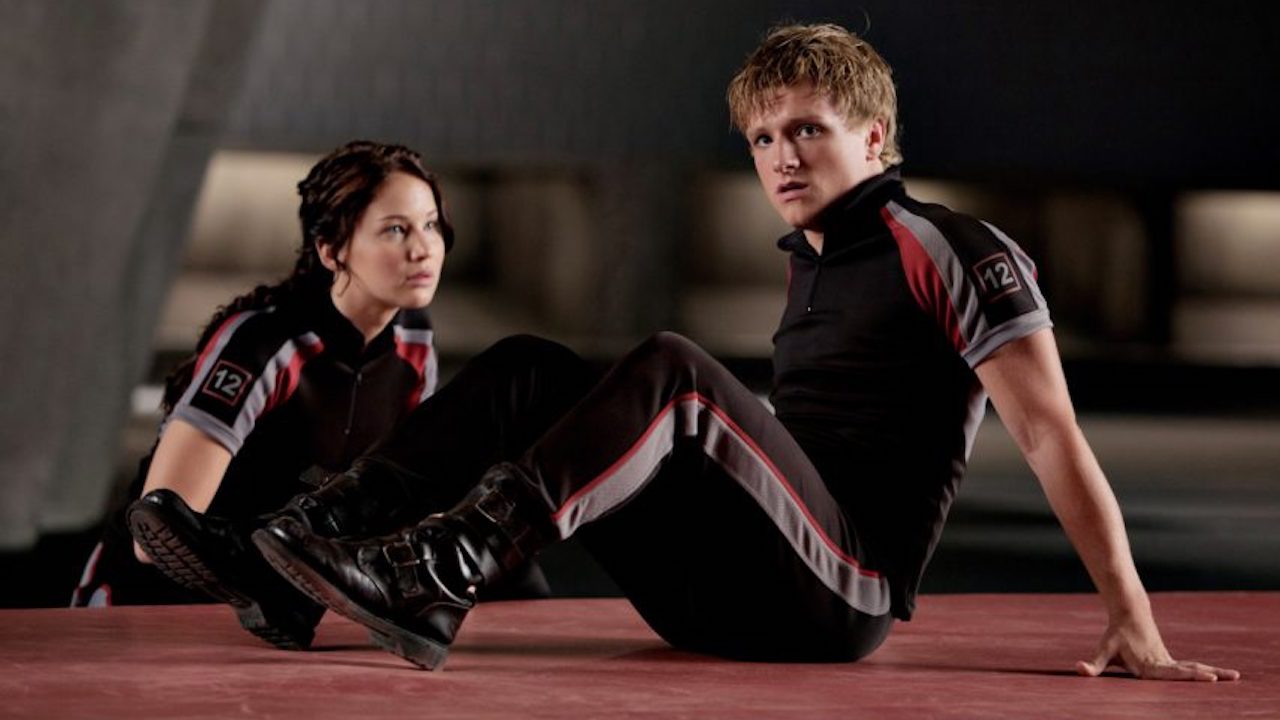
Why It’s Not: One Is Based More In Horror, The Other Is Young Adult
I’m a big fan of Japanese horror films – they have a unique quality that sets them apart. Battle Royale is a perfect example; it’s a truly disturbing and violent story. The characters are given weapons, ranging from completely useless items like forks (though Squid Game proved even those can be dangerous!) to powerful guns. This creates a sense of horror based on feeling trapped and vulnerable with potentially dangerous people around you.
While both share similar premises, The Hunger Games isn’t horror like Battle Royale. This is a key distinction: Battle Royale remains a niche film due to its graphic horror, whereas The Hunger Games became a mainstream success because it’s a more accessible young adult series with science fiction themes, even though it contains surprising levels of violence.
Battle Royale aims to be shocking, while The Hunger Games feels like it’s trying to say something about the dangers of unchecked capitalism and how it affects everyone, rich or poor. Battle Royale has a very specific Japanese feel, but The Hunger Games’ message is more universal and likely to connect with a wider audience.
I believe Battle Royale, despite being well-known, hasn’t reached the same level of popularity as The Hunger Games in the United States. They appeal to very different groups of people, which probably explains why someone like Quentin Tarantino might dismiss The Hunger Games – it simply isn’t his kind of movie.
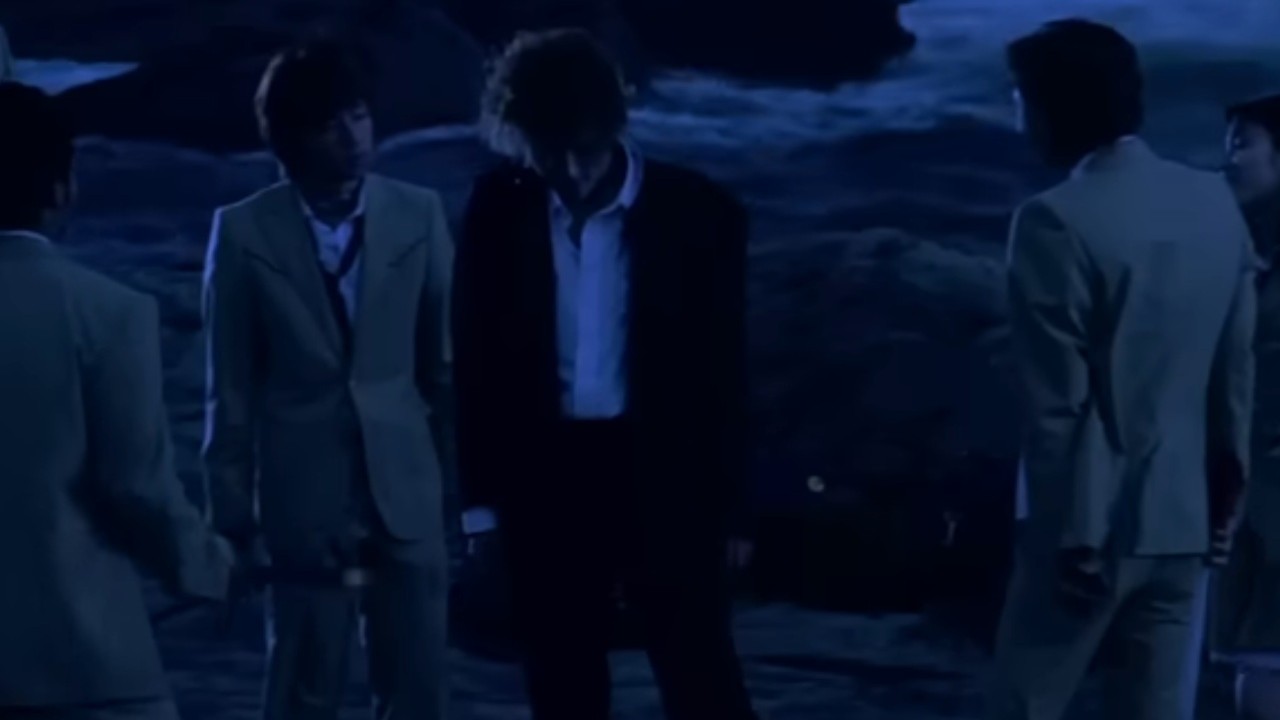
In The End, There Are Similarities Between The Two, But Also A Number Of Differences
Having read and watched both Battle Royale and the first three Hunger Games stories, I can see some similarities, but overall, I think they’re actually quite different.
I enjoy both Battle Royale and The Hunger Games, which is something I know not everyone agrees with, especially compared to someone like Tarantino. I appreciate the gritty, self-contained nature of Battle Royale, but I’m particularly drawn to the war elements in The Hunger Games – in fact, Mockingjay is my favorite installment in the series, both as a book and a movie.
So, yeah. The Hunger Games might be a “rip-off,” but if it is, it’s a damn good one.
What do you think? Do you also like both? I’d love to hear your thoughts.
Read More
- The Mummy Returns Sets 25th Anniversary Rerelease Date With Poster & Teaser
- Прогноз криптовалюты OP: прогнозы цены OP
- New Chris Pratt Sci-Fi Flop Already Out on Streaming
- Heated Rivalry Star Christina Chang Discusses Season 2 and Handling Fame
- Whether Dunk Was Really Knighted in A Knight of the Seven Kingdoms Revealed
- Darth Maul Theory Teases The Return Of A Surprising Star Wars Villain In Shadow Lord
- Sabrina Carpenter Is Starring In An Alice In Wonderland Musical, And The Behind The Scenes Talent Attached Has Me Even More Excited
- Heated Rivalry Creator Responds To Speculation About The Actors’ Sexuality In Steamy HBO Show
- Hulu’s Paradise Officially Confirms Season 2 Return Date
- Stray Bullets Could Be HBO’s Next Euphoria
2025-12-09 23:11