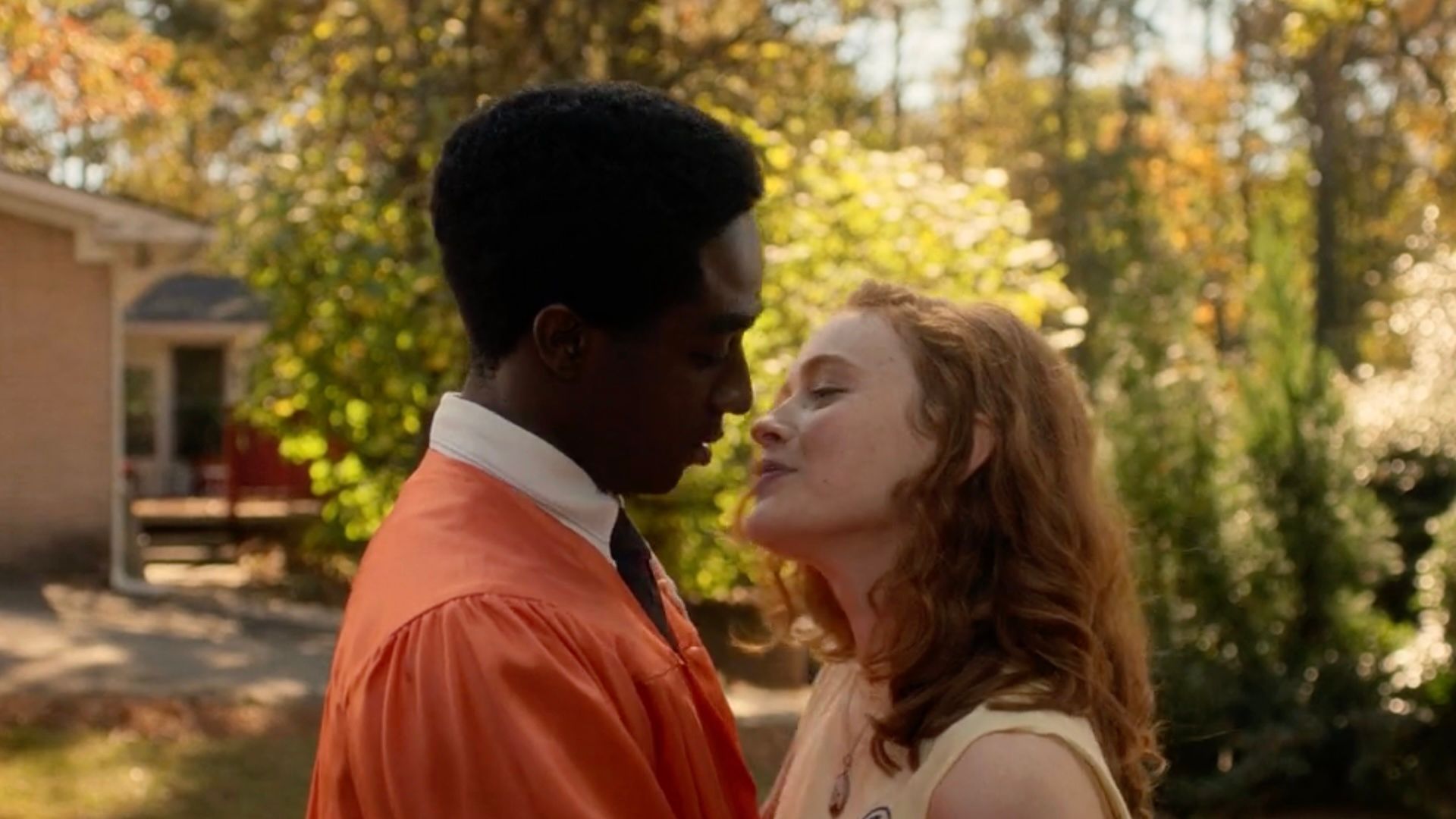
The ‘ConformityGate’ theory, suggesting a hidden alternate ending to Stranger Things, seems less likely and more a sign of the show’s weaknesses. The finale aired on December 31, 2025, and afterward, an unusual event occurred – something rarely seen with shows that have such a large and dedicated online fanbase.
Similar to what happened with shows like Sherlock and Supernatural, some passionate fans believed the finale wasn’t the true ending. They theorized a second, alternate finale episode would eventually be released. This idea, known as “ConformityGate,” suggested the ending we saw was a fake.
Considering how Vecna and the Mind Flayer in Stranger Things could warp what characters believed was real throughout season 5, a new fan theory is gaining traction. It suggests the finale didn’t actually happen and Vecna wasn’t truly defeated.
The apparent victory over the villain was actually a carefully constructed illusion designed to maintain his control over Hawkins. According to ConformityGate, the finale doesn’t show what really happens to the main characters—instead, viewers are watching a deception created by Vecna, similar to the simulated reality in The Matrix.
Stranger Things Season 5’s Ending Isn’t As Pro-Conformity As Fans Allege
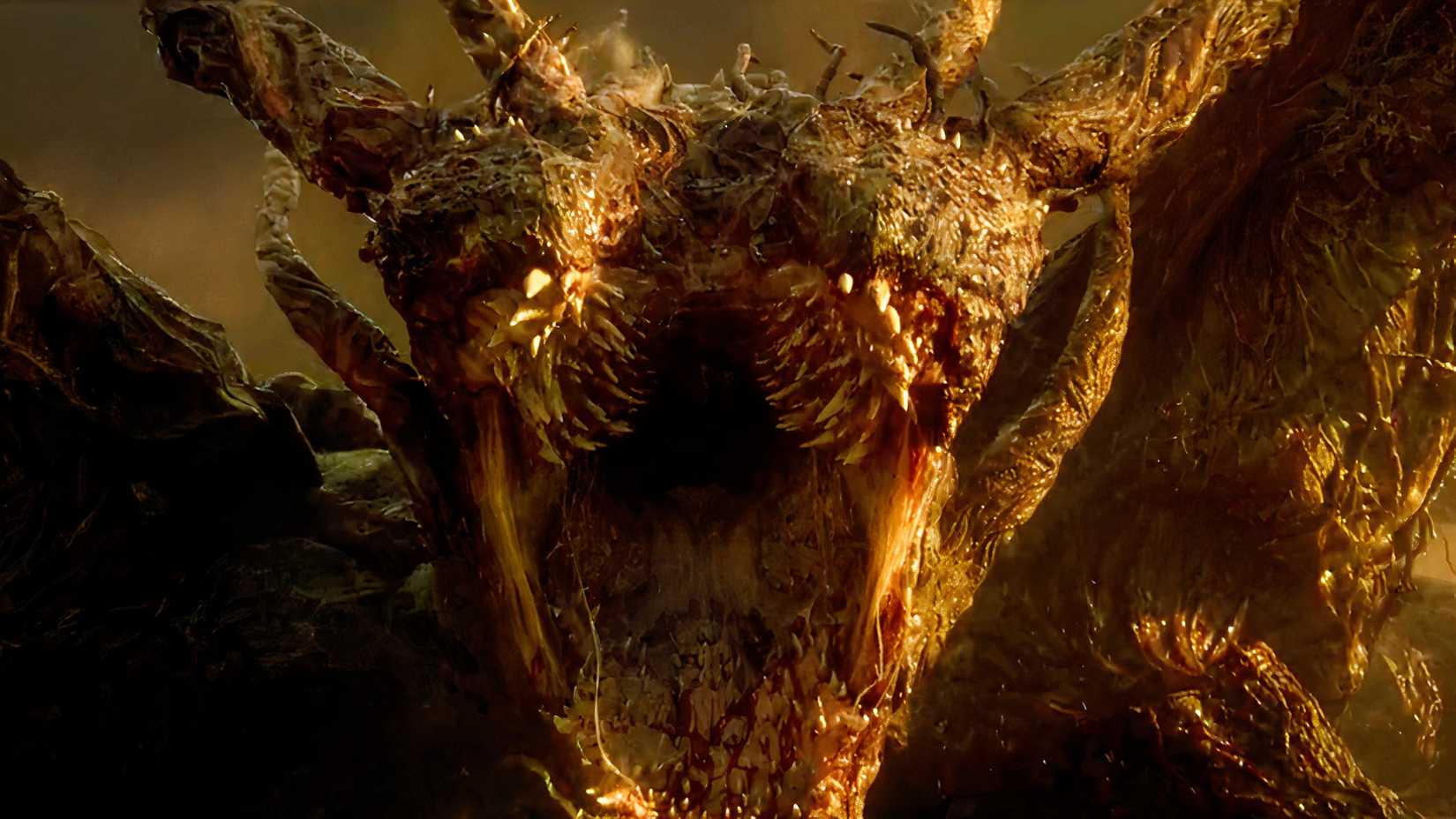
The ending of Stranger Things is open to interpretation. Some fans believe the finale might be a hallucination created by Vecna, experienced only by Mike. Others think Vecna is making everyone in Hawkins share the same illusion, giving him control. A more surprising theory suggests Vecna intentionally crafted the ending to mislead the audience watching the show.
Despite seeming interesting at first, the ConformityGate theory doesn’t hold up when examined closely. The core idea – that the characters in Hawkins ultimately succumb to the same conformity they fought against in the show’s ending – is flawed.
There are a few cases where this seems to be true. The most obvious example is Joyce and Hopper, who get engaged even though Hopper acted very badly towards her in season 3. They even revisit Ernesto’s, the restaurant where Hopper had a drunken argument with her after she missed a date.
At the beginning of the show, Joyce was a stressed, struggling single mom, and Hopper was a troubled police officer dealing with personal loss and a failed marriage. Because of their difficult starts, the idea that the show’s ending was too perfect does have some validity. However, it’s really the only time that theory seems to fit the story.
The ending of Eleven’s story doesn’t support the popular fan theory, and many of the claims made during the “ConformityGate” controversy don’t hold up when you look closely. For example, some viewers suggested Nancy and Mike end up just like their parents, but the only real evidence for this is their different hairstyles.
Nancy avoids a typical, unfulfilling life and instead pursues her passion for journalism, starting her career at a very young age. She demonstrates independence by ending her high school relationship with Jonathan and rejecting Steve, choosing to build a life based on her own ambitions rather than her relationships.
Like Mike, we don’t know what the future holds for everyone, but it’s unlikely he’ll settle for a typical, unremarkable life. The glimpses we see of the future during their D&D game suggest they all end up living quite unconventional lives.
ConformityGate Highlights A Major Stranger Things Problem
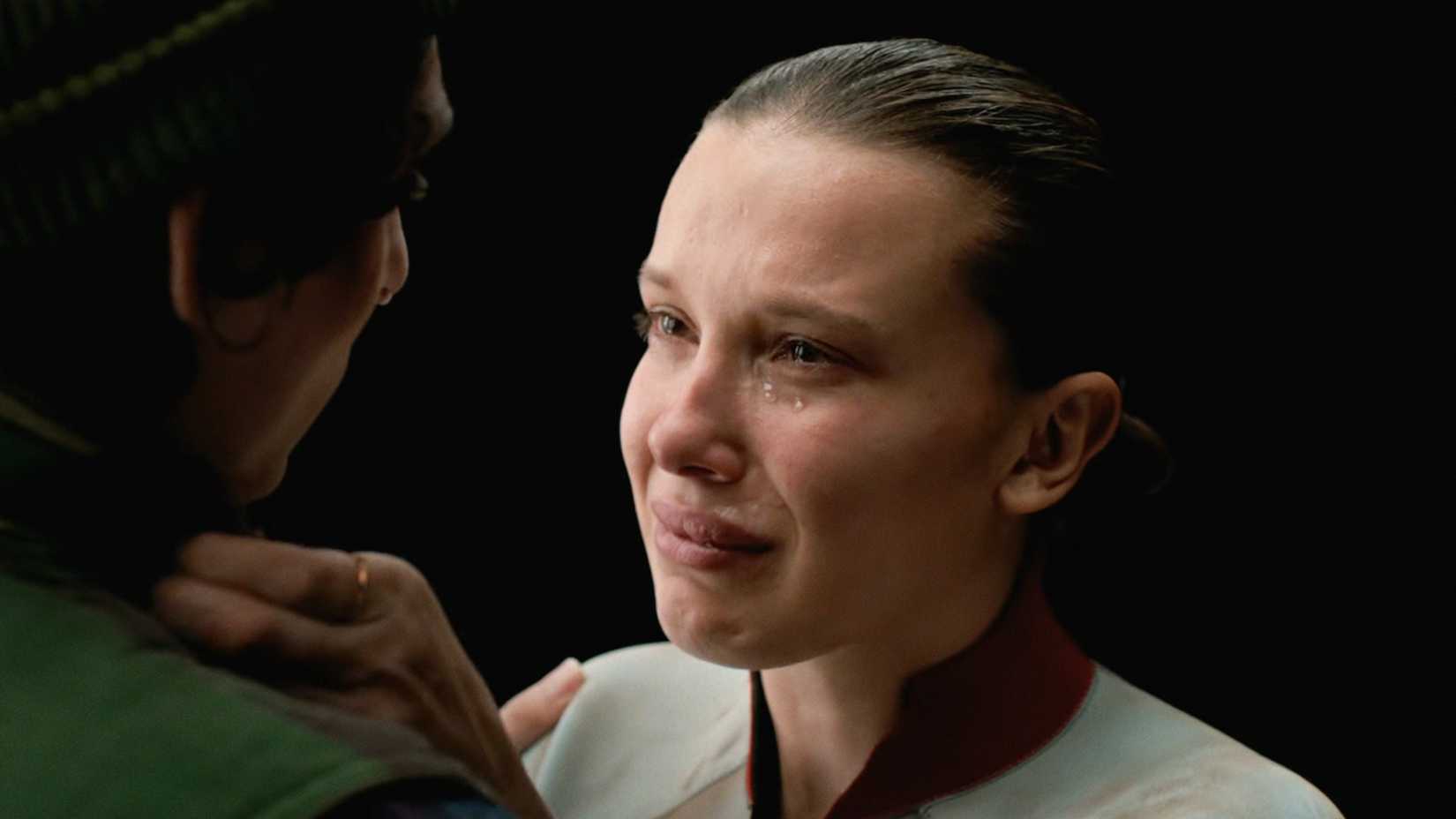
In the 1980s, Will bravely lives openly as a gay man amidst the AIDS crisis, a bold choice for the time. Most of the main characters also leave Hawkins, including the kids who grow up and move away. Even Joyce and Hopper consider starting new lives in Montauk, and longtime couple Jonathan and Nancy eventually go their separate ways. Only Steve remains in his hometown.
It seems like relationships weren’t meant to last, even for the characters! Both Robin and Vicki, and Dustin and Suzie, ended their relationships before the final season even started. This makes the ending of season 5 particularly surprising, as it throws a curveball into what viewers might expect.
The “ConformityGate” situation points to a larger problem with Stranger Things. Many fans initially hoped for a darker, more unsettling show, similar to Stephen King’s It, that would explore the scarier aspects of the 1980s. However, as the series went on, it became more upbeat and cheerful. Because of this shift, the final episode felt surprisingly and somewhat awkwardly optimistic, but it did fit with the overall tone of the fifth season.
ConformityGate Doesn’t Answer Its Biggest Stranger Things Plot Hole

The main problem with the ‘ConformityGate’ storyline isn’t about the show’s overall feel – it’s a simple plot hole. If the entire finale was a fake created by Vecna to keep Mike happy, why would Vecna separate Mike and Eleven, and then not even confirm if she was still alive?
If Vecna wanted the people of Hawkins to be easily controlled, he wouldn’t be tormenting Mike. He could simply create a happy ending where Mike and El finish the show together, content and with no reason to doubt their lives.
Read More
- Everything We Know About Georgie & Mandy’s First Marriage Season 3
- Stranger Things Brings Back Divisive Season 2 Character in Season 5 Vol. 1
- Man of Tomorrow: James Gunn Debunks Rumor Regarding DCU’s [Spoiler]
- Taika Waititi Developing New Comedy for Hulu
- Tobey Maguire’s Avengers: Doomsday Return Gets Huge Rumor
- Mickey’s Very Merry Christmas Party Nearly Sold Out: One Final Date Remains (And It’s Not Cheap)
- Danny Seagren, First Live-Action Spider-Man and Jim Henson Puppeteer, Dead at 81
- Avengers: Doomsday Delivers the MCU’s Most Exciting Reunion 8 Years Later
- Marvel Officially Confirms Captain America’s Design For The Avengers’ New Appearance
- Adam Sandler Talks Really Wanting To Make A Serious Movie Early In His Career, Plus The Funny Prediction His Grandma Made
2026-01-06 17:51