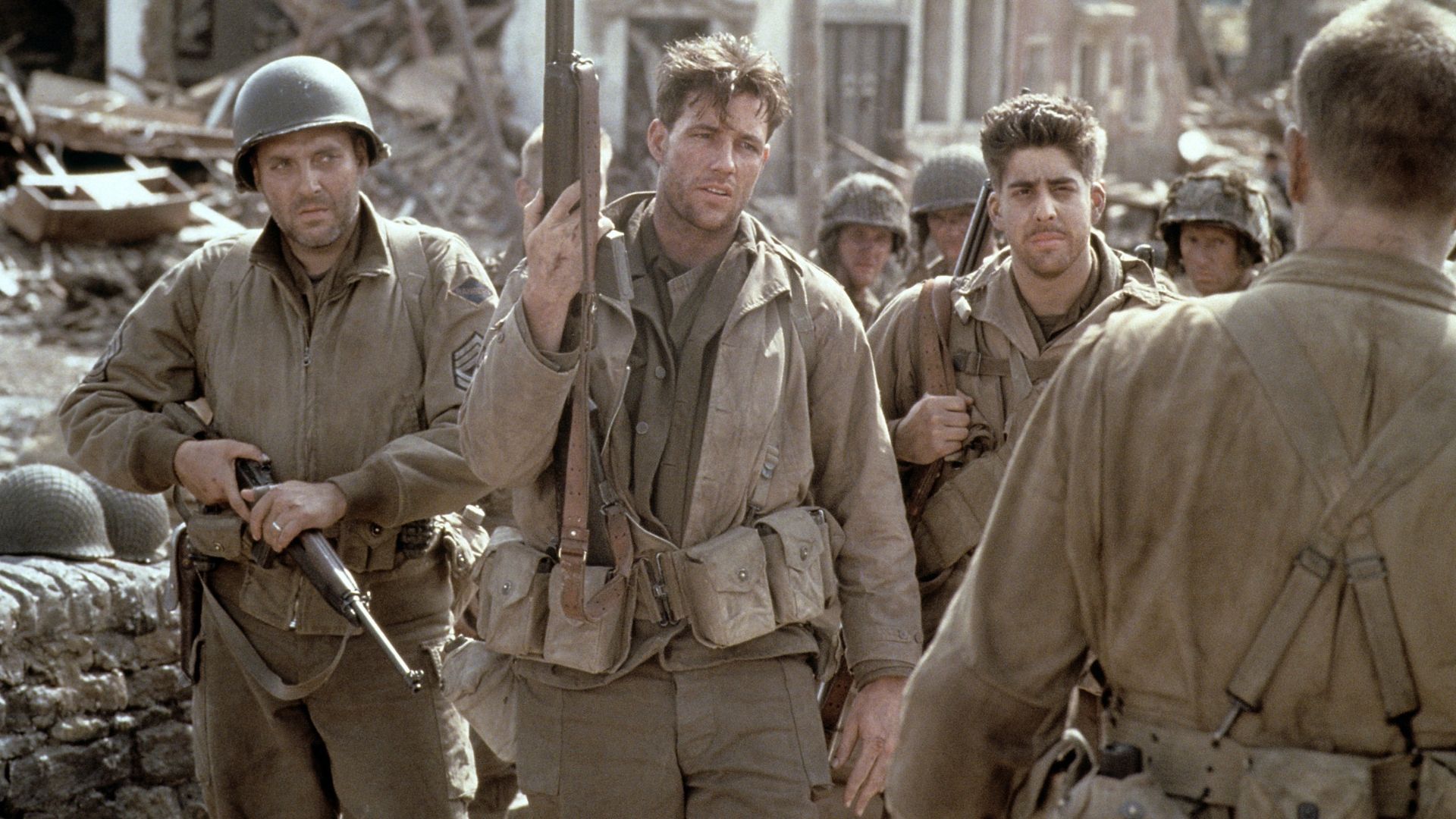
Growing up surrounded by war stories seems to have fueled Steven Spielberg’s incredible filmmaking career. His father was a World War II veteran who often shared his experiences fighting in Burma, and the director recalls that war was all his father and his friends ever discussed. By the time he was thirteen, Spielberg had already created his own 40-minute war movie, called Escape to Nowhere, hinting at the legendary director he would become.
For me, Spielberg’s greatest war movie is definitely Saving Private Ryan. It really grabbed me, and I know it sparked a lot of renewed interest in World War II when it came out – you could see its influence in so many other films, shows, and games that followed. And if you love that movie, you absolutely have to check out his TV series. Band of Brothers, The Pacific, and Masters of the Air – it’s basically a TV trilogy that’s just as powerful and gripping.
Each of Steven Spielberg’s War Series Is Built Different
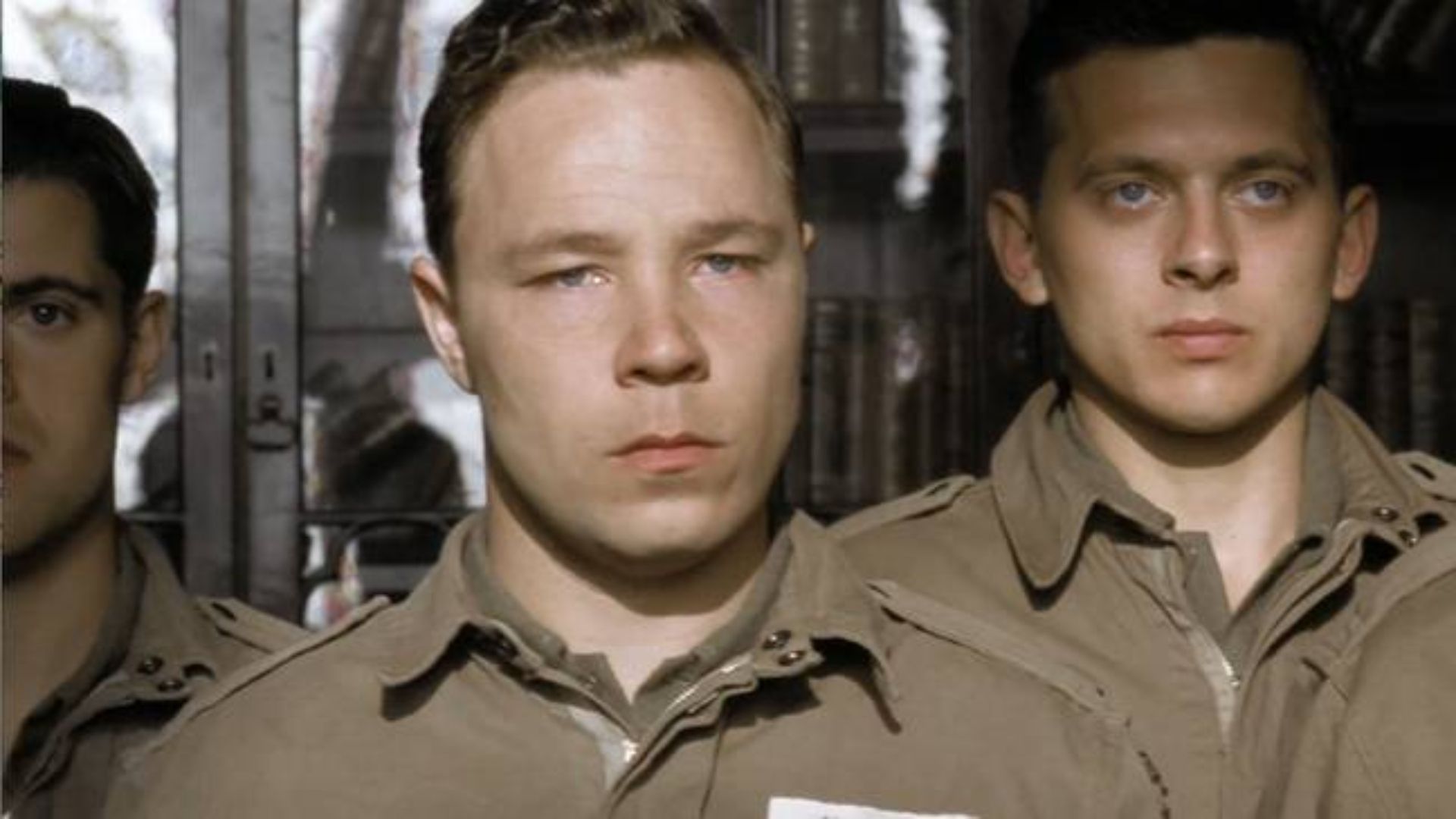
Experiencing Steven Spielberg’s war series is consistently satisfying, as each installment offers a distinct perspective. Band of Brothers follows the U.S. Army’s 101st Airborne Division (Easy Company) from their rigorous training in Georgia through pivotal moments like the D-Day landings and the Battle of Bastogne, culminating in the capture of Hitler’s mountain retreat. Visually inspired by Saving Private Ryan, the show prioritizes realism by beginning each episode with interviews featuring the real veterans of Easy Company.
Released nearly a decade after Band of Brothers, The Pacific focuses on the experiences of U.S. Marines fighting in the Pacific Theater of World War II. The series follows the interconnected stories of three Marines – Eugene Sledge, Robert Leckie, and John Basilone – as they endure harrowing battles on islands like Iwo Jima, Guadalcanal, and Peleliu. Compared to Band of Brothers, it’s a grimmer portrayal, highlighting the extreme physical and emotional strain of combat. The actors convincingly depict the horrors of war, appearing constantly exhausted, injured, and deeply affected by their experiences – from swollen eyes and raw throats to a generally disheveled appearance.
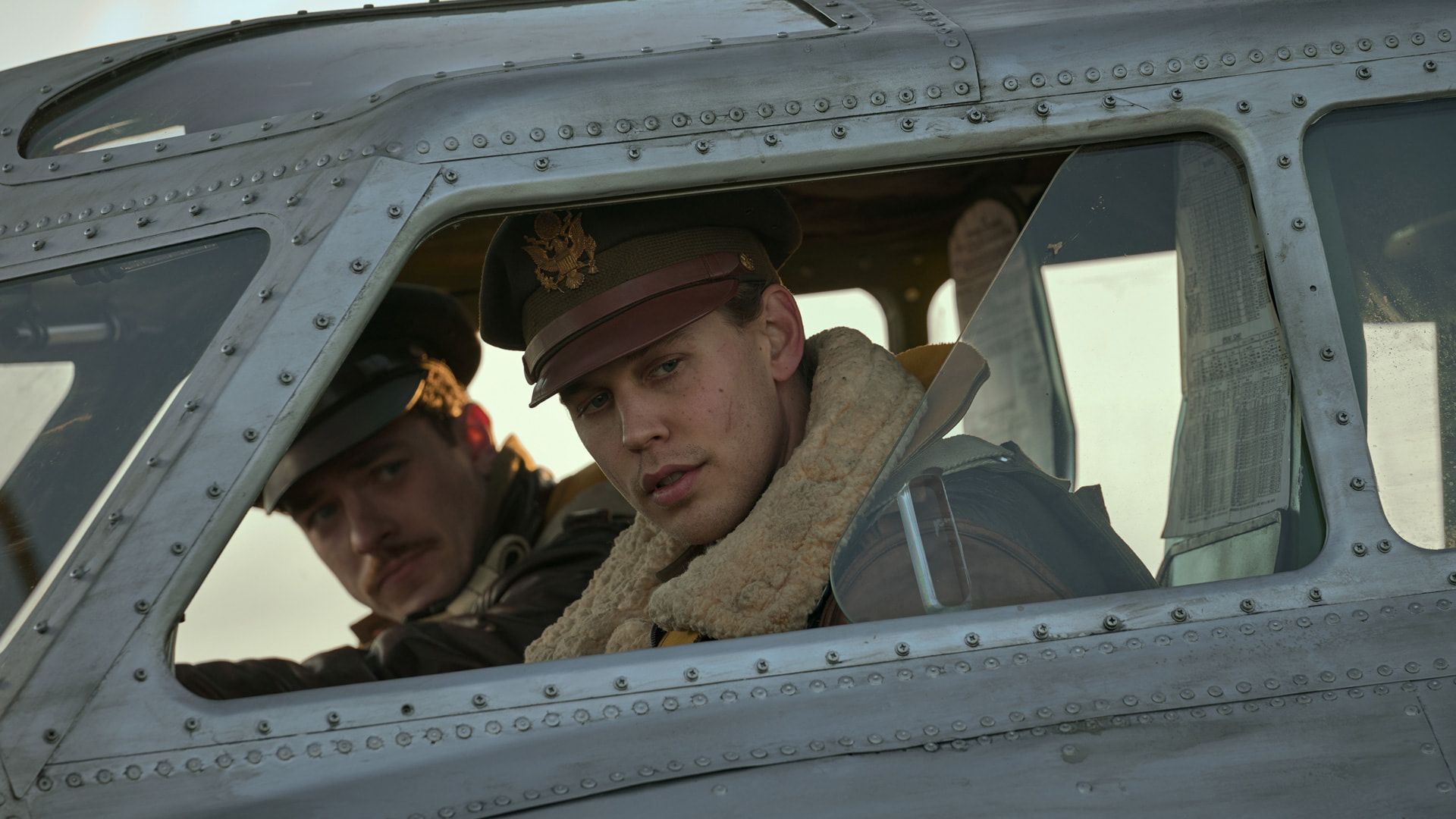
Masters of Air shifts the focus to the skies over Europe during World War II, following the 100th Bomb Group—known as the “Bloody Hundredth”—as they attempt to destroy key infrastructure in Nazi Germany. The show features stunning aerial combat scenes created with both computer-generated imagery and real footage, comparable to those in well-known war films. It also explores the difficult subject of prisoners of war, while celebrating themes of patriotism and bravery.
Spielberg’s War Shows Are Spiritual and Technical Sequels to ‘Saving Private Ryan’
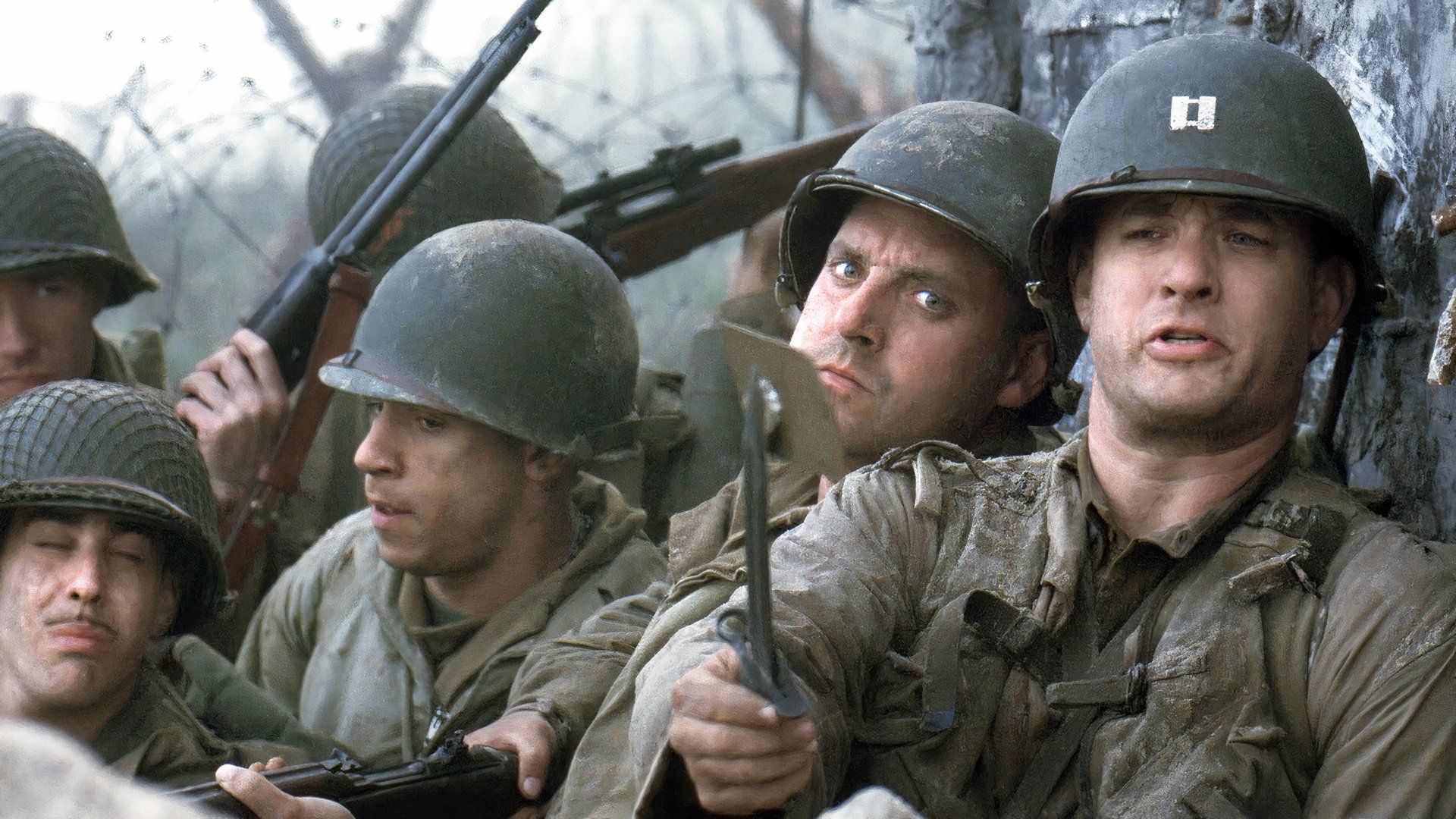
Saving Private Ryan changed war movies, moving away from big, spectacular action and towards a more realistic and intense style, largely through its use of shaky, handheld camera work. The film was shockingly violent, but it honestly portrayed the chaos and suffering of war. At its most powerful, it pushes the feeling of danger to the absolute limit. Even in quieter scenes, a palpable tension keeps viewers on edge. Importantly, no other film has depicted the D-Day landings with such detail and impact, as military historian John C. McManus noted.
The film is powerfully made and has become our lasting mental image of what Omaha Beach and Normandy during the invasion must have felt and looked like.
The TV series is beautifully made, showcasing the fast-paced, realistic filming style Janusz Kamiński first became known for in the famous 23-minute D-Day scenes. This makes the explosions and action feel incredibly impactful. Instead of just glorifying the soldiers’ bravery, the show doesn’t shy away from the grim realities of war – the constant noise, the filth, the bloodshed, and the overwhelming sense of hopelessness.
All three shows, much like Saving Private Ryan, focus on the personal struggles of the soldiers involved. They share a strong bond of friendship, but each one is also dealing with their own individual challenges. The stories aren’t about high-level strategy or political leaders; they’re about the everyday soldiers—the ones who do the hard work and often go unnoticed. We see the brutal truth of war through their eyes as they try to navigate their difficult circumstances. And, similar to what happened in the actual war, ordinary civilians sometimes find themselves caught up in the conflict as well.
A key focus is making everything appear authentic. The actors in Saving Private Ryan reportedly endured a tough week-long training camp to learn basic combat skills and how to use firearms properly. The same intensive preparation was given to the casts of Band of Brothers, The Pacific, and Masters of the Air to prevent them from appearing inexperienced with weapons. As an example, for Band of Brothers, retired Marine captain Dale Dye (who also played Colonel Robert Sink) led the actors through a 10-day boot camp at Longmoor Military Camp in Hampshire.
Spielberg’s War Trilogy Was Born Out of the Research Conducted for ‘Saving Private Ryan’
Steven Spielberg’s three war films are particularly significant because they originated during the making of Saving Private Ryan. While filming that movie, Spielberg and Tom Hanks gathered so much historical information and compelling stories that they couldn’t include everything. Instead of creating lengthy sequels or attempting to make an extremely long film like Fanny and Alexander or A Lullaby to the Sorrowful Mystery, they decided to use the extra material to create a television series.
These series weren’t made on a shoestring budget. The New York Times reported that Band of Brothers cost around $125 million total – about $12.5 million per episode – significantly more than the $65 million spent on Saving Private Ryan. The Pacific cost $217 million to produce, and Masters of the Air reached $250 million, and you can definitely see the high production values. All three shows look incredible, often surpassing the quality of many war films, which makes it disappointing that we don’t see more projects of this caliber.
It’s important to recognize the contributions of everyone involved in these series. While Steven Spielberg didn’t direct every episode, he inspired the directors to use innovative camera work, just as he does in his films. As the creator, he had the final say on everything, making sure every detail was perfect. On Band of Brothers, Tom Hanks and Erik Jendresen did a lot of the detailed writing and planning. For the other two shows, Hanks and Spielberg worked together to oversee the entire process. Though Spielberg wasn’t on set every day like he is for his movies, his influence was crucial, and these shows wouldn’t be what they are without him.
Read More
- Прогноз криптовалюты ATOM: прогнозы цены ATOM
- Welcome to Derry Just Officially Confirmed Its Shining Connection (& It’s Perfect)
- JJK Director Taps Talent From Spy x Family & JoJo’s Bizarre Adventure For New Movie
- One of Clint Eastwood’s Best Westerns (That Isn’t ‘The Good, the Bad and the Ugly) Is Leaving Free Streaming
- In Just 1 Day, Universal’s Wicked: For Good Is Officially the Most Watched Title on PVOD in America
- It: Welcome to Derry Creators Explain Bill Skarsgård’s Pennywise Reveal
- The Pitt Season 2: Garcia and Santos’ Relationship Confirmed in Premiere
- Группа Аренадата акции прогноз. Цена акций DATA
- Taylor Sheridan’s 2-Part Action Thriller Series Is The Perfect Binge Ahead Of The New Season
- 2026 Oscars: Why Train Dreams & Sorry, Baby Deserve Best Picture Nominations Despite Golden Globes Snubs
2026-03-27 20:04