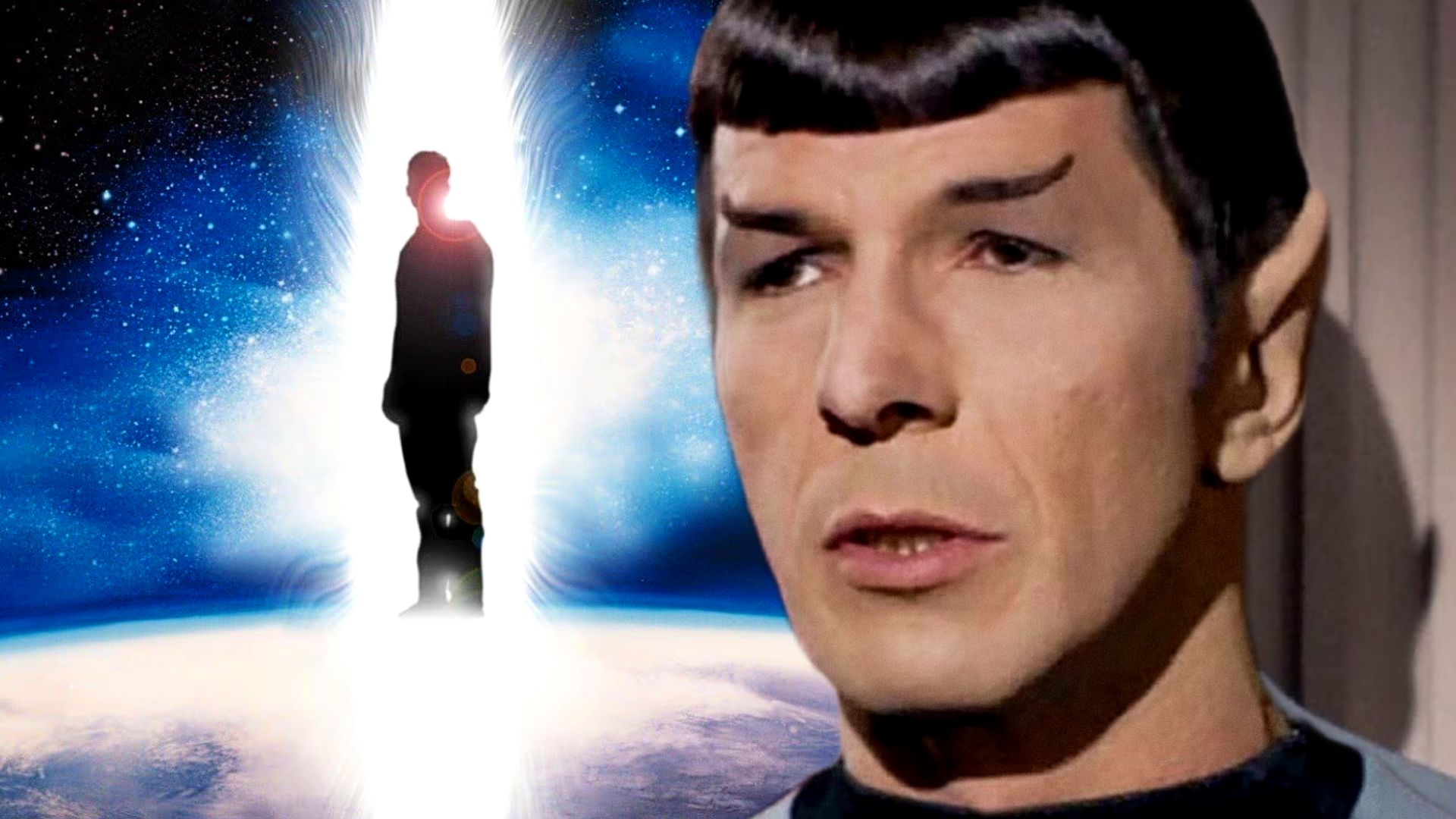
When Star Trek first aired in 1966, it stood out for its thoughtful and complex approach to science fiction on television. The Original Series wasn’t just about spaceships and aliens; it used those elements to explore big ideas and ethical questions. While many sci-fi shows at the time focused on simple thrills or campy fun, Star Trek encouraged viewers to think about the future of humanity through symbolic stories.
As a viewer, what always struck me about Star Trek: The Original Series was how forward-thinking it was. It really pushed boundaries when it came to showing a diverse crew on the bridge – a vision of racial and global unity you just didn’t see much on TV in the 60s. That being said, it’s important to remember the show was still a product of its time, and certain cultural and broadcasting limitations definitely held it back from being completely groundbreaking.
Man From Earth Features The Character Star Trek’s “Requiem for Methuselah” Had To Tone Down
Jerome Bixby Perfected His Star Trek Idea 38 Years Later

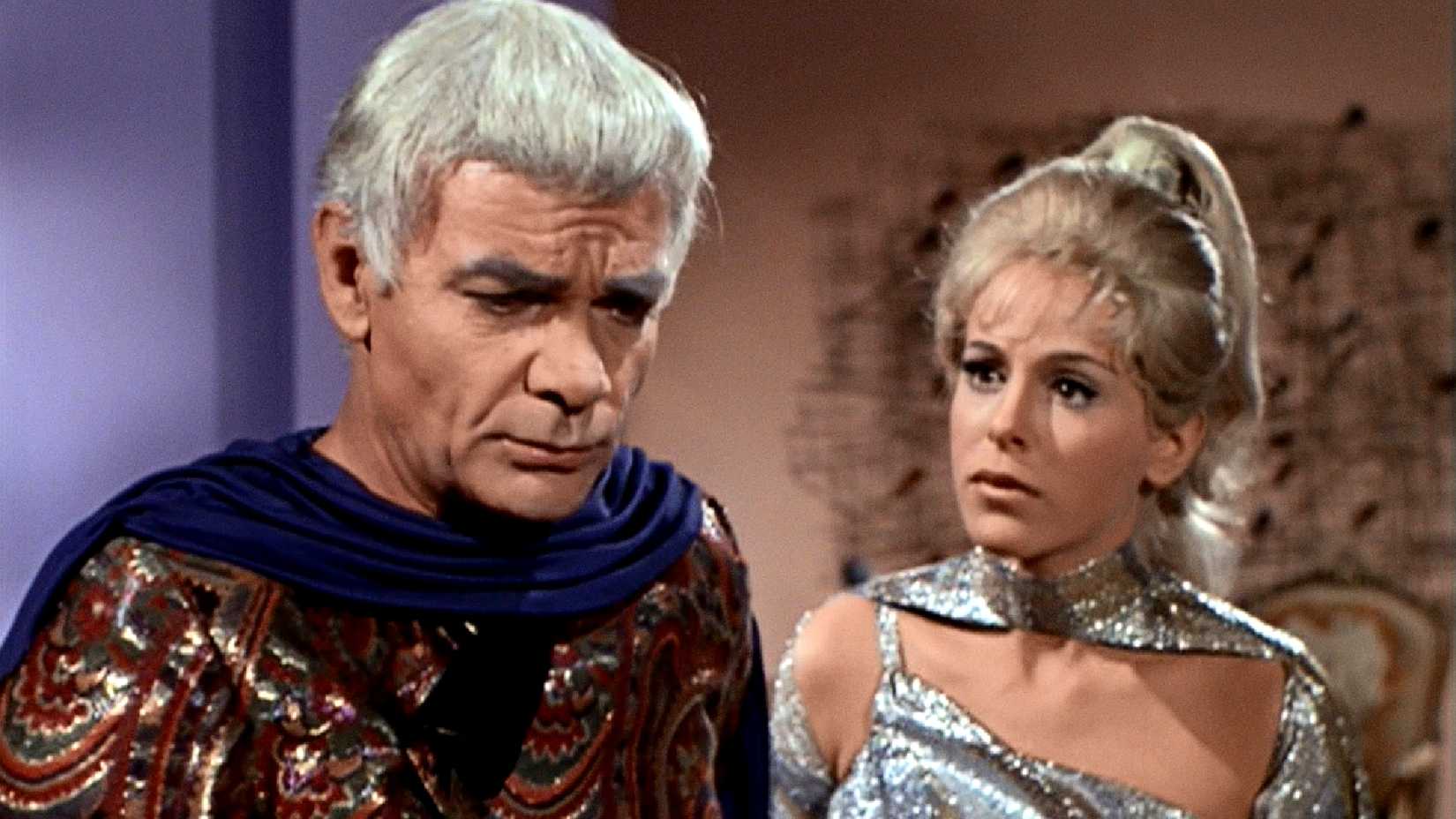
In the Star Trek: The Original Series episode “Requiem for Methuselah,” Captain Kirk and Spock encounter Flint, a man who claims to be immortal and has lived for centuries under different names. The episode reveals Flint to be nearly 6,000 years old and admits he’s the person behind famous figures like Leonardo da Vinci, Reginald Pollack, and Johannes Brahms.
Originally, the writer Jerome Bixby had a much bolder idea for the character Flint. He imagined Flint as an 8,000-year-old man who had lived many lives, even suggesting he was once famous figures like Beethoven, Picasso, Moses, and even Jesus Christ. However, network executives felt these ideas were too controversial for television at the time. Ultimately, the episode, “Requiem for Methuselah,” toned down Flint’s backstory, limiting his past lives to more historically acceptable and non-religious figures.
Almost four decades after first exploring these ideas, Jerome Bixby revisited them in the 2007 science fiction film The Man From Earth, directed by Richard Schenkman. The movie centers on John Oldman, a professor who shocks his friends by revealing he’s actually a Cro-Magnon man over 14,000 years old, and that he’s managed to survive for so long by frequently assuming new identities. John asserts he witnessed many key events throughout history, claiming he was a student of Buddha and later served as an inspiration for Christianity, ultimately becoming the figure known as Jesus Christ.
Star Trek Is A Breeding Ground For Movie-Worthy Sci-Fi Concepts
Star Trek Is Many Sci-Fi Epics In One
Many episodes of Star Trek, especially The Original Series, start with a fascinating ‘what if’ idea that could easily support a full-length movie. Things like time travel problems, incredibly powerful aliens, alternate versions of Earth, people switching bodies, artificial intelligence, and fake realities were all explored – and usually wrapped up – in just one episode. This format essentially turned each week into a new experiment, featuring the same familiar crew.
Many films and TV shows have built upon ideas first explored in Star Trek. For example, Back to the Future’s time travel story echoes the themes of the Star Trek episode “The City on the Edge of Forever.” Star Trek episodes featuring holodeck simulations foreshadowed virtual reality stories like The Matrix, and its explorations of AI ethics came before films like Ex Machina. Even modern sci-fi series like Black Mirror show the influence of Star Trek’s focus on the implications of technology. However, The Man From Earth stands out because the writer developed his own original concept further.
Read More
- New Report Hints Superman’s Box Office Wasn’t Profitable Theatrically
- Gwyneth Paltrow on Avengers: Doomsday Return: ‘What’s That?’
- Zander Hawley Discusses The Rookie Season 8 Return & New Single ‘Caroline’
- Ready Or Not 2 Box Office Slammed With Week 2 Drop That’s Twice As Large As The OG Movie’s
- Sci-Fi TV Masterpiece ‘Firefly’ Is Perfect Weekend Binge Trending on Amazon
- George Clooney Responds to Controversial Quentin Tarantino Trend
- 10 Horror Movies That Are 10/10 But Nobody Remembers
- Elle Fanning’s Upcoming Apple TV Comedy Continues A Wildly Impressive Streaming Trend
- Snowfall: Hulu’s Acclaimed 6-Part Crime Drama Series
- Alien: Romulus Headed to HBO Max
2026-02-16 01:38