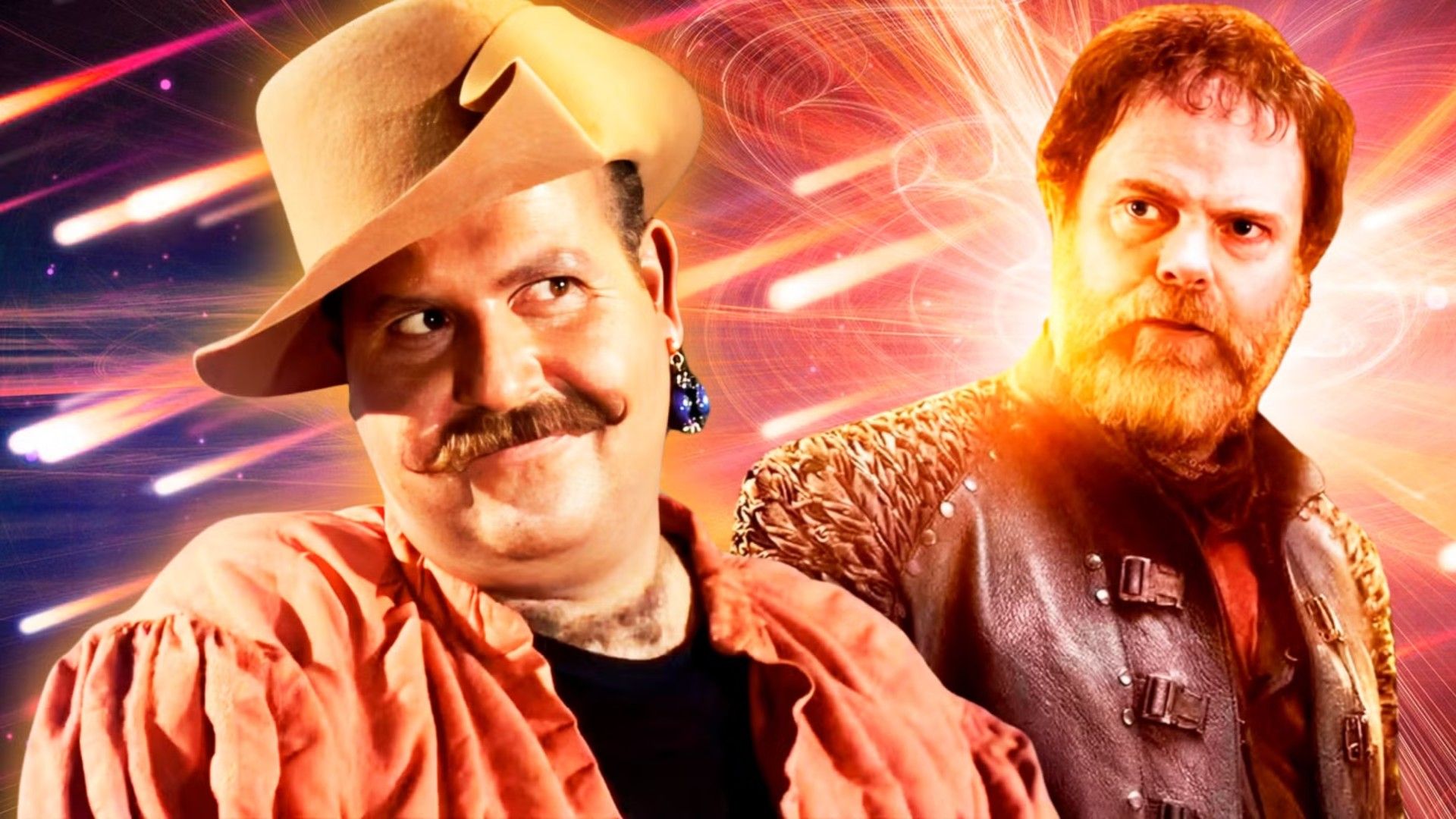
Warning: contains spoilers for Star Trek: Lower Decks #16!
After 59 years, Star Trek has resolved a long-standing mystery that began in the second season of The Original Series. Because the early episodes of Star Trek were largely self-contained, many intriguing alien races and planets weren’t revisited. Now, the animated series Star Trek: Lower Decks is changing that, starting with a new story about the character Harry Mudd.
The sixteenth issue of Star Trek: Lower Decks was written by Tim Sheridan and illustrated by Vernon Smith. In this issue, the crew of the USS Cerritos has an encounter with the androids featured in the classic Original Series episode, “I, Mudd.”
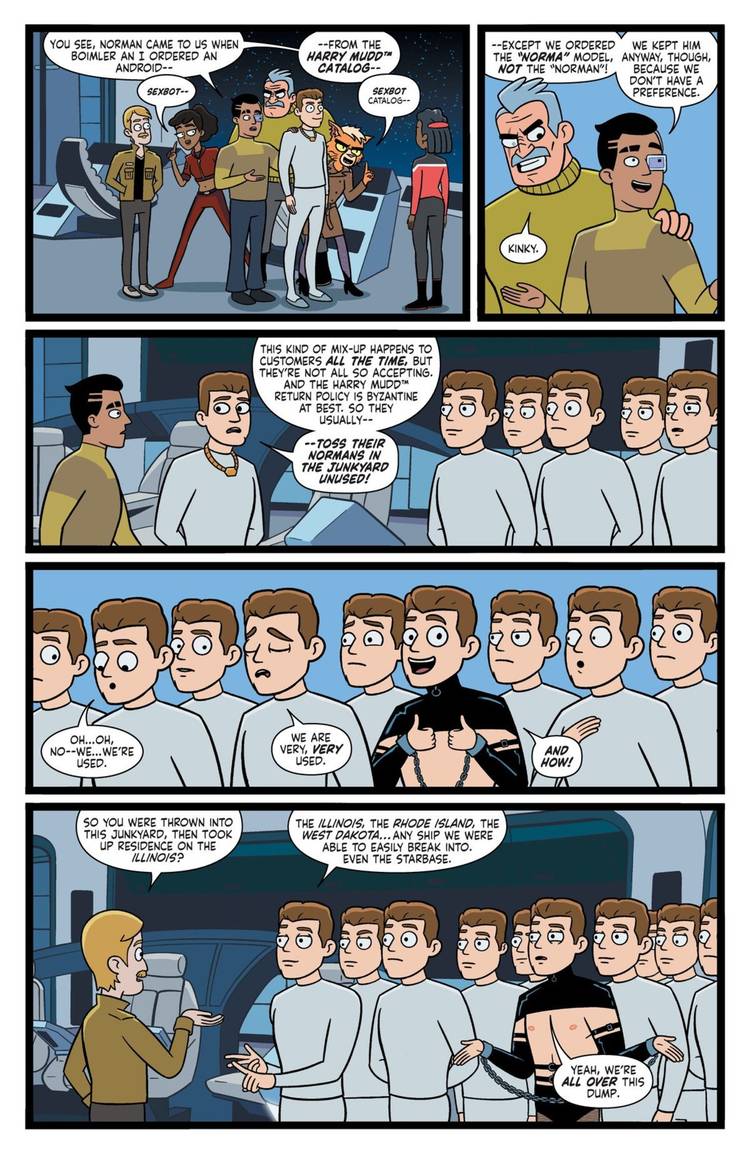
Following that incident, Harry Mudd started a network of shops selling androids—available as either “Norma” or “Norman” models—to customers throughout the galaxy.
Harry Mudd Was One of Star Trek’s Earliest Reoccurring Characters
Harry Mudd Would Also Appear on Star Trek:Discovery
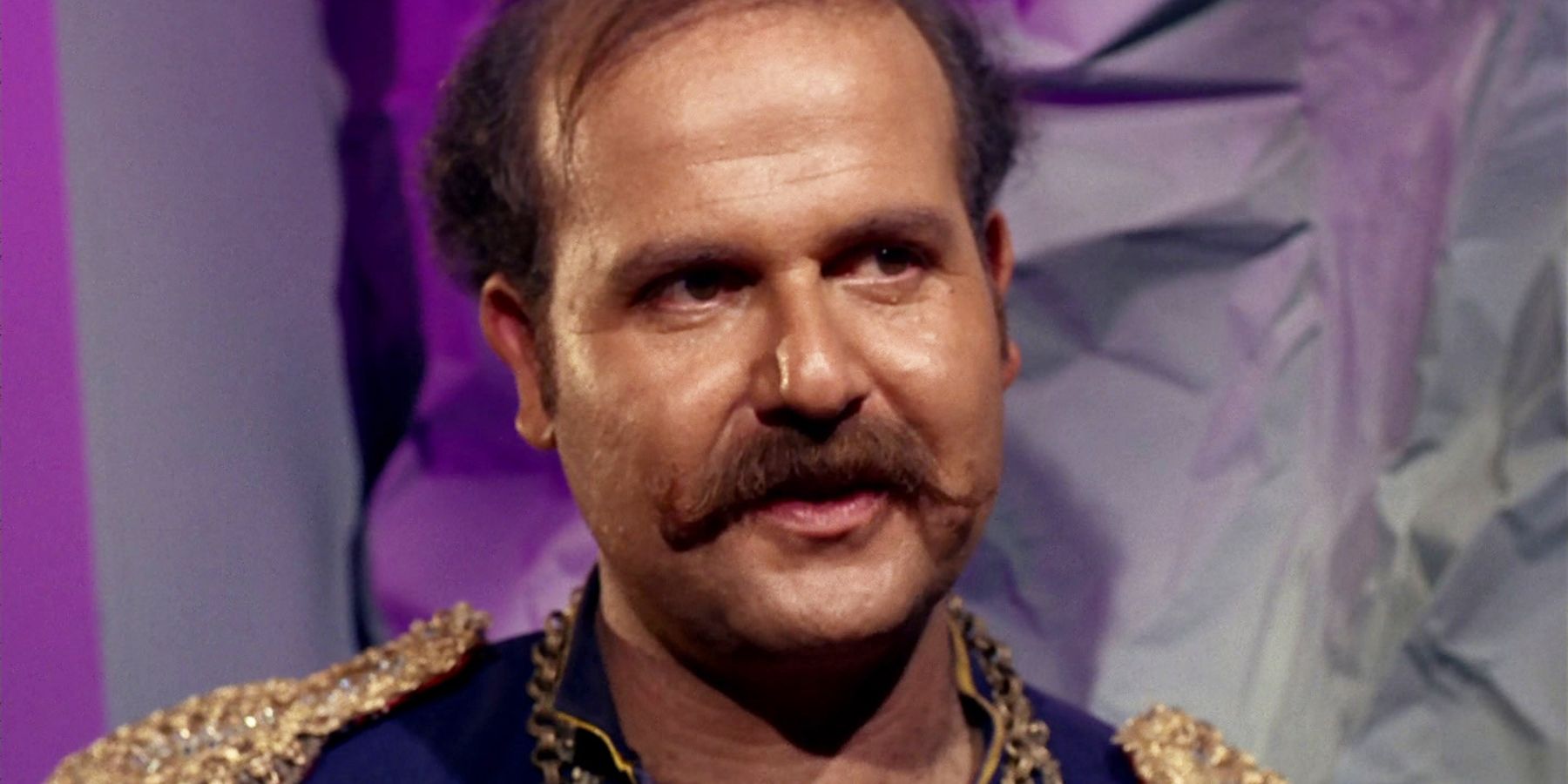
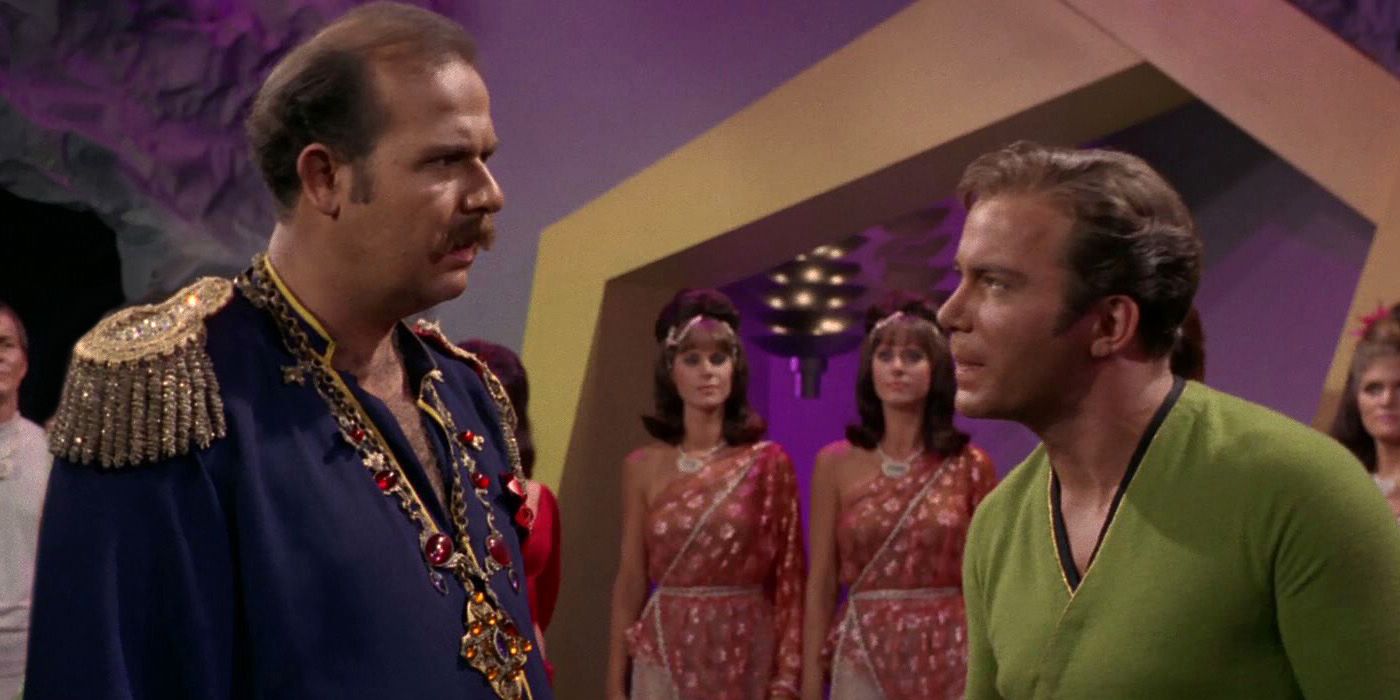
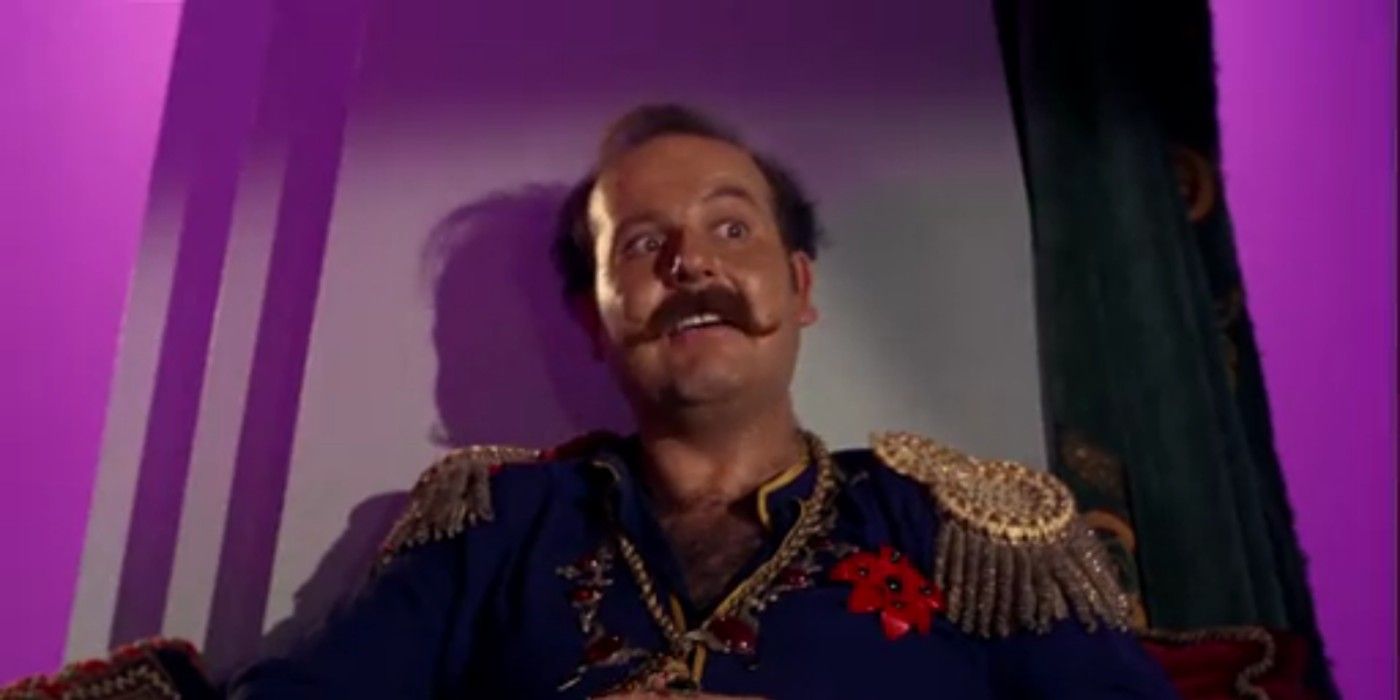
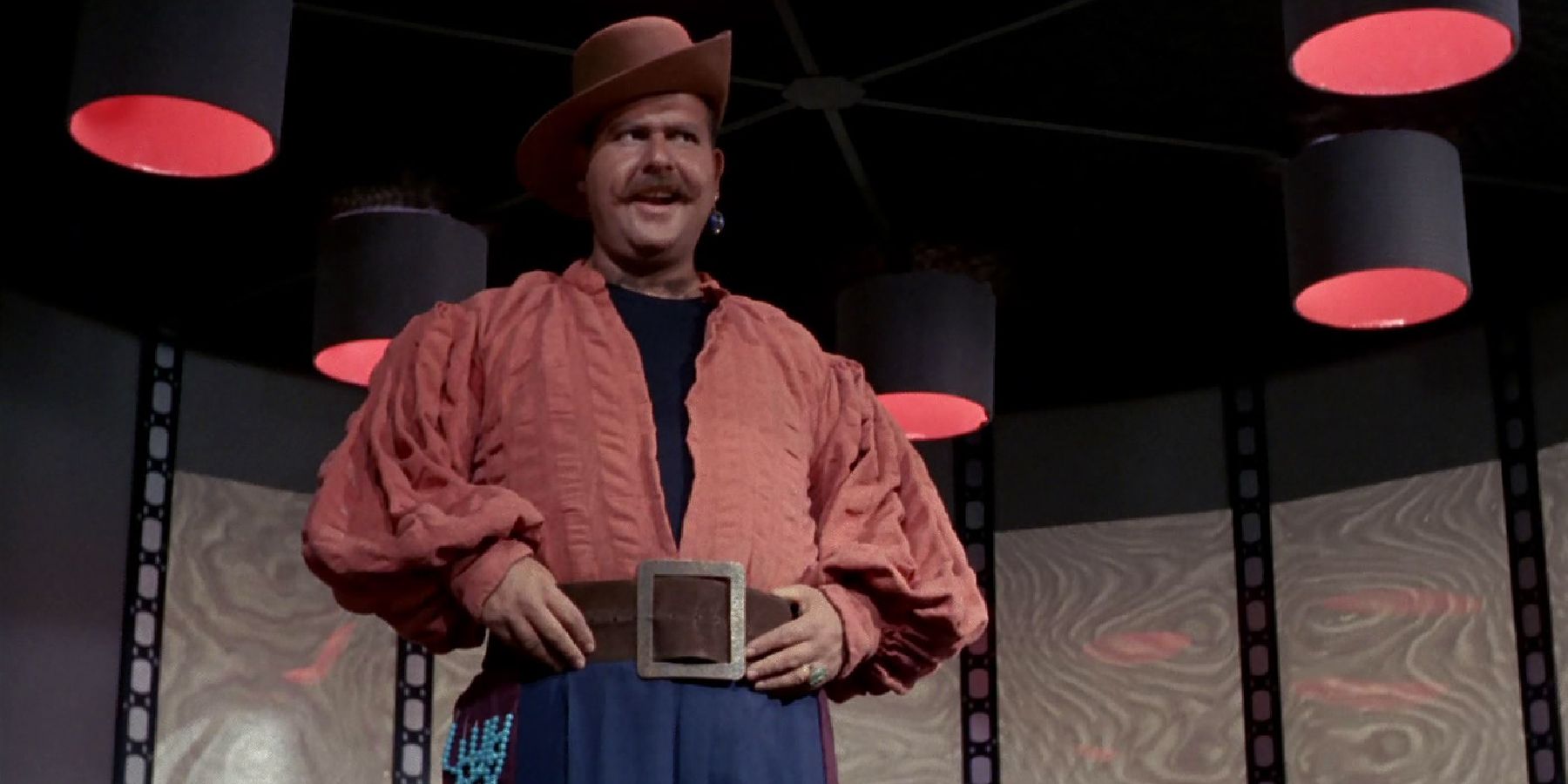
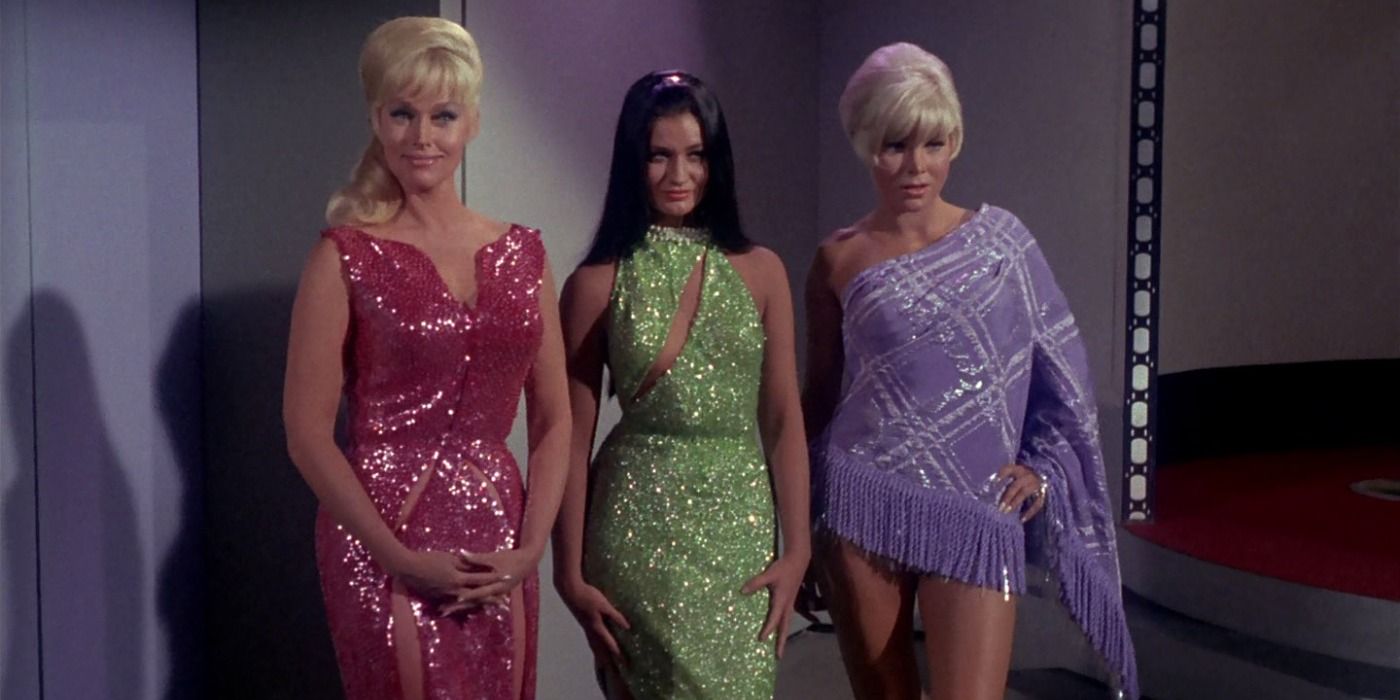
The Star Trek episode “I, Mudd” appeared in the show’s second season and brought back the character of Harry Mudd. Mudd was first introduced in the first season as a dishonest and self-serving trader. In his initial appearance, he attempted to cheat miners on a faraway planet, but Captain Kirk stopped him.
Mudd returned with a new plan to make money, this time leading a group of androids he discovered. It was revealed during the story that these androids were created a very long time ago by a now-extinct alien race from outside our galaxy, and somehow they continued to exist.
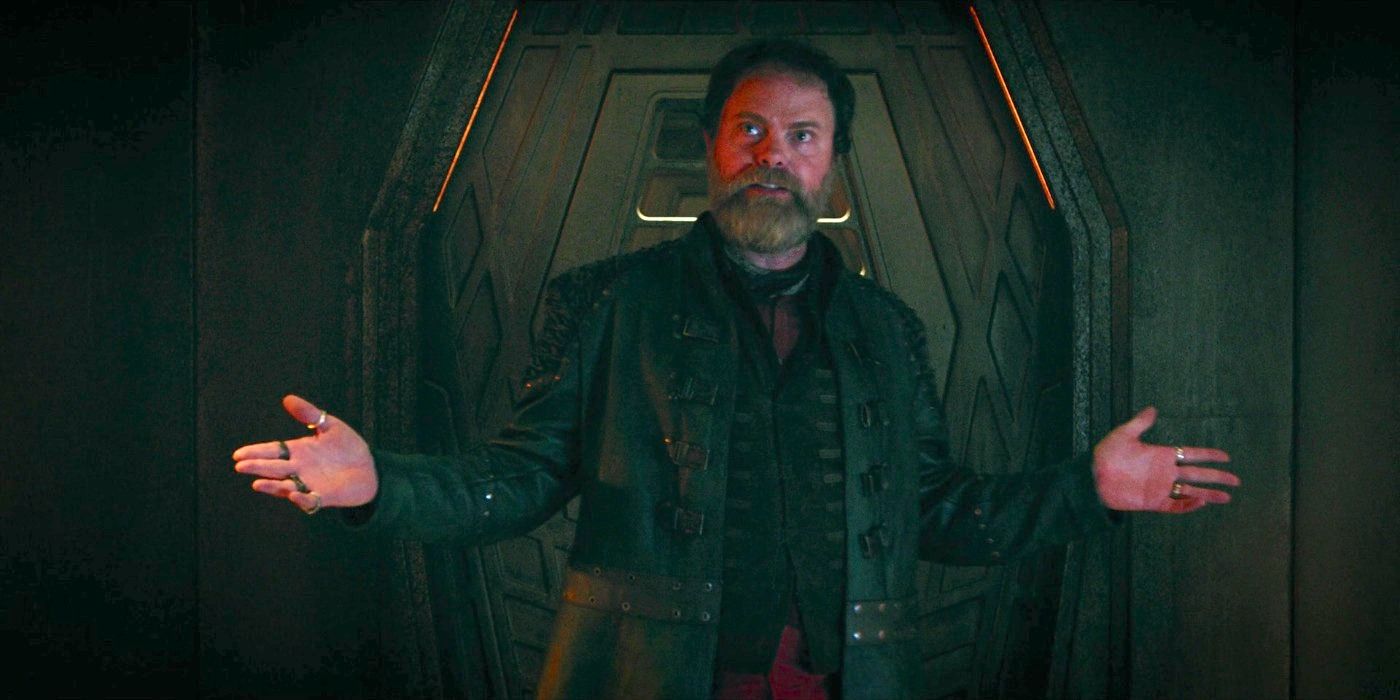
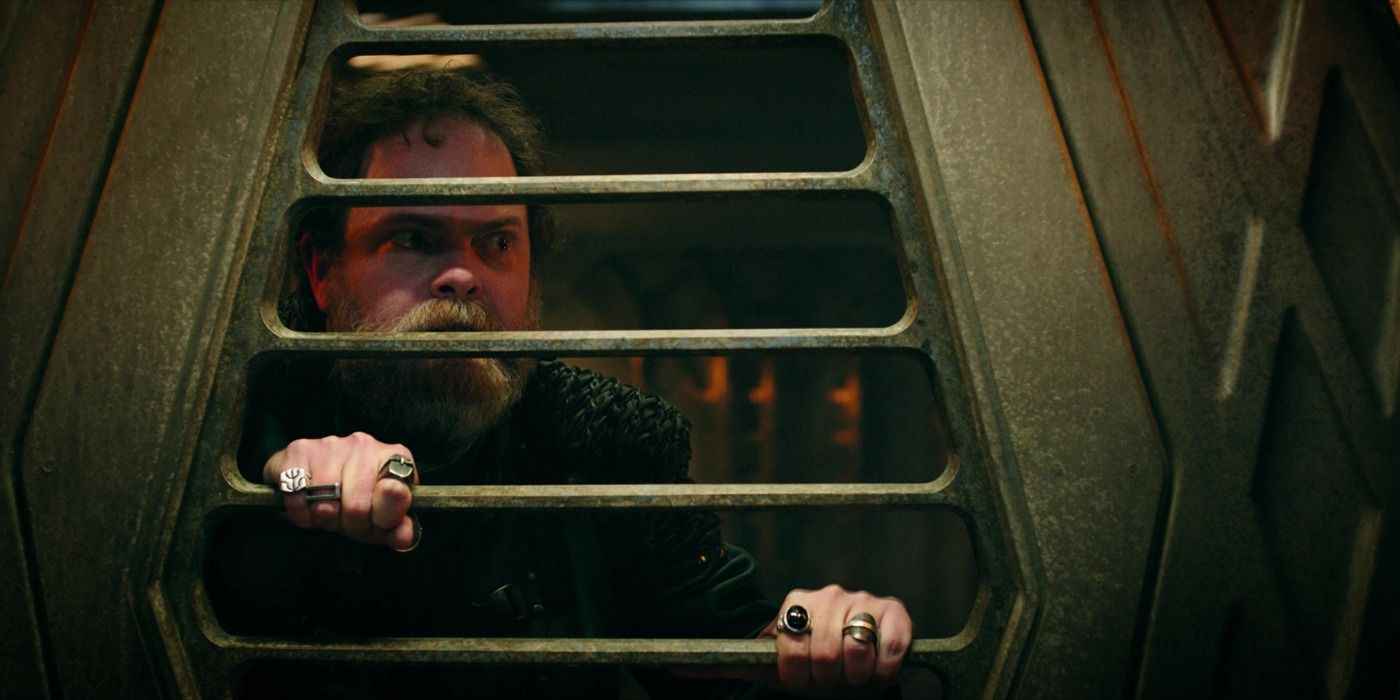
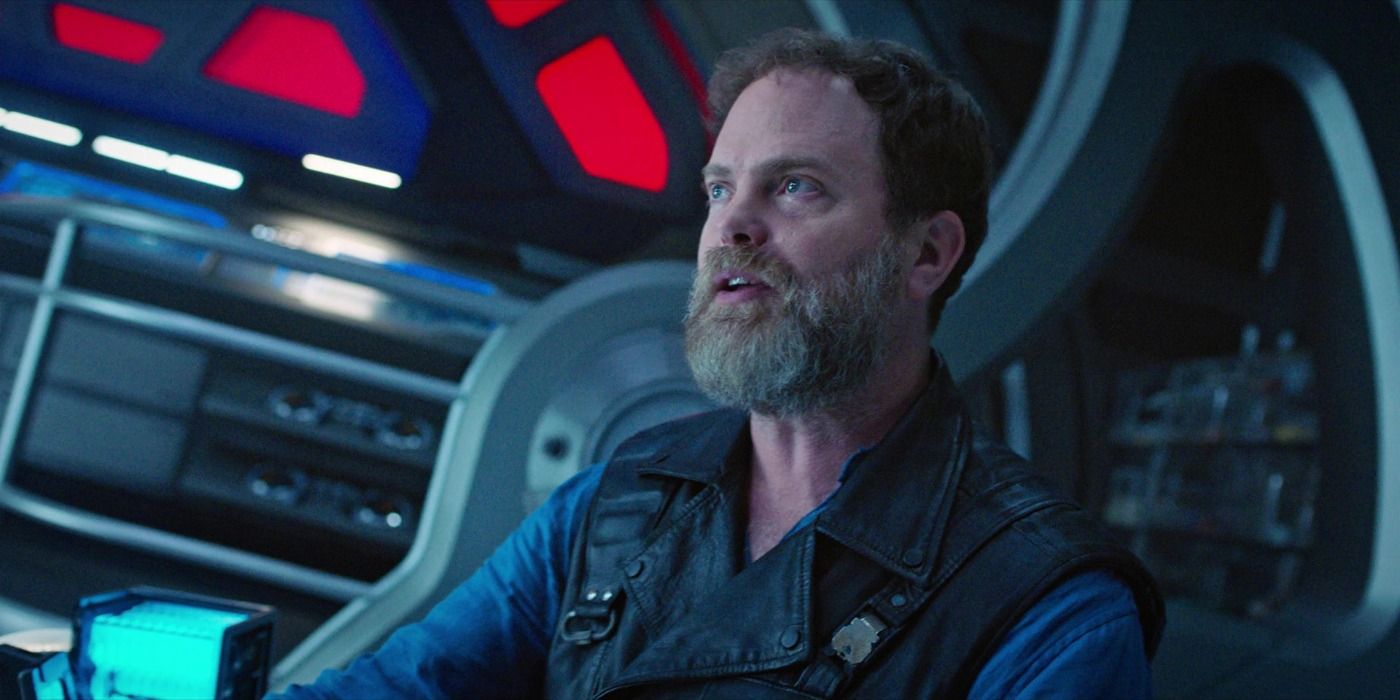
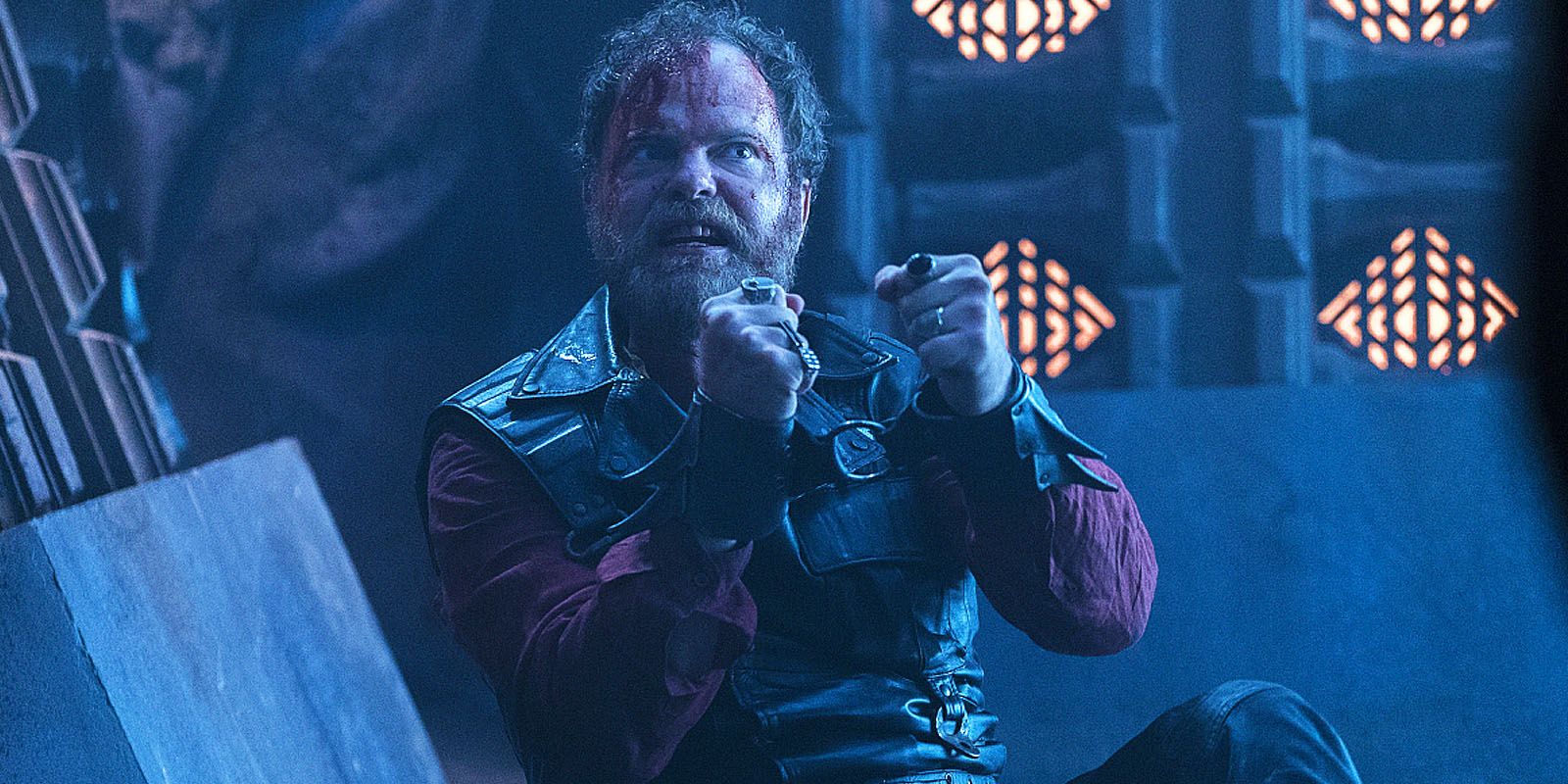
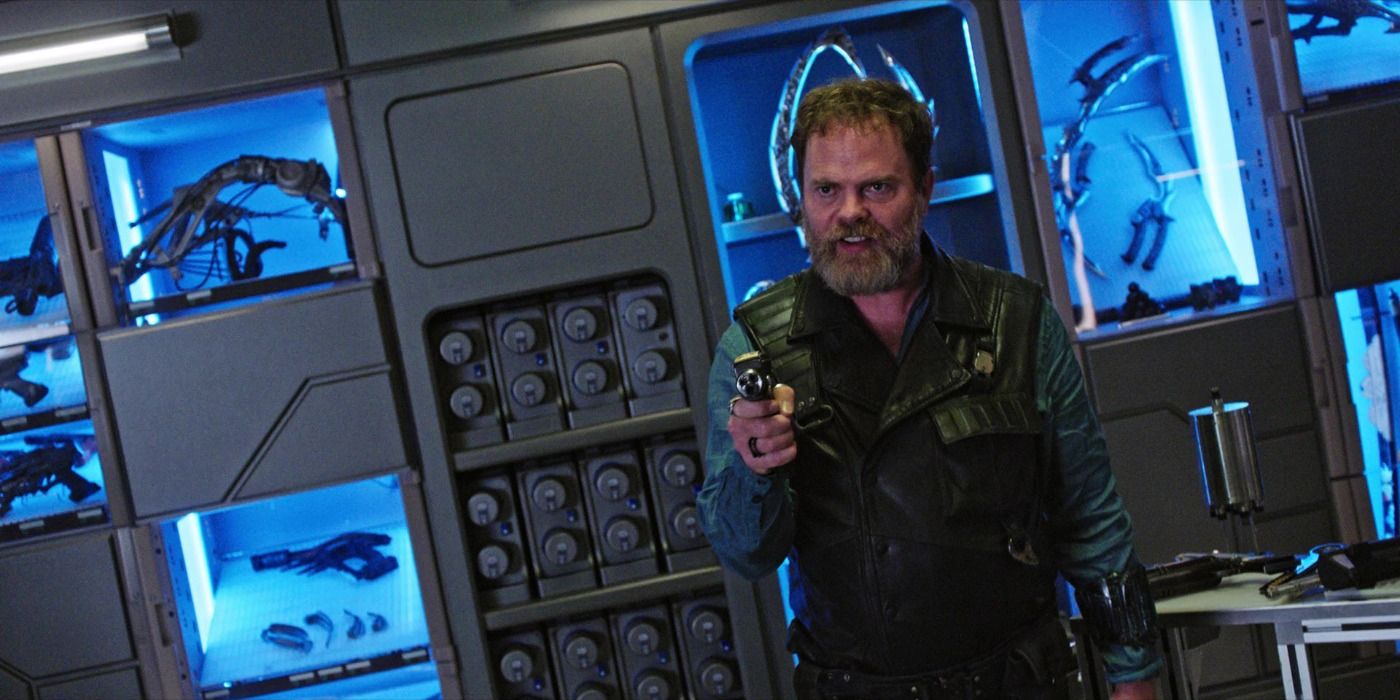
The episode “I, Mudd” saw Harry Mudd suffer another defeat, and it marked the end of his live-action appearances until 2017. He made one final appearance in an episode of Star Trek: The Animated Series. Later, Rainn Wilson portrayed a younger, and seemingly more sinister, version of the character on Star Trek: Discovery.
Star Trek Is Highly Episodic, Which Has its Pros and Cons
Star Trek: Deep Space Nine Bucked This Trend
Every week, Captain Kirk and the crew of the Enterprise faced exciting and perilous challenges, from malfunctioning computers to encounters with powerful alien civilizations. However, once the danger was over, the Enterprise would simply jump to a new adventure, without ever considering the consequences of what they’d done.
Although some see the lack of ongoing storylines in The Original Series as a flaw, this is true of most Star Trek shows – with Deep Space Nine being a notable exception. Generally, Star Trek relies on self-contained episodes, and while characters often develop over time, the series doesn’t usually build one continuous story.
Stories told as self-contained episodes have advantages and disadvantages. On the one hand, they’re easy to watch – new viewers can start at almost any point. But this format also means we often don’t see the long-term effects of the characters’ decisions. For example, the crew might dramatically change a society in one episode, and we never find out what happens next.
Star Trek: Lower Decks Gave Follow-Up to a Lot of Dropped Plot Lines
“I, Mudd” Had Some Fascinating Implications for the Star Trek Universe
The animated series Star Trek Lower Decks often references classic episodes, including stories from The Original Series. Early in the show, the crew of the Cerritos traveled to Beta III, the planet featured in the original Star Trek episode “Return of the Archons.” Fans were surprised to discover that the planet hadn’t changed much since Captain Kirk’s visit, and had quickly fallen back into its controlling and restrictive ways.
While the original “I, Mudd” episode didn’t necessarily call for a continuation, Lower Decks provided one anyway. The episode included interesting details, like the revelation that the androids were created by beings from another galaxy. It also left their ultimate destiny open to interpretation: were they taken apart by Starfleet for research, or did they influence the creation of Data and Lore?
The Return of Mudd’s Androids Raises Some Ethical and Moral Questions
Mudd Himself Seems to be a Contradiction: He Craves Money in a Society Without It
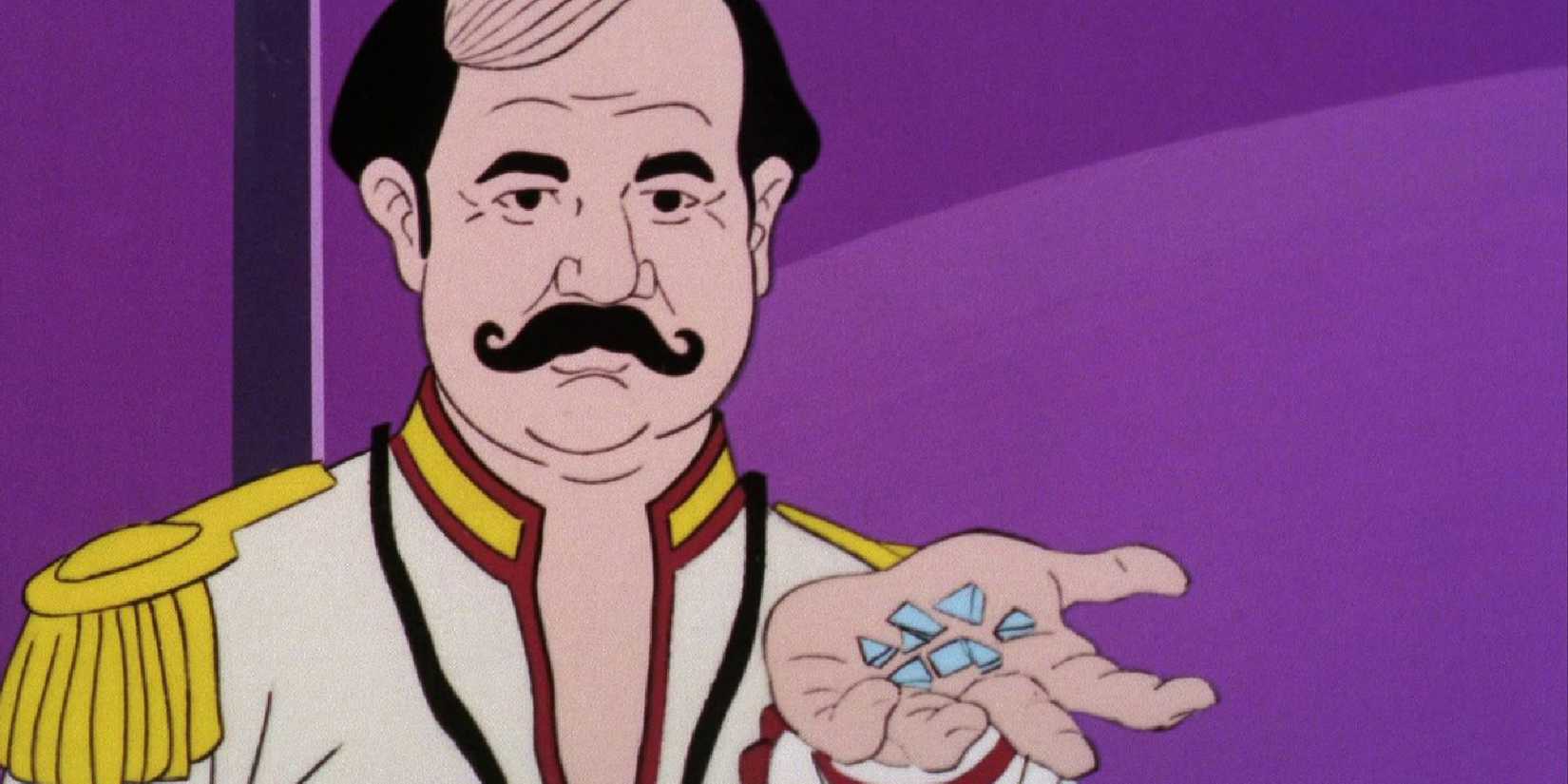
The latest issue of Star Trek: Lower Decks reveals that androids were widely produced and sold as companions. While the story touches on this, it doesn’t explore the details of these sales or whether these androids are considered truly sentient like Data. Given they’re sold as products, it’s likely they aren’t.
This issue doesn’t tell us who made the androids, but it does explain what happened to Harry Mudd after he found them. He went on to open a chain of stores named after himself. The story doesn’t explain how these stores functioned without any money being used.
At Last, Star Trek Fans Know What Happened to Harry Mudd
Will Lower Decks Close Out More Long Lost Star Trek Plot Lines?
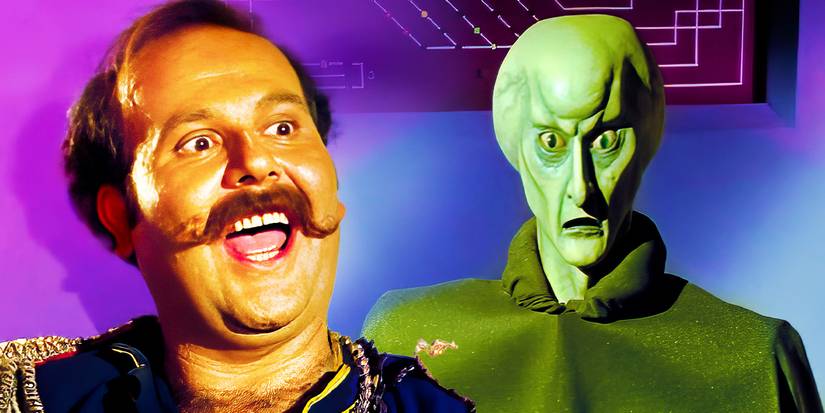
The world of Star Trek is full of exciting possibilities, but many interesting storylines are never fully resolved. While The Original Series left some questions unanswered, fans will finally learn what happened to Harry Mudd and his robotic creations.
Star Trek: Lower Decks #16 is on sale now from IDW Publishing!
Read More
- Snowfall: Hulu’s Acclaimed 6-Part Crime Drama Series
- Gwyneth Paltrow on Avengers: Doomsday Return: ‘What’s That?’
- 10 High Concept Anime That Get Better With Every Rewatch
- Harry Potter Series’ First Official Looks At New Platform 9 3/4 & The Leaky Cauldron Finally Revealed
- There’s Officially 2 Weeks Left Until Prime Video Changes Forever
- Russell T. Davies Gave An Update On Doctor Who’s 2026 Christmas Special, And I Can’t Help But Feel Worried
- Iron Man 2 Star Pitches a Perfect Villains’ Team up for Armor Wars
- 10 Greatest ‘Star Trek’ Episodes of the 21st Century
- The Closest We’re Getting To The Walking Dead Season 12 Is This 2-Year-Old Miniseries
- Ready Or Not 2 Box Office Slammed With Week 2 Drop That’s Twice As Large As The OG Movie’s
2026-02-16 06:23