
The recent controversy over negative reviews for Starfleet Academy has quickly become another battleground in the larger conflict between established franchises and their fans, and now even people who have worked on Star Trek for years are sharing their thoughts.
After the difficult launch of Star Trek: Starfleet Academy, discussion has shifted from the show’s quality to the impact of negative fan reactions.
People working on the Star Trek franchise are concerned that a lot of negative reviews and deliberate attempts to lower the show’s ratings could lead to another long break, or even put its future on streaming services at risk.
This brings up a difficult question: if people aren’t enjoying the current Star Trek movies and shows, would it be so bad to take a break? Maybe a pause is exactly what the franchise needs to figure out what made it so popular for almost 60 years and get back on track.
Insider Claims Put Fans in the Crosshairs
The debate grew more intense when Christopher Cushman, a long-time artist for Star Trek, voiced concerns that negative fan responses might harm the franchise’s prospects going forward.
As a huge Trek fan, it’s really disheartening to see so much negativity directed at the Academy show. Honestly, it feels like this review bombing could kill the series before it even has a chance, and potentially push Star Trek into a really long, 10-15 year content drought. What’s even more frustrating is how much of the criticism started before the first episode even aired, based solely on trailers and promotional images.
— Christopher Cushman (@ChrisCushman2) February 17, 2026
As a huge Star Trek fan, I’ve been following the drama around the new shows, and according to Cushman, what’s happening with the negative reviews of Starfleet Academy isn’t just people genuinely disliking it. He thinks it’s a deliberate campaign – what they call ‘review bombing’ – and if it keeps up, it could seriously hurt the chances of future Star Trek being made, maybe even putting the whole franchise on hold for a long time. It’s really worrying!
He warned that the backlash against Academy could prevent shows like Legacy from happening and potentially pause all Star Trek series for a decade or more.
Calling fan criticism ‘sabotage’ is a strong statement, and it didn’t sit well with many viewers. In fact, it made an already heated discussion even worse.
The Critic vs. Audience Divide
At the center of the Starfleet Academy review bombing argument is the now-familiar ratings split.
You know, as a movie and TV buff, I’ve been following the buzz around this series, and it’s really interesting. The critics are loving it – giving it great scores and writing really positive reviews. But honestly? Most regular viewers don’t seem to feel the same way. There’s a pretty big disconnect between what the pros are saying and what actual audiences think, which is kind of unusual.
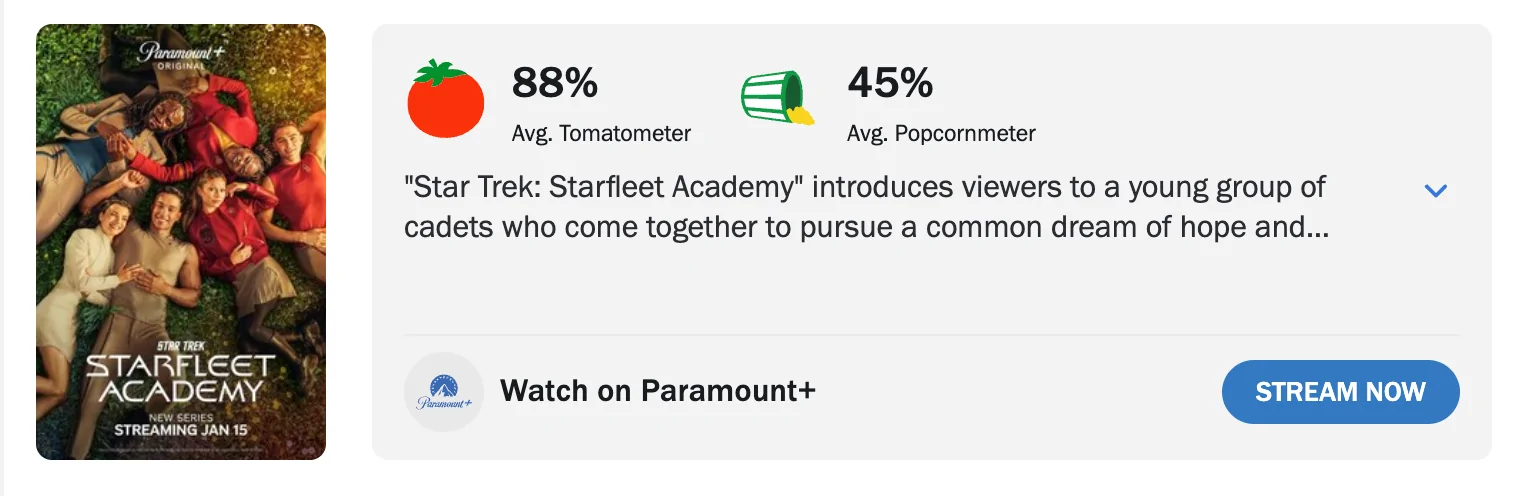
Those who support the show believe the big difference in opinions proves someone is deliberately spreading negativity. However, critics disagree, saying that a split in views doesn’t necessarily mean manipulation is happening – it could simply mean people have different tastes or the show isn’t consistently good.
This kind of disconnect between critics and audiences isn’t surprising. We’ve seen it happen with other movie franchises recently, usually when a series changes its style, focuses on different stories, or tries to appeal to a new group of viewers.
Viewership Questions Complicate the Narrative
If bad reviews were simply caused by coordinated efforts, most people would expect overall viewership to stay high, even if the official ratings seemed lower than they should be.
But early performance indicators have raised additional questions.
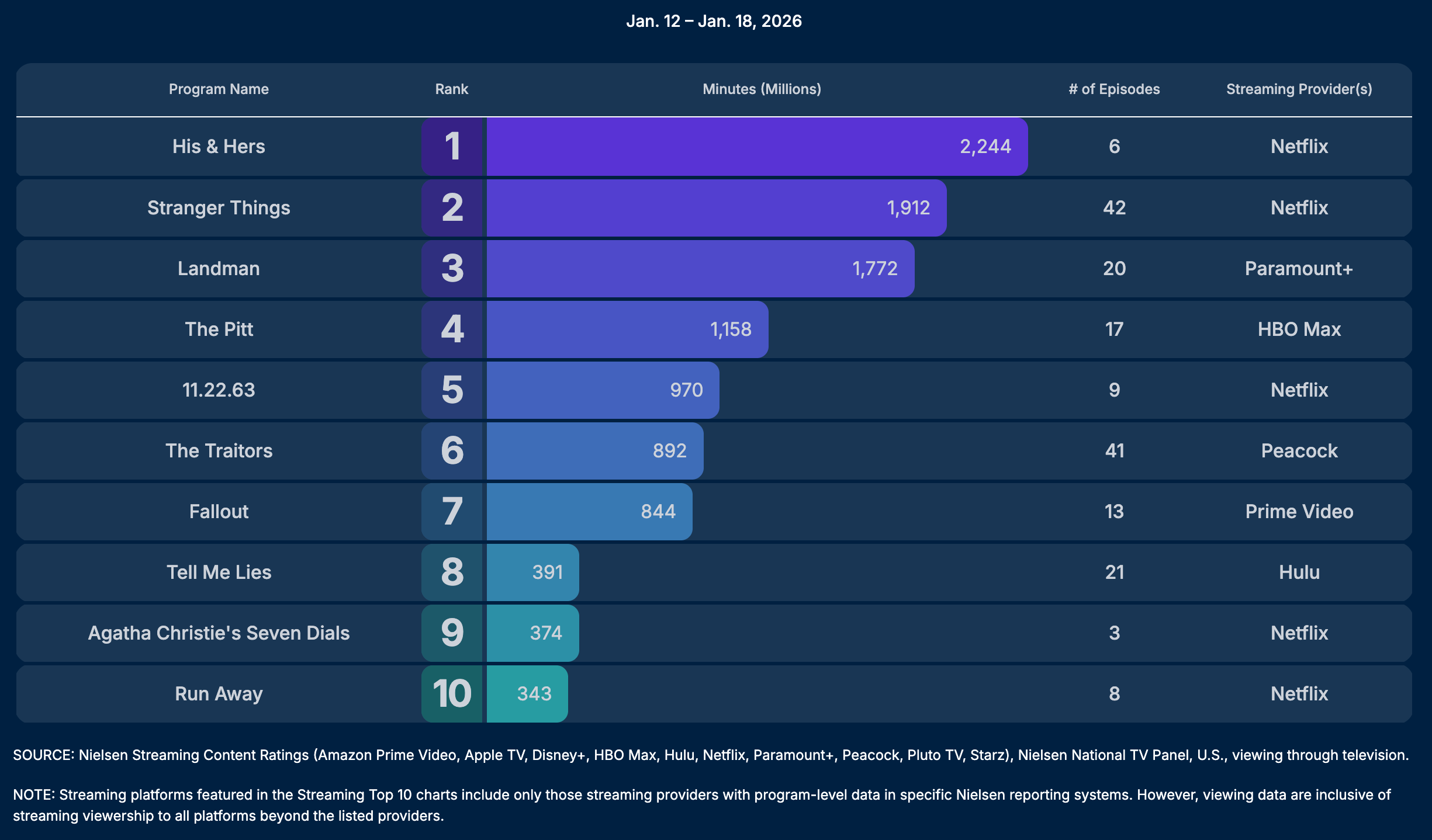
Viewership numbers and data from Nielsen show that interest in the show has slowed down after its initial release. Even with the well-known Star Trek name and the release of multiple episodes at once, the series hasn’t maintained the strong audience numbers usually seen with major franchise launches.
As a fan, I’ve noticed things have changed with streaming. It’s not just about how many people start watching a show, but whether they finish it, how much time they spend watching overall, and if they keep their subscriptions. Because of that, even seemingly harmless online chatter or ‘soft engagement’ can’t be ignored – it actually tells us a lot about what people are enjoying and whether they’ll stick around.
Franchise Fatigue or Fan Rejection?
The discussion has moved past just looking at review scores and is now a wider criticism of how modern franchises are run.
Competition in the streaming industry is pushing studios to create content faster than ever. They’re relying a lot on well-known franchises to attract subscribers, leading to frequent new releases. However, this rush can sometimes mean less time is spent building excitement or polishing the creative quality of these projects.
Franchise fatigue has become an increasingly common industry concern.
When people are exposed to too much of something, their excitement can fade. Events lose their impact and what used to feel unique starts to feel commonplace.
The somewhat disappointing response to Starfleet Academy might be due to general franchise fatigue, rather than people specifically disliking the show itself.
Leadership and Creative Direction Under Scrutiny
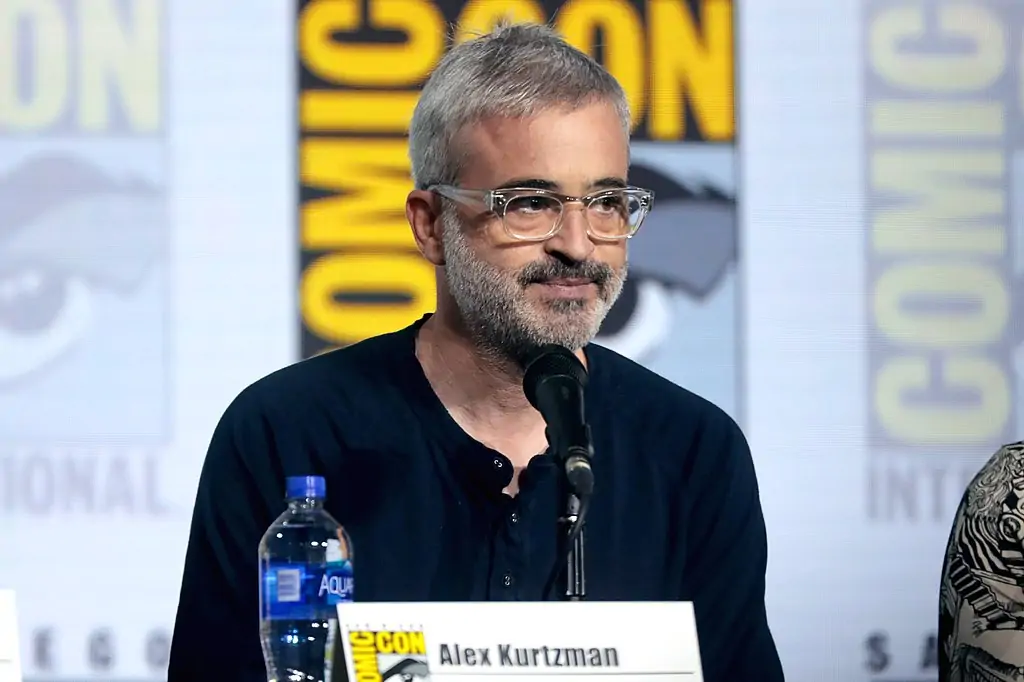
The discussion has also turned attention to the people in charge of the Star Trek franchise, especially how executive producer Alex Kurtzman has guided the show’s recent television series.
Kurtzman has been in charge of growing the Star Trek universe with several new shows on streaming services. While this meant more content, it also led to changes in the show’s direction that have caused disagreement among dedicated fans.
When several projects led by the same people struggle to attract an audience, many believe the problem isn’t with the viewers, but with the leadership itself.
Ultimately, fans don’t create the stories themselves – they simply respond to what the creators deliver. They don’t decide what happens, they just react to it.
Are Fans Being Asked to Support What They Don’t Enjoy?
A major point of contention in the discussions surrounding the negative reviews of recent Star Trek shows is the idea that fans are expected to support any new release simply to help the franchise, even if they don’t enjoy it themselves.
For many viewers, that framing feels less like community and more like obligation.
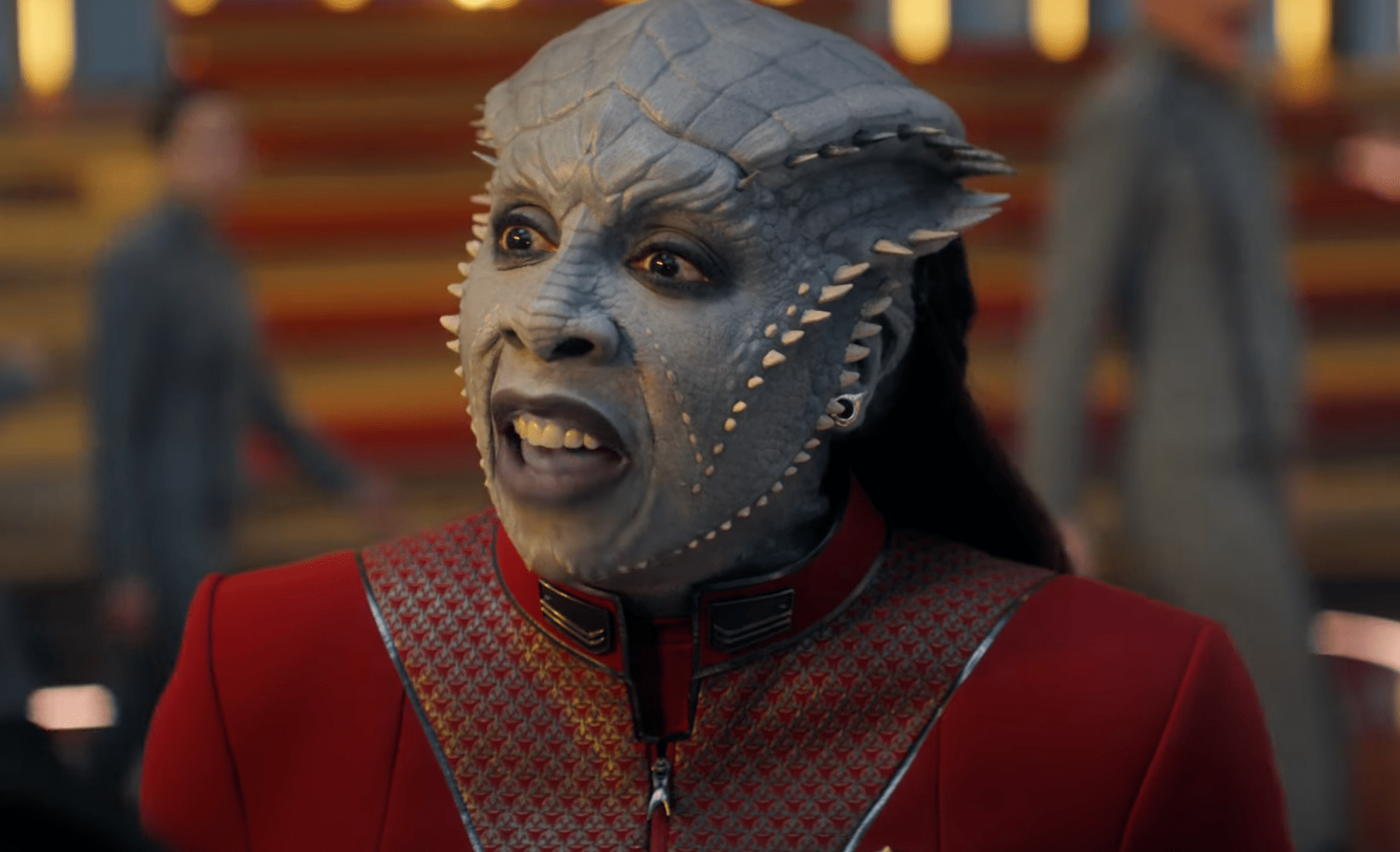
People have always gravitated towards entertainment they enjoy and tuned out what doesn’t resonate with them. This natural cycle of response has driven the evolution of entertainment for years, even before the days of online ratings.
While boosting numbers might seem helpful right away, experts say it doesn’t fix real problems with the work itself.
The Bigger Picture for Star Trek
I just finished watching Starfleet Academy, and honestly, if it doesn’t really take off, I’m a little worried about what it means for the future of Star Trek as a whole. It’s a bit of a gamble, and its success feels pretty important for the franchise’s longevity.
Breaks in a franchise’s releases, though sometimes seen as damaging, often give it a chance to refresh and improve. Time away can build excitement for what’s next, allow for new creative ideas, and strengthen the brand’s reputation.
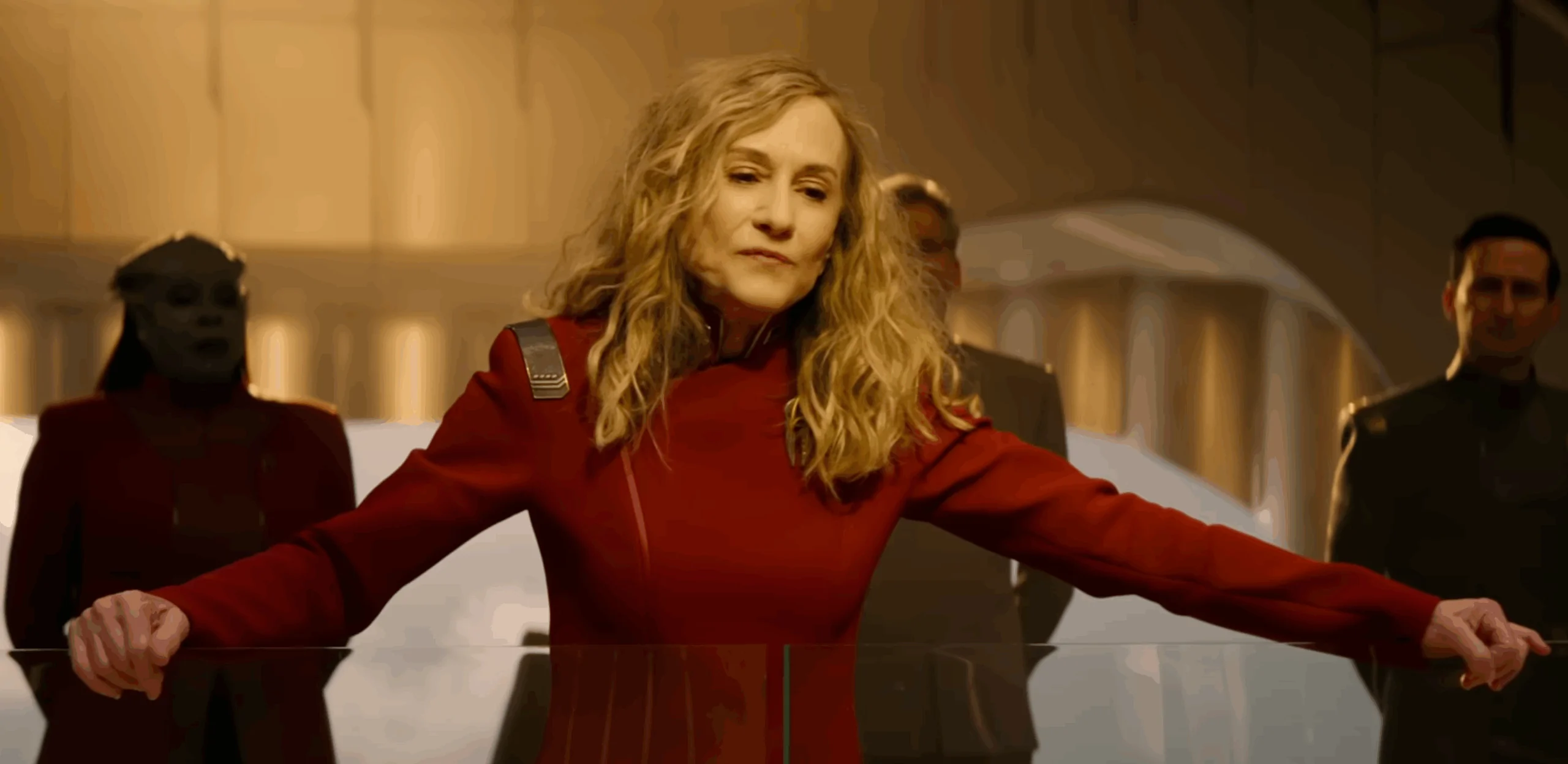
The original Star Trek series found new life after being off the air for a while, demonstrating that breaks don’t necessarily mean something is finished for good.
Fans vs. Franchise — Or Fans vs. Framing?
At its core, the Starfleet Academy review bombing debate isn’t just about one show.
It’s about how studios interpret criticism.
Does negative feedback come from coordinated efforts to cause harm, or does it simply show what the audience truly thinks?
If the new Star Trek series doesn’t succeed, fans are just as responsible for that result. I’ve consistently pointed out how previous shows damaged the original series’ storylines, but the new Academy series is set so far in the future that it doesn’t really affect that history. Ultimately, if you don’t enjoy it, you don’t have to watch.
— Christopher Cushman (@ChrisCushman2) February 17, 2026
It’s tempting to think that organized negativity is behind things when a project doesn’t land well, but honestly, it feels like a cop-out. Pointing fingers avoids admitting when a creative choice just misses the mark. And when that happens, it really strains the relationship between the creators and us, the fans who’ve supported them for years. It just pushes us further apart.
When audiences feel ignored instead of understood, the negative consequences go much further than just a bad review score.
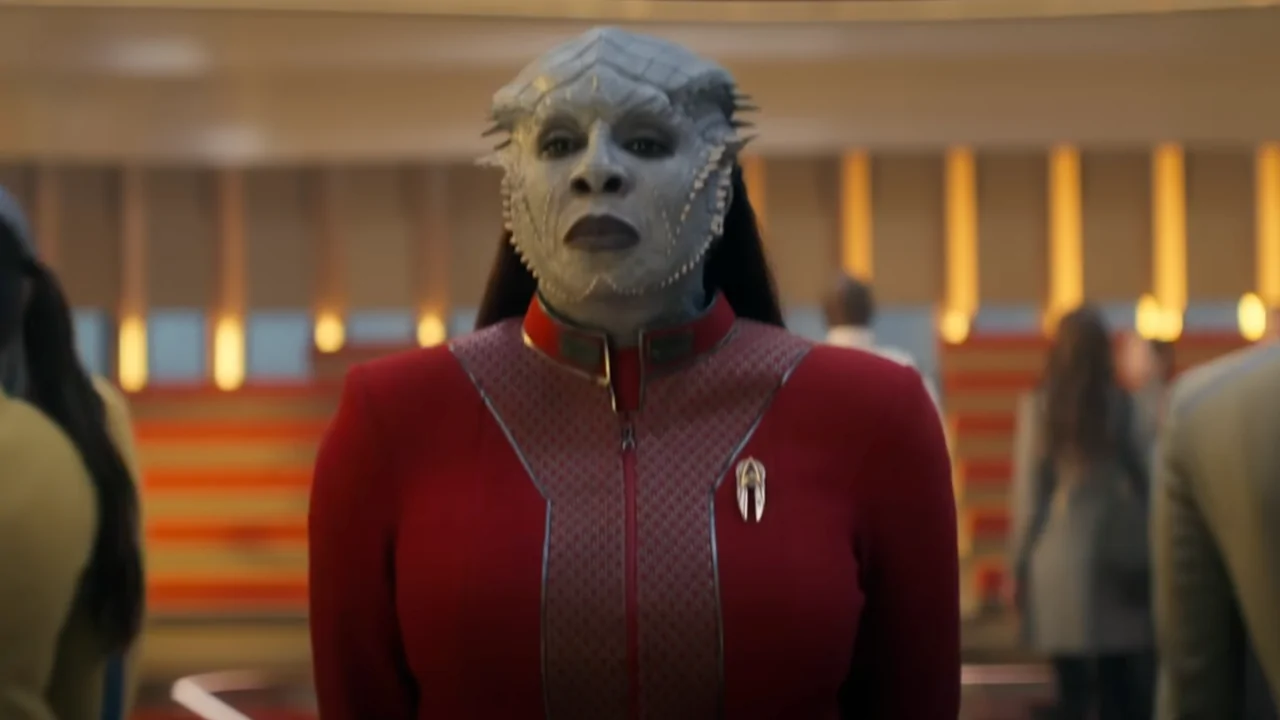
Look, as someone who loves movies, I’ve seen audiences change their minds quickly. These days, it’s not enough to just have fans – you have to actually connect with them. Honestly, I think studios worrying about negative reviews are missing the bigger picture. It’s not the reviews themselves that are the real danger, it’s losing the audience’s trust and having them just tune out completely. That’s what really hurts a film now.
Read More
- Доллар обгонит лев? Эксперты раскрыли неожиданный сценарий
- Hogwarts Sure Does Look Familiar In The New Harry Potter Trailer (But Not From The Movies)
- Russell T. Davies Gave An Update On Doctor Who’s 2026 Christmas Special, And I Can’t Help But Feel Worried
- Ready Or Not 2 Box Office Slammed With Week 2 Drop That’s Twice As Large As The OG Movie’s
- New Yellowstone Report Reveals The Real Reason Why Monica Dutton Was Killed In Marshals
- Apple TV’s New Horror Series Is Stephen King-Like Nightmare Fuel In First Widow’s Bay Trailer
- The Last Of Us Season 3 Set Photos Reveal Kaitlyn Dever’s Abby Return & New Character Lev
- Gwyneth Paltrow on Avengers: Doomsday Return: ‘What’s That?’
- Disney+ Launches New Feature That Marvel Fans Will Love
- Canon Events: Professor X Nearly Destroyed the X-Men’s Dream as Onslaught
2026-02-19 23:00