Widely celebrated for his innovative storytelling, this director is considered one of the greatest in film history, with a remarkably consistent record of success. His films, ranging from the provocative anti-war statement Paths of Glory (1957) to the chilling adaptation of Stephen King’s The Shining (1980), are frequently hailed as classics.
Because Stanley Kubrick was a perfectionist who meticulously focused on every detail, his praise for another work carried significant weight. He famously recognized a 1989 Polish television miniseries as a true masterpiece.
Kubrick was Deeply Moved By the Dekalog Miniseries
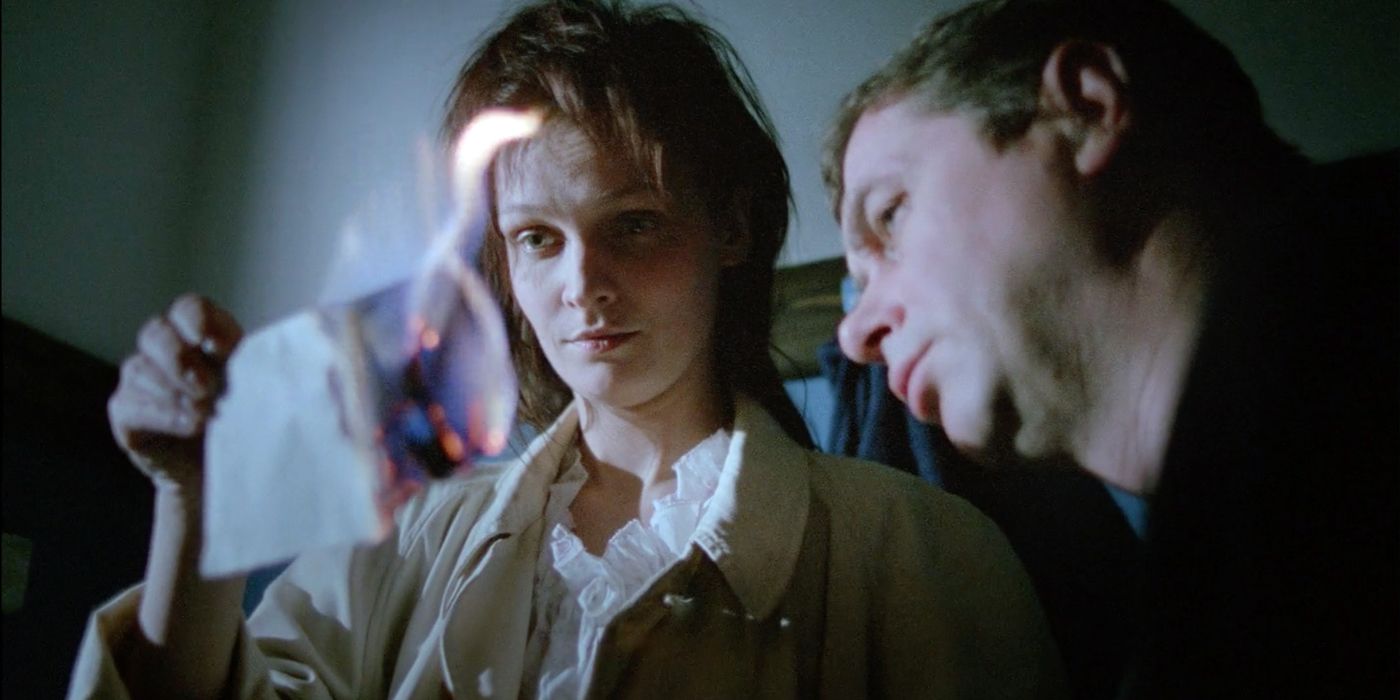
Stanley Kubrick was known for his perfectionism, and this extended to the films he admired. He particularly appreciated the Polish miniseries Dekalog (also known as Dekalog: The Ten Commandments or The Decalogue), created in 1989-1990. Written by Krzysztof Kieślowski and Krzysztof Piesiewicz, and directed by Kieślowski, the series features ten hour-long episodes, each exploring one of the Ten Commandments.
Krzysztof Kieslowski and Krzysztof Piesiewicz are remarkable filmmakers because they show their ideas through compelling stories, rather than simply stating them.
He explained that by revealing ideas through the story’s events, the creators give the audience a more powerful experience – letting them figure things out for themselves instead of being directly told. He admired how seamlessly they accomplish this, subtly impacting viewers in a way they don’t even notice until much later.
Kieslowski and Piesiewicz were masters at showing audiences a story, rather than simply telling it. This is a core principle of good storytelling – letting viewers experience things directly creates a more genuine and relatable connection. Their films allowed audiences to piece things together for themselves, making them feel truly involved in the narrative.
As a huge fan, what really struck me about Dekalog is how deeply the stories stay with you. Kubrick himself said they “reach your heart,” and that’s the ultimate praise from a master filmmaker! It’s easy to be entertained, but Dekalog goes beyond that – you find yourself thinking about the characters and their dilemmas long after the credits roll. In fact, it was so special that Kubrick actually wrote a foreword to the scripts, which Jan Harlan, the executive producer, said was the only time he ever did that for anyone else’s work. That really says something!
Each Dekalog Episode Covers a Different Commandment
Each part of the Dekalog series tells a story based on one of the Ten Commandments. Each episode is named after the commandment it explores. While the director, Kieślowski, didn’t actually call the series “Ten Commandments,” the connection between each film and a specific commandment is clear.
Each episode tells a complete story, but they’re all connected by a shared setting: 1980s Warsaw. Many of the characters reappear throughout the series, as they all live in the same large apartment complex. So, while you can watch each episode on its own, they all take place in the same world and explore similar, thought-provoking themes like love, property, and relationships.
Each of the Ten Commandments centers around protecting something sacred. For instance, “Do not kill” emphasizes the importance of life, while “Do not misuse God’s name” highlights the power and sacredness of words – it’s not just about using God’s name improperly. The filmmaker Kieślowski drew on these concepts to strengthen the central ideas in each of his films.
All said, fans of to further contextualize the creative mind and influences of one of the .
Found an error? Send it so it can be corrected.
Read More
- Если 2026 год принесет альтсезон, станут ли ETH, BNB, XRP, SOL и DOGE лидерами по эффективности?
- Black Phone 2 Ending & Grabber’s Fate Explained
- XRP: Заранее установленная цена, от которой у вас волосы встанут дыбом! 🚀💸
- The Flash’s Danielle Panabaker Opens Up About Low-Paying Arrowverse Crossovers And ‘Bad Behavior’ Being Rewarded On The Set
- Disney Plus Celebrates Zootopia 2 Special Look Debut With New Trailer
- Прогноз криптовалюты SKY: прогнозы цены SKY
- Золото прогноз
- Leonardo DiCaprio’s Post-Oscar Roles: A Surprising Trend In His Filmography
- Forgotten Sequel to Critically Acclaimed Horror Thriller 28 Days Later Delivers a Masterful Story
- Евро обгонит тайский бат? Эксперты раскрыли неожиданный сценарий
2026-02-16 06:13