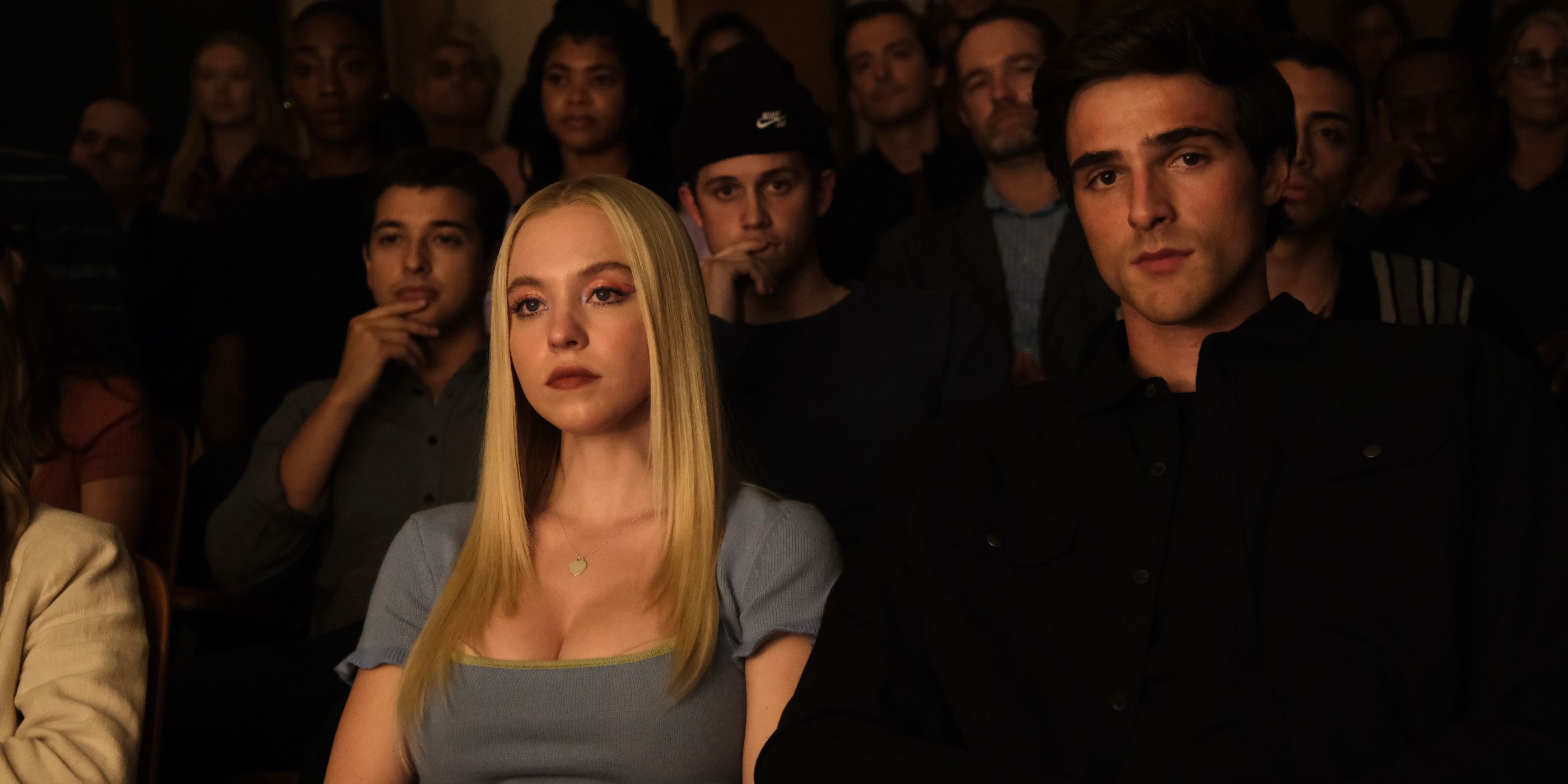
Sam Levinson’s Euphoria is receiving a lot of online criticism. Many viewers are disappointed with the show’s direction, citing a lack of compelling music, engaging storylines, and what they see as attempts to create controversy for attention. It’s become one of HBO’s most divisive shows. If you’re already feeling tired of Euphoria Season 3, now might be a good time to revisit Skins, a popular teen show from 2007 that many feel captured the high school experience much more effectively.
This British TV show changed the game for teen dramas by honestly portraying the messiness of adolescence. Over seven seasons, it followed different groups of teenagers as they navigated difficult and sometimes devastating experiences – including drugs, parties, relationships, mental health struggles, and broken friendships – much like the show Euphoria. Skins is considered one of the most realistic and impactful teen shows ever made, offering a raw and often uncomfortable look at the challenges of growing up.
Skins’ Characters Define Realistic Teen Trauma Television
The teens in the show Euphoria face the harsh realities of high school, dealing with difficult issues that many real people experience. However, Euphoria stands out from other teen dramas because of its unique style. While it focuses on emotional stories, it also prioritizes a visually stunning and often exaggerated aesthetic, creating a world that feels heightened and unreal.
The characters dress in high-fashion clothes and wear dramatic makeup, often launching into complex discussions about life’s big questions. While visually striking – and a major draw for viewers – it doesn’t often feel like a realistic portrayal of high school. In contrast, the characters on Skins feel much more authentic. Their clumsy moments, bad choices, and complicated friendships reflect the messy, unpredictable nature of being a teenager, rather than a polished, idealized version.
The contrast is clear if you look at the budgets. HBO invested millions to give their shows a flashy, cinematic look, prioritizing expense and visual impact. However, this moved them away from feeling like a realistic TV series. Channel 4, aiming for an authentic portrayal of a British high school, deliberately did the opposite, opting for a more subdued and realistic aesthetic.
The show intentionally looked rough around the edges – using cheap cameras, unflattering lights, and mismatched clothes to create a realistic, depressing classroom setting. The actors wore the same stained shirts throughout the series and their natural skin imperfections weren’t hidden. This low-budget approach shaped the storytelling, allowing the creators to portray the harsh realities of teenage life without glossing over the pain. The consequences of actions felt genuinely serious, and mistakes had lasting, devastating effects on the characters.
Before Rue, Jules Or Maddie, There Was Effy Stonem
Effy Stonem was a standout character on the show, instantly recognizable and incredibly popular. When she first appeared, she was mysterious and silent, with a striking look featuring messy eyeliner and ripped stockings. Many credit her with defining a specific aesthetic – the ‘sad girl’ look – that became hugely popular online, especially on Tumblr. She felt like that captivating, unforgettable person you knew (or wished you knew) in school or anywhere else.
I was really struck by Effy’s character. On the surface, she seemed so composed, but it quickly became clear she was carrying a huge weight from a really messed-up home life. She’s mastered the art of shutting down, almost like a defense mechanism. And it’s fascinating because everyone around her seems to project their own issues onto her – she becomes this empty slate for their desires. That’s what elevates the show beyond typical teen drama and makes it feel so psychologically complex.
It’s deeply ironic that so many viewers misinterpreted Effy Stonem’s story. While many young girls saw her wild, party-filled life as something to emulate, they didn’t realize the profound loneliness behind it. Effy wasn’t a role model; she actually showed what happens when someone becomes completely isolated. She’s a complex character, and if you compare her to the characters in Euphoria, you can see bits of Rue, Maddy, and Jules within her.
Similar to Rue, Effy uses strong drugs to cope with deep emotional pain, ultimately leading to an overdose that deeply hurts those who care about her. She also shares Maddy’s knack for not getting involved in conflict, facing life with a bold and defiant attitude that discourages confrontation. This emotional distance became a defining trait of her character.
Similar to Jules, she effortlessly exudes a captivating and rebellious allure. It’s a powerful attraction that makes people crave her approval, even if she responds with indifference. Sam Levinson needed multiple characters to portray these complex, flawed traits effectively. In contrast, Skins concentrated all that intensity into one character, Effy, making her a memorable figure in British TV.
Skins Used Actual Young Writers For Authentic High School Storytelling
What makes this series feel so authentic is its unique approach to production. Creators Bryan Elsley and Jamie Brittain recognized that having adults try to write teen dialogue often results in awkward and predictable conversations. To avoid this, they directly involved teenagers in the creative process. They recruited teens from local drama groups and neighborhoods, and together they developed the storylines using large whiteboards.
Daniel Kaluuya, known for his role in Get Out, started acting at 18 and quickly became part of the writing team for the show Skins UK. He’d go to school, jot down funny things his friends said, and then share those exact quotes with the writers. This realistic approach, drawing directly from real life, is a key reason why the making of Skins UK is so well-remembered and celebrated.
The show intentionally avoided preachy, after-school-special tropes, letting the characters drive the story. Instead of tidy resolutions – like a visit to the counselor after risky behavior – it presented messy, realistic portrayals of teenage life. The characters sounded genuinely like awkward, insecure teens trying too hard to seem mature, creating a cringe-worthy but authentic experience rarely seen in American teen dramas.
Skins Serves As A Defining Model For Dark Teen Shows
American TV shows often focus on high school stories filled with drama and over-the-top moments. Programs like Gossip Girl and Riverdale are known for portraying a glamorous, unrealistic version of teenage life, where characters act more like adults than typical high school students. British TV, however, takes a very different approach to this genre.
As a film buff, one thing I really appreciate about British teen shows is their willingness to portray things realistically. They don’t shy away from showing kids who are, well, just a bit awkward, maybe struggling financially, or simply not ‘cool’ – and it feels so much more genuine. The settings always feel incredibly ordinary too – think crowded classrooms and everyday commutes. What really sets them apart is how they don’t gloss over things like class differences or family struggles, which American shows often seem to avoid or downplay.
The creators of the show Skins really got that teenagers are complicated and often make mistakes. Back in 2007, there wasn’t the same focus on being politically correct when dealing with difficult topics like mental health, sexuality, drugs, or sex. As a result, Skins featured flawed characters and didn’t always portray how to deal with trauma in a positive way. The characters often say and do things that are hurtful, even when they have good intentions.
The show’s appeal lies in its characters being allowed to act like kids, a refreshing contrast to shows where young people talk like adults. This honesty extends to its portrayal of relationships. While the male characters sometimes exhibit problematic and harmful behavior towards women, it realistically reflects how people actually interacted during the 2000s.
The show portrays intimate moments as realistically clumsy and uncomfortable – often happening quickly and quietly, like when someone is trying not to wake their parents. While this adds to the show’s authenticity, it’s also been a major source of criticism from viewers.
The show Skins uniquely matured with its viewers. Because many of the actors playing teenagers were actually teens themselves, the production now seems to have gone too far. They weren’t adequately protected, and several cast members have since shared how damaging and unsafe filming was for them. It’s clear the show’s intense and gritty tone came at a significant emotional cost to those involved.
Despite its raw and unrefined style, the original UK version of Skins launched the careers of major actors like Dev Patel, Nicholas Hoult, Daniel Kaluuya, Kaya Scodelario, and Jack O’Connell, who’s now becoming known for his roles in horror films. When MTV tried to remake it for American audiences, they removed the show’s realistic, working-class feel, and the result was a failure. What set the UK Skins apart was its honest portrayal of the messy, sometimes difficult, experience of adolescence – it didn’t shy away from harsh realities, and that’s what made it so compelling.
2026-05-25 05:08