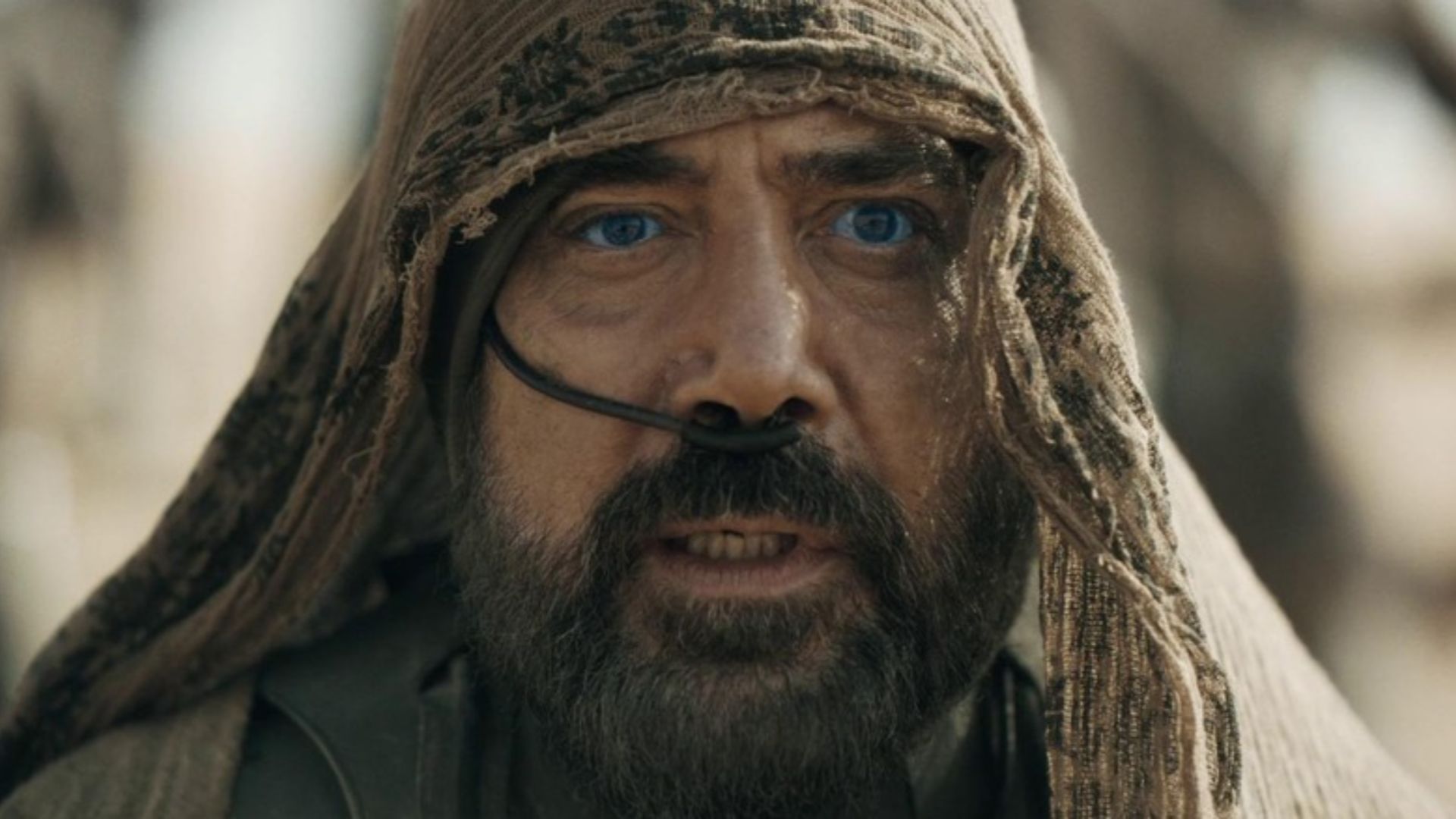
This genre has produced some of the most innovative and well-crafted stories ever adapted for the screen, and Denis Villeneuve’s Dune is a prime example. Based on Frank Herbert’s novel, the series—soon concluding with its third film—has become a defining science fiction experience of the 21st century. However, a select few films throughout the history of the genre stand out as even more exceptional.
Science fiction consistently pushes boundaries, engaging our minds and challenging our values with imaginative stories and detailed worlds. The best examples offer everything from complex, thought-provoking narratives to visually spectacular experiences, and the films discussed here showcase that potential. While Dune is a remarkable achievement, other movies have arguably reached even greater heights within the genre.
After the first Terminator film became a hit, James Cameron created a sequel, Judgment Day. The story picks up fourteen years later, focusing on a teenage John Connor who is living in foster care. A reprogrammed T-101 is sent back in time to protect him from a dangerous new Terminator, the T-1000. John soon realizes his mother’s warnings were true and asks his protector to help rescue her, hoping to save the future from the threat of Skynet.
When Terminator 2: Judgment Day came out, it set a new high standard for science fiction sequels. It powerfully shaped how audiences would view artificial intelligence, establishing it as a major threat to humankind. The film delved into themes of fate and destiny even more effectively than Dune, and became a cultural phenomenon, much like the recent films by Villeneuve. What truly set Terminator 2 apart was its emotional depth, which resonated more strongly with audiences than other sci-fi movies of the time.
In 1985, Back to the Future arrived as the quintessential sci-fi family film. The story centers on Marty McFly, a high school student who is accidentally sent back to 1955 in Doc Brown’s time-traveling DeLorean. It quickly became the defining time-travel movie. While enjoyable on its own, the adventures of Doc and Marty truly shined as a trilogy, exploring themes of everything from dark futures and destiny to family and fairness.
Unlike some science fiction films that focus on grand, complex worlds, Back to the Future charms audiences with its heartwarming story and family-friendly take on time travel. The bond between Marty McFly and Doc Brown quickly became iconic, and the movie’s clever use of time loops and paradoxes is brilliantly executed. While very different in style from a film like Dune, Back to the Future is considered a flawless movie – even Quentin Tarantino, though not a huge fan himself, recognizes its perfection.
James Cameron became the director of the Alien series in 1986 with Aliens. The film picks up decades after the events on the Nostromo, following Ripley as she’s woken from a deep sleep and reluctantly joins a team of Colonial Marines. Their mission: to rescue colonists on LV-426 from a nest of deadly xenomorphs. The movie then explodes into a full-scale war, with the soldiers battling overwhelming swarms of aliens and fighting for their survival.
Okay, so Aliens didn’t just continue a great story – it completely transformed it. Where the first film was terrifying and atmospheric, this one amps up the action, giving us a relentlessly paced, military-style sci-fi thriller. What’s really smart is how it expanded on the original’s themes, really cementing the idea of a soulless, corporate future as the ultimate villain. You can totally see that influence in films like Dune now – the Weyland-Yutani Corporation from Aliens and the Harkonnens share that same ruthless, power-hungry DNA. They’re just in a league of their own when it comes to being truly awful.
Following the huge success of the first Star Wars film in 1977, George Lucas continued the story with Episode V: The Empire Strikes Back. With the Death Star destroyed, the Empire is weakened and Darth Vader is determined to find Luke Skywalker and convince him to join the dark side. While Luke trains with the Jedi Master Yoda, Han Solo and the others are on the run, desperately trying to escape the Empire’s reach.
Like Dune, The Empire Strikes Back brilliantly blends science fiction and fantasy, and has remained a landmark film ever since. While some believe George Lucas drew inspiration from Frank Herbert, his sequel is widely considered the best in its genre. From its shocking ending and famous plot twist to its impressive visual effects, many filmmakers have attempted to replicate its cultural impact, but none have succeeded.
In 1993, Jurassic Park helped revitalize the science fiction genre, which was struggling at the time. The film, directed by Steven Spielberg and based on Michael Crichton’s novel, follows a group of scientists visiting a park filled with genetically engineered dinosaurs—and things quickly go awry. It serves as a cautionary tale about the dangers of unchecked scientific ambition, and it set a new standard for sci-fi films with its revolutionary special effects and Spielberg’s masterful storytelling.
No matter if you prefer stories like Michael Crichton’s or Frank Herbert’s, Jurassic Park‘s story and speed are nearly perfect. The movie revitalized large-scale, imaginative science fiction when the genre was struggling, and the last thirty years of sci-fi filmmaking owe a great deal to Spielberg’s classic. Most importantly, it’s a masterful adaptation, showing how to successfully translate a novel into a film.
In 1968, Stanley Kubrick and Arthur C. Clarke collaborated on the groundbreaking film, 2001: A Space Odyssey. The story centers around the journey of the spaceship Discovery One to Jupiter, prompted by the finding of a strange black monolith near the planet. When the ship’s artificial intelligence, HAL 9000, begins to fail, astronauts Dave Bowman and Frank Poole must fight to regain control and survive.
Before the release of 2001: A Space Odyssey, science fiction films were often dismissed as cheap and silly, featuring poorly made special effects and stereotypical aliens. But Kubrick and Clarke’s masterpiece changed everything. Released in 1968, it earned the genre critical respect and continues to spark discussion among viewers today. With its thought-provoking themes – from dangerous artificial intelligence to a vast, mysterious journey through space – 2001 is considered the defining sci-fi film, influencing countless movies that followed, including Dune.
Found an error? Send it so it can be corrected.
Read More
- Доллар обгонит лев? Эксперты раскрыли неожиданный сценарий
- Daredevil Born Again Reveals Full Look At Bullseye’s Comic-Accurate Costume In Season 2
- Hogwarts Sure Does Look Familiar In The New Harry Potter Trailer (But Not From The Movies)
- Disney’s Greatest Sci-Fi Franchise Of All Time Finds New Streaming Home
- The Last Of Us Season 3 Set Photos Reveal Kaitlyn Dever’s Abby Return & New Character Lev
- HBO’s Harry Potter Series Lands 2026 Release Date
- Ready Or Not 2 Box Office Slammed With Week 2 Drop That’s Twice As Large As The OG Movie’s
- Уфргсинтез префы прогноз. Цена префов UFOSP
- New Yellowstone Report Reveals The Real Reason Why Monica Dutton Was Killed In Marshals
- The Closest We’re Getting To The Walking Dead Season 12 Is This 2-Year-Old Miniseries
2026-04-06 23:41