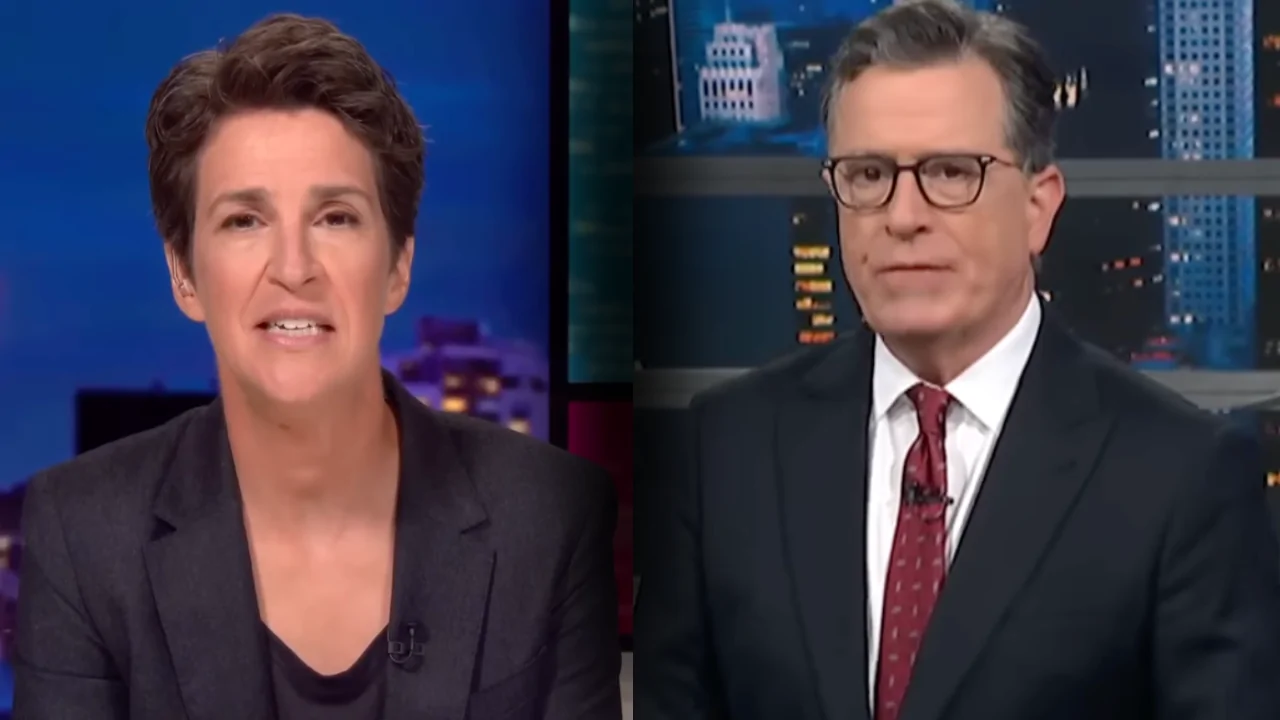
This week, Rachel Maddow criticized Paramount’s decision to cancel Stephen Colbert‘s The Late Show, despite the network claiming it was due to financial reasons, during an appearance on Nicolle Wallace’s podcast, The Best People.
Maddow described the cancellation as a surrender to pressure and called on Paramount to reconsider. She argued the decision showed political influence and criticized the company’s culture following the merger as deeply problematic.
Maddow suggested that we might be able to learn from the past to change our future course, and that many organizations are facing the same opportunity for correction. She believes now is the time to try and make things right.
However, Rachel Maddow doesn’t mention, and outlets like Variety largely ignore, the fact that The Late Show actually loses CBS about $40 million each year. This is despite being the most-watched show in a late-night television market that has significantly declined overall.

While Colbert’s ratings are currently the highest, overall viewership is down across the industry. Even with the top spot, his show’s high production costs are becoming unsustainable.
This isn’t political. It’s arithmetic.
Paramount’s executives seem to have concluded that they’re no longer willing to fund a long-running show that’s losing a significant amount of money each year.
Maddow’s Claims — and the Facts That Undercut Them
During her interview, Maddow claimed Paramount’s reason for the cancellation was clearly a cover-up. She rejected the idea that it was about money, suggesting instead that the company gave in to political pressure.
She stated it was clear CBS and Paramount’s decision to remove Stephen Colbert was disingenuous. They claimed it was a financial move, but she questioned how a consistently top-rated late-night show could suddenly be considered unprofitable when it hadn’t been before.
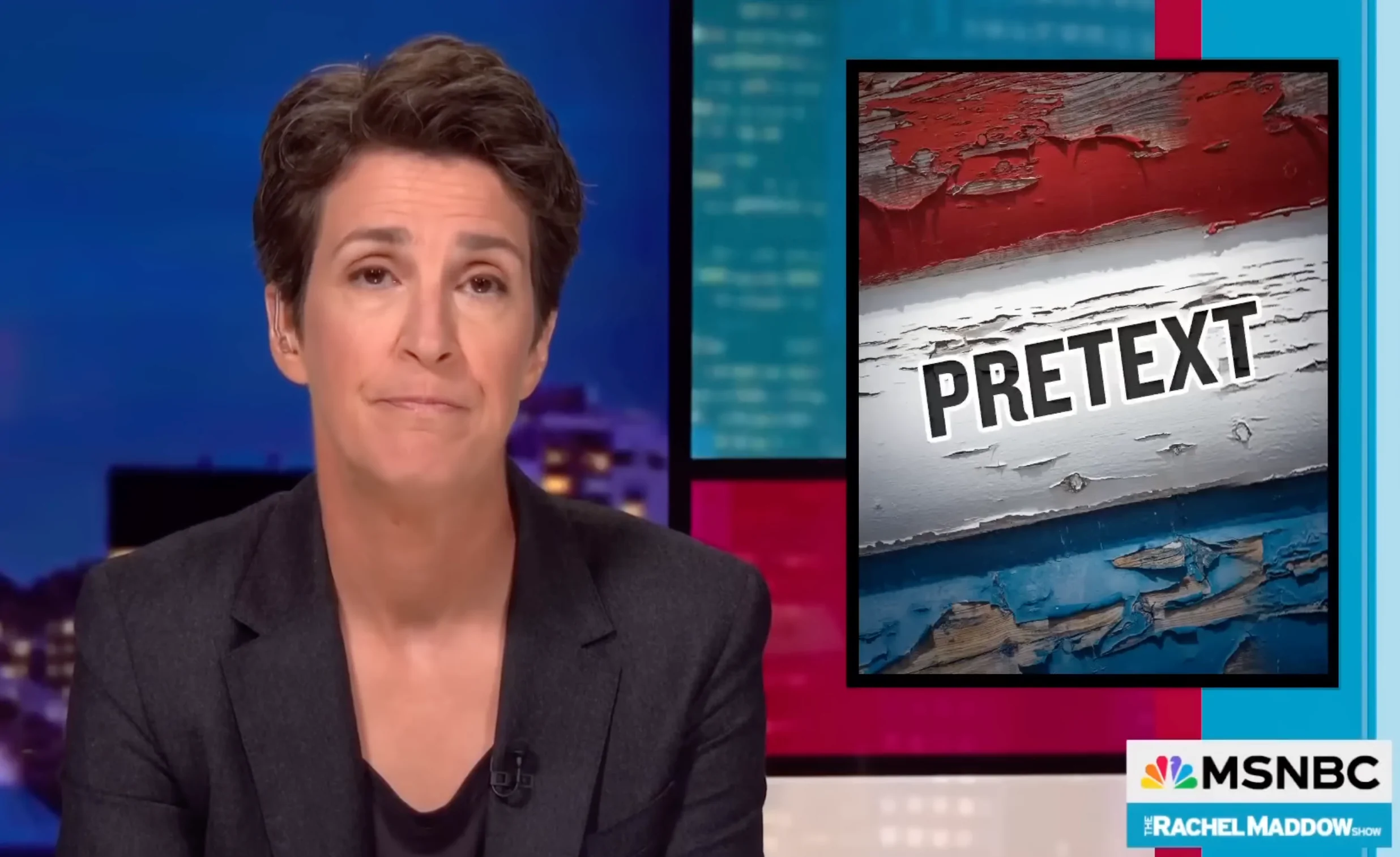
She alleged that individuals with ties to Donald Trump had improperly influenced the company and opposed the selection of Bari Weiss as the head of CBS News, characterizing Weiss as a conservative blogger.
This, too, ignores key context.
Both Rachel Maddow and Variety have described Bari Weiss as a “right-wing blogger,” but this isn’t an accurate portrayal. Weiss is generally seen as a moderate liberal who has openly disagreed with both the far left and the far right. She’s known for calling out extremes on both sides of the political spectrum – a point that Maddow and Variety overlooked. Regardless of your opinion of Weiss, labeling her as “right-wing” doesn’t align with her actual work.
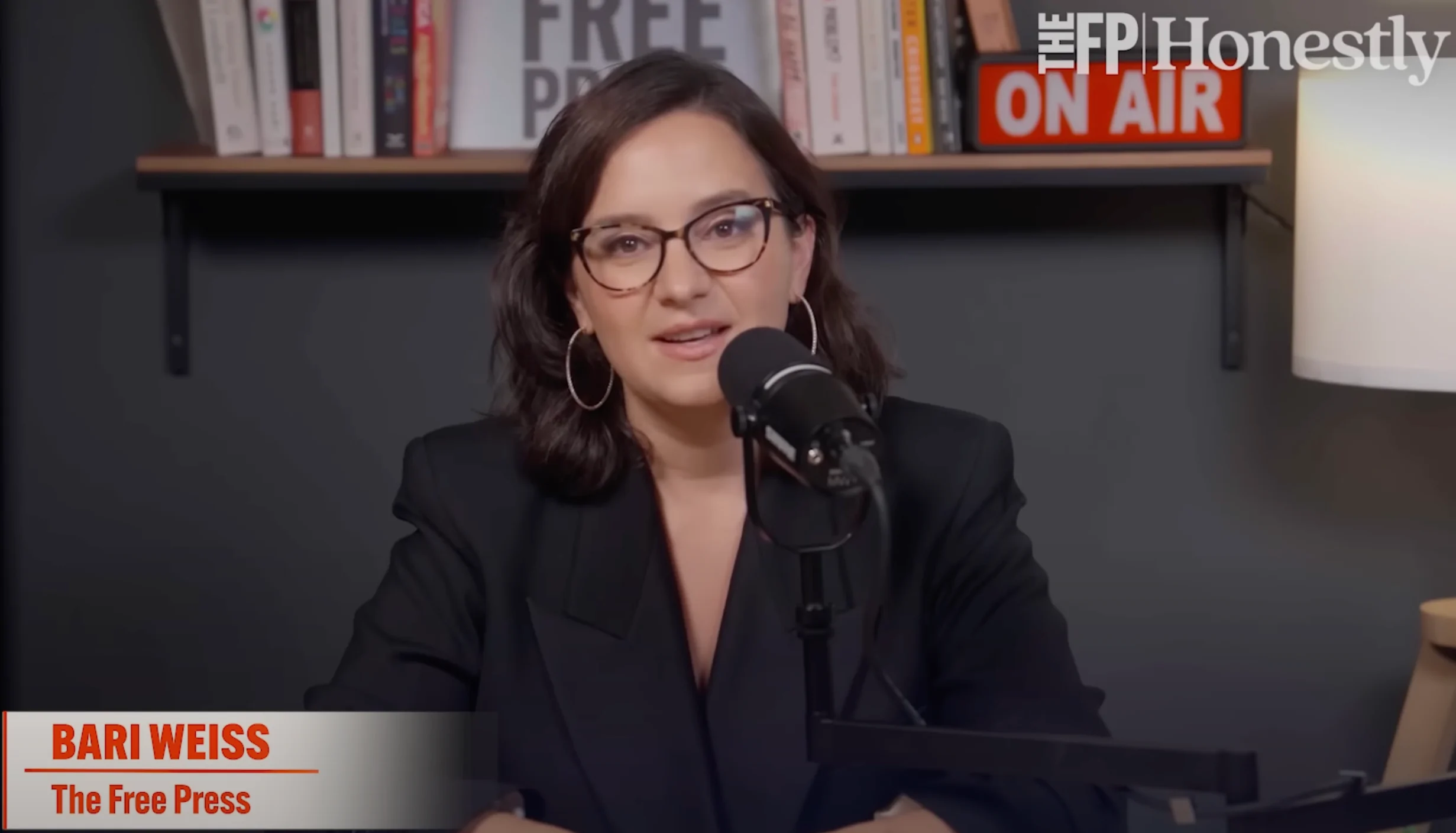
It’s also a distraction from the real issue: Paramount is evaluating its books, not its ideology.
Colbert’s Show Has Been Losing Money for Years
Paramount and CBS have stated clearly that they canceled The Late Show because of money. Although Rachel Maddow dismisses the idea that a popular show could be financially troubled, industry experts have repeatedly confirmed since the cancellation announcement that this was, in fact, the reason.
- The Late Show reportedly loses $40 million annually
- Production costs have risen sharply
- Advertisers have retreated from late-night across all networks
- Ratings declines have crippled profitability industry-wide

Stephen Colbert isn’t alone in facing this challenge. Traditional late-night talk shows have been losing viewers for almost ten years. This decline has been made worse by the fact that people are watching content in more places, and by the way political commentary has become central to the shows, turning them from entertainment for everyone into programs that appeal to a smaller, more specific audience.
The outcome has been a shrinking viewer pool that can’t support legacy costs.
It’s not just sensible for Paramount to cut its losses—it would be irresponsible if they didn’t.
Late-Night’s Collapse Was Long in the Making
Rachel Maddow suggests Stephen Colbert’s show was canceled due to a political shift, but declining viewership has been happening for years. The problem started when late-night shows moved away from broad entertainment and became primarily platforms for political commentary aimed at a single political group.
That model no longer works.
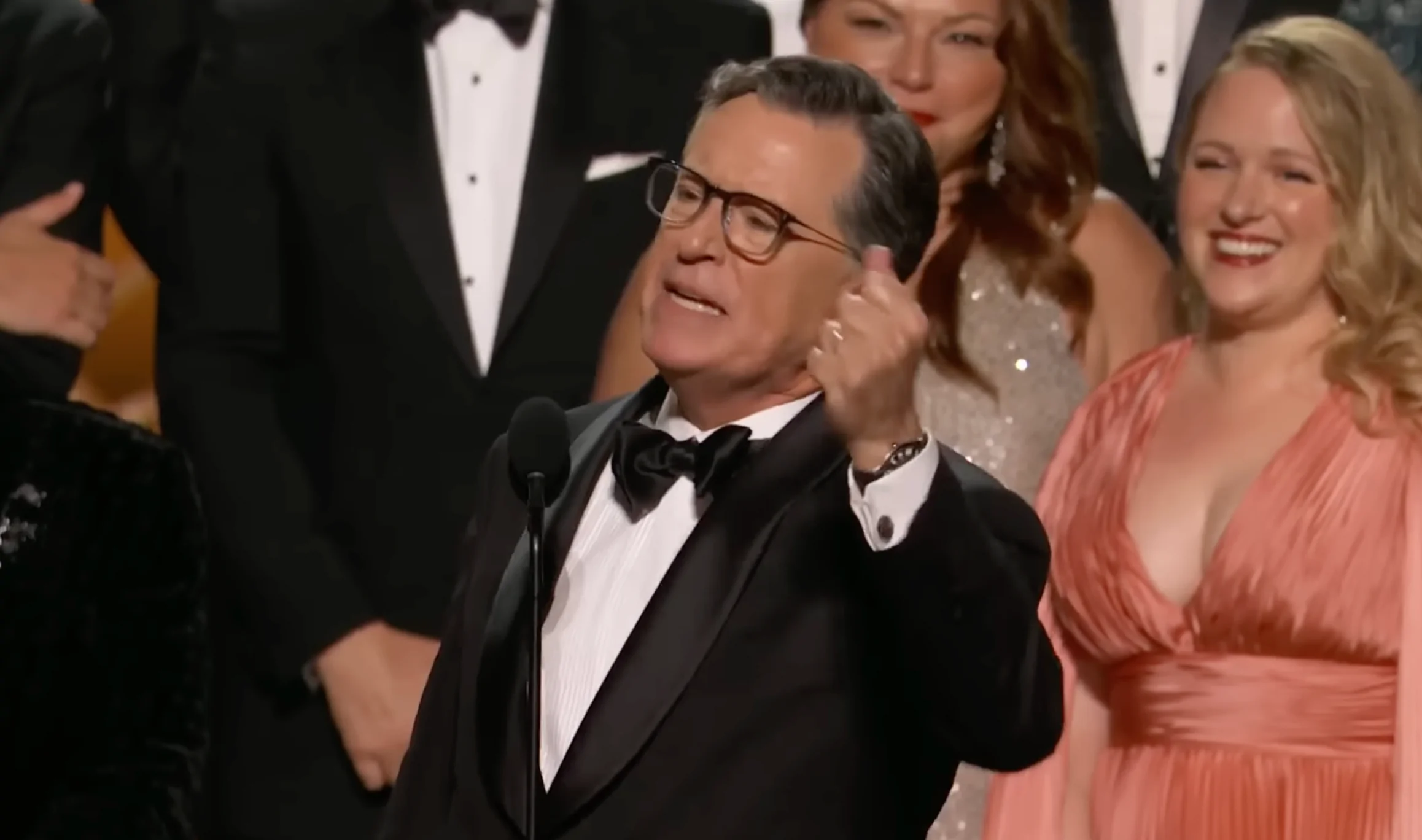
Paramount, recently formed through a costly merger and currently trying to acquire Warner Bros. Discovery in a $108 billion deal, can’t afford to keep losing money on projects simply because they’re based on familiar, older content.
Maddow Wants to Ignore Reality
Rachel Maddow is a skilled communicator and storyteller. However, her reasoning for wanting Paramount to reconsider its decision seems to be based on the idea that they should prioritize making a political statement – satisfying those who share her views – over practical concerns like money and the challenges facing late-night TV.
Paramount, however, must satisfy shareholders — not cable pundits.
Okay, so I listened to her explain why they cancelled the project, and honestly, it felt a little dramatic. She framed it like it was a matter of principles, which is interesting to talk about, but it totally dodged the real issue: they just didn’t have the money to keep it going. It’s good podcast material, sure, but it doesn’t actually solve anything.
Paramount’s Future Doesn’t Include Bloated Legacy Shows
Stephen Colbert’s last show is scheduled for May 2026. Unless Paramount changes its plans significantly, the show ending reflects a larger move away from costly programs that don’t generate much profit.
Rachel Maddow may strongly advocate for Stephen Colbert, but ultimately, Paramount’s decision-makers have the data, and that data tells the real story.
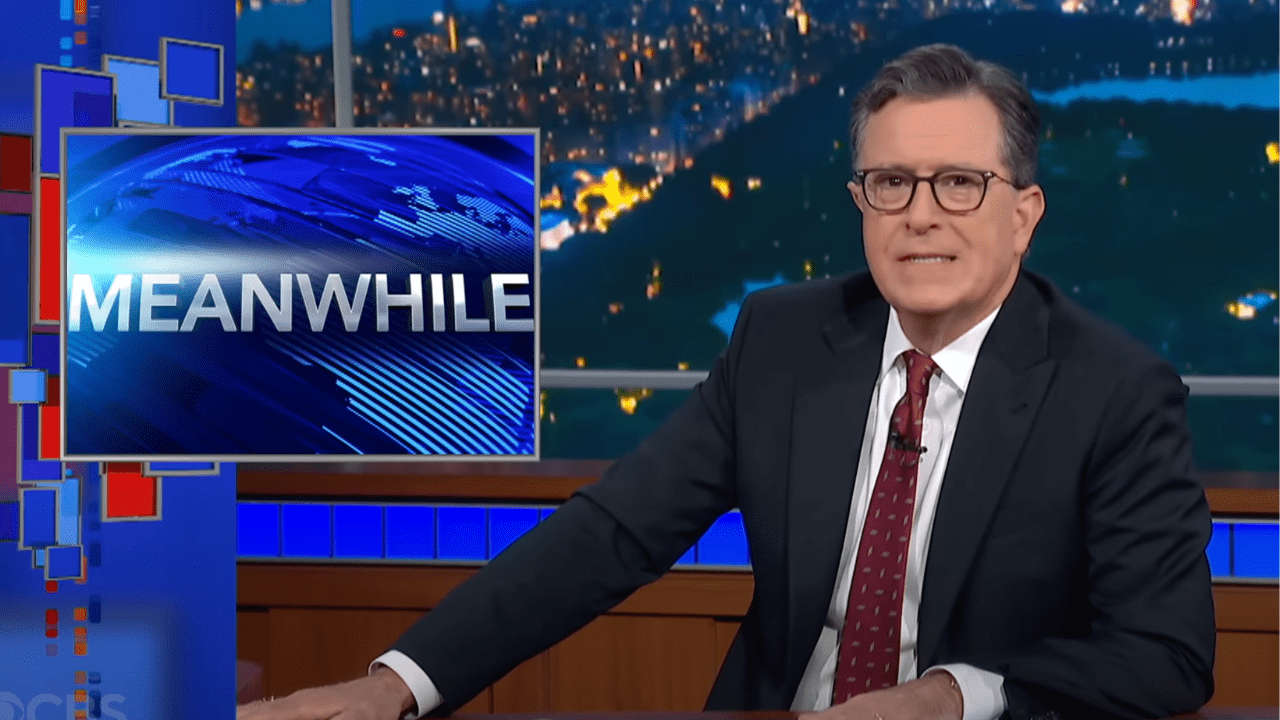
To stay competitive as the media landscape evolves, moves like this are not only reasonable for Paramount, they’re essential.
Read More
- Banned Sesame Street Episode: The Wicked Witch’s Scary Appearance
- Hamnet’s Jessie Buckley Reacted To Paul Mescal’s Oscars Snub
- New Black Panther MCU Actor Recasting Gets Exciting Update
- Netflix’s Lincoln Lawyer Has a Secret Michael Connelly Easter Egg
- 10 Greatest Sci-Fi TV Heroes, Ranked
- ‘Ready or Not’ Tops Streaming Charts Ahead of Anticipated Sequel
- 7 Years Later, the Sci-Fi Action Hit Fans Call “The Best Video Game Movie Ever Made” Finally Returns to Streaming
- ‘YouTube Customers Are Suffering.’ Disney CFO Says Company Isn’t Backing Down As Cable Outage Continues
- ‘Blades of the Guardians’ Rotten Tomatoes Score Revealed
- Nicolas Cage’s Spider-Man Plan Is Horrifyingly Perfect
2025-12-10 17:58