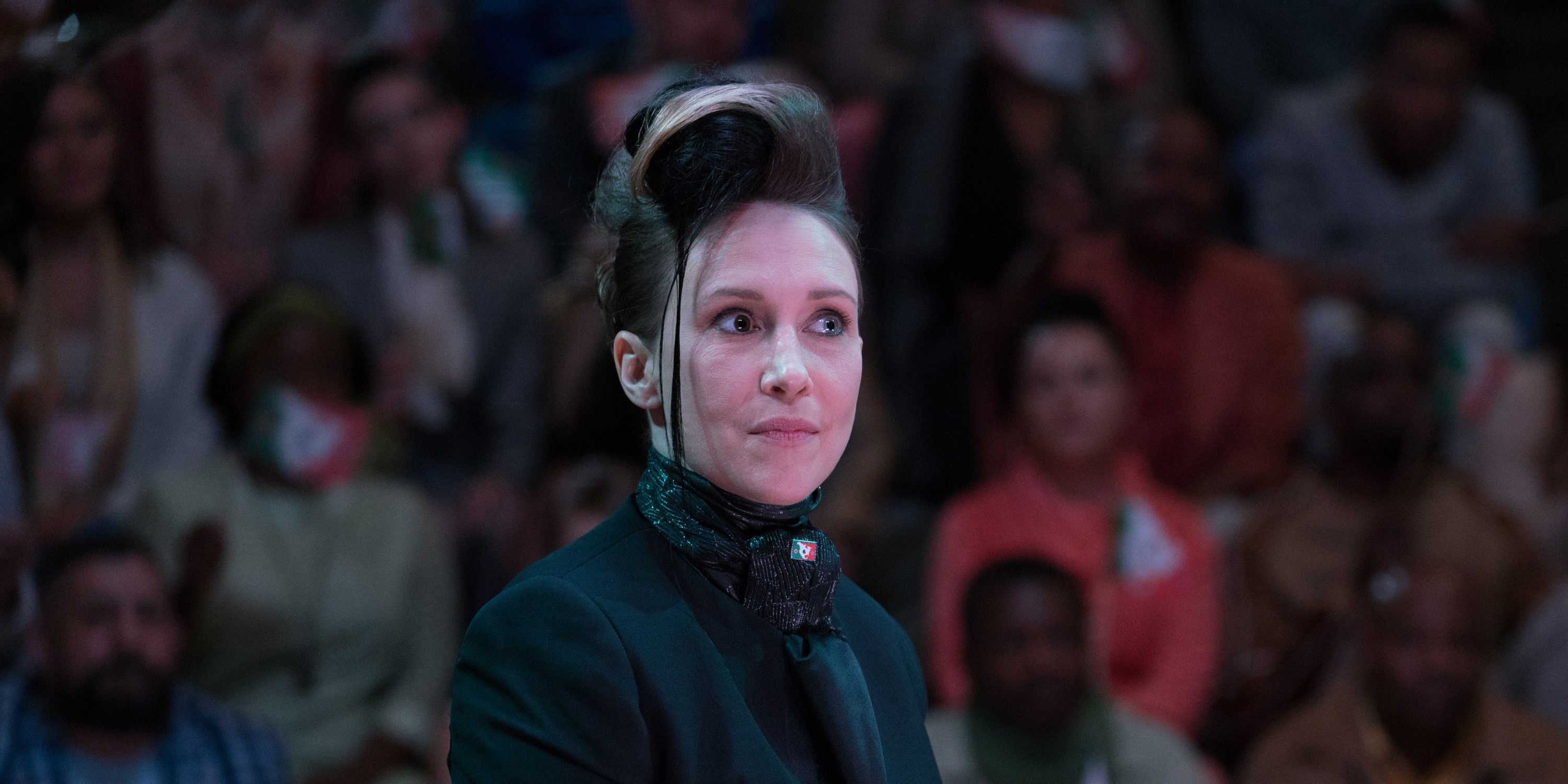
Netflix’s Black Mirror is a thought-provoking series of standalone stories that explore the potential downsides of technology. It’s often compared to Electric Dreams on Amazon Prime Video, which adapts the stories of Philip K. Dick, but Black Mirror focuses on how realistic future technologies could impact society.
Both shows draw inspiration from Philip K. Dick, though one relies on his stories more heavily. However, Electric Dreams generally feels more captivating. If you’ve finished Black Mirror and are looking for something similar, Electric Dreams is definitely worth checking out.
Electric Dreams is a 10-Episode Sci-Fi Anthology Series
Anthology series – shows where each episode tells a completely different story – have become very popular since around 2010. Think of shows like Black Mirror, American Horror Story, and Inside No. 9. Before that, these kinds of shows weren’t as common, as audiences preferred stories with ongoing plots and characters they already knew.
Though shows like Black Mirror and American Horror Story helped bring anthology series back into popularity, they aren’t the only ones. Unfortunately, Prime Video’s new series hasn’t resonated with many sci-fi fans, even those who typically enjoy the genre.
Philip K. Dick’s Electric Dreams, or simply Electric Dreams, is a TV series with 10 separate episodes. Each episode adapts a different story by the author Philip K. Dick, who was incredibly prolific, writing over 40 novels and 120 short stories. His work commonly dealt with big ideas like what is real, the dangers of control, what we expect from society, artificial intelligence, and what it means to be human. He often used science fiction and futuristic technology to explore these themes and drive the plots of his stories.
Philip K. Dick’s stories have inspired numerous adaptations, including classics like Blade Runner and Minority Report. Because his work has had such a lasting impact on science fiction, critics and fans still discuss his ideas today. It’s therefore not surprising that Black Mirror is often compared to Dick’s writing, as the show explores similar themes, even if it wasn’t directly based on his work.
The TV series Electric Dreams draws heavily from the work of sci-fi author Philip K. Dick. Nine of its ten episodes are adapted from his short stories, with one episode, “Autofac,” based on a longer story. Each episode is around 50 minutes long, allowing for a complete exploration of Dick’s well-known tales.
It is the themes and the writer of the source material that connect each episode together.
Electric Dreams is a Better Example of the Storytelling Philip K. Dick Was Known For
Many consider Black Mirror to be the defining sci-fi anthology series of today, blending imaginative stories with familiar science fiction themes. It’s often used as the standard by which other shows are judged, and the praise it receives is well-earned. Black Mirror is truly exceptional, prompting viewers to think deeply and leaving a lasting impression.
As a huge fan of sci-fi, I’ve noticed a real shift in how people react to Black Mirror. The first few seasons were groundbreaking – seriously, those episodes stuck with you. Everyone still talks about the pig episode, and I still get chills thinking about the twist in “Shut Up and Dance” from Season 3. It’s been years, and it still haunts me! Lately, though, it feels like audiences are much more divided on whether the newer episodes hit that same impactful mark.
What these stories share is a focus on relatable anxieties and how they impact people. They explore complex philosophical ideas without easy answers, acknowledging the messy nature of humanity and the gray areas we all inhabit. This allows viewers to surprisingly empathize with, and even support, characters who might normally be considered villains.
These episodes continue to explore technology and its effects on our world, but they aren’t about being afraid of technology itself. Instead, they show how technology can introduce us to new perspectives and experiences, causing us to question our understanding of reality, morality, and how easily anxieties can escalate.
Sadly, many of the original, important themes have been lost over time. Viewers seem to have forgotten that the heart of thought-provoking science fiction is exploring what it means to be human, reflecting on reality, and commenting on our society. Recent episodes, however, often prioritize flashy technology simply for its shock value. The show now frequently uses advanced, but plausible, technology to frighten audiences, rather than focusing on the deeper philosophical ideas that were central to the work of Philip K. Dick.
Compared to Black Mirror, Electric Dreams is a more accurate reflection of the kind of thought-provoking science fiction Philip K. Dick often wrote. This doesn’t mean it’s a better show, but it takes a more subtle and understated approach to storytelling. Electric Dreams centers on strong character development and uses sci-fi concepts to explore human stories, rather than driving the plot itself.
Electric Dreams’ First Episode is a Great Example of Philip K. Dick’s Work
Instead of focusing on the surprising ways technology and events change the world, Electric Dreams delves into how those changes affect people. Each episode examines ideas like fear, what’s right and wrong, and how those concepts vary between individuals, ultimately showing how experiences can alter our understanding of ourselves. The first episode, “The Hood Maker,” illustrates this by telling the story of a society where people with telepathy are common, but face prejudice because of their powers.
This episode focuses on the harsh way telepaths are treated, particularly Honor, a telepath brought in to help the police find a criminal called the Hood Maker. It also explores why people generally feel uneasy around telepaths, given their ability to read minds and potentially misuse private thoughts.
This episode examines a conflict where both sides have understandable motivations, but their interactions are problematic. The telepaths aren’t at fault for their abilities, but simply having those abilities means they’re violating personal boundaries. We also see how Honor relies on mind-reading to determine truth, which raises questions about what’s real and what’s perceived, and creates a natural sense of paranoia when dealing with powers beyond our understanding.
Unlike many science fiction stories that aim for big thrills and shocking moments, Electric Dreams takes a more thoughtful and literary path. It doesn’t prioritize scaring viewers, but instead encourages them to think and interpret the stories for themselves. Philip K. Dick’s work has inspired countless films and TV shows over the years, and his core ideas still resonate within the sci-fi genre. However, Hollywood often gets Dick’s stories wrong, but Electric Dreams stands out as one of the most accurate adaptations ever made.
Found an error? Send it so it can be corrected.
Read More
- Game Of Thrones Star’s New Sci-Fi Movie Changes The Rules Of A Popular Genre
- Доллар обгонит лев? Эксперты раскрыли неожиданный сценарий
- Daredevil: Born Again Season 2 Shows Surprising Rule to Kingpin & Matt Murdock Rivalry
- Cult Classic Sci-Fi Series That Completely Changed TV 67 Years Ago Officially Returns With Quiet Streaming Takeover
- The Arrowverse Beat Out DC’s Animated Movie Universe In 1 Big Way
- HBO’s New Harry Potter Episode Is Officially A Top Streaming Hit 8 Months Before TV Series’ Release
- The 21st Century’s Best Sci-Fi Series Did What Most TV Shows Wouldn’t Dare
- Apple TV’s ‘Criminal Record’ Season 2 Gets Release Date and First Look
- There’s Officially 2 Weeks Left Until Prime Video Changes Forever
- ‘Harry Potter’ First Look Images Showcase Severus Snape, Dumbledore & More Characters
2026-02-22 01:11