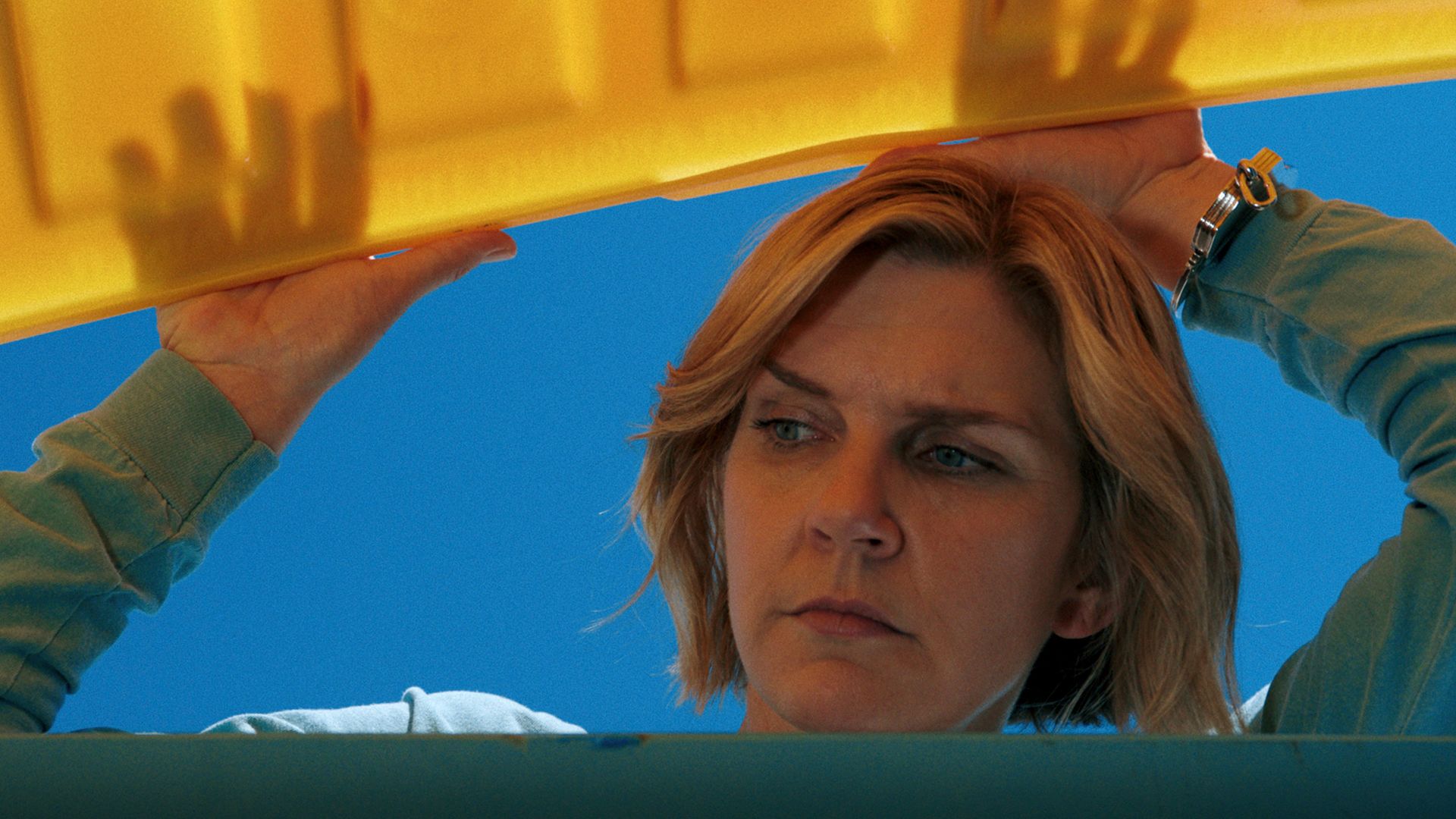
Be warned, this discusses major plot points from Pluribus Season 1, Episode 6, “HDP.” The episode dramatically changes the show’s story with two big reveals about the Joining, a concept that previously seemed straightforward. After “HDP,” the Joining is viewed in a completely new light, which is thrilling but makes it harder to guess where the Apple TV show is headed. So far, Rhea Seehorn’s character, Carol Sturka, has been the show’s central, solitary figure, but “HDP” even casts doubt on her role in the larger story. This shift isn’t negative, just a surprising development.
The season one finale of Pluribus, titled “Got Milk,” hinted at a shocking twist similar to the plot of the classic sci-fi film Soylent Green. That movie famously reveals humanity is secretly consuming people to survive. Pluribus confirms the “Joining” group does obtain “Human-Derived Protein” from the deceased to sustain the Others, but importantly, the show doesn’t portray them as villains for doing so.
“HDP” Frames the Joining’s Cannibalism in a Surprisingly Innocent Way
John Cena’s Video Presentation Is Oddly Wholesome

Apple TV
From the start, the story established that the Others weren’t simply villains, despite the fact that the Joining fundamentally changed the world. Instead, Earth is now held in a strangely peaceful state, connected by a shared sense of calm and psychic connection. Carol has been searching for proof that the Joining is something to be feared, not desired. She initially believed she’d found this evidence while investigating in “Got Milk,” when she discovered a warehouse filled with frozen and dismembered bodies.
From the start, the Joining have made it clear they value all life and won’t intentionally cause any living thing to die. This means they don’t kill animals for food, but they will eat animals that have died naturally or were already dead when the Joining began. Interestingly, this principle extends beyond animals to plants as well. Like with animal products, they’re okay with eating previously stored food or anything that becomes naturally available – such as fruit falling from a tree.
In a surprising appearance, John Cena—playing a version of himself who has become part of the Others—explains that the Others couldn’t initially produce enough food on their own. That’s why they began recycling the bodies of deceased humans into what they call HDP, mixing it with other ingredients to create a “milk” that sustains them. Cena emphasizes to Carol that the Others don’t want to eat people, but it became necessary to prevent widespread starvation. Essentially, the Others’ cannibalism isn’t driven by any sinister pleasure, but rather by a desperate need to survive, stemming from their oddly selfless, collective thinking.
‘Pluribus’ Episode 6 Also Removes Any Risk of Carol Being Brought Into the Joining Against Her Will
Carol Refuses To Give Consent for an Invasive Medical Procedure
Apple TV
Even before the shocking reveal about cannibalism in Pluribus at the end of “Got Milk,” the Apple TV+ show established a reason for Carol to be afraid of the Joining. In the very first episode, a figure on her TV told her they were trying to understand why Seehorn’s character hadn’t been included in the Joining with everyone else, and that they were working to fix it. However, Carol consistently wanted to avoid being part of the Joining. Despite this, the fact that the Others have been secretly trying to bring her in has been a constant source of worry for her throughout the series.
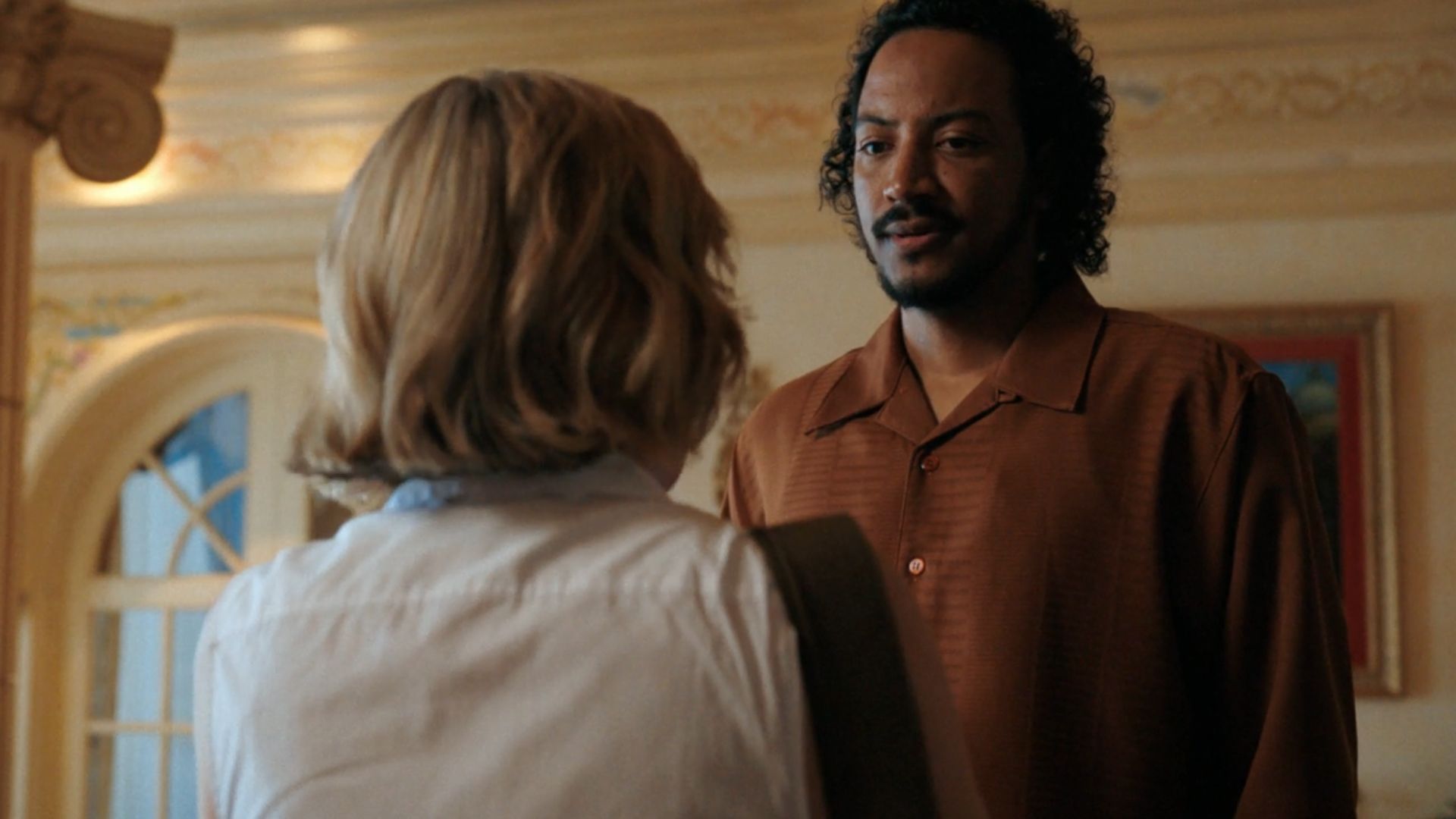
In “HDP,” while visiting Las Vegas, Carol learns from Mr. Diabaté that the Joining has found a way for the last thirteen people to become Others, but it requires a risky procedure involving stem cells – one they can’t perform without consent. Carol immediately tells the Others she won’t allow them to carry out this procedure on her, even if it would make her one of them. Surprisingly, they instantly accept and respect her decision. This response suggests the Others aren’t the villains Carol thinks they are, as true villains wouldn’t respect her wishes and would likely force the procedure on her.
Although it might seem negative that the Others didn’t inform Carol about their findings, it actually makes logical sense given their current dynamic and core principles. They’re still frustrated that Carol nearly harmed Zosia while questioning her about undoing the Joining, and haven’t spoken to her directly since. Furthermore, the Others already know how Carol feels about the Joining, so asking her permission for the stem cell treatment likely seemed unnecessary – especially since they hadn’t met with her in person to discuss it.
“HDP” Makes It Even Harder To See How the Others Can Become a Threat
The Only Character Who Is Close to an Identifiable Villain Is Carol

Apple TV
While the Joining seems a bit unsettling, the Others currently don’t seem dangerous at all. They simply want everyone to be well-fed and content, which are positive aims. The show hints at darker twists that could make the Others seem villainous, as Carol expects, but then clarifies that they are actually a global community of kind, harmless people. Every story needs antagonists, but by the end of the episode, the Others don’t fit that role.
The show Pluribus is subtly portraying Carol as the main obstacle, though it’s done in a way that’s easy to overlook because the story is told from her perspective. If Carol succeeds in undoing the Joining, humanity will return to its flawed past, likely leading to conflict and hardship. While valuing individuality is important, this reversal could bring back wars and famine. Typically, a character causing such widespread disruption would be a clear villain, but Pluribus avoids simple good-versus-evil storylines, which makes it a captivating show. You can stream Pluribus on Apple TV now.
Read More
- Underrated Shudder Horror Movie Becomes Global Streaming Hit After Quiet Theatrical Release
- Millie Bobby Brown Files Harassment Complaint Against David Harbour
- 5 TV Shows Hollywood Will Never Let Die
- THE STRANGERS – CHAPTER 3 (2026) Official Teaser
- ‘Stranger Things’ React to Kali’s Season 5 Return
- 2026 Oscar Contenders: Where to Stream Sinners, Bugonia, Jay Kelly
- How Benedict Differs From Bridgerton’s Other Male Leads, According To Luke Thompson
- Chris Pratt Made A Pitch to Marvel for Star-Lord’s Return
- Xochitl Gomez Joins Boston Blue in Key Role
- Peacock’s Wife Swap Revitalizes The Real Housewives Franchise
2025-12-05 16:23