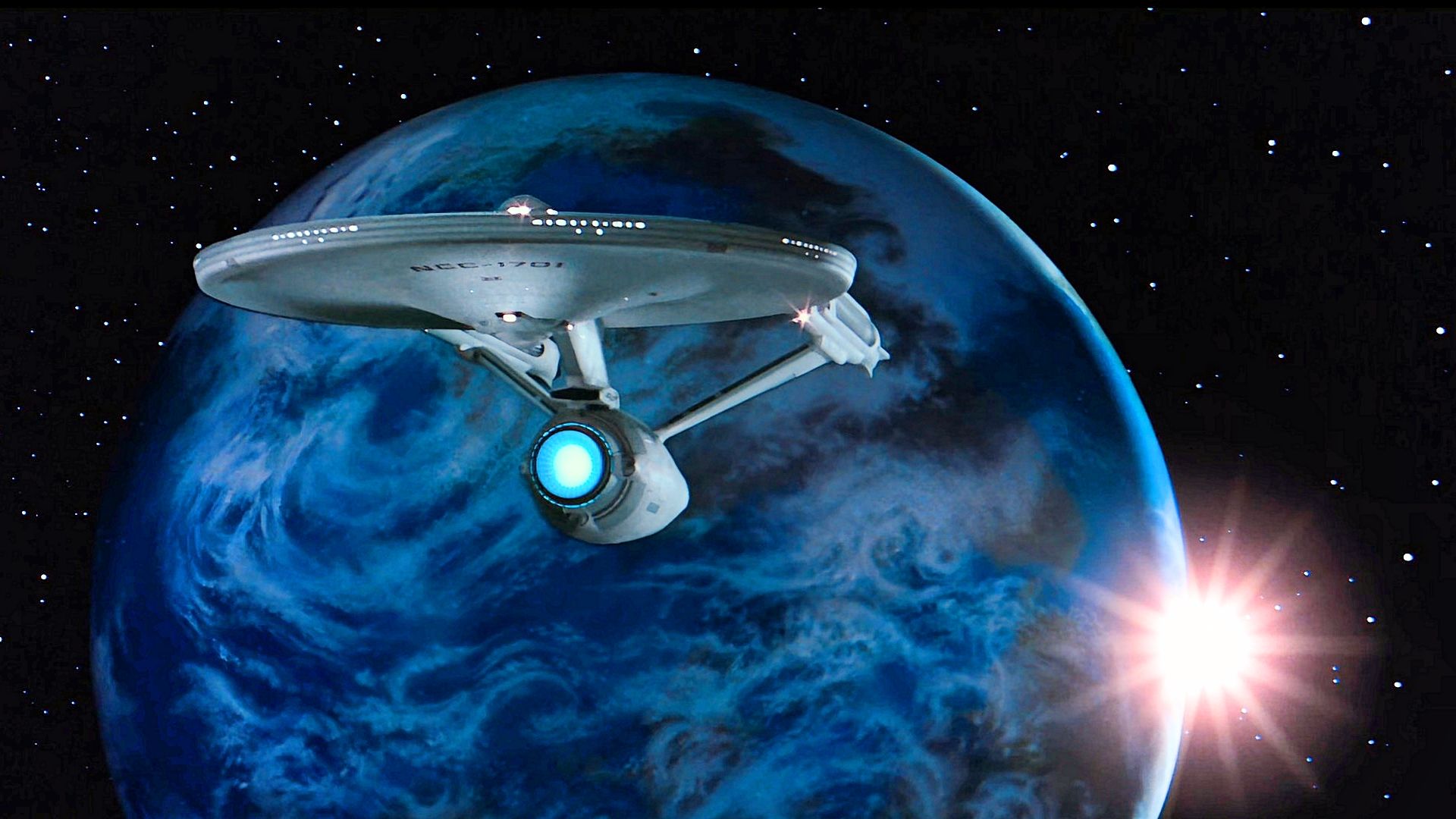
This franchise is a true entertainment icon, with 14 movies and 15 TV shows spanning almost 60 years. Despite facing challenges along the way, it’s remained incredibly popular. Now, Paramount Pictures is planning a complete reboot of the series for the big screen, which could be its most thrilling chapter yet.
At CinemaCon 2026, Paramount announced they’re planning a major overhaul of the Star Trek universe, starting with a completely new movie. This film is expected to be very different from previous Trek installments. While fans will be happy to see Paramount continuing the franchise—a sci-fi favorite for many—this reboot isn’t without potential challenges.
Paramount’s Star Trek Reboot Plans Revealed
The next Star Trek movie from Paramount is currently being developed. Though the studio hasn’t revealed much yet, initial reports offer a glimpse of what viewers might see.
The team behind the movies Game Night and Dungeons & Dragons: Honor Among Thieves, John Francis Daley and Jonathan Goldstein, signed on in November 2025 to write, direct, and produce a new film. This project will be a fresh start for the franchise, completely separate from any previous movies or TV shows, and will feature an entirely new cast. That means familiar faces like Chris Pine, Zachary Quinto, and Zoe Saldaña won’t be involved.
Details about the story and characters for the new Star Trek movie haven’t been revealed yet. While there’s no confirmed release date, Paramount’s CEO, David Ellison, is making it a priority, so it might happen sooner than we think. If everything goes well, we could see the film as early as 2028.
The Star Trek Reboot Will End the Franchise’s Decade-Long Movie Drought
It’s been a decade since the last Star Trek movie, Star Trek Beyond. The delay is largely due to the changes that started with J.J. Abrams’ 2009 Star Trek reboot. That film was a huge success, making $385 million on a $150 million budget and receiving very positive reviews – it still has the highest critic score of any Star Trek movie on Rotten Tomatoes at 94%. But after that initial success, things started to change.
The second film in the rebooted series, Star Trek Into Darkness (2013), broke box office records, earning $467 million globally. However, it was a much more expensive production – costing an estimated $185 to $190 million – and barely made a profit. While still generally well-received, the film received somewhat mixed reactions from critics, with scores of 84% and 89% on Rotten Tomatoes.
When Star Trek Beyond came out in 2016, it cost about $185 million to make, but it earned only $343 million worldwide – the lowest box office total for any film in the recent Star Trek series. This reportedly meant Paramount Pictures lost money on the film, so they were hesitant to start working on Star Trek 4 right away.
Let’s be honest, the Star Trek movies were starting to lose steam, and Paramount knew it. They began looking for fresh ideas, and over the last ten years, we heard whispers of potential new films from directors like S.J. Clarkson, Noah Hawley, and Matt Shakman. There was even talk of a tenth Star Trek movie that could have been a real career capstone for someone, but sadly, it just never materialized.
These films were all intended to expand the story established in the recent Star Trek movies, either by continuing the existing timeline or exploring new stories within that universe. One idea would have brought Chris Hemsworth and Chris Pine together on screen, showing their characters meeting through time travel. Another project was potentially going to feature Data from Star Trek: The Next Generation, and a film from the director of Andor was also being considered. Unfortunately, none of these plans moved forward, making Paramount’s new reboot the first Star Trek film in development in over ten years.
The Star Trek Reboot Is a Risky Affair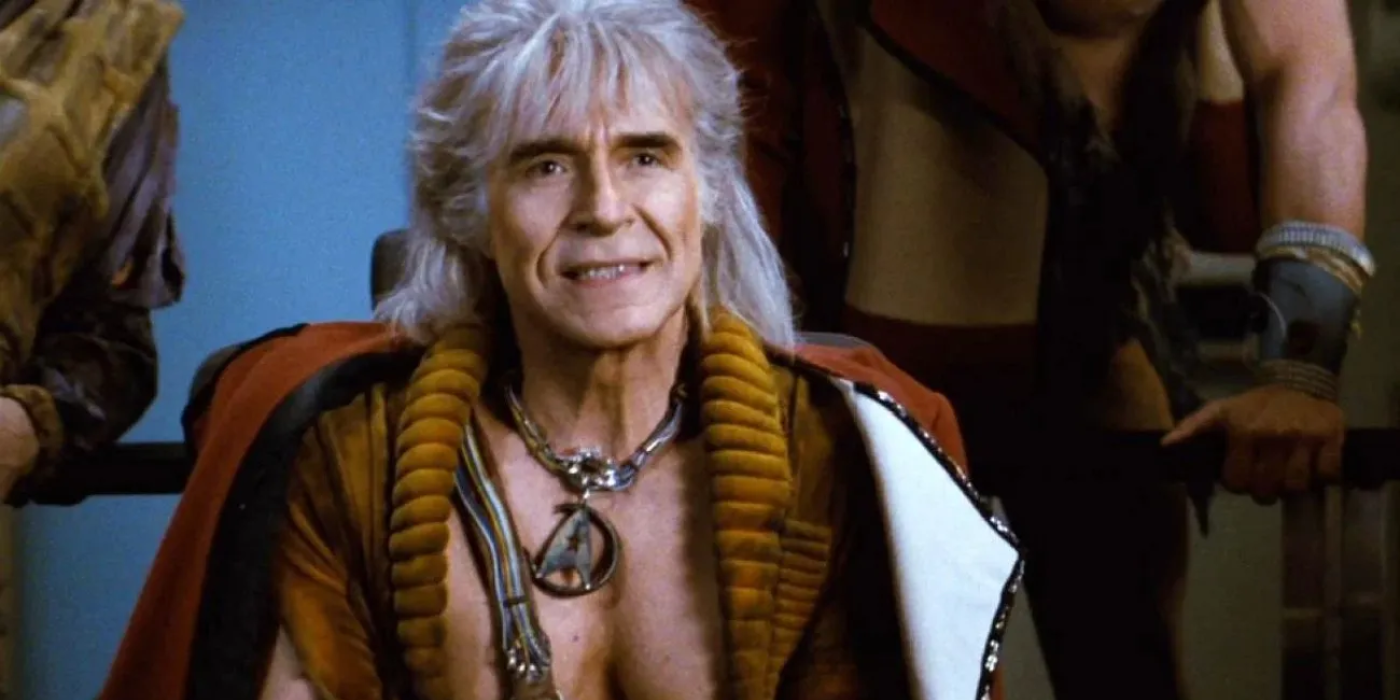
In 1979, Star Trek: The Motion Picture brought the popular series to the big screen. The film followed Captain Kirk, played by William Shatner, and the crew of the USS Enterprise as they attempted to stop a massive energy cloud from reaching Earth. Although the movie made $139 million worldwide on a $44 million budget, it initially received mostly negative reviews and still has a relatively low audience score of 42% on Rotten Tomatoes.
Many fans don’t like Star Trek: The Motion Picture largely because it’s so different from The Original Series. The movie kept the same actors, but traded the exciting, action-packed feel of the TV show for a slower, more visually impressive experience, similar to 2001: A Space Odyssey. While that approach works well in some science fiction films, it doesn’t fit a series known for its thoughtful ideas and quick pace.
Many fans consider Star Trek II: The Wrath of Khan to be the best film in the series. Its success stemmed from building on the classic TOS episode “Space Seed” (Season 1, Episode 22), which first introduced the character of Khan—a genetically engineered superhuman—and showed his banishment to the planet Ceti Alpha V. Wrath of Khan continued this story, depicting Khan’s return and his desire for revenge against Captain Kirk, whom he blamed for his exile.
It’s common for TV shows adapted into movies to start over with new casts and storylines. Usually, only a few key ideas from the original series make it into the film. What makes The Wrath of Khan special is that you don’t need to have seen the original episode featuring the villain to enjoy the movie, but the connection to that earlier story still adds depth and meaning.
The new Star Trek movie faces the challenge of maintaining the rich history built over decades. Because it’s a complete reboot with a new cast and storyline, separate from both the TV shows and previous movies, it risks losing that connection. The Wrath of Khan successfully bridged the gap between longtime fans – who appreciated its ties to the original Star Trek series – and new viewers, encouraging everyone to explore the franchise’s roots.
The original Star Trek films, and the later attempt to create a new timeline with the Kelvin Timeline, showed a pattern of success followed by diminishing returns. The films featuring the crew of The Next Generation largely followed this same path, enjoying success until Nemesis. These movies continued the storylines from the TV series; Generations connected the original series era with the return of Captain Kirk, First Contact directly followed Picard’s experience with the Borg in a memorable TV episode, and Insurrection felt like a particularly in-depth episode, exploring meaningful ideas.
The new Star Trek movie from Paramount has the potential to breathe fresh life into the series, but it also faces some challenges. Because it’s starting with a completely new crew and storyline, there’s a chance it could feel disconnected from previous films, disappointing dedicated fans. It also risks feeling like just another science fiction film if it doesn’t clearly connect to what Star Trek represents. Only time will tell if the reboot avoids these pitfalls, and hopefully upcoming news will give fans more confidence.
2026-07-19 22:38