The Teenage Mutant Ninja Turtles Go Back to Basics in a Preview of a New Era
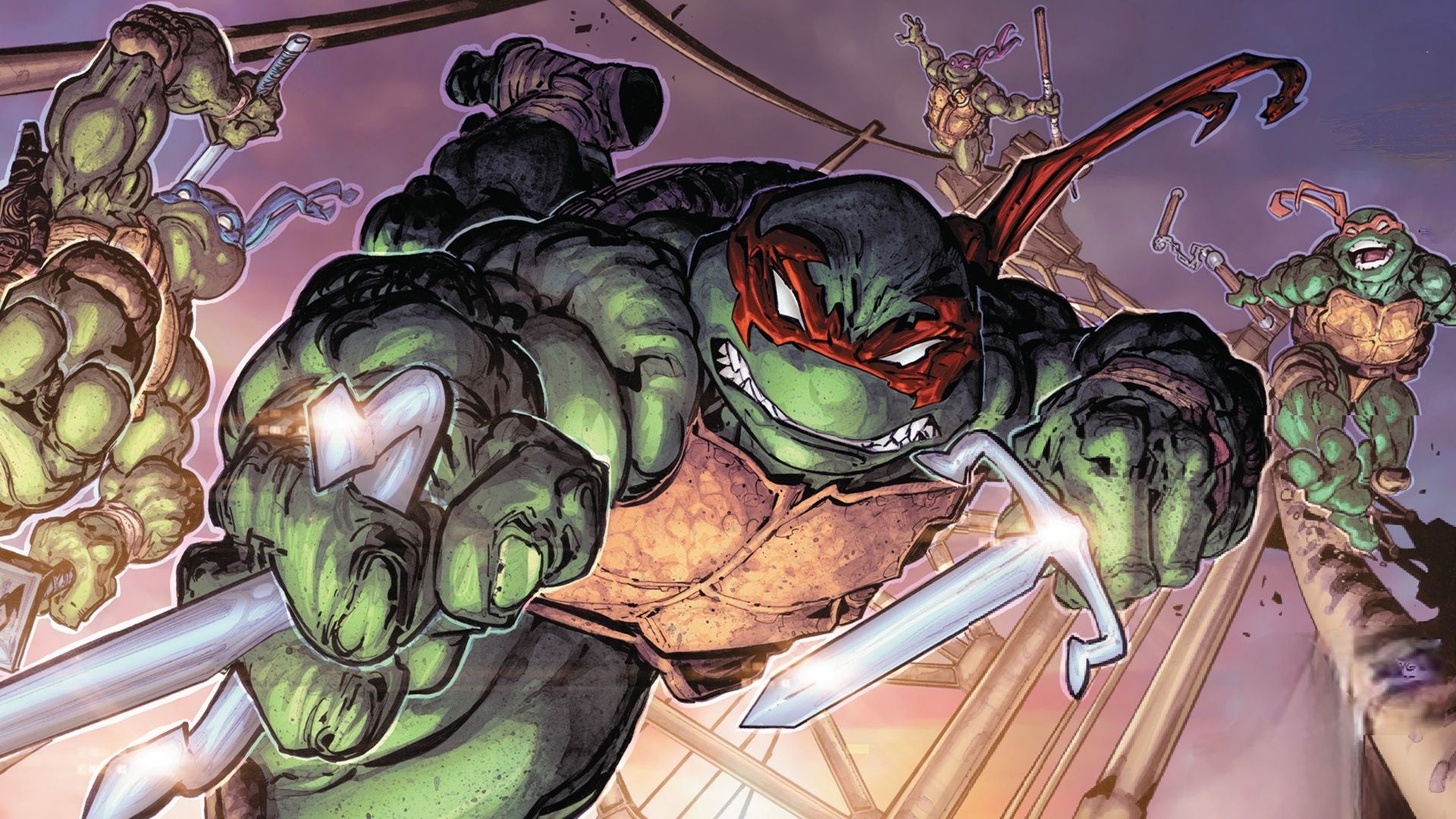
Get ready for a fresh start with the Teenage Mutant Ninja Turtles! Award-winning writer Gene Luen Yang (known for works like American Born Chinese and Avatar: The Last Airbender) is now writing the adventures of the Turtles! After the dramatic events in issue #12, the Turtles find themselves in a New York City that sees them as heroes. But their celebration won’t last long, as new villains emerge to challenge them. Papa Beng, a mutant yak, is trying to expand his gang’s influence, unaware that a dangerous new assassin named Ujigami is watching him and other TMNT enemies!