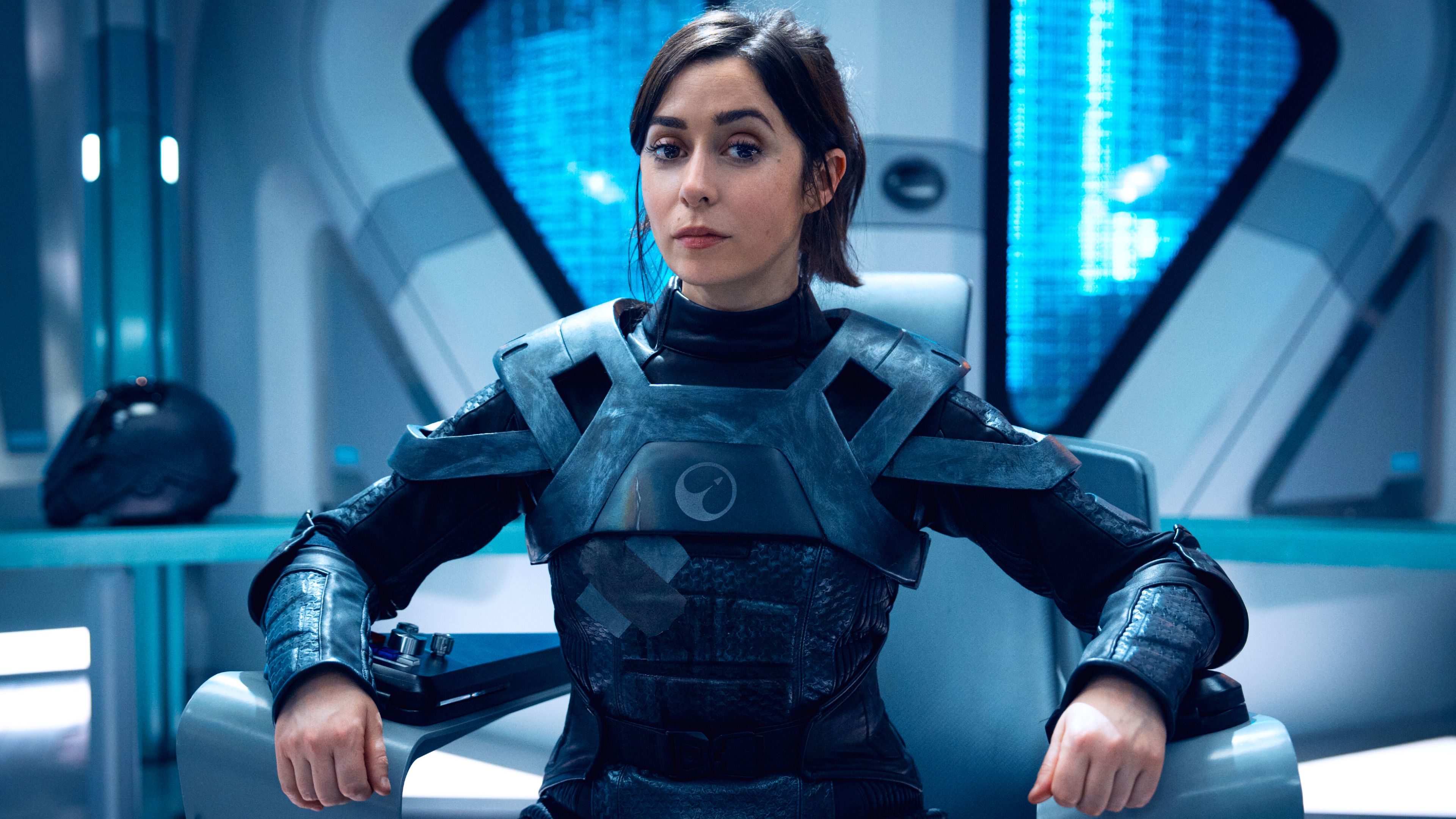
While Black Mirror initially gained huge popularity, the show now faces a challenge common to sci-fi anthologies, which could change what it offers in the future. Though many excellent, lesser-known anthology series exist, Black Mirror is still considered the benchmark for quality in the genre.
Even though a few episodes aren’t as strong, Black Mirror is still one of the best sci-fi shows out there, and rightfully so. The series is a brilliant, unsettling look at how humans use and are affected by new technology, offering insightful and often eerily accurate commentary on our future.
Even the strongest episodes of Black Mirror can’t solve a growing problem for the show and other science fiction series. As technology advances and often surpasses what was once considered futuristic, it’s becoming unclear where shows like this one can go next to remain innovative and compelling.
Black Mirror Was Meant To Be A Cautionary Tale
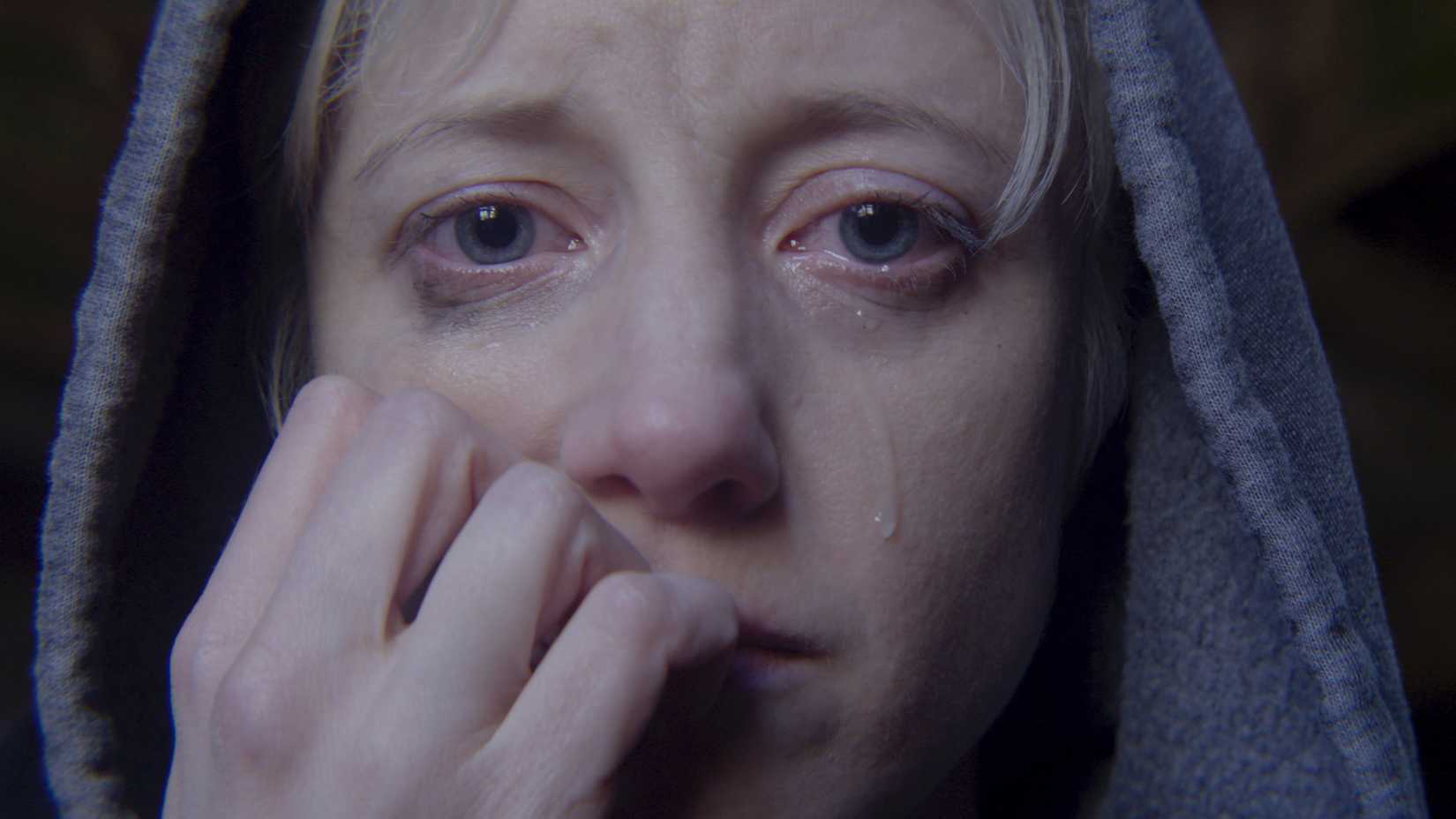
When Black Mirror first aired on Channel 4 in 2011, it was meant as a darkly humorous warning about how technology, when used poorly, could bring out the worst in people. Many of the show’s strongest episodes continued to explore this idea throughout its run.
The show featured futuristic technologies that didn’t exist yet, such as implants to record memories and a way to block people in real life, along with detailed virtual reality worlds. Black Mirror often surprised viewers by first showing the appealing side of these inventions, then revealing their potential downsides.
Often, by the end of an episode, viewers felt disappointed and no longer wanted the amazing products or new technologies that had seemed so promising at the beginning. However, the show wasn’t always negative – some episodes highlighted how technology could actually improve people’s lives.
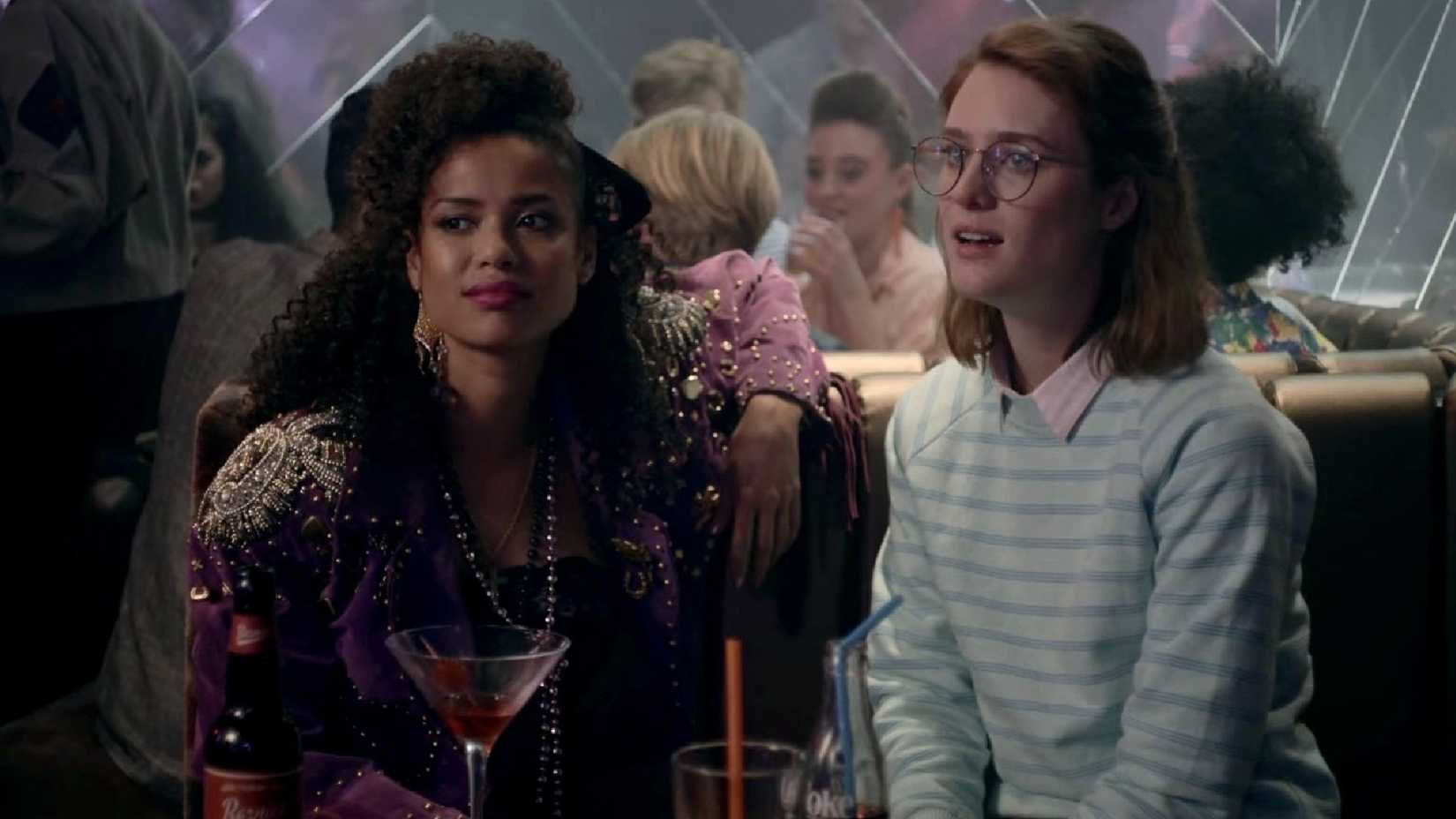
One of the most hopeful examples of this can be found in the Black Mirror episode “San Junipero,” a surprisingly positive story where new technology actually connects people instead of isolating them. Episodes like this kept the Netflix series fresh and unexpected, though ironically, real life turned out to be even more unpredictable than the show’s writers could have imagined.
Technology Is Advancing Faster Than We Can Predict
 Image courtesy of Everett Collection
Technology has been changing so quickly lately that it’s exceeding even the wildest predictions of science fiction. Developments in areas like artificial intelligence and biotechnology are happening at a pace that even surpasses the futuristic scenarios seen in shows like Black Mirror.
This might be a problem for Black Mirror, since the show often predicts technologies that quickly become real. Possibly because of this, the latest season’s episode, “Demon 79,” tried a different approach with supernatural horror instead of its usual science fiction. While the goal was to expand the show’s scope, it didn’t really work out.
The episode “Demon 79” wasn’t a hit with audiences or critics, though some, including myself, felt it was better than it was given credit for. Because of this, the seventh season went back to focusing on more traditional science fiction stories, which highlighted how quickly the line between what we imagine and what we can actually observe in science is disappearing.
Black Mirror Will Have To Reinvent Itself
For Black Mirror to remain impactful, it needs to stay current with new technologies and weave real-world advancements into its stories. While the show’s seventh season made a good attempt at this, the speed of scientific progress presents a challenge: staying ahead of the curve is difficult when technology is constantly evolving.
Black Mirror needs to strike a balance: it shouldn’t invent far-fetched, unbelievable sci-fi situations just to seem clever, because those stories won’t connect with viewers as strongly. But the show also can’t shy away from exploring new technology, or it risks feeling outdated compared to what’s actually happening in the world.
Science Fiction Still Matters
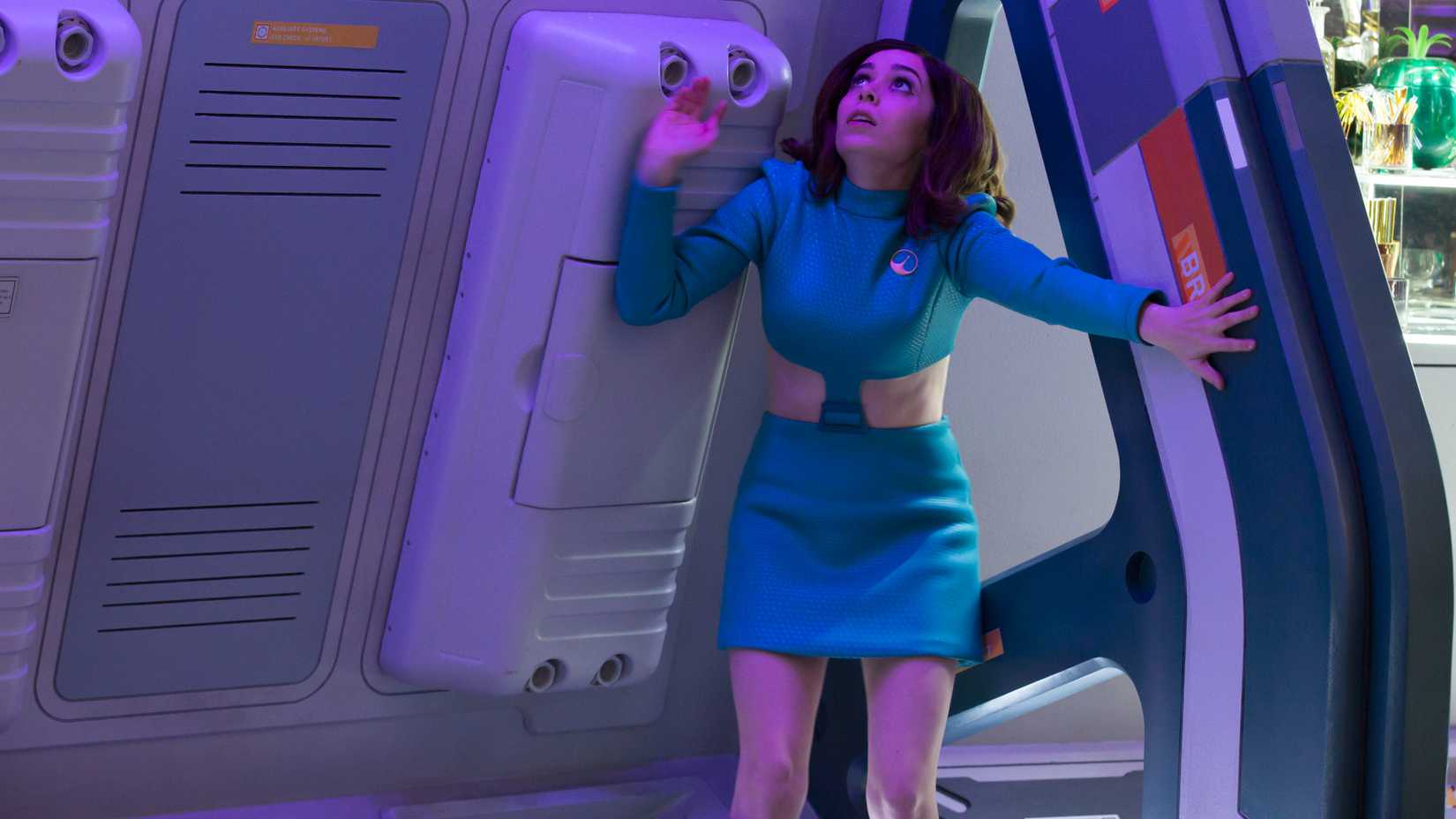
The number of cyberpunk TV shows planned for 2026 proves that people still love science fiction. Viewers are drawn to shows that envision possible futures and explore how new technologies might change the way we live.
However, shows like Black Mirror definitely have a difficult job in today’s world. It’s hard for anyone to follow all the new scientific advancements, and Black Mirror has to not only grasp those advancements and what they mean, but also anticipate what’s coming next. It’s a truly challenging feat.
Luckily, Black Mirror has consistently shown it can strike a thoughtful balance. It does this by either portraying technology in a relatable way, as seen in episodes like “Hang the DJ,” or by telling disturbing stories that don’t even need futuristic tech, like in “Shut Up and Dance.”
Mirror has always offered a critical look at our society’s reliance on technology, and it’s poised to keep doing so in the future.
Read More
- Five Nights At Freddy’s 2 Review: The Video Game Movie Sequel Limbos Under The Low Bar Set By The First Film
- ‘And Then The Chesty One Comes In.’ SNL’s Cut For Time Sketch Hilariously Reimagined Sydney Sweeney And Zendaya’s Euphoria
- Прогноз криптовалюты BNB: прогнозы цены BNB
- Black Phone 2 Ending & Grabber’s Fate Explained
- Прогноз криптовалюты USD1: прогнозы цены USD1
- President Trump Threatens Tariffs on Foreign-Made Films
- ‘I Think We’re In Trouble’: Miles Teller Gets Real About Fantastic Four Flopping (And Who Is Responsible)
- Why Hopper Doesn’t Trust Kali in Stranger Things Season 5
- Pokémon Legends Johto Leak Leaves Gamers Torn
- Пермэнергосбыт акции прогноз. Цена акций PMSB
2026-03-02 22:59