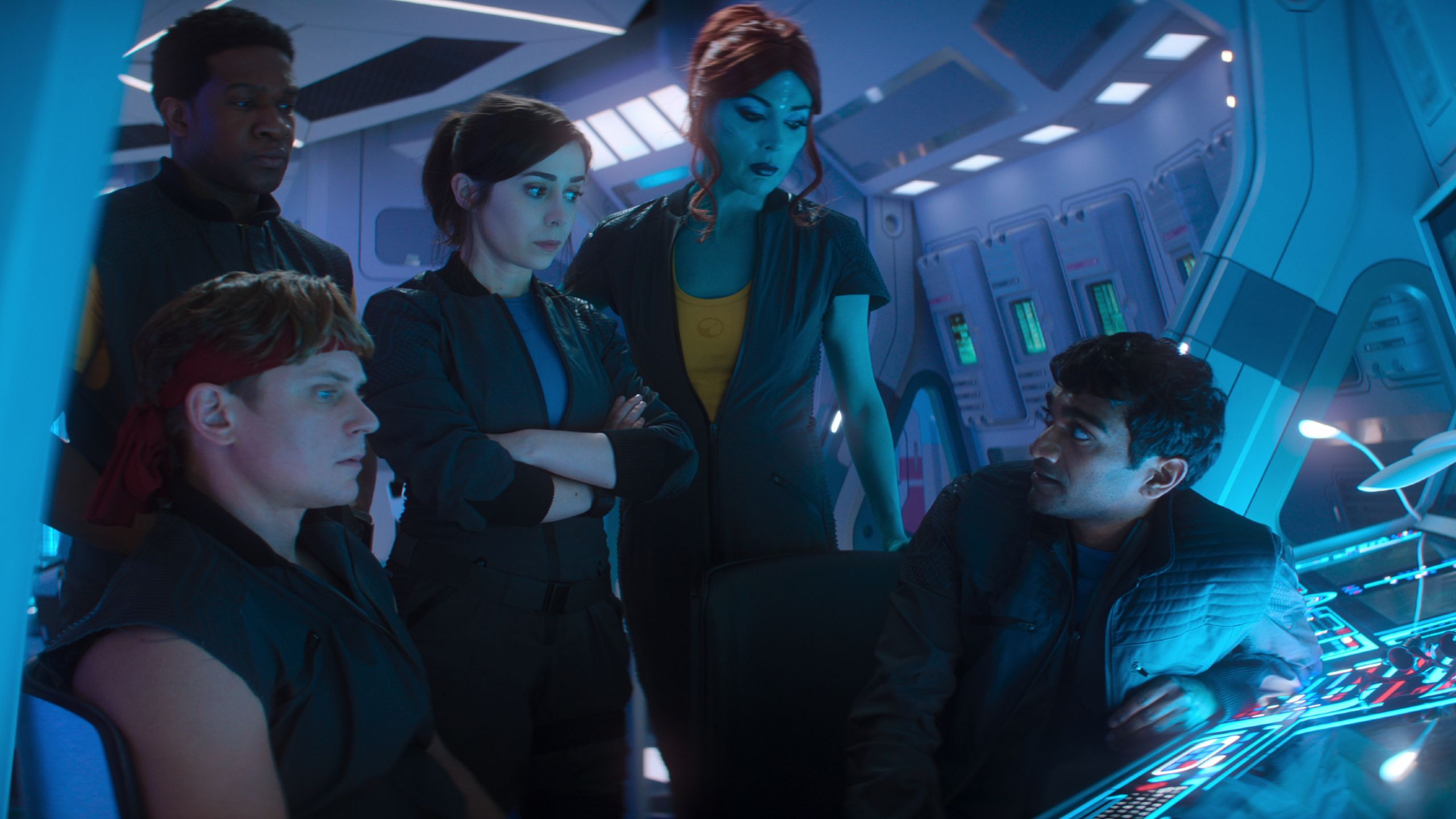
Black Mirror was a huge hit for Netflix and really changed the game for science fiction anthology series. These types of shows used to feel outdated and limited, but Black Mirror made them feel current, exciting, and incredibly popular. Still, when it comes to the sheer variety of stories it can tell, Love, Death & Robots surpasses it.
Love, Death & Robots is a science fiction anthology series with four volumes, featuring short episodes created by different animators and writers. While Black Mirror often explores dark, futuristic themes centered around technology, Love, Death & Robots is much more diverse. It jumps between genres like horror, comedy, and fantasy, and isn’t afraid to drastically change its style and tone from one episode to the next. Each episode stands on its own, without needing to fit a specific overall message or feeling.
Since its 2019 debut, Love, Death & Robots has redefined what an anthology series can be, going further than Black Mirror ever has. While Black Mirror provides insightful warnings about technology, Love, Death & Robots explores science fiction with incredible freedom and imagination. In terms of storytelling possibilities, it surpasses even the series that paved the way.
Love, Death & Robots Has Total Thematic Freedom
No Central Message Means Unlimited Story Possibilities
Science fiction anthologies often succeed by offering a mix of stories, though usually within a specific focus. While episodes may vary in plot, characters, and setting, they’re typically connected by a central idea. This shared theme gives the show a clear identity, but it can also restrict the kinds of stories that are told, as episodes tend to stay within those established boundaries.
The TV show Black Mirror consistently explores a central worry: the potential downsides of technology and the price we pay for advancement. While the plots and settings vary, the underlying theme stays consistent. Audiences generally anticipate a story that creates unease by focusing on the darker aspects of modern life, such as digital technology, constant monitoring, artificial intelligence, or societal systems taken to their limits.
Many science fiction anthology series follow a similar formula. For instance, Amazon Prime’s Secret Level is entirely centered around video games, with each story connected to interactive worlds and gaming culture. Even the groundbreaking The Twilight Zone largely focused on exploring deep anxieties through moral stories where reality bends and our understanding of it is challenged. Ultimately, each show has its own unique way of looking at things.
Unlike some shows, Love, Death & Robots doesn’t follow a consistent formula. It doesn’t have a unifying message, overall theme, or clear creative vision. Each episode is completely different – one might be a dark war story, another a silly comedy, and yet another a thoughtful look at the universe. The mood, style, and purpose change with every installment.
The show’s title is deliberately misleading. You shouldn’t expect every story to be about love, death, or even robots! It hints at certain themes, but then cheerfully throws those expectations out the window. This playful subversion of what you anticipate is actually what makes Love, Death & Robots so good – it’s best to go in with an open mind.
The show isn’t tied to any single message, which is incredibly freeing. The creators of each Love, Death & Robots episode can pursue the most compelling idea, no matter how unusual or personal. This allows for a lot of variety and prevents the show from becoming stale or predictable, ensuring there’s always something fresh and new.
Because it’s a show with self-contained episodes, this flexibility is incredibly valuable. Without needing to focus on one overarching story, LD+R can explore all sorts of ideas. Science fiction serves as a starting point, not a limitation, which gives the series lasting appeal and keeps it feeling fresh.
There’s Nothing Too Weird For Love, Death & Robots
If An Idea Sounds Impossible, The Show Makes It Work
Science fiction anthology series frequently explore unusual ideas, but often stay within familiar boundaries. Popular streaming shows, like Black Mirror, sometimes prioritize a polished, widely-liked style, which can unintentionally hold back truly groundbreaking stories.
Unlike many shows, Love, Death & Robots actively seeks out ideas that seem impossible or absurd. A perfect example is the episode “When the Yogurt Took Over,” which features intelligent yogurt taking control of the world. What sounds like a joke actually becomes a clever and insightful piece of science fiction with a satirical edge.
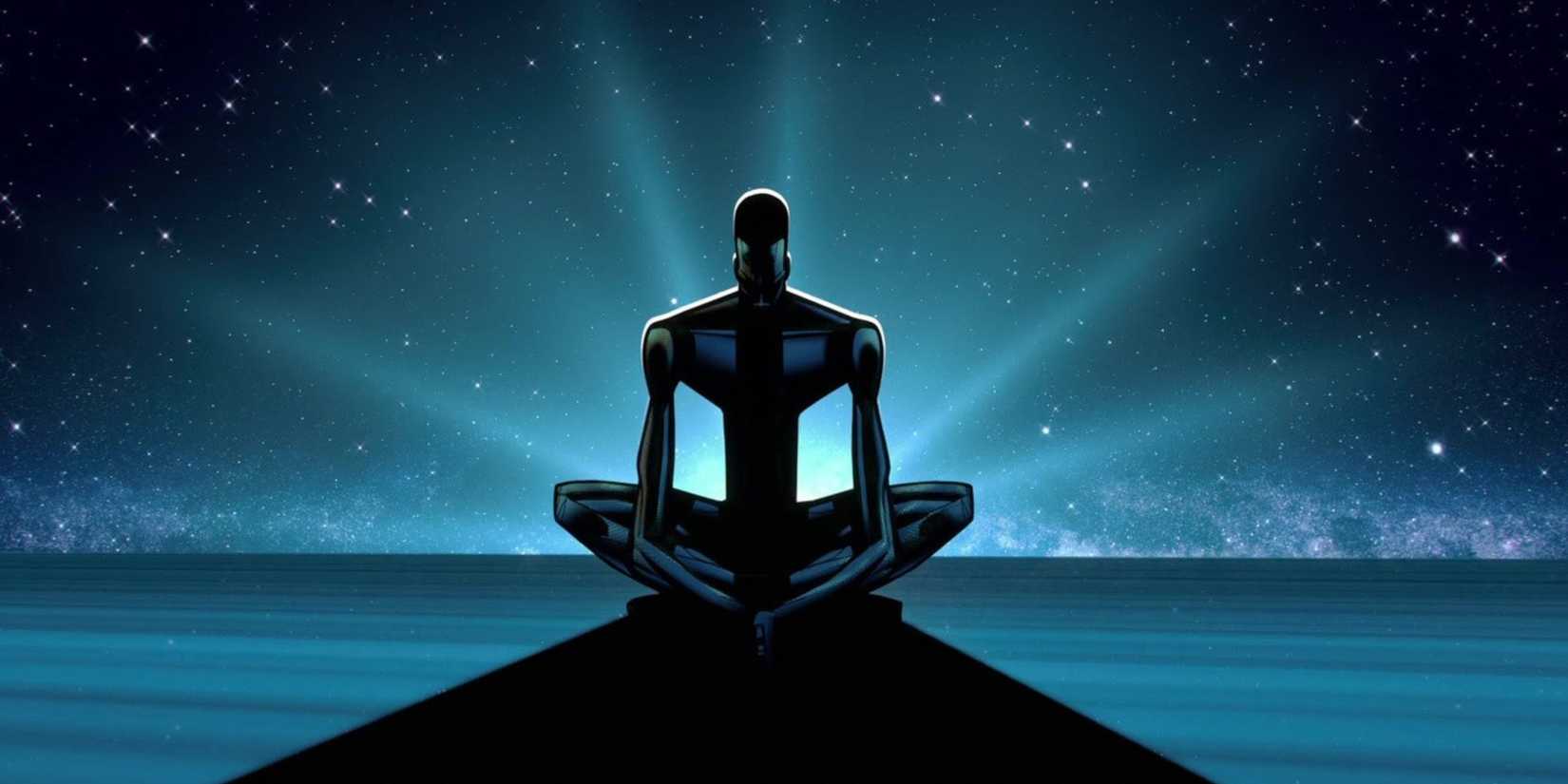
“Zima Blue” tells the story of a pool-cleaning robot who unexpectedly becomes a famous artist, searching for the meaning of life through color and memories. The episode is thoughtful, explores big ideas, and feels deeply emotional. It’s rare for a show to attempt something so simple and inward-looking, but it ultimately creates a truly memorable experience.
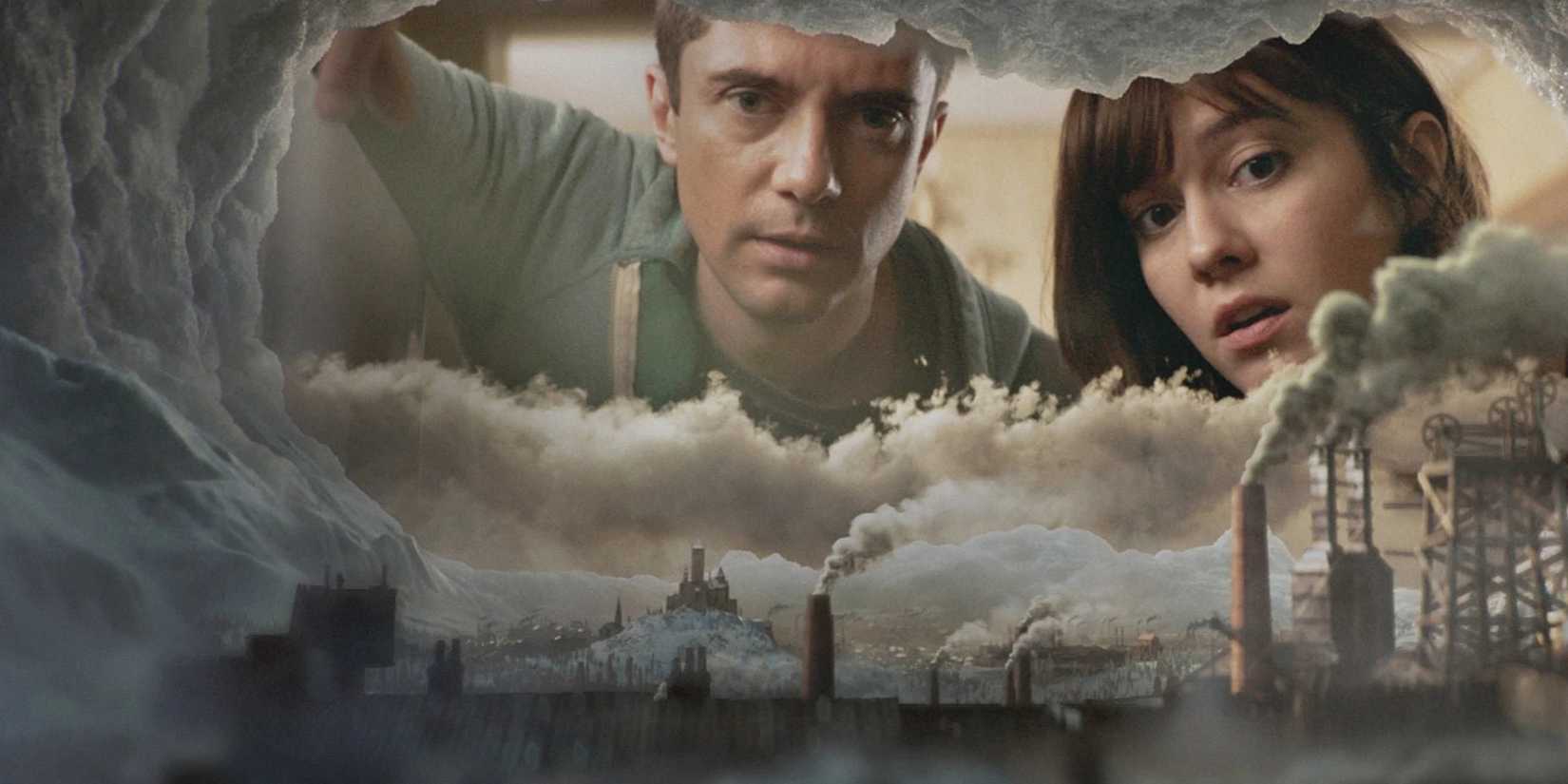
One particularly striking example of how strange LD+R can be is the story “Ice Age.” It imagines an entire civilization existing inside a couple’s refrigerator freezer, where thousands of years unfold in just minutes as miniature societies flourish and fail. This creates a fascinating contrast between everyday life and the vastness of time. It’s a creative and imaginative story that makes the unbelievable feel both believable and surprisingly human.
What makes Love, Death & Robots so unique is its willingness to take risks. The show effortlessly blends different styles and genres—horror can quickly turn into comedy, grand space adventures can become intimate dramas, and even shocking violence can be paired with gentle moments. It embraces stories that might be considered too unusual, obscure, or mismatched for other shows.
What makes LD+R so unique isn’t simply its strangeness. Each episode fully embraces its core idea, making even the most bizarre events feel emotionally resonant or thematically meaningful. This isn’t chaotic randomness; it’s a deliberate unpredictability that keeps the audience guessing and engaged.
Unlike most science fiction anthologies that simply explore limits, Love, Death & Robots completely breaks them down. The show’s ideas are so diverse over its four seasons that the idea of ‘normal’ doesn’t really apply. This eagerness to showcase the strange and unusual is a huge strength, especially for a series designed to offer something different with each episode.
Animation Shakes Up The Variety Of LD+R Even Further
Radical Visual Styles Turn Every Episode Into A New Experience
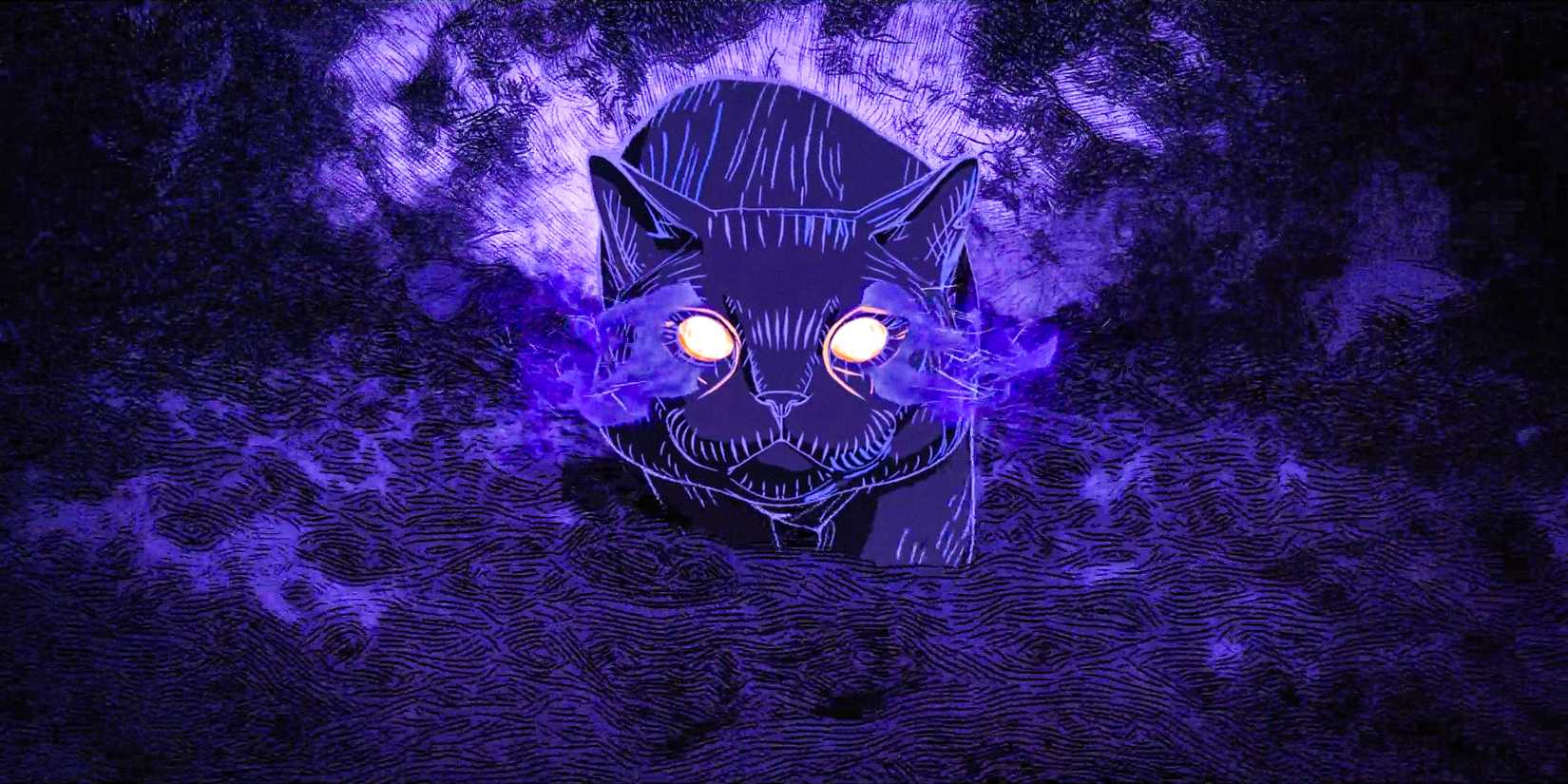
Image via Netflix
I’m a huge fan of Love, Death & Robots, and honestly, even if it was all filmed with actors, the stories themselves would still be amazing. It’s already one of the most creative sci-fi anthologies out there, with such a wide variety of ideas each season. But what really makes it special is the animation. It means they aren’t limited by what’s physically possible, so their imaginations can run wild with the visuals and the scale of each episode. It just unlocks a whole other level of storytelling!
Each episode of Love, Death & Robots has a completely unique look and feel. One episode might feature incredibly realistic computer-generated imagery, while another resembles a painting or a comic book. The show constantly changes its visual style, making every installment feel fresh and new, like the first time you’re watching it.
What truly sets this collection apart is its incredible range of styles, even compared to other animated anthologies. While shows like Amazon’s Secret Level offer good variety, most of its episodes still look similar, using computer-generated imagery. This series, however, uses different animation styles to tell stories, rather than just for visual appeal.
Animation gives LD+R the freedom to create incredibly diverse and dramatic atmospheres. It can depict everything from terrifying monsters and epic space fights to bizarre, thought-provoking visuals, without the limitations of live-action filming. This allows for a sense of realism that’s both effortless and often more believable than what’s possible with real actors and sets.
As much as I love categorizing things, Love, Death & Robots keeps throwing me for a loop! It’s billed as an animated show, but here’s the thing: some episodes are completely live-action. They just appear alongside the animation, no fanfare or warning. It’s gotten to the point where, honestly, I don’t even think you can accurately call LD+R an ‘animated series’ anymore. It’s just… a collection of amazing shorts, period.
The show’s constant change and innovation always delivers on its central idea: anything is possible. This isn’t just about the stories themselves, but also how those stories look and feel. Each episode isn’t just a new plot, it’s a completely different artistic experience, built with its own unique vision. This variety is what makes the series feel endlessly fresh. Unlike shows that stick to a predictable pattern, Love, Death & Robots completely abandons the idea of having rules.
Read More
- Группа Аренадата акции прогноз. Цена акций DATA
- One of Clint Eastwood’s Best Westerns (That Isn’t ‘The Good, the Bad and the Ugly) Is Leaving Free Streaming
- Welcome to Derry Just Officially Confirmed Its Shining Connection (& It’s Perfect)
- Taylor Sheridan’s 2-Part Action Thriller Series Is The Perfect Binge Ahead Of The New Season
- JJK Director Taps Talent From Spy x Family & JoJo’s Bizarre Adventure For New Movie
- НОВАТЭК акции прогноз. Цена акций NVTK
- In Just 1 Day, Universal’s Wicked: For Good Is Officially the Most Watched Title on PVOD in America
- Taylor Sheridan’s Mayor of Kingstown Kills Off Tracy in Season 3
- After 24 Years, LEGO Star Wars Will Finally Bring Back This Overlooked Prequels Character
- Прогноз криптовалюты OP: прогнозы цены OP
2026-03-25 02:51