Netflix co-CEO Ted Sarandos revealed the company once thought about releasing movies in theaters, but ultimately decided it was better to stick with its existing streaming model, especially before considering the purchase of Warner Bros.
In Tuesday evening’s earnings call, Netflix’s Ted Sarandos explained that the company had considered creating a system for releasing films in theaters, but ultimately decided against it. He said they frequently discussed the idea, but with limited resources, it wasn’t a priority.
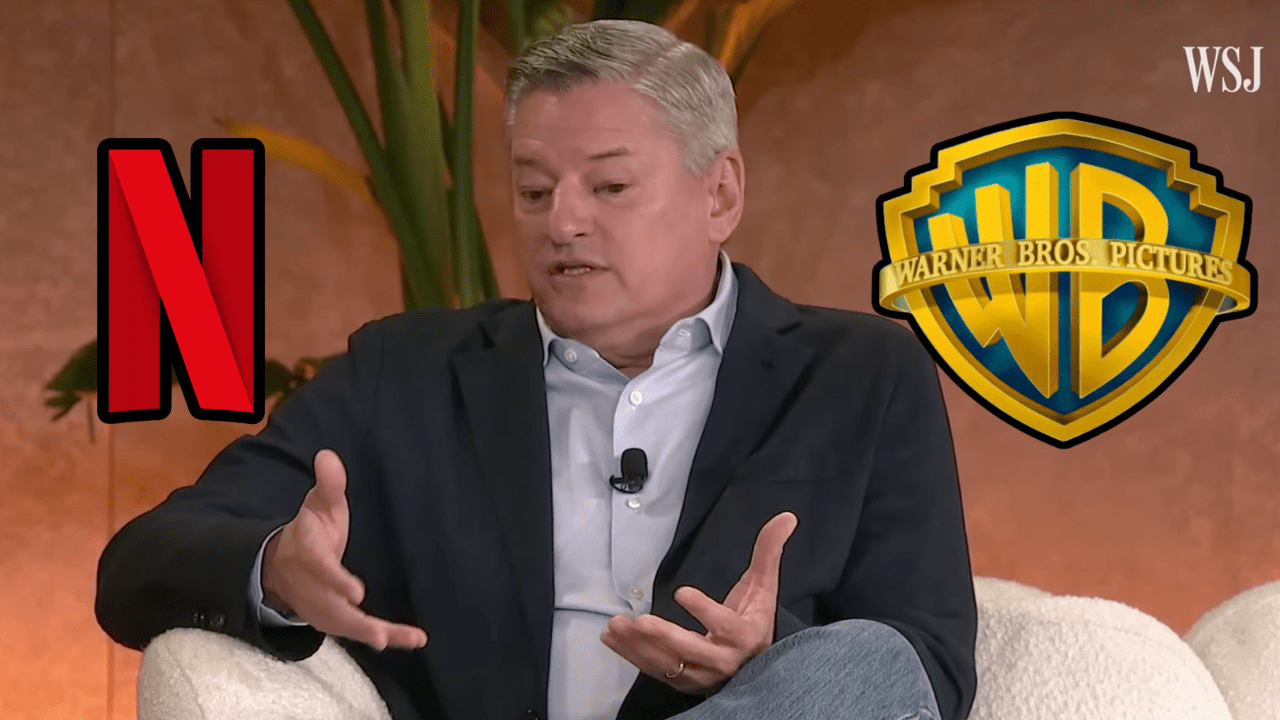
Greg Peters, Netflix’s other co-CEO, also mentioned they recognize that releasing movies in theaters can work well alongside streaming. However, they chose not to focus on theatrical releases themselves because they were prioritizing investments in other parts of the business.
I’ve noticed Netflix is really trying to show people they’re more than just a streaming service lately. They want us to know they haven’t changed how they operate at their core, though – it’s more about how they present themselves.
“A Business, Not a Religion”
Netflix’s Ted Sarandos recently suggested that the idea of going to movie theaters for a shared experience is outdated. However, a disagreement between Netflix and Paramount Skydance is highlighting the value of releasing films in theaters. Paramount’s CEO, David Ellison, stated late last year that the company plans to release a minimum of 15 movies in theaters in 2026.
As a movie critic, I’ve been following the Warner Bros. sale drama closely, and it’s fascinating. Some Warner Bros. shareholders who really care about seeing movies in theaters are understandably wary of Netflix taking over. Now, with Paramount also making a bid, Netflix’s Ted Sarandos is trying to reassure those investors that things have changed. He pointed out that when he previously discussed the company’s strategy, Netflix wasn’t focused on theatrical releases at all – and that’s no longer the case. Essentially, he’s saying, ‘Don’t judge our current offer based on what I said before, because the landscape has shifted.’
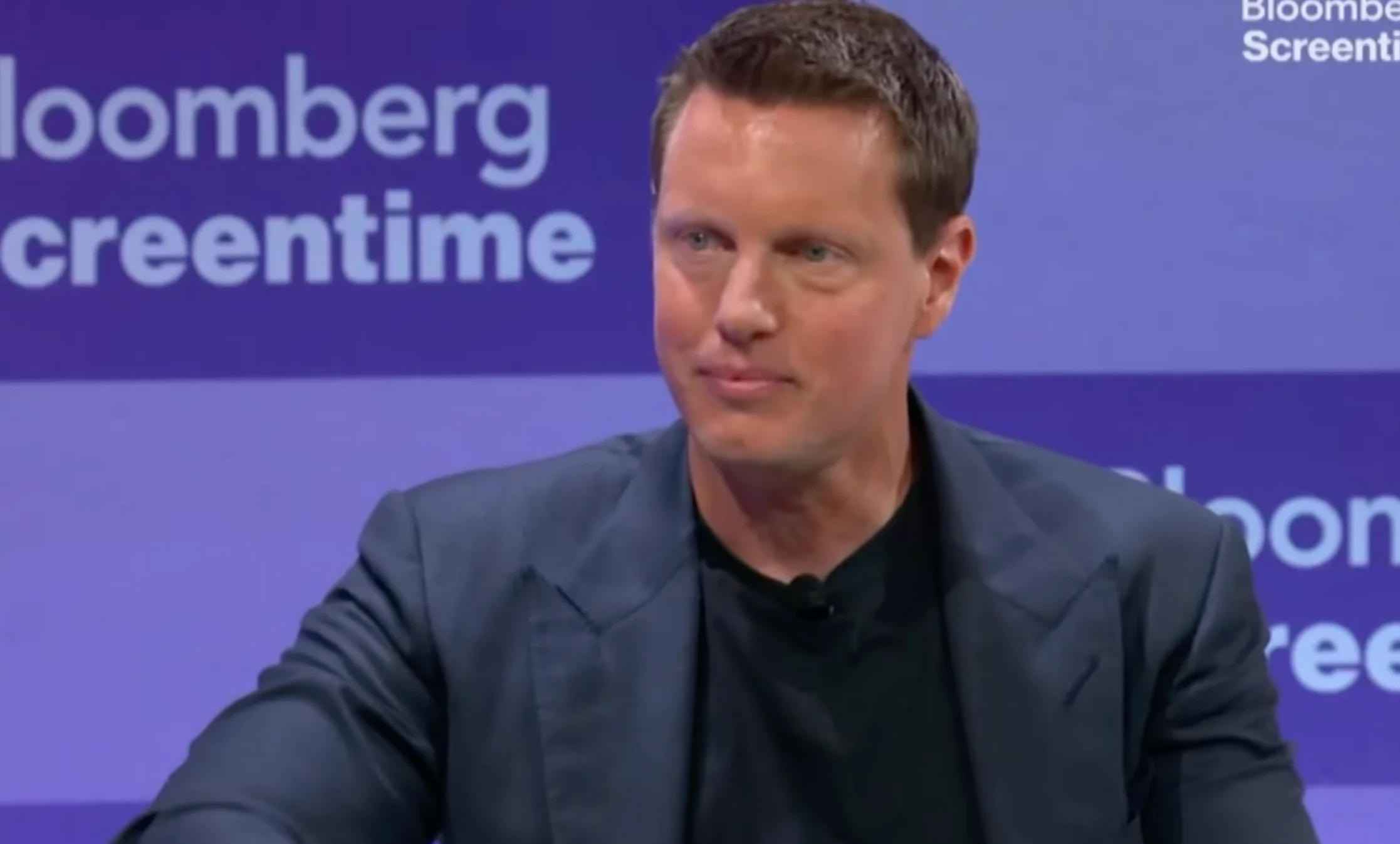
He reiterated that the company operates as a business, not based on unwavering beliefs. Because of this, they regularly assess and adjust their strategies as circumstances and new information emerge. He pointed to past examples of this adaptability, like changes they’ve made to their advertising and live event strategies, including those related to sports.
Many in the entertainment industry are wondering if Netflix is truly becoming both a streaming service and a traditional movie studio, or if this is just a short-term strategy to improve its reputation. Recent comments from Netflix leaders, Sarandos and Peters, about previously considering movie theater releases—but lacking the means to do so—suggest they’ve always had this long-term plan.
Changing the Perception
Sarandos also made it clear he doesn’t plan to drastically alter Warner Bros., explaining that they’ll continue to benefit from and even improve Warner Bros.’s existing, successful movie distribution network, which brings in over $4 billion worldwide at the box office.
Sarandos reiterated comments he made to The New York Times, confirming his commitment to maintaining current film release practices for Warner Bros. He stated they’ll largely continue with 45-day release windows, and he doesn’t want to disrupt the successful way Warner Bros. currently distributes films in theaters.

Sarandos is trying to convince investors that Netflix is flexible and can quickly adapt to changing opportunities. By presenting their decision to avoid movie theaters as a practical issue of timing and resources, rather than a firm opposition to theaters themselves, Netflix hopes to improve its image within the industry. It’s still unclear if this explanation will be enough to convince everyone.
Read More
- ‘YouTube Customers Are Suffering.’ Disney CFO Says Company Isn’t Backing Down As Cable Outage Continues
- Jake Paul Called Out Anthony Joshua Again, But I’m Not Sure Where He’s Going With This
- How Spartacus’ 100% RT Sequel Show Tweaks Roman History For Ashur’s Return
- Every Winner at Japan’s Biggest Streaming Anime Trend Awards in 2025
- Hans Zimmer to Score Warner Bros.’ ‘Harry Potter’ TV Series
- How Benedict Differs From Bridgerton’s Other Male Leads, According To Luke Thompson
- ‘It: Welcome to Derry’ – 2025’s Stephen King Resurgence Just Added Its Crowning Achievement
- 2026 Already Has A Contender For Best Musical Movie Moment Of The Year
- I Don’t Think We’re Talking Enough About How Predator: Badlands Nails Its Alien Connection
- Michael C. Hall’s ‘Safe’ Is Perfect for ‘Dexter’ Fans
2026-01-22 17:56