The deal is official! After a competition among several companies – including Netflix, Paramount Skydance, and Comcast – Warner Bros. Discovery has selected Netflix to acquire its studios and streaming division. This acquisition is part of Warner Bros. Discovery’s plan to split its businesses, and it involves the division currently known as Discovery Global. The deal is expected to close in the third quarter of next year, with the full process of finalizing everything taking an additional 12 to 18 months.
This situation is definitely not resolved yet. The agreement still needs to be approved by regulators in several countries, which could be difficult. Concerns about Netflix’s strong position in the streaming market, along with reports that the previous administration favored Paramount and the Ellison family, could create obstacles. Ultimately, Netflix might end up paying Warner Bros. Discovery the $5.8 billion breakup fee if the deal doesn’t go through.
Things are tough right now, and will likely stay that way for a while. If you’re a fan of movies and going to the cinema, it’s a really disappointing way to finish 2025.
Warner Bros. Brought Hope To Theaters This Year, Only To Snatch It Away

This year has been challenging for movie theaters. After suffering through the pandemic and the Hollywood strikes of 2023, theaters hoped things would improve significantly in 2025, when they anticipated a return to a full schedule of new releases. However, 2025 hasn’t brought the hoped-for turnaround. Current box office numbers suggest that this is how things will be going forward, and the booming business of 2018 and 2019 is unlikely to return anytime soon.
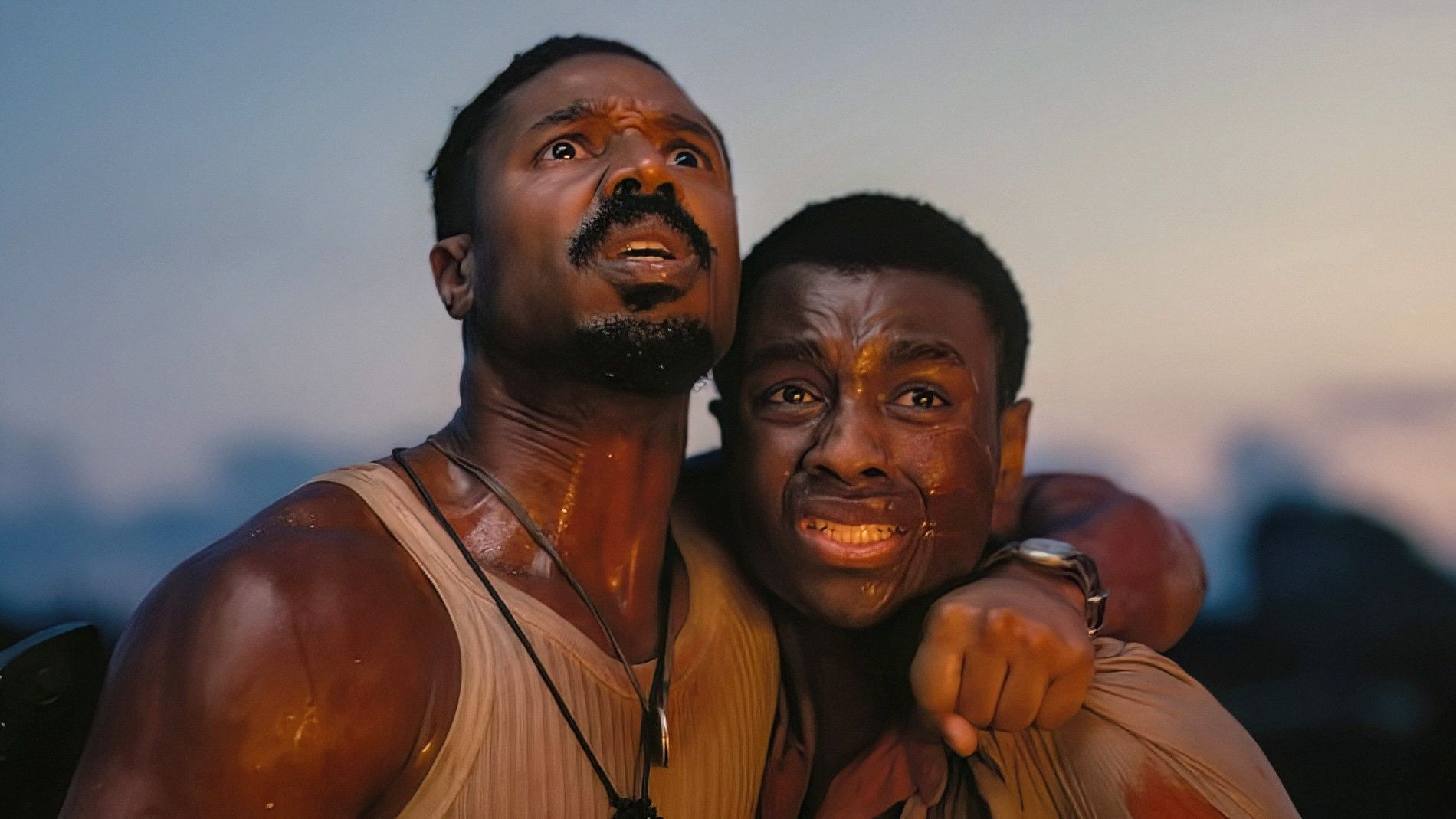
Throughout the year, Warner Bros. offered a bright spot in the film industry. It was the first full lineup of movies produced under the leadership of Michael De Luca and Pamela Abdy, who became co-chairs and CEO in July 2022. Their strategy included taking risks on original ideas, leveraging existing franchises, and creating guaranteed blockbusters. While not every film was a hit, many performed well. From April’s Minecraft Movie to September’s The Conjuring: Last Rites, Warner Bros. released seven consecutive films that opened to over $40 million domestically – a record-breaking achievement in Hollywood.
As a movie lover, I felt like a few films this year really meant something, beyond just how much money they made. Titles like Minecraft, Sinners, Superman, and Weapons weren’t just movies – they sparked conversations, which feels rare these days, especially since the pandemic. And it’s amazing to see Sinners and One Battle After Another as serious Best Picture contenders – both came from studios really believing in their directors’ visions, which is so refreshing. 2025 might not fix everything in the movie industry, but this year definitely gave me hope that there’s a future for films that aren’t just the latest big blockbusters.

This promising situation is now threatened by Netflix’s acquisition. In their official announcement, Netflix says they plan to continue Warner Bros.’ existing practices and even improve upon them, including releasing movies in theaters. This aligns with reports from the bidding process. However, a quote from co-CEO Greg Peters suggests Netflix isn’t necessarily changing its view that traditional movie theaters are becoming obsolete.
This purchase will significantly enhance what we offer and drive our growth for many years. Warner Bros. has been a leader in entertainment for over a century, consistently delivering incredible content thanks to its talented team and strong production skills. By leveraging our worldwide presence and successful business approach, we can bring their stories to more people, give our subscribers a wider variety of choices, grow our streaming service, benefit the entertainment industry as a whole, and ultimately deliver greater returns for our investors.
It’s uncertain if Netflix will keep its promises regarding theatrical releases, especially beyond films already contracted for cinema showings. Right now, what’s clear is that a major movie studio, with a history spanning a century, is being acquired by a company that generally prefers to stream films instead of releasing them in theaters. Even if some films still get wide theatrical releases, the priority will shift from supporting cinemas to being hesitant about them. We can anticipate their decision whenever a film’s release strategy is up for debate.
I’m not opposed to Netflix or streaming overall, and some parts of this deal, particularly for TV, seem promising. However, as a dedicated moviegoer who believes films are best experienced in theaters, this news is deeply disappointing. Movie theaters are already struggling, and if a major studio stops releasing films for theatrical viewing, we could see the end of going to the movies as we know it.
Read More
- ‘YouTube Customers Are Suffering.’ Disney CFO Says Company Isn’t Backing Down As Cable Outage Continues
- Jake Paul Called Out Anthony Joshua Again, But I’m Not Sure Where He’s Going With This
- How Spartacus’ 100% RT Sequel Show Tweaks Roman History For Ashur’s Return
- Every Winner at Japan’s Biggest Streaming Anime Trend Awards in 2025
- Hans Zimmer to Score Warner Bros.’ ‘Harry Potter’ TV Series
- How Benedict Differs From Bridgerton’s Other Male Leads, According To Luke Thompson
- ‘It: Welcome to Derry’ – 2025’s Stephen King Resurgence Just Added Its Crowning Achievement
- 2026 Already Has A Contender For Best Musical Movie Moment Of The Year
- I Don’t Think We’re Talking Enough About How Predator: Badlands Nails Its Alien Connection
- Michael C. Hall’s ‘Safe’ Is Perfect for ‘Dexter’ Fans
2025-12-06 16:48