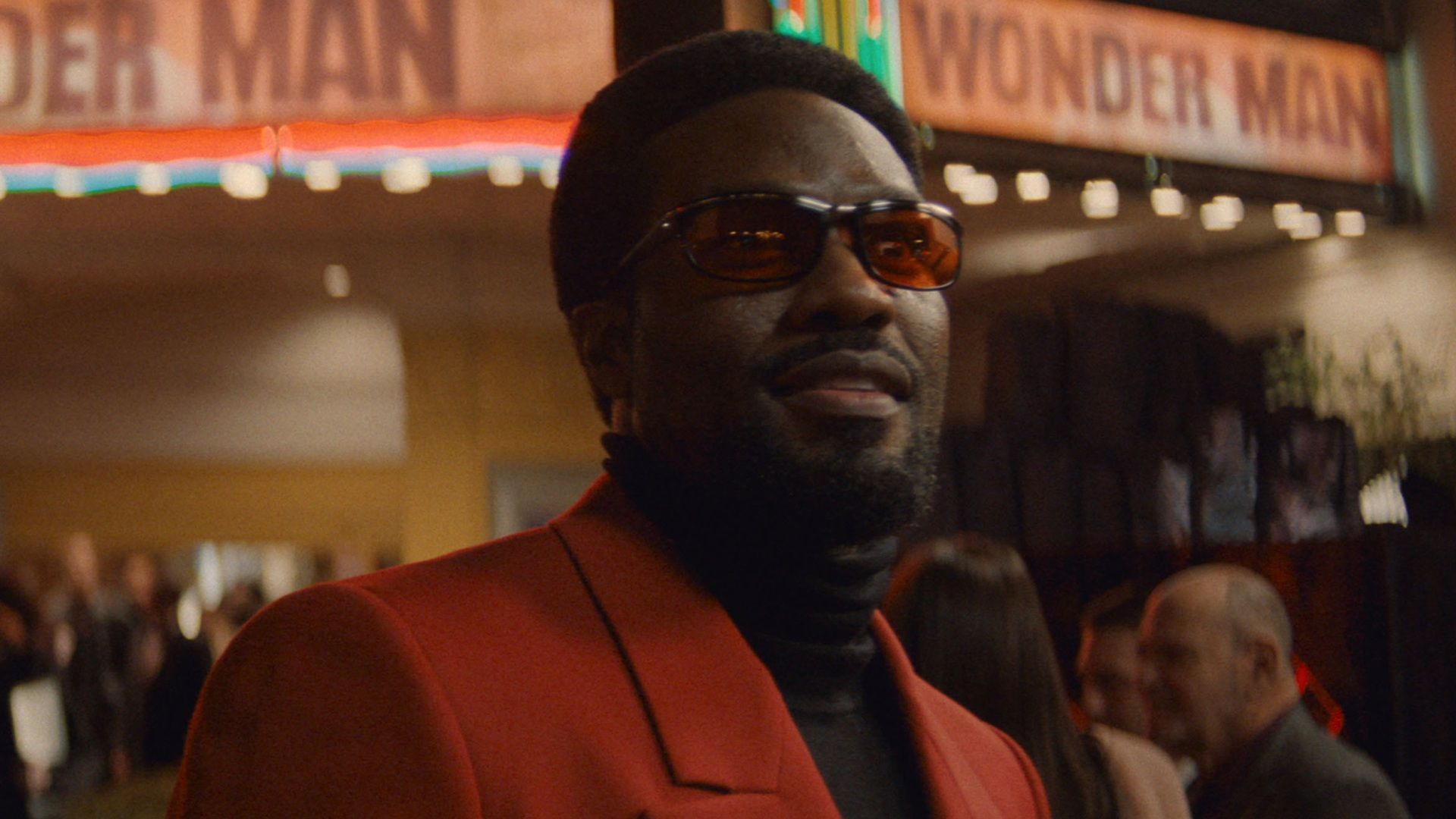
For almost fifteen years, Marvel Studios encouraged fans to look for connections between its movies and shows, all building towards a larger, interconnected universe. That’s why the new Wonder Man miniseries, which doesn’t immediately tie into the main storyline, might disappoint viewers hoping to see the hero quickly appear in the bigger Marvel films. However, the show’s biggest impact might not be in its connections to existing stories or surprise appearances, but in how it prepares audiences for the upcoming ‘Mutant Saga‘ – the next major phase of the Marvel Cinematic Universe planned after Avengers: Secret Wars. It essentially sets the stage for what fans can expect from that future storyline.
Many believe Marvel Studios is currently struggling after the satisfying conclusion of Avengers: Endgame. Now that the X-Men have joined the main Marvel Cinematic Universe, fans are hoping the stories of the mutants will bring back the strong, connected storytelling Marvel was known for. The upcoming series Wonder Man offers a hint of what that future might look like, and it’s not just about the mysterious character and his abilities. The director within the Wonder Man series is portrayed as a parody of overly confident filmmakers who think they are more important than the story itself. However, a line intended as a setup for a comedic audition scene unintentionally reveals Marvel’s plans for how the Mutant Saga will unfold.
Von Kovak Is a Weird Guy, But the ‘Wonder Man’ Director Actually Understands the MCU
Despite having over thirty-five movies and series, the Marvel Cinematic Universe still feels limited in what it can explore. Most MCU stories focus on how ordinary people gain superpowers and become heroes. However, Wonder Man is different. It’s one of the first MCU projects to imagine a world where superheroes are already a normal part of everyday life. Director Von Kovak offers a fresh perspective on what makes a superhero story compelling when superpowers aren’t a novelty.
Within the graphic novel Watchmen by Alan Moore and Dave Gibbons are the Tales of the Black Freighter comic book segments. These were included because the creators imagined that in a world where people wore masks to fight crime, comic books would explore themes beyond just superheroes. The musical Rogers: The Musical and the in-universe movie about Wonder Man demonstrate how heroes can impact popular culture. As one character explains, focusing on the mythical aspects of heroes and gods makes them difficult to understand. The goal is to see the humanity within them – to understand who they truly are. This approach – making heroes relatable – is actually how Stan Lee, Jack Kirby, and others sparked the Marvel Renaissance.
What Von Kovak says might seem like common sense, particularly for those who’ve followed these stories for a while, but it takes on a new significance within the Marvel Cinematic Universe. Because of the way things are set up, people with superpowers aren’t allowed to be openly portrayed in movies. Unlike traditional superhero myths where powered individuals are like gods, the MCU treats these stories as being ‘based on true events.’ In Wonder Man, this idea directly connects to Simon Williams and his efforts to conceal his powers. Even the audition scene reflects this, showing how a close friend betrays the hero. However, Von Kovak’s point goes beyond just that surface level.
Powers Aren’t Rare in the MCU, But They Are Still Scary, Which Sets Up the Mutant Saga
Ever since the events of Age of Ultron, we’ve seen the consequences of superhero actions. However, even in shows like She-Hulk: Attorney at Law and Daredevil: Born Again, these consequences have mainly focused on what it’s like to be a superhero. It’s easy for ordinary people to grasp how they exist – aliens are one thing, and heroes like Iron Man or Doctor Strange use technology or magic. Others, like Spider-Man or the Hulk, got their powers by chance. Considering this, the public’s fear of mutants feels more understandable.
The Disney+ series Wonder Man explores the origins of Simon Williams’ powers, and like Bruce Banner in The Avengers, he doesn’t understand how he got them. The show reveals Simon struggled with his abilities and kept to himself long before the mysterious “Doorman Clause” impacted Hollywood. While most MCU heroes either sought out their powers or had them forced upon them by external factors, Simon’s story suggests his abilities stem from an internal struggle. This idea – that dangerous powers originate from something fundamentally ‘wrong’ within a person – could also explain the origins of the Mutant powers and the persecution they face.
Some viewers believe that having established superheroes in the Marvel Cinematic Universe could actually improve how Marvel portrays prejudice against mutants. In the older Fox films, mutants were feared because they were the only ones with powers. However, within the broader Marvel universe – both the comics and now the MCU – mutants will simply be another group of powered individuals, similar to the heroes the public already admires. The key difference is that mutants aren’t gaining powers through accidents or choices; they’re born with them. This allows for a more nuanced exploration of prejudice, as seen with Simon Williams, who is pursued by the Department of Damage Control without even knowing why. His powers aren’t a result of heroism or recklessness, but a personal struggle, as highlighted by Von Kovak.
As a movie fan, what excites me most about a potential ‘Mutant Saga’ is the chance to really explore the relationship between mutants and the world around them. It feels like we could finally see the Avengers become a truly established part of society, while the X-Men would be even more compelling – they’d be saving a world that actively distrusts and fears them. Of course, the action and powers will be awesome, but what would really make this saga special are stories that focus on the personal cost of being a mutant, kind of like what we saw with Simon in Wonder Man. These powers shouldn’t be just gifts; they should be burdens, things even the mutants themselves are afraid of. It’s not about people becoming powerful, it’s about what it means to be different. People will define them by their powers first, so the stories need to really emphasize their humanity and make us connect with them as people, not just as superheroes.
The complete Wonder Man miniseries is now streaming on Disney+.
Read More
- Прогноз криптовалюты OP: прогнозы цены OP
- Whether Dunk Was Really Knighted in A Knight of the Seven Kingdoms Revealed
- Avatar: The Last Airbender’s 8 Biggest Takeaways, 20 Years Later
- Heated Rivalry Star Christina Chang Discusses Season 2 and Handling Fame
- The Mummy Returns Sets 25th Anniversary Rerelease Date With Poster & Teaser
- Taylor Sheridan’s Mayor of Kingstown Kills Off Tracy in Season 3
- New Chris Pratt Sci-Fi Flop Already Out on Streaming
- People We Meet On Vacation Star’s Rom Com Series With A 95% RT Score Is The Perfect Binge Watch This Weekend
- ‘The Elder Scrolls’ TV Series Will Never Happen Because of ‘Lord of the Rings’
- Netflix’s 3-Part Sci-Fi Series Is So Confusing, You’ll Have To Watch It At Least 3 Times
2026-02-03 06:10