
There are many classic sci-fi TV shows people love, like The X-Files, Battlestar Galactica, and the various Star Trek series. These shows have remained popular for years and built dedicated fan communities. But sometimes, a show really captures the public’s attention – everyone talks about it while it’s on – only to be overlooked or forgotten as time goes on.
As a big film and TV fan, I’ve noticed something interesting lately. Shows like Stranger Things are wrapping up their stories with events in movie theaters, which really shows how huge some TV series can become. Stranger Things had so much hype and fan theories going into its finale, it was always going to be tough to satisfy everyone. But it reminds me a lot of Lost, which did something similar back in 2004. Lost grabbed you right away with this incredible, dramatic opening, and every episode just added more layers to the mystery. Its finale also played in theaters, and it was just as controversial. Honestly, it’s that ending that still makes people talk about Lost today – and I think it’s why it’s secretly a brilliant, if misunderstood, sci-fi show.
Ending ‘Lost’ Was a Minefield of Expectations and Theories
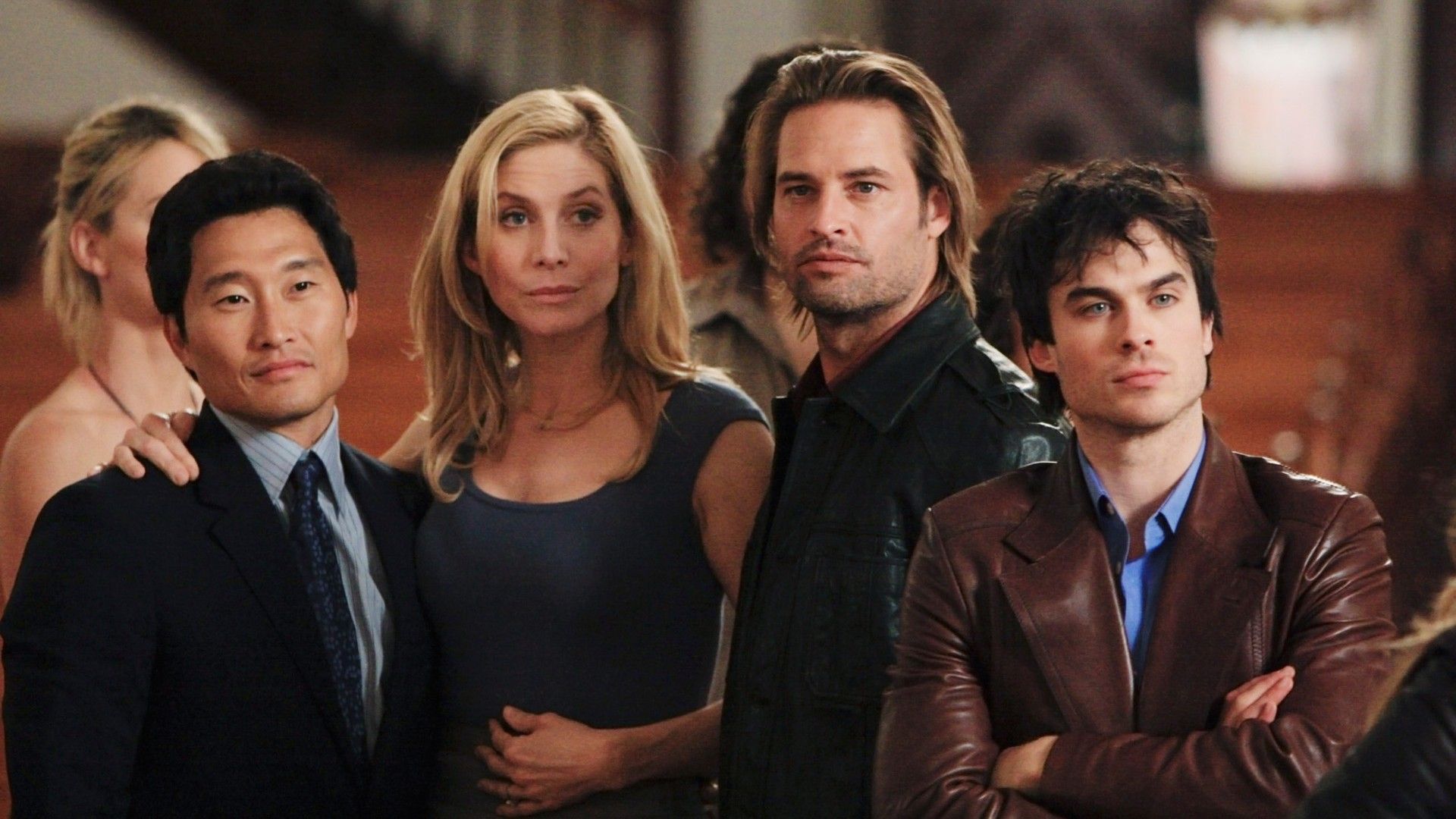
Mario Perez ©ABC courtesy Everett Collection
Ultimately, Lost became a victim of its own success. Just like the endings of Stranger Things or Game of Thrones couldn’t possibly satisfy everyone, Lost faced a similar problem. The show introduced so many questions and mysteries that it was impossible to answer them all, or to do so in a way that left viewers and the showrunners happy. From the beginning, Lost delighted in surprising its audience and keeping them guessing. What started with a simple plane crash quickly became incredibly complex, with mysteries like the island’s polar bear and the meaning of the black smoke constantly unfolding.
Viewers quickly became captivated by Lost and its diverse characters, eagerly watching each week to unravel the show’s mysteries. Flashbacks filled in character backgrounds, and each episode hinted at exciting new developments. Fans were hooked, constantly searching for answers to questions like the meaning of the numbers, the secrets within the hatch, and the identity of the ‘Others.’ People developed their own theories, sharing them online and at work, and carefully analyzing each episode for clues. However, this intense focus on speculation would ultimately become a problem.
The last season of Lost was famously confusing for viewers when it first aired. The show constantly shifted timelines – starting with flashbacks, then adding flash-forwards, and finally introducing ‘flash-sideways’ in Season 6. Although the finale attempted to explain things, Lost raised so many mysteries that it couldn’t resolve them all. Even if the story made sense, fans hoping their specific theories would be confirmed were often left wanting more. It was a show with expectations that were impossible to fully meet.
The show explored many ideas surrounding the characters’ deaths, but it turned out they weren’t actually dead the entire time, which surprised a lot of viewers. The ending shifted away from science fiction and leaned more toward spiritual themes, even taking place largely in a church. Some of these plot points didn’t resonate with audiences initially, either because they were unexpected or simply misunderstood. Fortunately, Lost has gained a new life over time. Newer viewers aren’t influenced by the show’s initial cultural impact, allowing them to experience the story as the creators envisioned, rather than through the lens of fan theories and expectations.
‘Lost’ Succeeds as a Character Drama First and Foremost
The hype surrounding Lost actually worked against it when the show ended in 2010, leading some to feel disappointed with the finale. Despite this, Lost continues to find new fans who appreciate its intricate plot and compelling characters. If you just let yourself get absorbed in the story, you’ll realize Lost is a brilliantly complex show. It might not answer every single question – like why Walt has special powers or why the statue has fewer toes – but those details aren’t crucial. The show successfully addresses its core mysteries and focuses on the bigger picture of its characters and overall story.
I absolutely loved Lost because it wasn’t just one thing – it blended science fiction with thriller, mystery, and even fantasy, and it could be genuinely scary! But what really got me were the characters. Their pasts were so compelling, and I became totally invested in their journeys and struggles on the island. When someone died, it hurt, and the connections they formed felt so real. They started as strangers, but quickly became a family, and the finale really highlighted that. It wasn’t just about getting off the island or figuring out the Dharma Initiative; it was about them – the people going through this unbelievable experience, and how it changed them.
Subscribe for deeper TV and sci-fi storytelling insight
Join the newsletter for thoughtful coverage and analysis of TV and sci-fi storytelling – explorations of misunderstood finales, character-driven dramas, and why shows like Lost endure, helping you deepen your appreciation.
Even when storylines like the Smoke Monster’s origins didn’t quite land with everyone, moments like Charlie’s emotional underwater farewell were incredibly powerful. The show was full of both devastating backstories – like Locke discovering his father’s betrayal – and genuinely uplifting scenes, such as Desmond finally reaching Penny on the phone. No matter how outlandish things got – whether it involved polar bears or time travel – Lost kept viewers hooked because they were invested in the characters and their search for answers. We rooted for Kate, Sawyer, and Hurley to find closure, and each new reveal was either a shocking twist or a deeply emotional moment that you couldn’t miss.
Lost captivated audiences with its compelling, character-focused stories and intriguing science fiction elements, keeping viewers hooked as they searched for answers. The show cleverly assumed its audience was smart enough to handle a complex and expanding mystery, building a rich world for fans to explore. Today’s popular sci-fi shows, such as Stranger Things and Severance, clearly draw inspiration from Lost’s innovative storytelling, which consistently kept people guessing. Though the show’s popularity ultimately became a challenge during its run, Lost has solidified its place as a genre classic that continues to resonate with both new and returning viewers.

Found an error? Send it info@movieweb.com so it can be corrected.
Read More
- ‘YouTube Customers Are Suffering.’ Disney CFO Says Company Isn’t Backing Down As Cable Outage Continues
- Underrated Shudder Horror Movie Becomes Global Streaming Hit After Quiet Theatrical Release
- Pluribus: Why Helen Died May Actually Be Because of Carol
- Marty Supreme Debuts With Fantastic Rotten Tomatoes Score
- James Bond Is Great, but Atomic Blonde Deserves More Love
- Hamnet’s Jessie Buckley Reacted To Paul Mescal’s Oscars Snub
- How Benedict Differs From Bridgerton’s Other Male Leads, According To Luke Thompson
- Ryan Gosling’s New Epic Sci-Fi Adaptation Runtime Breaks Record As His Longest Movie Ever
- Доллар обгонит рубль? Эксперты раскрыли неожиданный сценарий
- The Pitt: First Unedited Medical Drama To Air On TNT
2026-03-12 14:03