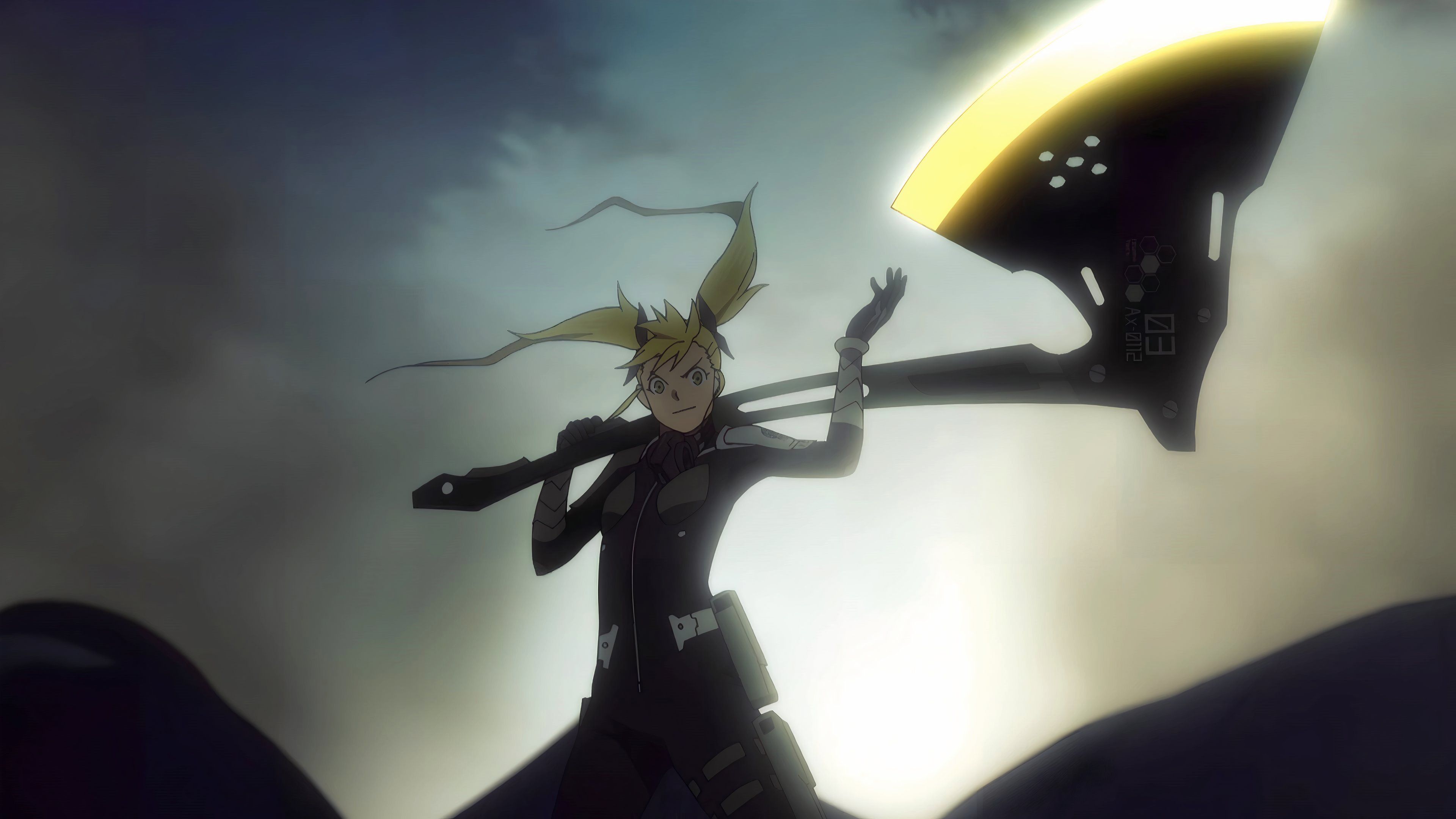
Many action-packed stories focus on young heroes with incredible natural abilities and massive battles. But Kaiju No. 8 does something different. Instead of showcasing a gifted teenager, the story follows Kafka Hibino, a 32-year-old who repeatedly failed to get into the organization meant to fight monsters. In a genre that typically celebrates early talent, this series starts with a man who’s already behind the curve.
This new perspective completely alters the story. Kafka constantly worries that his prime is behind him. Even with the incredible ability to turn into a kaiju, he still feels like the weakest member of a team of highly skilled fighters. By focusing on a hero who’s struggling to improve, Kaiju No. 8 offers a fresh take on the typical shonen story. The drama isn’t about discovering hidden power, but about whether someone who feels past their peak can still make a difference.
Kaiju No. 8’s Protagonist Gets the Opposite of a Head Start
Many young heroes in stories start with little experience but show great potential. This is true for Kafka, who once hoped to join the Defense Force with his friend, Mina Ashiro. Now, Mina is a celebrated captain leading the fight against giant monsters, while Kafka has the less glamorous job of cleaning up what’s left after the battles. This contrast is intentional. Kafka finally achieves his dream of joining the Defense Force, but he’s noticeably older than the other new recruits.
Kafka isn’t as physically strong or enduring as the younger recruits who’ve been training since childhood. He’s often seen as a mentor figure, not a top performer, and this perception is a real disadvantage. The Defense Force judges soldiers strictly based on data – how well they work with advanced weapons – and Kafka’s scores aren’t good. He can’t simply rely on talent to succeed; he has to work harder than others.
Kafka’s deep sense of inadequacy is central to the story. Having once lost his dream, he constantly fears squandering this new opportunity, and the series subtly shows this through his cautiousness and occasional jealousy of Mina’s achievements. By giving its protagonist a believable disadvantage, Kaiju No. 8 makes its fantastical elements feel more impactful. Kafka isn’t a natural hero; he’s someone struggling to keep up with those who are already established.
Kafka’s Kaiju Power Makes Him a Liability, Not a Savior
It should have fixed everything. Theoretically, it gives him incredible strength, speed, and healing abilities – enough to make him a major player in any other situation. But instead of solving his problems, it creates a new one. Because the Defense Force fights monsters, if they discover Kafka’s powers, they’ll hunt him. His abilities instantly make him a target, forcing him to keep his victories and training secret. Every time he transforms, he’s risking his life.
His immense power, while making him a valuable asset, also poses a threat to those fighting alongside him. Even when he’s at his strongest, he doesn’t always have control. His initial transformations are chaotic and hard to handle, forcing him to learn self-control against enemies who have none. He’s still learning how to use his abilities responsibly. The story emphasizes that strength and dependability aren’t the same thing. In contrast, characters like Mina and Vice-Captain Hoshina are disciplined and think strategically.
Kafka acts on feeling rather than logic. While his powerful monster form helps him win battles, it also makes it hard for others to trust him. When people discover his secret, the military struggles with whether he’s a valuable ally or a dangerous threat. This creates a unique and suspenseful situation, flipping the typical hero story on its head. Kafka’s immense power forces the organization to grapple with its own fears, biases, and need for control. Ironically, instead of freeing him, his strength confines him within the system’s most critical scrutiny.
Kaiju No. 8’s Real JAKDF Prodigies Are Standing Right Beside Kafka
The series Kaiju No. 8 highlights Kafka’s flaws by placing him alongside incredibly capable characters. Kikoru Shinomiya is a natural fighter, raised with strict military training, and is both efficient and reserved. Reno rapidly improves, fueled by his strong desire to succeed, and Mina consistently demonstrates the potential of highly skilled individuals. These characters aren’t meant to be in Kafka’s shadow; they consistently surpass him in both ability and dedication.
Kikoru instinctively understands what’s happening on the battlefield. Reno quickly adjusts to situations, something Kafka finds difficult. Even Hoshina’s unique swordsmanship shows the result of dedicated practice. These differences highlight an important idea: while effort is crucial, so are natural talent, proper training, and the chance to improve. Kafka is older and comes from a different background, making it hard for him to catch up quickly. Seeing younger soldiers excel is both motivating and disheartening for him, but the show doesn’t dwell on his struggles in a way that feels overly negative.
Kafka’s strength lies in his understanding of people and his unwavering loyalty. He knows what it’s like to struggle and keep going, focusing on protecting those he cares about rather than seeking fame. This drive guides his choices, even if he isn’t always the most skilled. The story benefits from Kafka not being instantly perfect, as it allows other characters to shine. The world feels genuinely competitive, where success is earned, and Kafka learns that talent doesn’t always accommodate those who develop later in life.
Kafka’s Weakness Is Key to Kaiju No. 8’s Spin on Shonen
What makes Kaiju No. 8 so compelling is how it turns the protagonist’s weaknesses into strengths. Kafka isn’t portrayed as an all-powerful hero; he struggles, and that’s the point. His age, self-doubt, and difficulty controlling his powers build tension that simple strength couldn’t achieve. Kafka’s story changes the typical shonen anime hero archetype. He isn’t naturally gifted, but shows what it means to keep going even after setbacks.
The impact of his failures feels real, and the military’s doubt adds to this sense of authenticity. Trust isn’t given easily, and Kafka needs to demonstrate that his identity isn’t determined by his transformations. The story often focuses more on emotional challenges than physical ones, with each mission testing his character as much as his strength. In a world filled with heroes who are meant to save the day, Kaiju No. 8 tells the story of a man who just keeps fighting.
I still find the big action sequences exciting, but what really makes this series special are the little moments – someone promising to keep going, a pledge to support Mina, or the simple choice to fight on even when the odds are stacked against you. It might seem odd that Kafka is the most vulnerable character, but that’s actually intentional. His weakness grounds the story in reality, and his determination is what makes you truly care about saving the world.
Found an error? Send it so it can be corrected.
Read More
- Five Nights At Freddy’s 2 Review: The Video Game Movie Sequel Limbos Under The Low Bar Set By The First Film
- Belissa Escobedo, on Happy’s Place
- Netflix’s #1 Trending Comedy Proves Critics Are Wrong About This $523 Million Franchise
- Прогноз нефти
- The Hulk’s New MCU Update Looks Like Exactly What The Hero Needs
- Star Trek’s Smartest TNG Episode Is the Best Time-Travel Story in Sci-Fi TV History
- CBS Effectively Explains Why Tracker Got Rid Of Bobby & Velma
- Elle Fanning’s Upcoming Apple TV Comedy Continues A Wildly Impressive Streaming Trend
- Mindhunter: Netflix’s Psychological Thriller Masterpiece
- Original Harry Potter Star Is ‘Sick of Talking About’ Potential Reboot Return
2026-02-27 22:40